Time Periods
Paleolithic
Mesolithic
Neolithic
Chalcolithic
Bronze Age
Iron Age
Classical Period
Post-Classical Period
Early Modern Period
Industrial Period
Contemporary Period
Time Periods
Paleolithic
Mesolithic
Neolithic
Chalcolithic
Bronze Age
Iron Age
Classical Period
Post-Classical Period
Early Modern Period
Industrial Period
Contemporary Period
Location
About
The Ivuna site in Momba District, Songwe Region, Tanzania, is renowned for its historical significance in salt production and Iron Age pottery findings. The Ivuna salt flats, located southeast of Lake Rukwa, have been utilized for salt extraction from as early as the 13th century CE to the 15th century CE. This period saw significant production activities, evidenced by the abundance of Iron Age pottery discovered at the site. These artifacts suggest a thriving community engaged in industrial activities, particularly salt production, which was likely a major economic driver in the region. The presence of Iron Age pottery also provides insights into the cultural and technological practices of the time. The site serves as an important archaeological location for understanding the historical salt industry and Iron Age cultural expressions in this part of Tanzania.
Archaeological Features
Explore the unique architectural and cultural elements found at this historical site
Miscellaneous Features
Industrial and Craft Structures
Historical Timeline
Journey through time and discover key events in this site's archaeological history
Plan Your Visit
Details
- Country
- Tanzania
- Source
- Wikipedia
More Sites in Tanzania
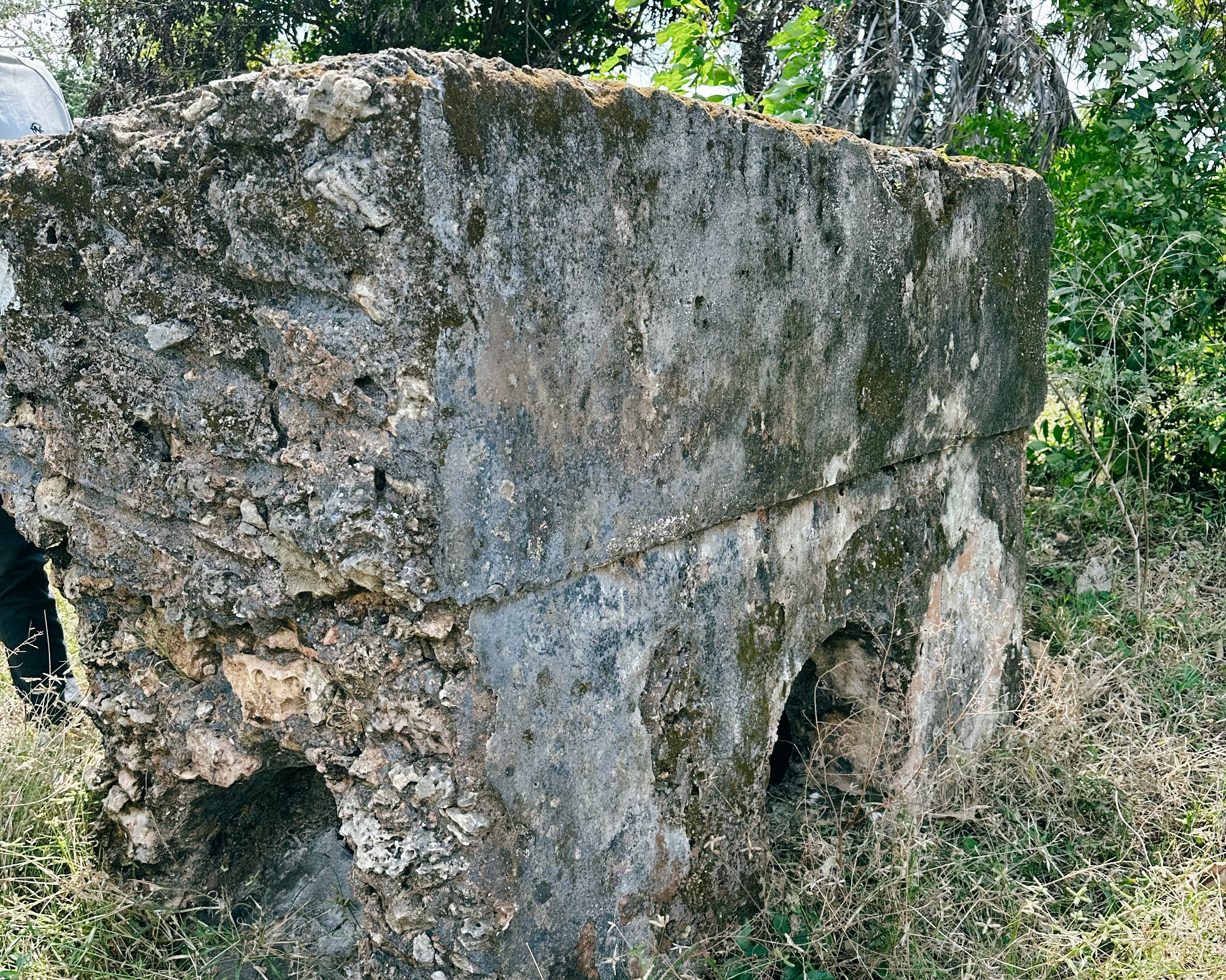
Mbuamaji
Medieval Swahili coastal trading settlement
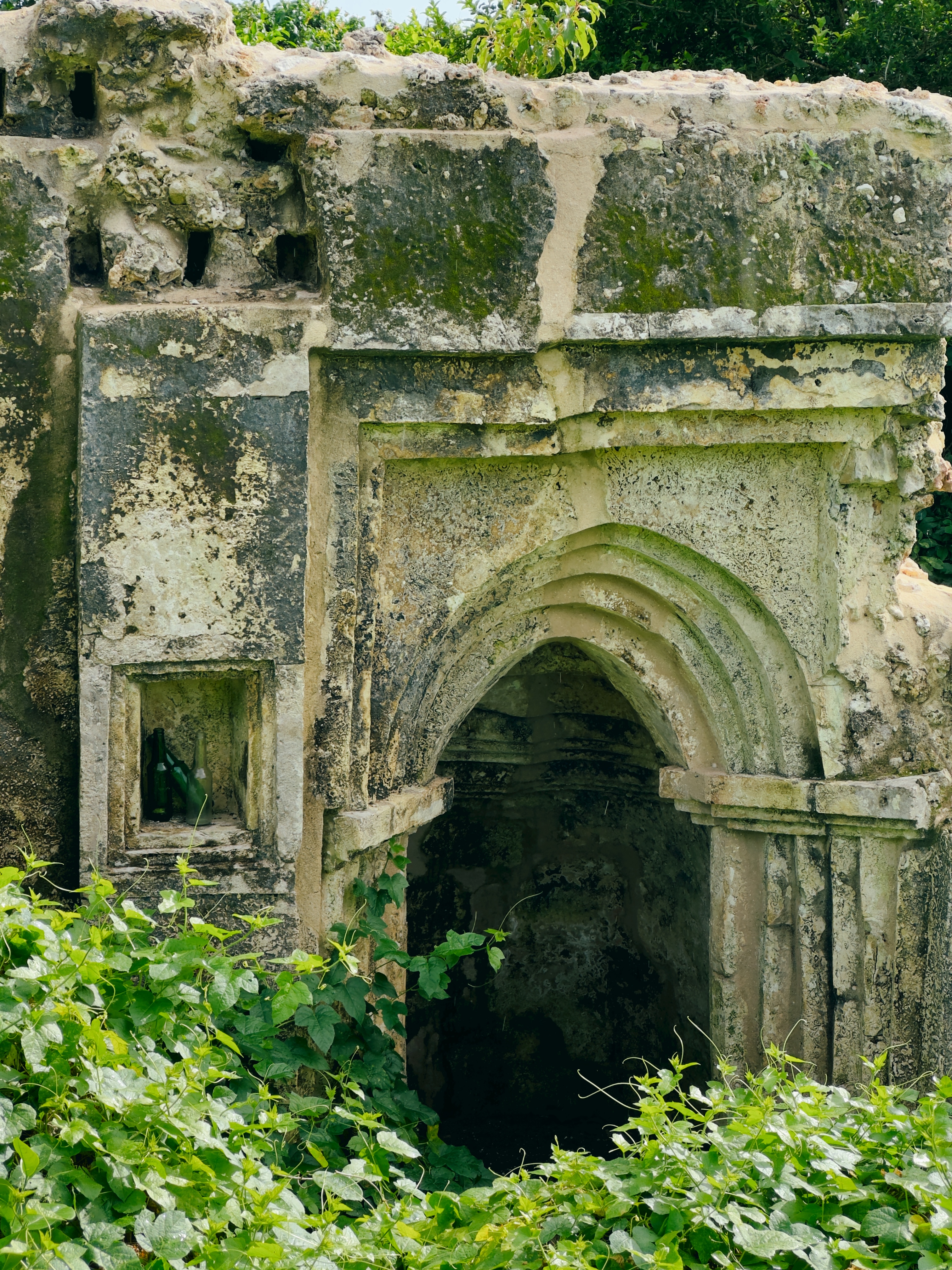
Kimbiji Ruins
Medieval Swahili ruins with mosque and cemetery
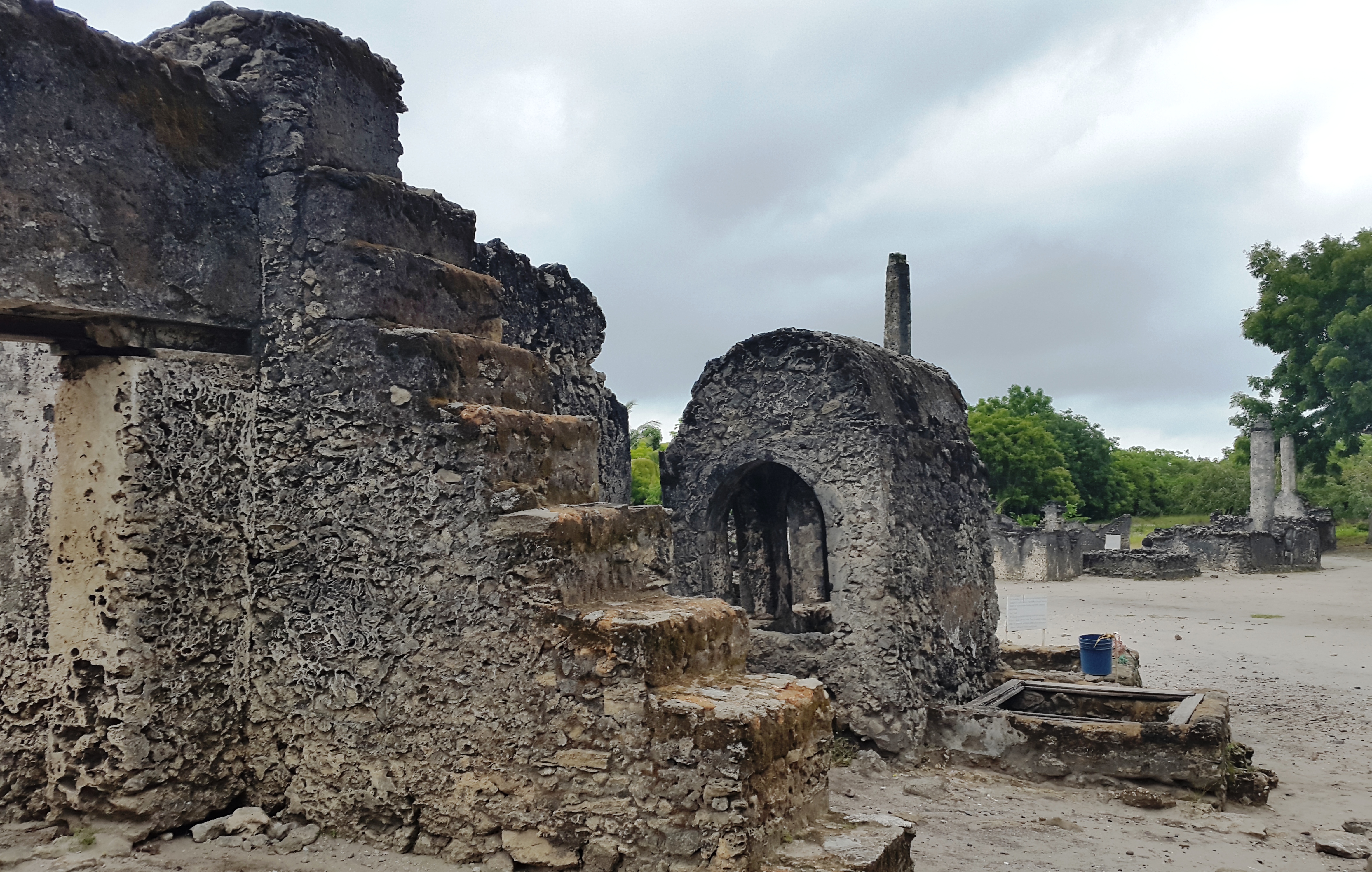
Kaole
Swahili ruins with mosques and tombs.
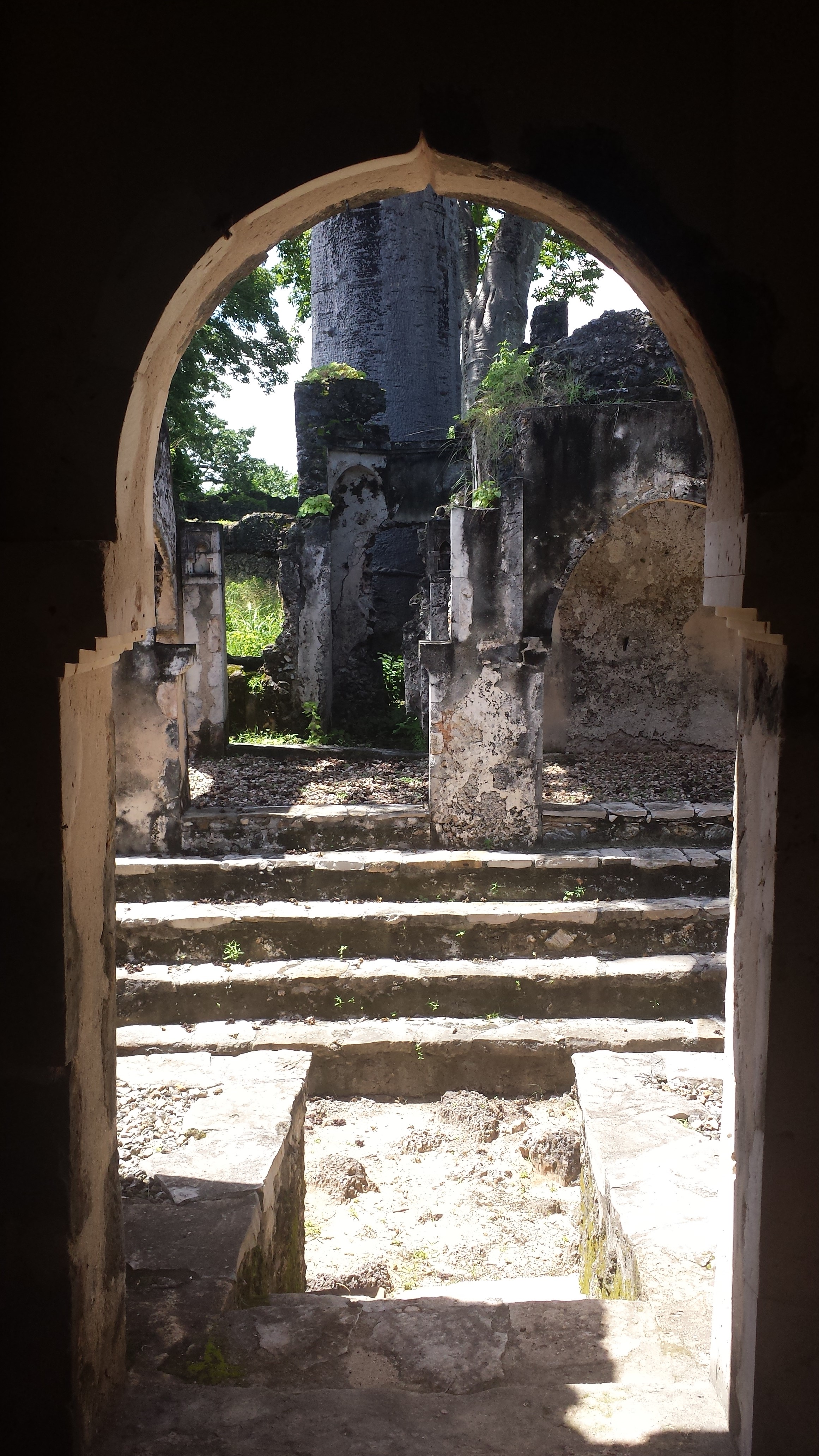
Songo Mnara
Medieval Swahili stone town on island
Bahi Rock-Art Sites
White rock paintings of cattle and figures
Mumba Cave
Transitional Middle to Late Stone Age cave