Explore the Map
Kaole
-6.4634° N, 38.9468° E
About
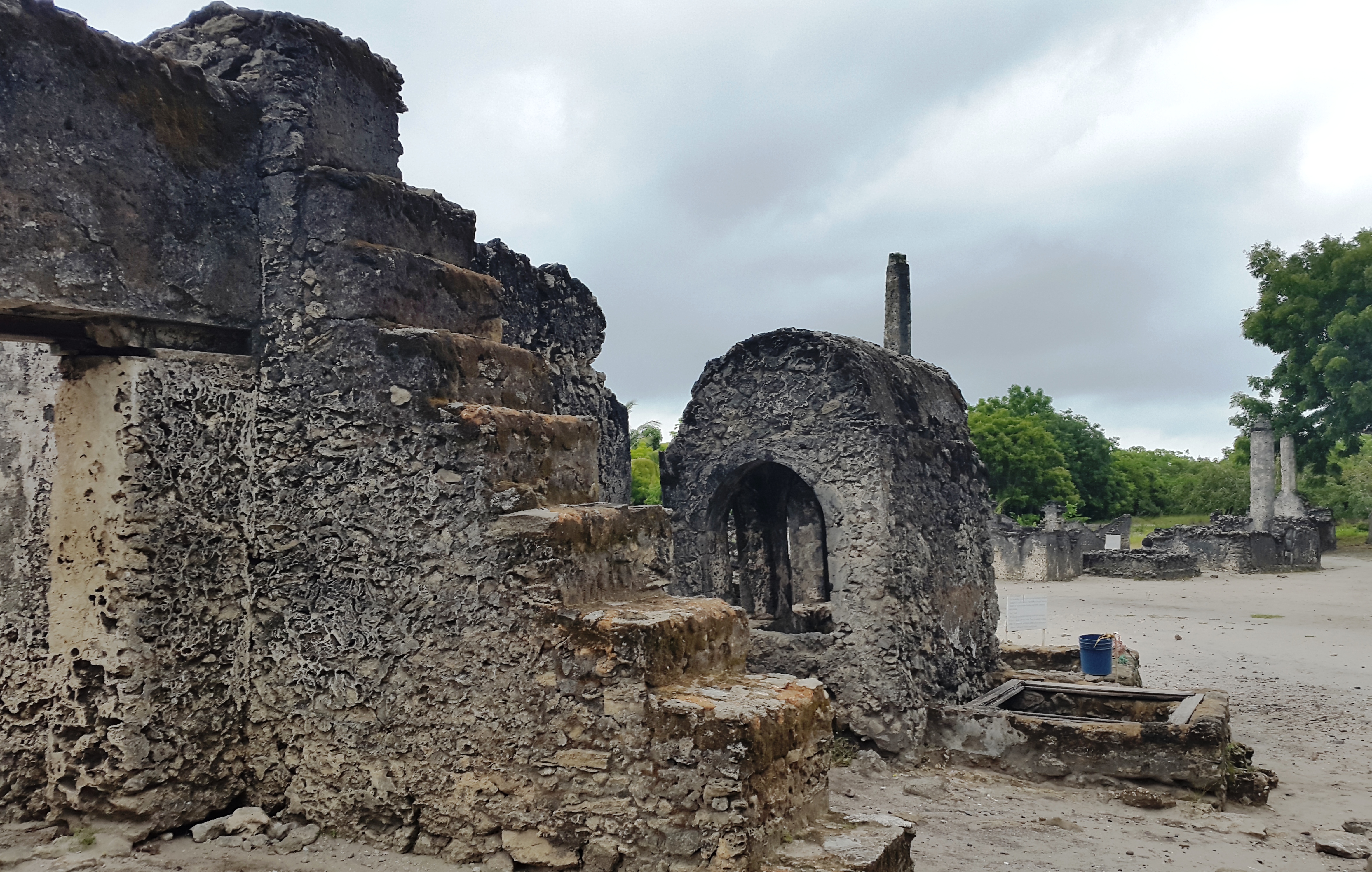
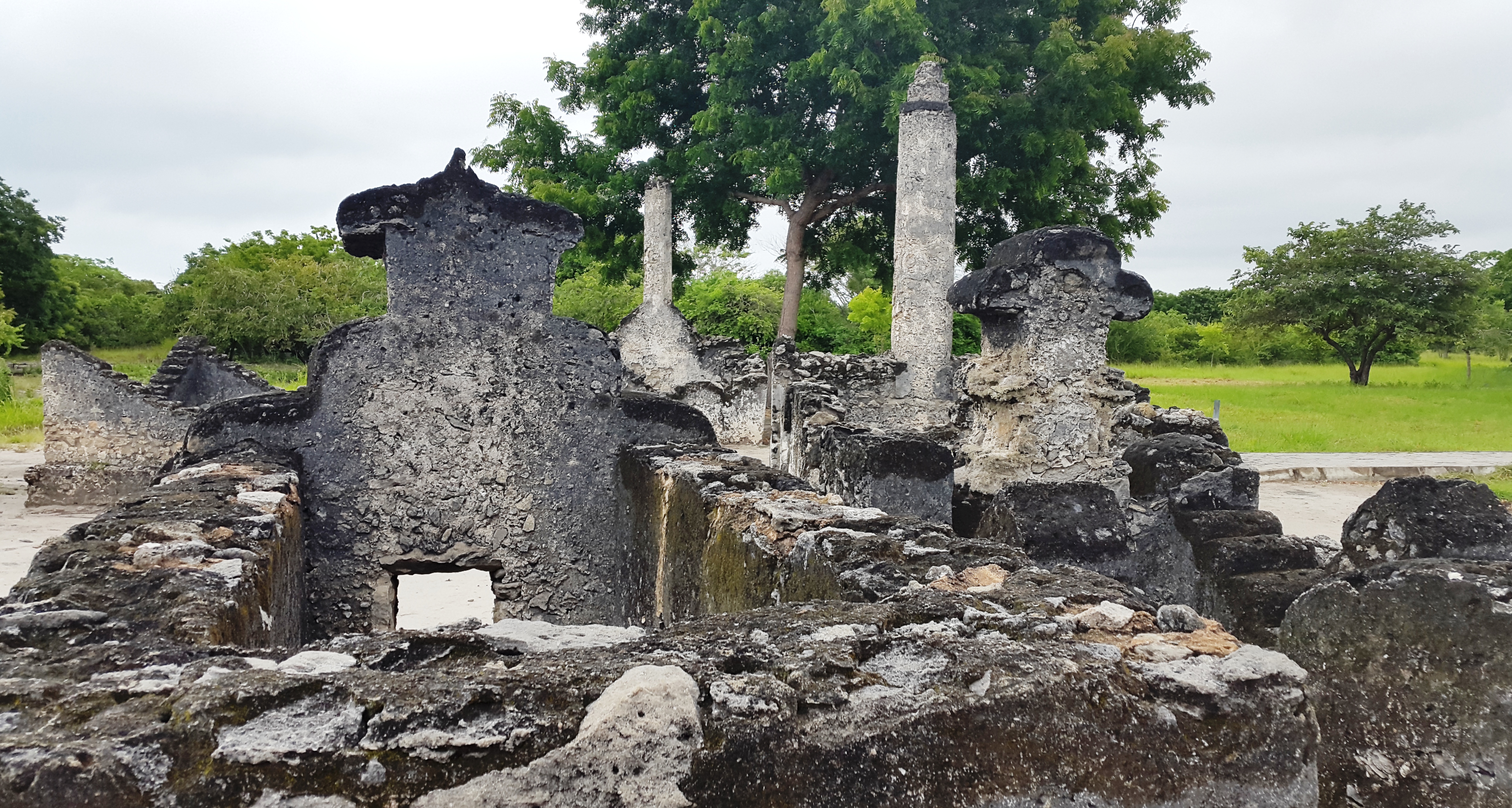
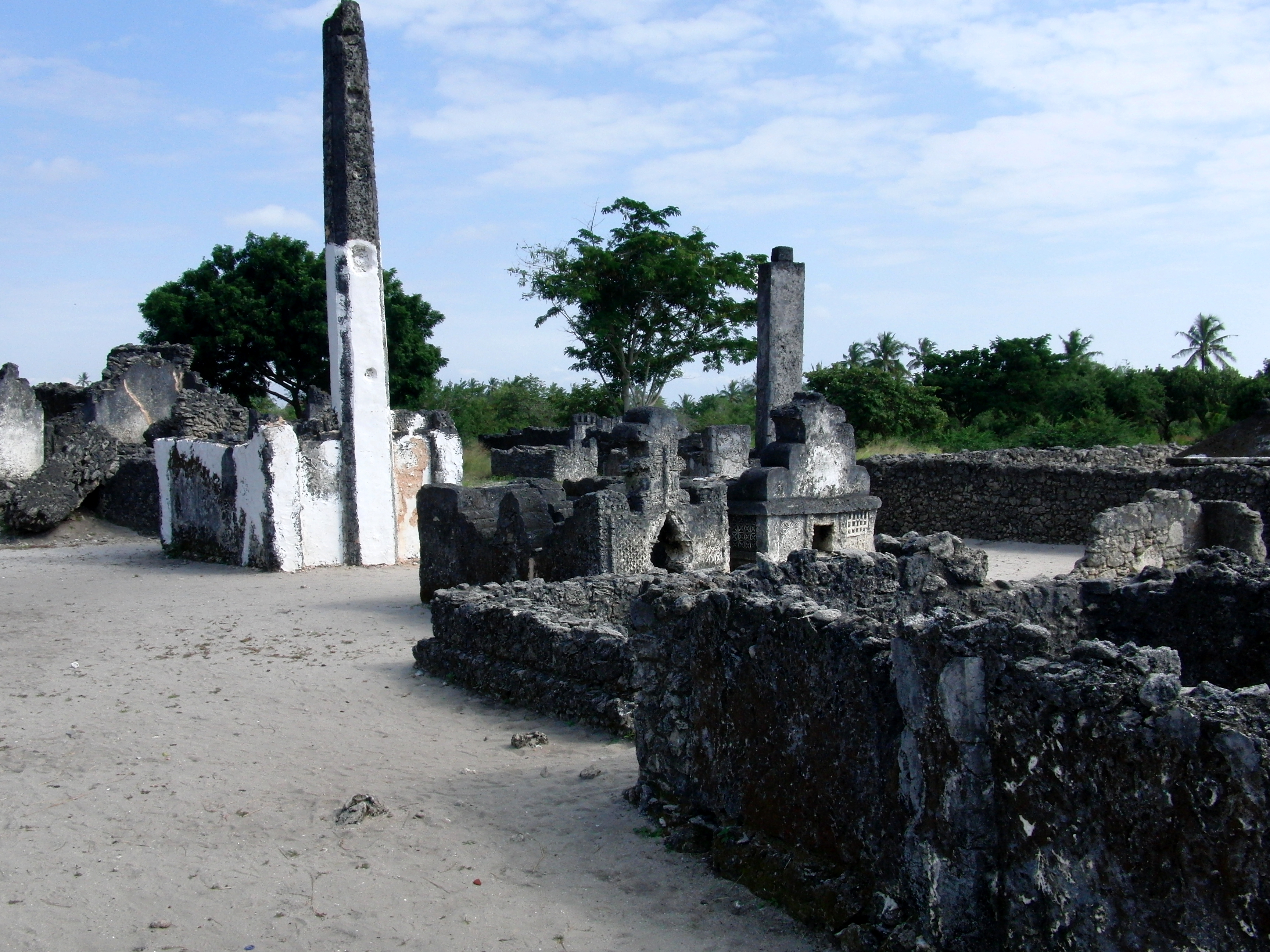
Kaole, a national historic site on the Indian Ocean coast of Tanzania, provides a glimpse into the Swahili culture and trade networks from the Late Post-Classical Period. The site, originally settled in the 8th century CE, showcases the region's historical significance as a trading hub with the presence of Swahili coral stone ruins. Notably, the ruins include two mosques and around 30 tombs dating from the 13th to 16th centuries CE, reflecting the cultural and religious practices of the time. The tombs, built from coral stones with distinctive stone pillars, are believed to be the burial sites of local rulers known as 'diwanis'. The discovery of Chinese artifacts within the ruins suggests ancient commercial connections, highlighting Kaole's role in the broader Indian Ocean trade network.
Gallery
Explore photographs of ancient structures, artifacts, and archaeological excavations
Historical Timeline
Journey through time and discover key events in this site's history
Settlement of Kaole
8th century CE
Construction of Mosques and Tombs
13th century CE
Archaeological Features
Unique architectural and cultural elements found at this historical site
Burial and Funerary Structures
Religious and Ritual Structures
Domestic and Habitation Structures
Frequently Asked Questions
Plan Your Visit
Tours, travel arrangements, and practical information
More Sites in Tanzania
Muhembo
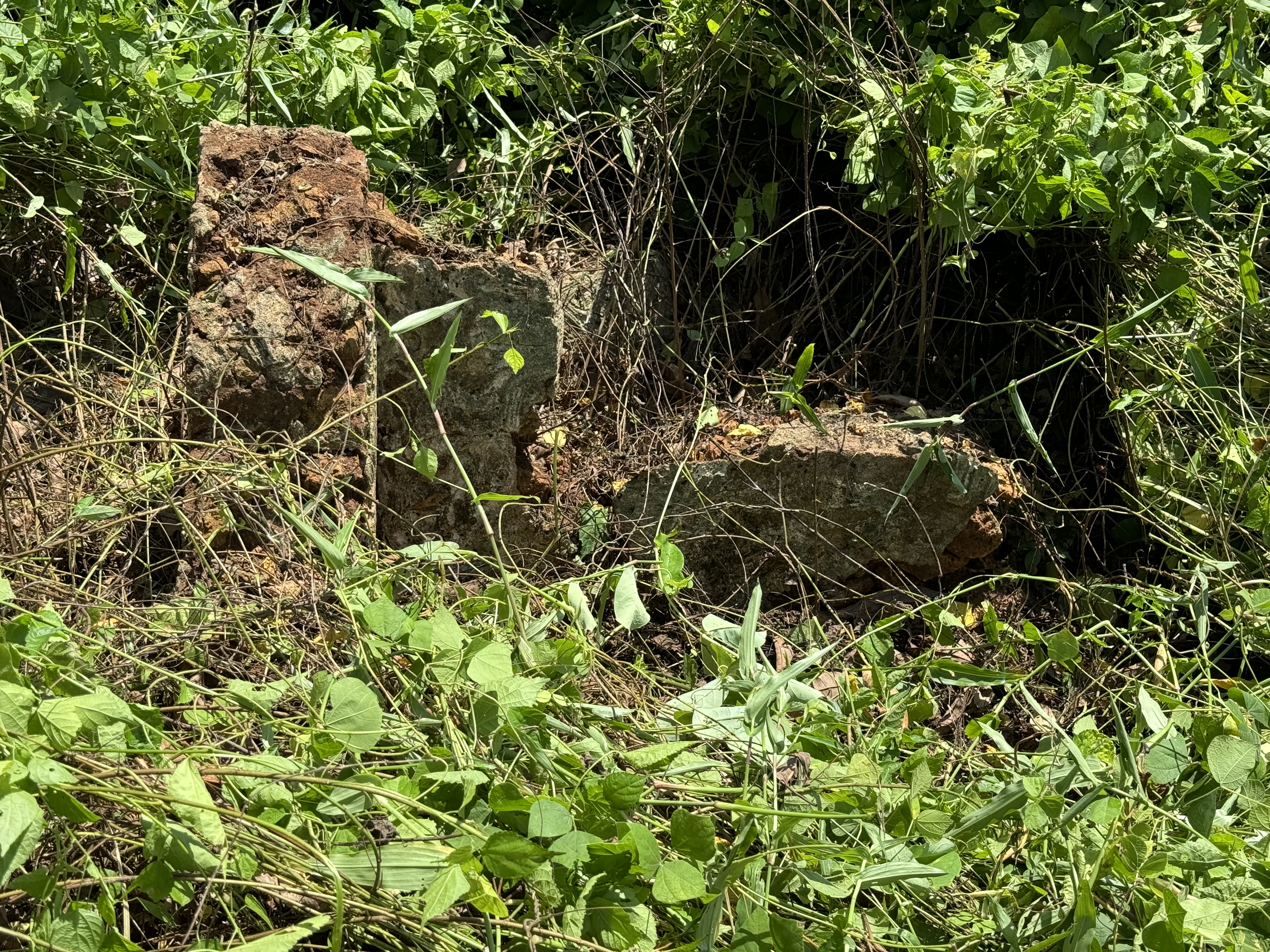
Unexcavated Swahili ruins with mosque and tombs
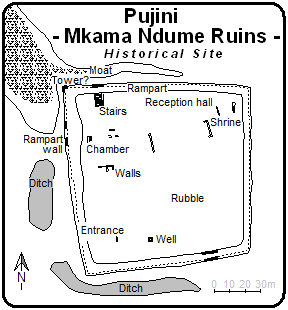
Mkama Ndume
Medieval Swahili palace ruins with fortifications.

Tanga Island
Uninhabited island with medieval ruins
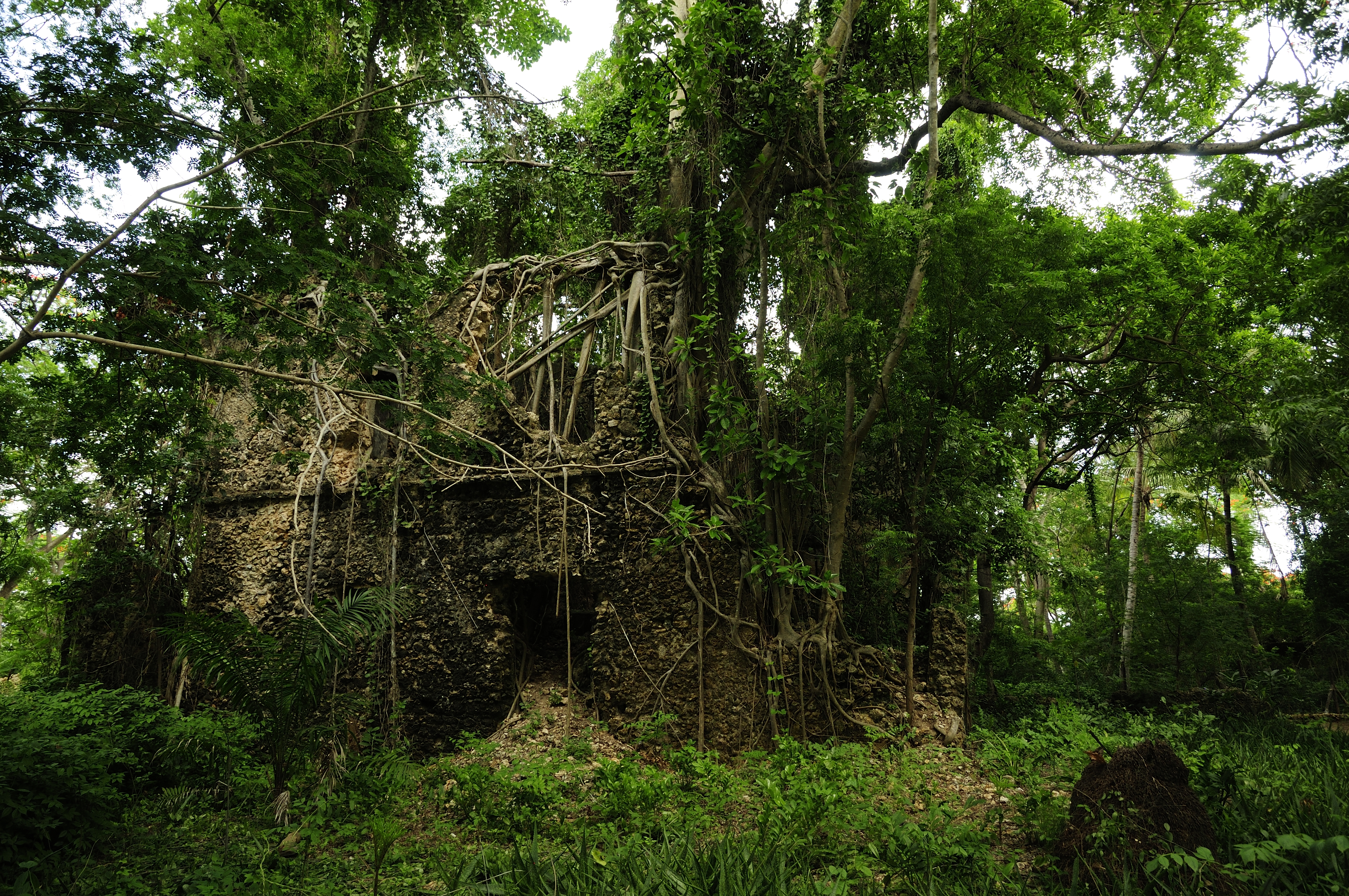
Kua Ruins
Medieval Swahili settlement with coral-stone structures
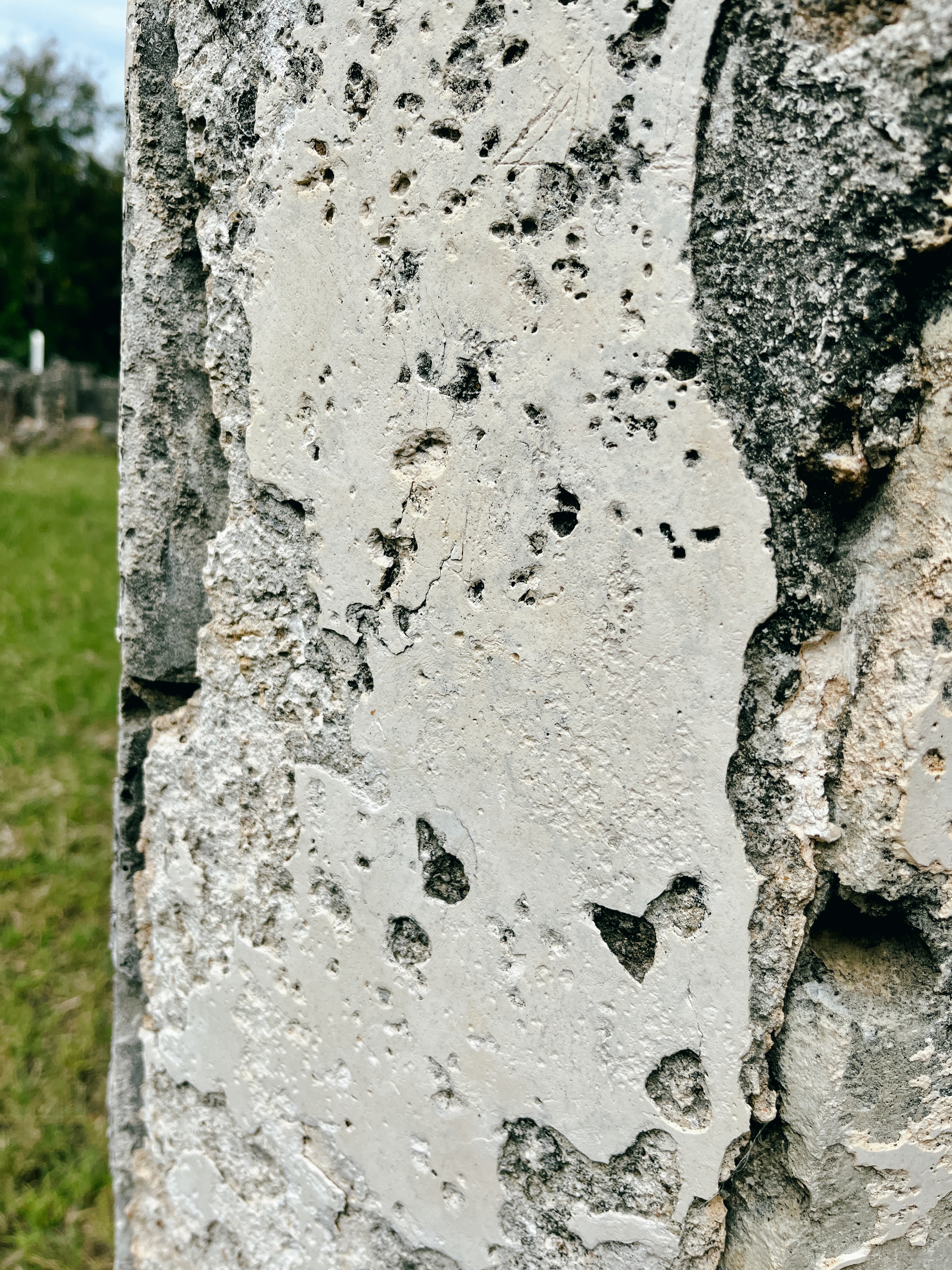
Tongoni Ruins
15th-century Swahili ruins with mosque and tombs.
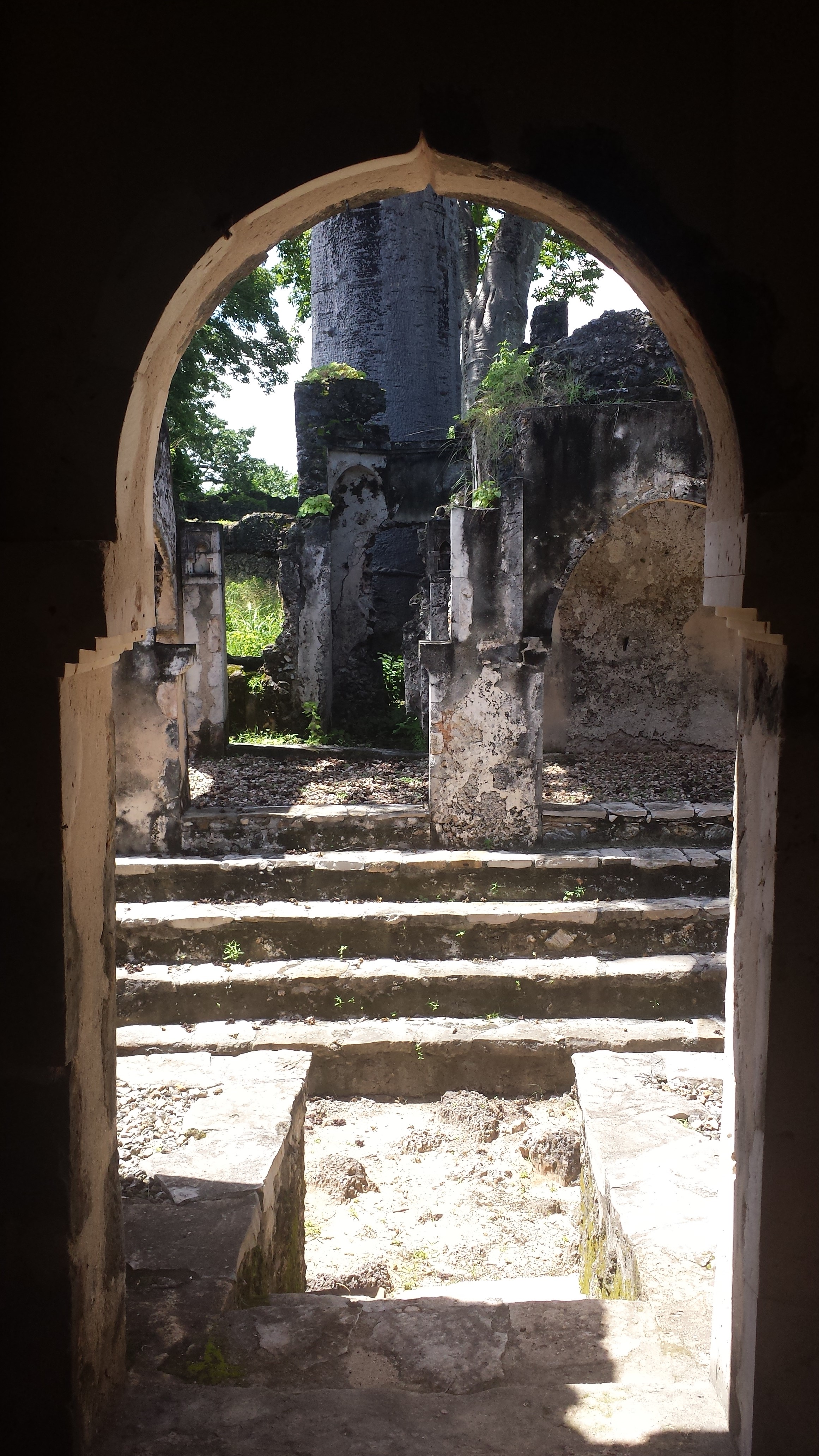
Songo Mnara
Medieval Swahili stone town on island