
Explore the Map
Olduvai Gorge
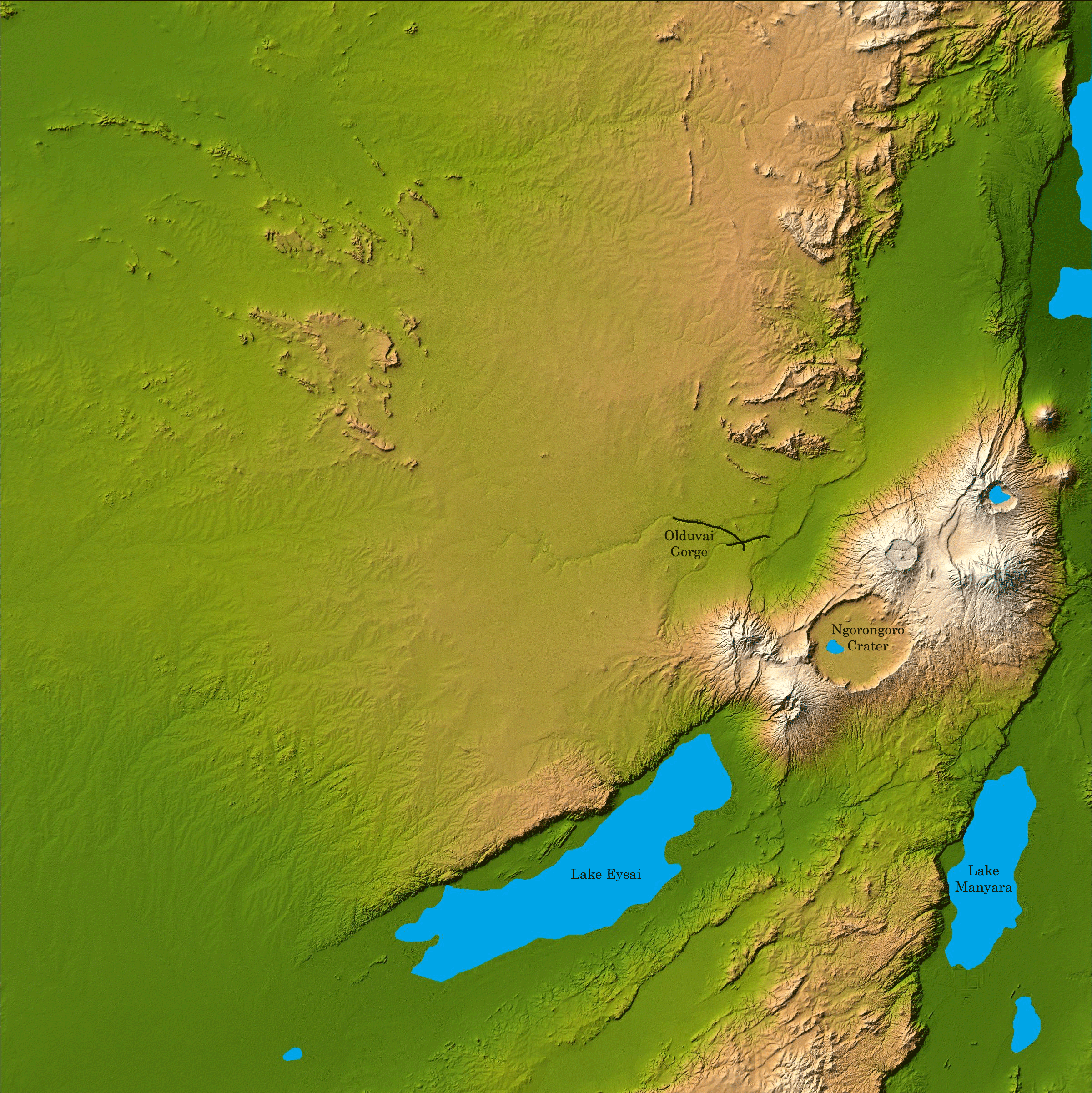
-2.9936° N, 35.3511° E
About
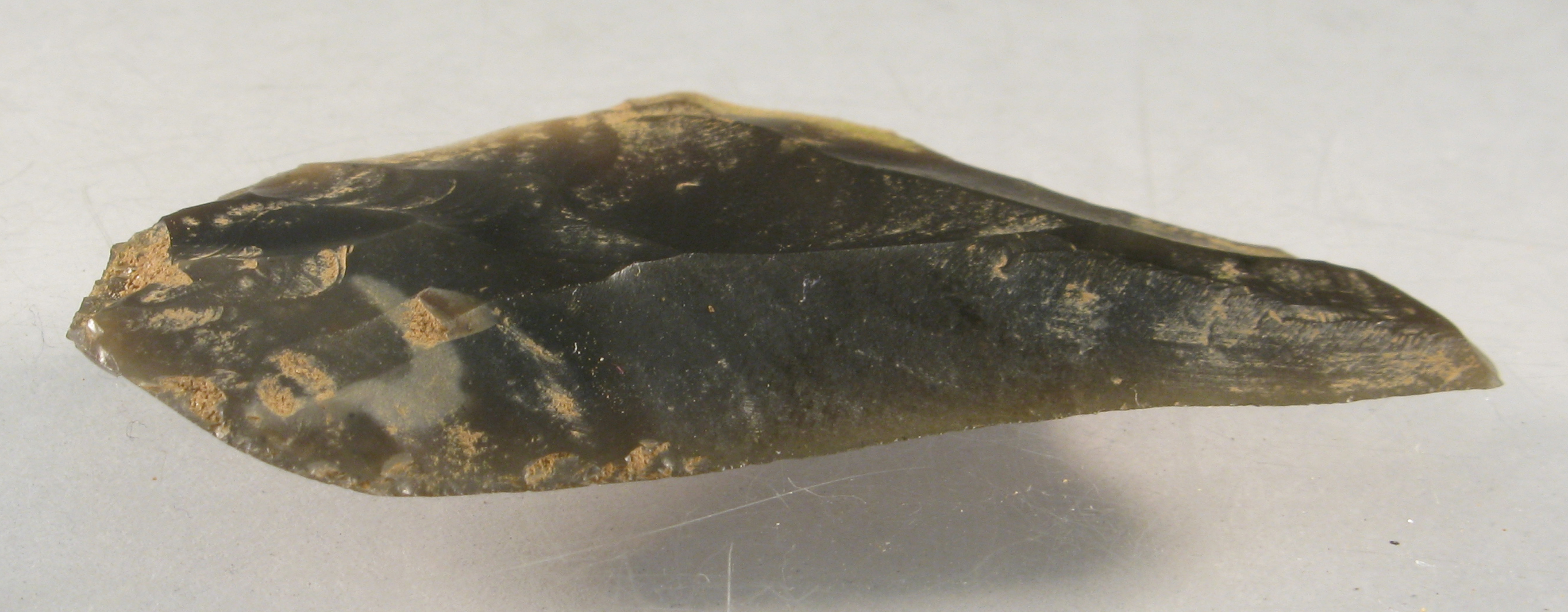
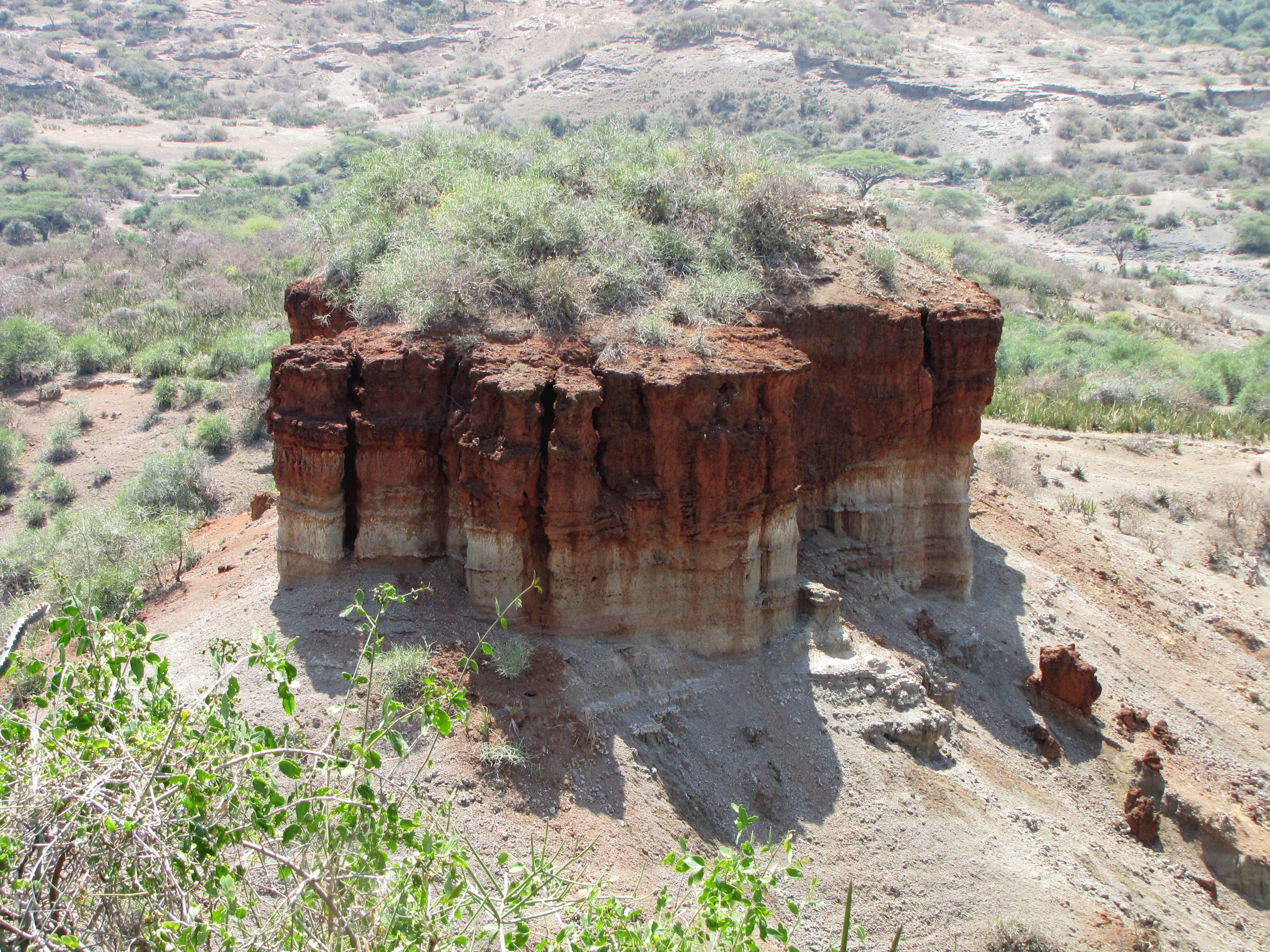
Olduvai Gorge, located in Tanzania, is a crucial paleoanthropological site that has significantly contributed to our understanding of early human evolution. This steep-sided ravine in the Great Rift Valley has revealed a wealth of fossils, particularly of early hominins such as Homo habilis, Paranthropus boisei, and Homo erectus, dating back to 1.9 million years ago. The site is also notable for the discovery of the oldest known stone tools, categorized as Oldowan, which provide insight into the cognitive and social development of early humans. The gorge's rich stratigraphy, with layers ranging from the Lower Pleistocene, has preserved a diverse array of faunal remains and evidence of early human activity, underscoring its significance in the study of human ancestry.
Gallery
Explore photographs of ancient structures, artifacts, and archaeological excavations
Historical Timeline
Journey through time and discover key events in this site's history
Homo erectus occupation
1.2 million years ago
Homo habilis occupation
1.9 million years ago
Paranthropus boisei occupation
1.8 million years ago
Homo sapiens occupation
17,000 years ago
Archaeological Features
Unique architectural and cultural elements found at this historical site
Industrial and Craft Structures
Environmental and Natural Features
Frequently Asked Questions
Plan Your Visit
Tours, travel arrangements, and practical information
More Sites in Tanzania
Kondoa Rock-Art Sites
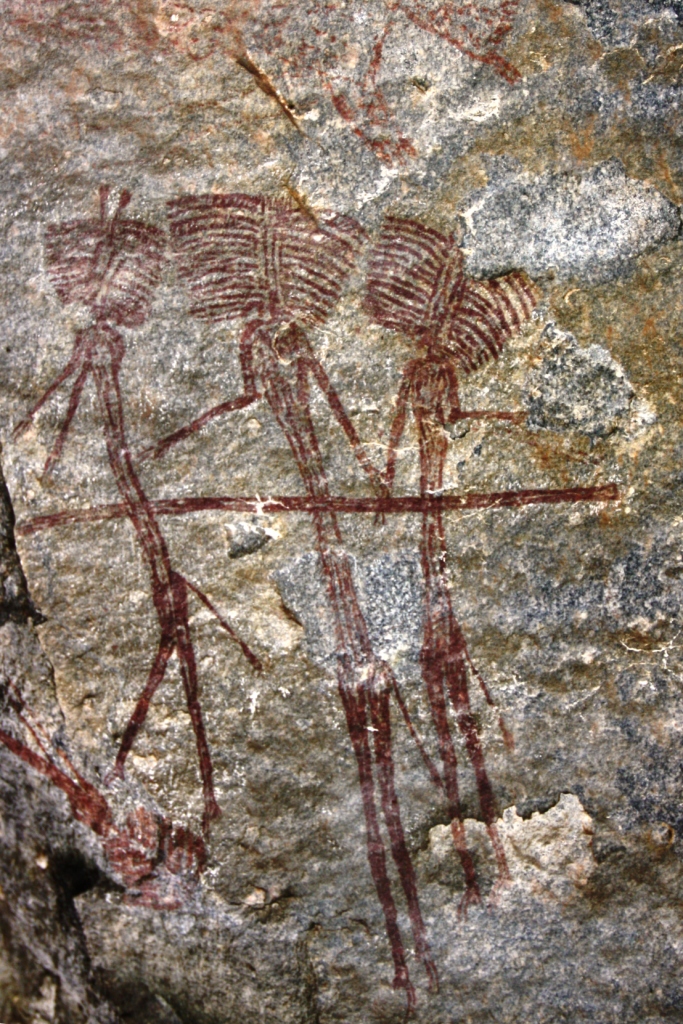
Ancient rock paintings in Tanzania shelters.
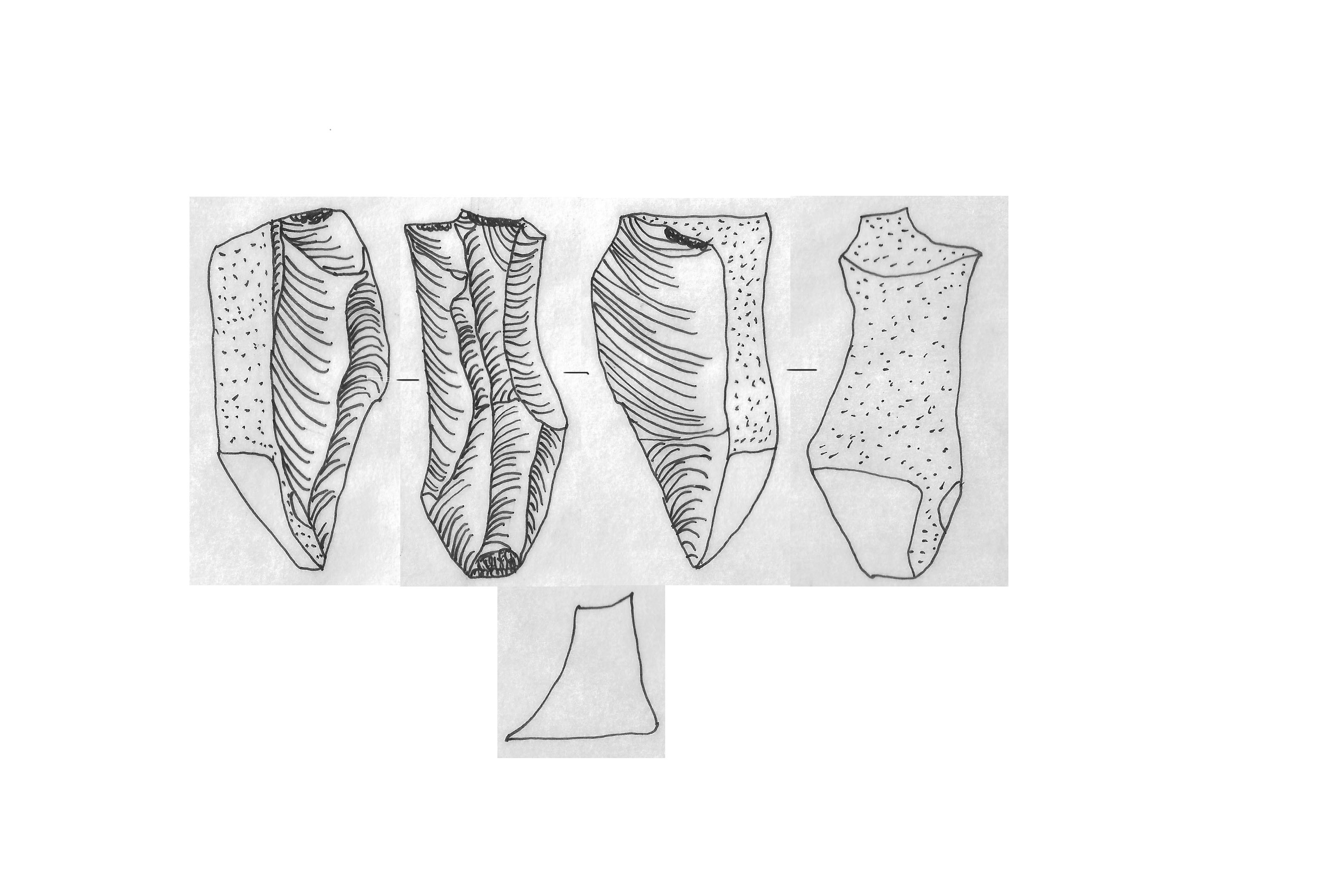
Mumba Cave
Transitional Middle to Late Stone Age cave
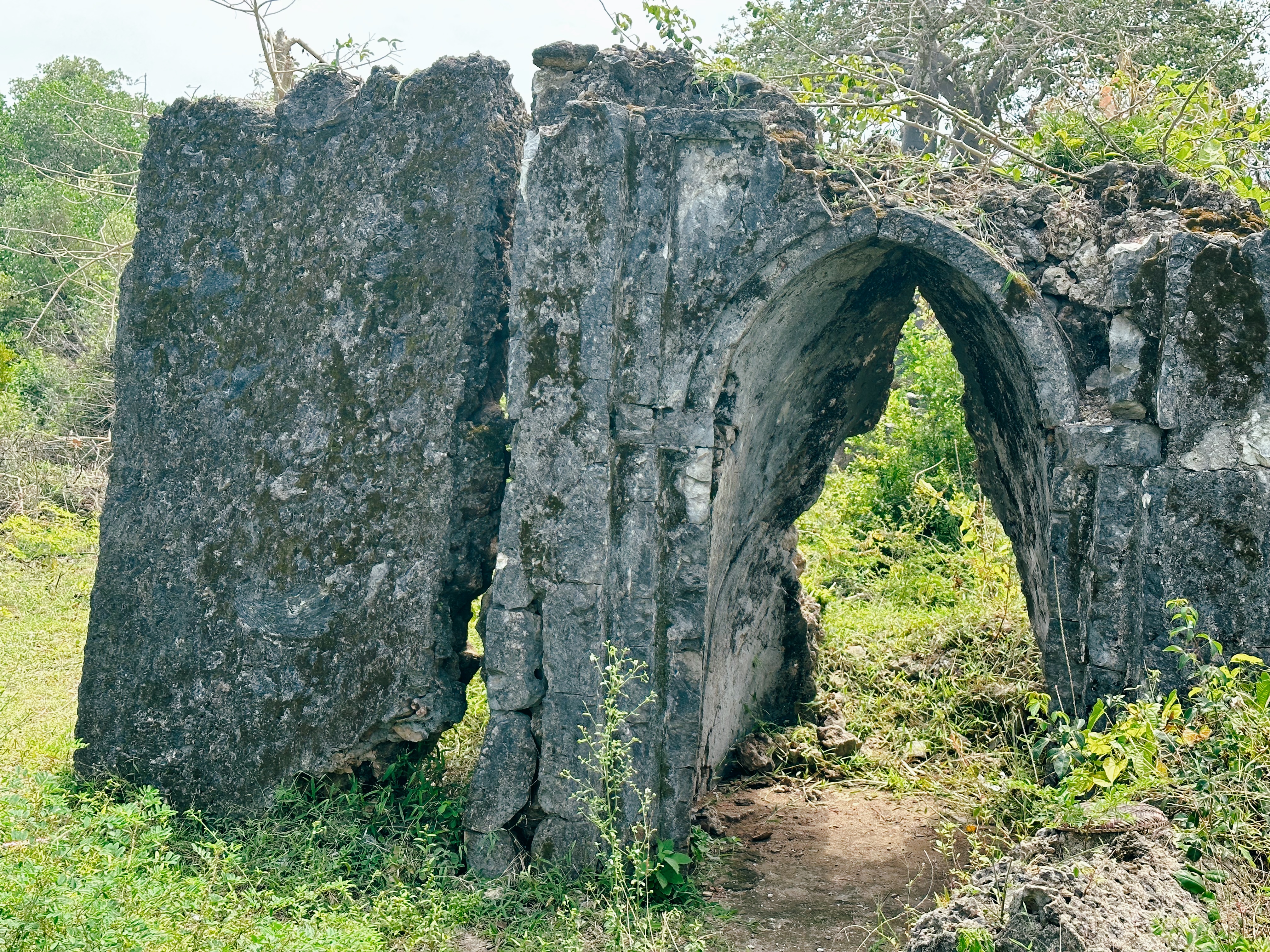
Mbutu Bandarini
Medieval Swahili ruins with mosque and artifacts
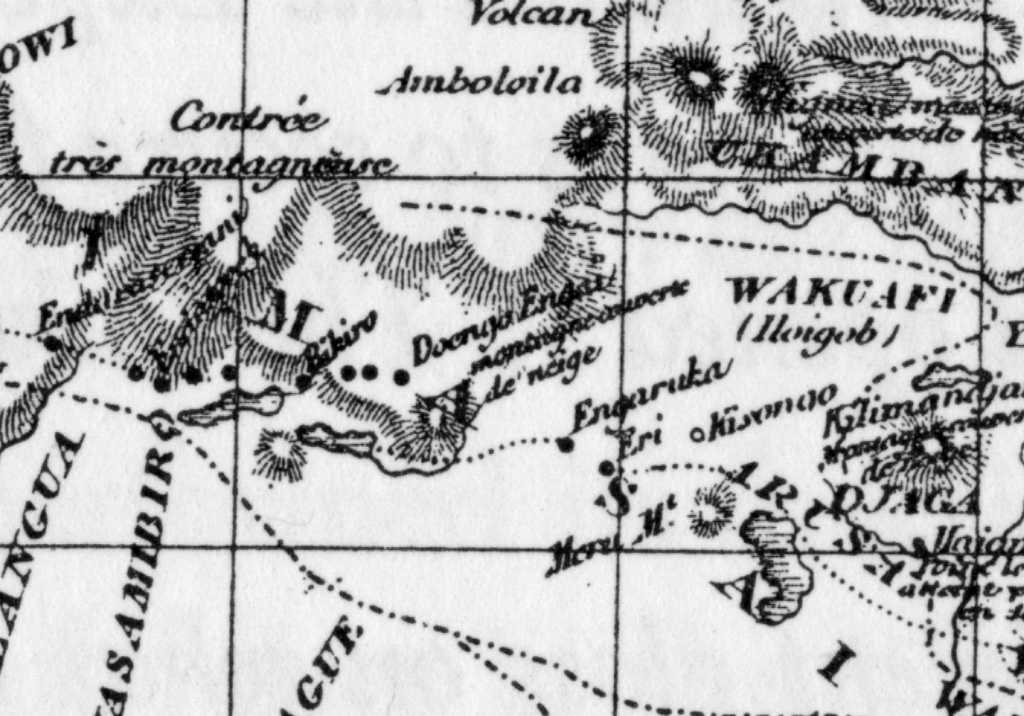
Engaruka
Iron Age irrigation ruins in northern Tanzania
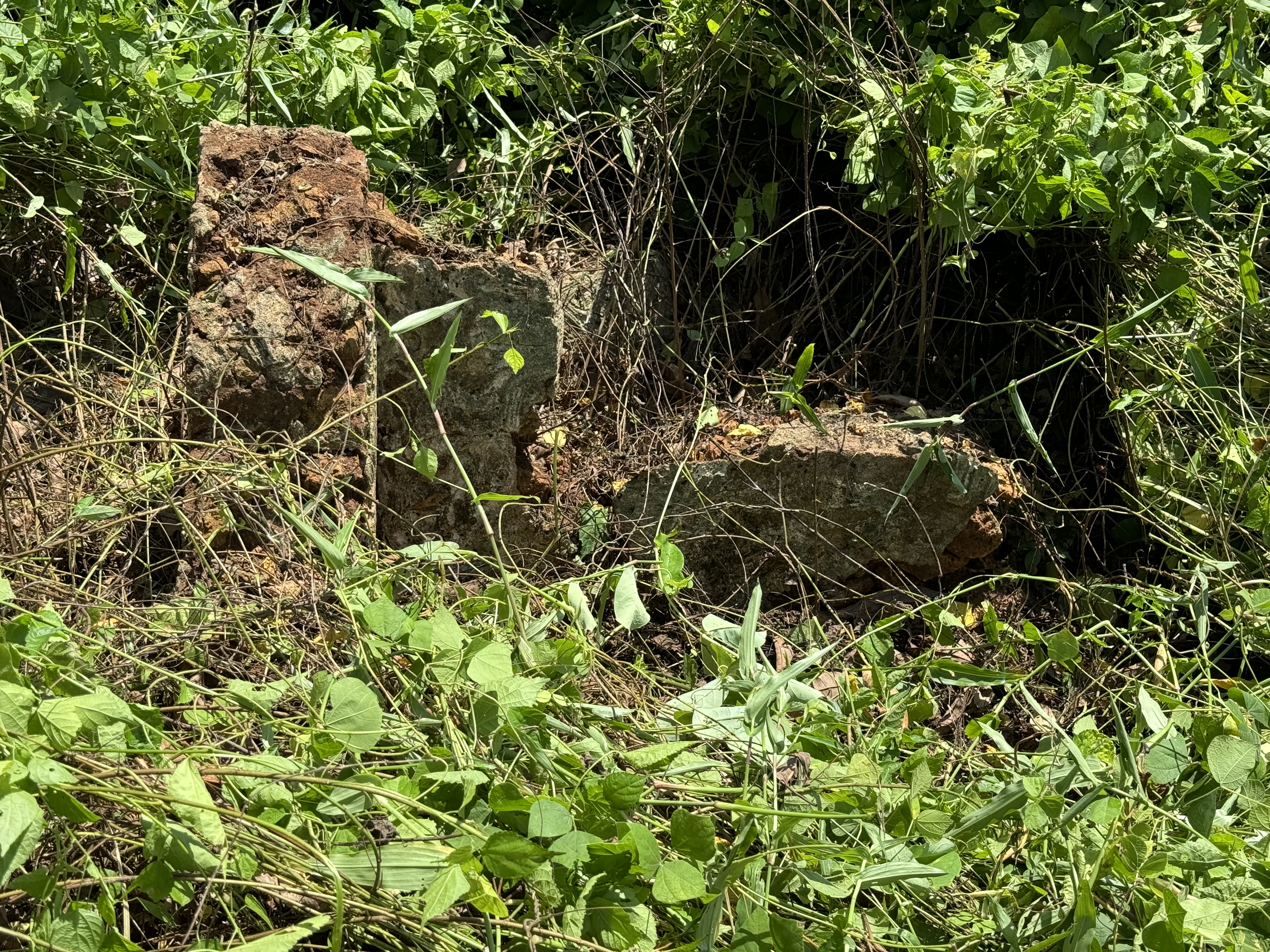
Muhembo
Unexcavated Swahili ruins with mosque and tombs
Yambe Island
Unexcavated medieval Swahili ruins on island.