Explore the Map
Ban Non Wat
15.2744° N, 102.2689° E
About
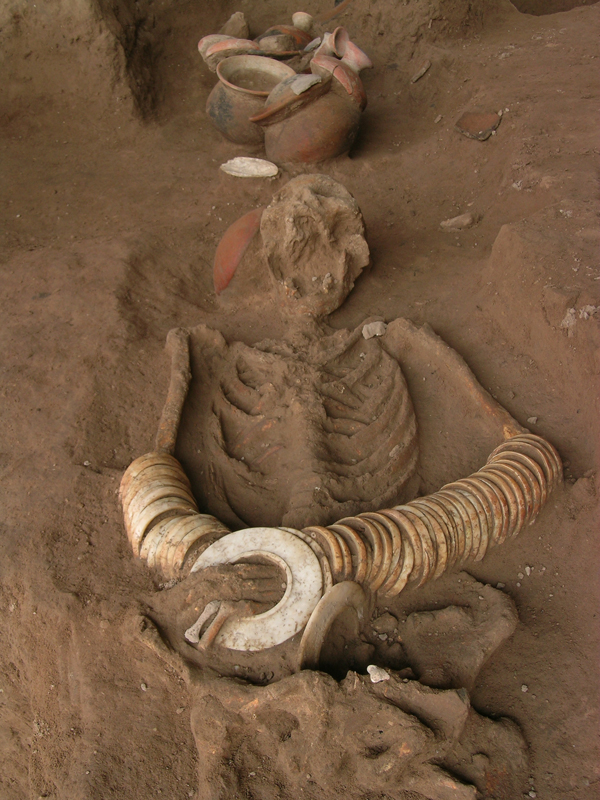
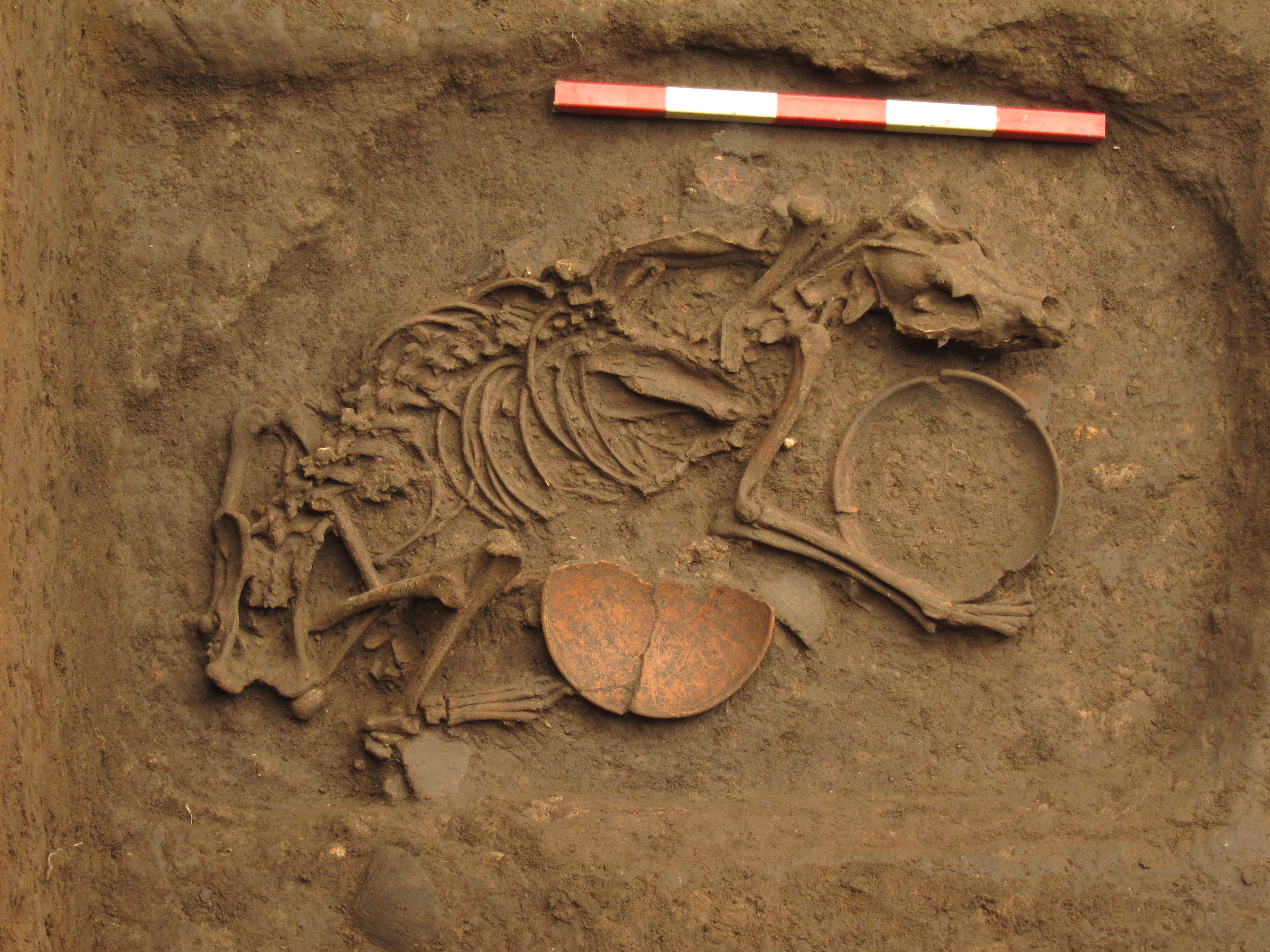
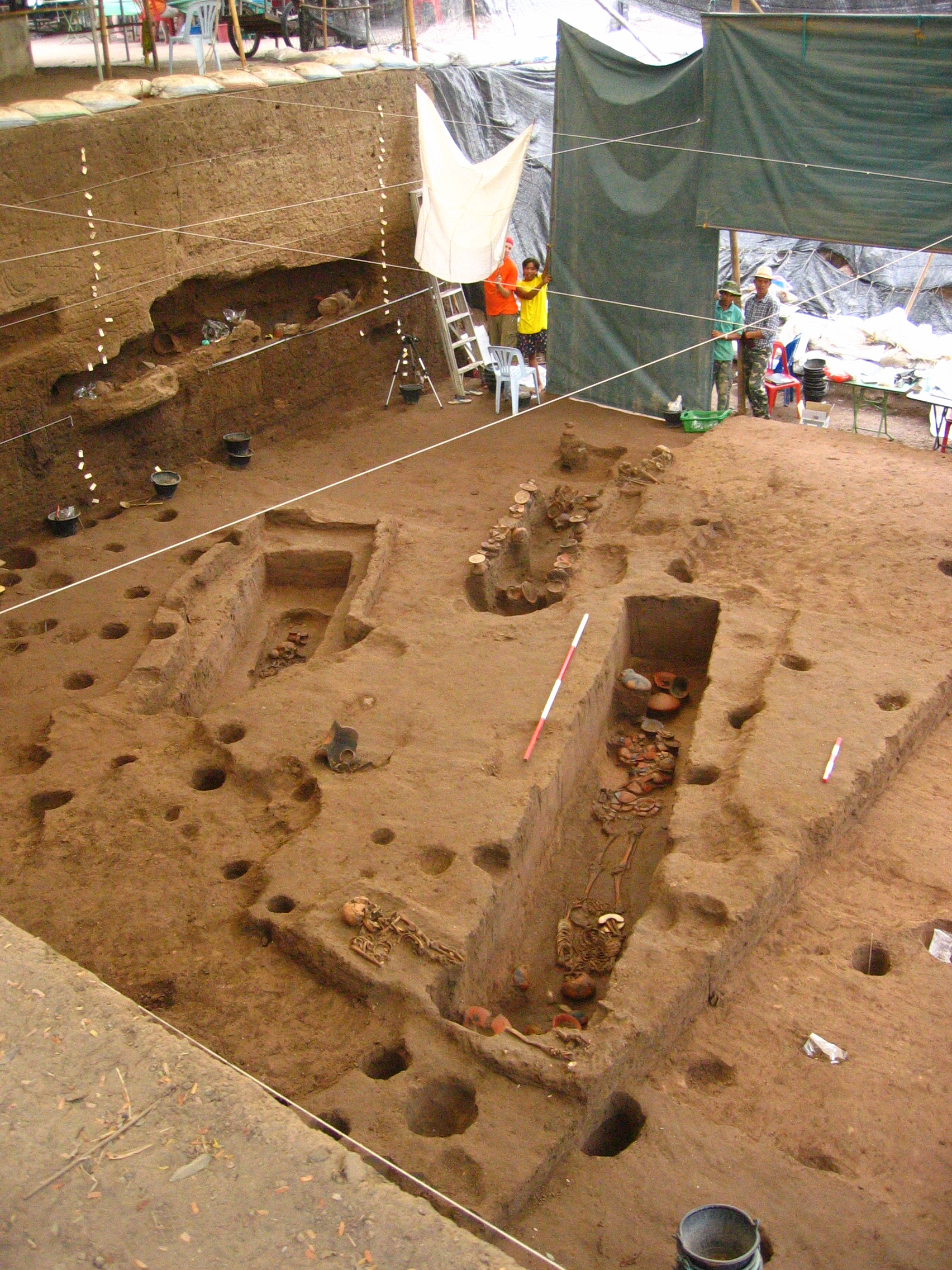
Ban Non Wat, located in the Non Sung district of Thailand, is an archaeologically significant site with a long sequence of human occupation spanning the Neolithic, Bronze, and Iron Ages. The site features an extensive collection of over 640 prehistoric burials, revealing significant cultural transitions. The Neolithic period saw early settlements by rice farmers and the domestication of chickens. The Bronze Age is marked by five distinct phases, characterized by the emergence of copper base metallurgy and increasingly rich burial goods, including shell ornaments and copper axes. The Iron Age introduced exotic materials and defensive structures, such as moats. The site provides invaluable insights into prehistoric life and the evolution of complex societies in Southeast Asia.
Gallery
Explore photographs of ancient structures, artifacts, and archaeological excavations
Historical Timeline
Journey through time and discover key events in this site's history
Initial Neolithic Settlement
1700 BCE
Domestication of Chicken
1650 BCE - 1250 BCE
Bronze Age Begins
1050 BCE
Iron Age Transition
420 BCE
Archaeological Features
Unique architectural and cultural elements found at this historical site
Defensive Structures
Animal Husbandry Features
Burial and Funerary Structures
Industrial and Craft Structures
Plan Your Visit
Tours, travel arrangements, and practical information
More Sites in Thailand
Tham Lod rockshelter
Prehistoric cemetery and tool workshop site
Lang Rongrien Rock Shelter
Hoabinhian rock shelter in southern Thailand
Wat Phrachao Ong Dam
Ruined Buddhist temple in Chiang Mai region, Thailand
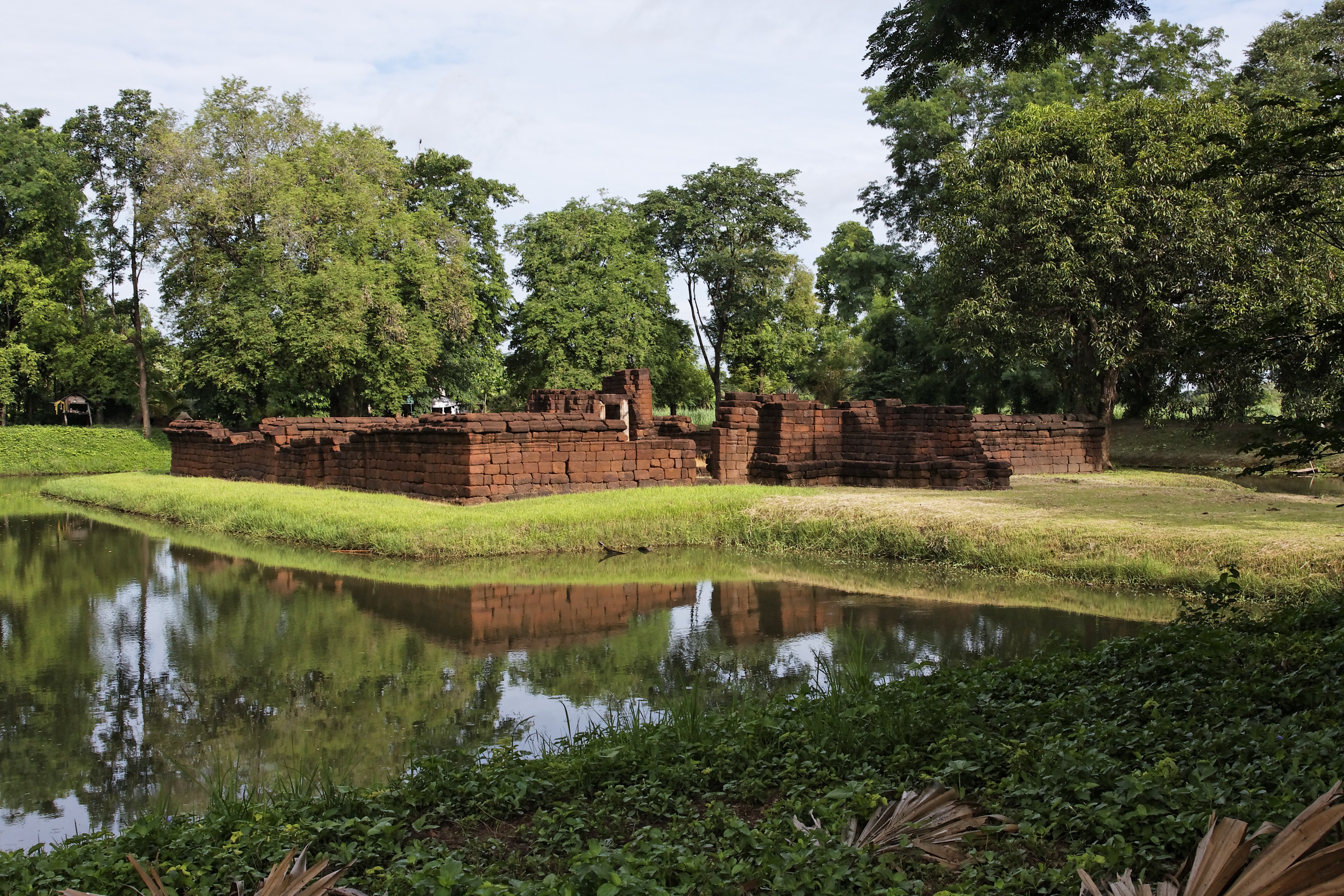
Prasat Ban Thanon Hak
11th-century Khmer Hindu temple ruins
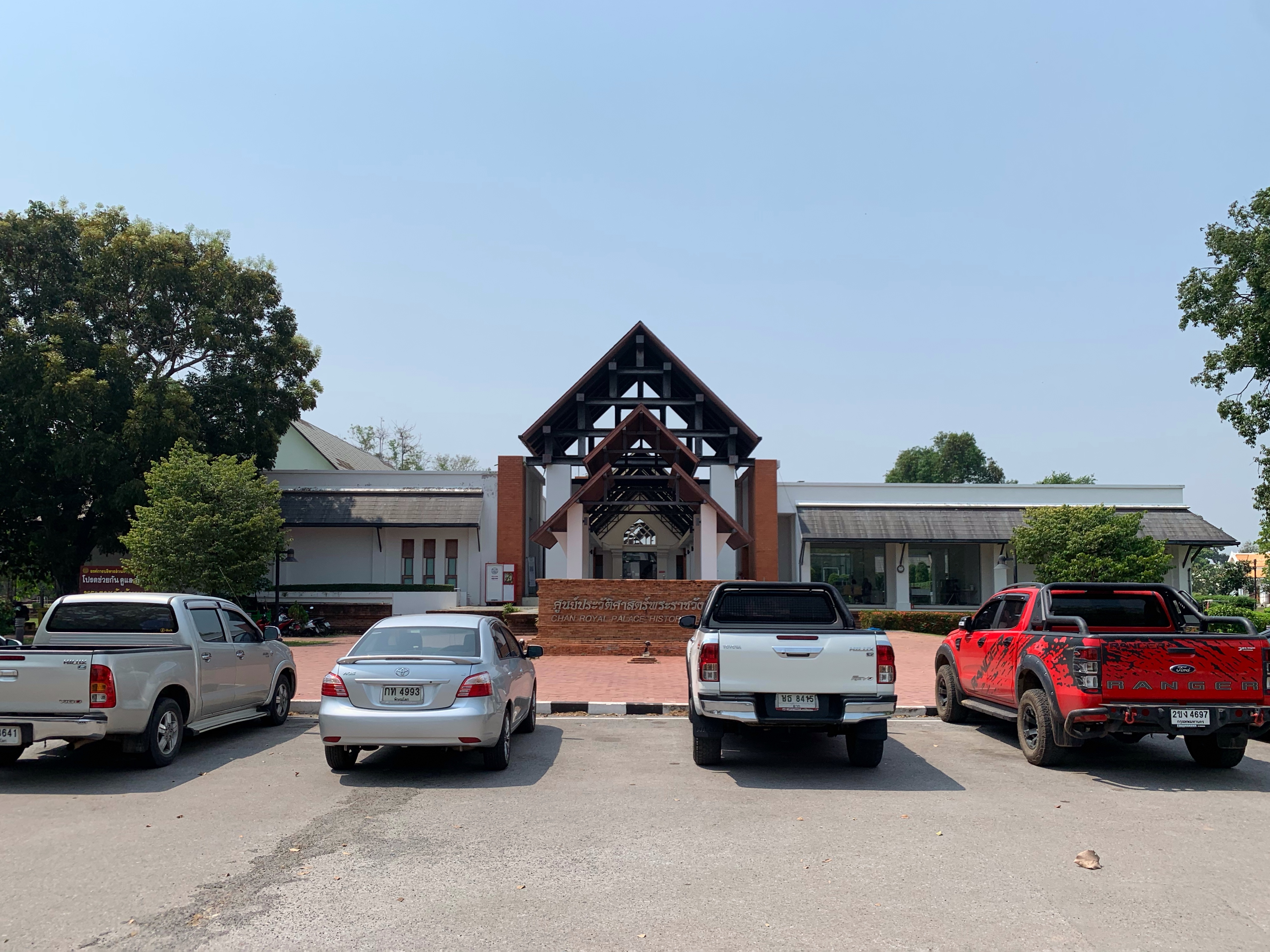
Chan Royal Palace
Ruins of Chan Palace and temples
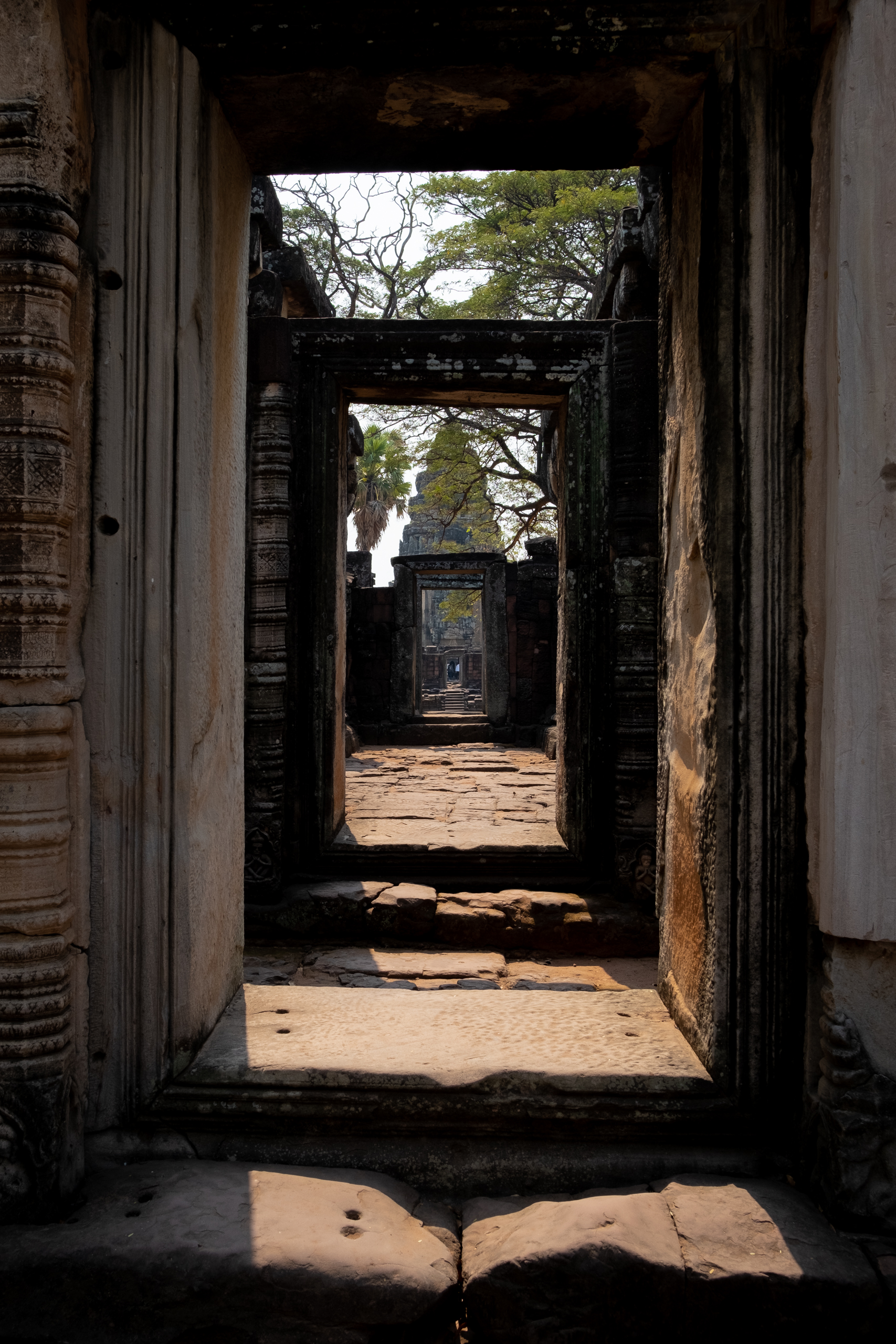
Phimai Historical Park
Ancient Khmer-Hindu temple with Buddhist influences