
Explore the Map
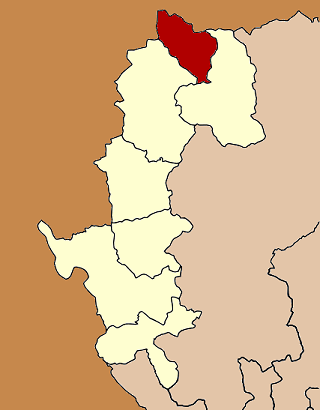
Spirit Cave (Thailand)
19.5678° N, 98.2811° E
About
Spirit Cave, located in the Pang Mapha district of Mae Hong Son Province in northwestern Thailand, is a significant archaeological site associated with the Hoabinhian culture. Dating from approximately 12,000 to 7,000 BCE, the site provides evidence of human occupation during the Upper Paleolithic to the early Neolithic periods. Chester Gorman's excavations in the 1960s revealed a variety of lithic artifacts and plant remains indicative of early subsistence strategies. Despite claims of early agriculture, the site's plant specimens do not differ significantly from their wild counterparts, suggesting sophisticated foraging rather than cultivation. The presence of pottery sherds dating to the Late Neolithic-Bronze Age further complicates the site's chronology. Spirit Cave is invaluable for understanding early human adaptation and subsistence practices in Southeast Asia.
Gallery
Explore photographs of ancient structures, artifacts, and archaeological excavations
Historical Timeline
Journey through time and discover key events in this site's history
Hoabinhian Culture Occupation
12,000 BCE
Plant Usage Evidence
9,800 BCE
Late Neolithic-Bronze Ages Pottery
6,800 BCE
Archaeological Features
Unique architectural and cultural elements found at this historical site
Domestic and Habitation Structures
Environmental and Natural Features
Frequently Asked Questions
Plan Your Visit
Tours, travel arrangements, and practical information
More Sites in Thailand
Tham Lod rockshelter
Prehistoric cemetery and tool workshop site
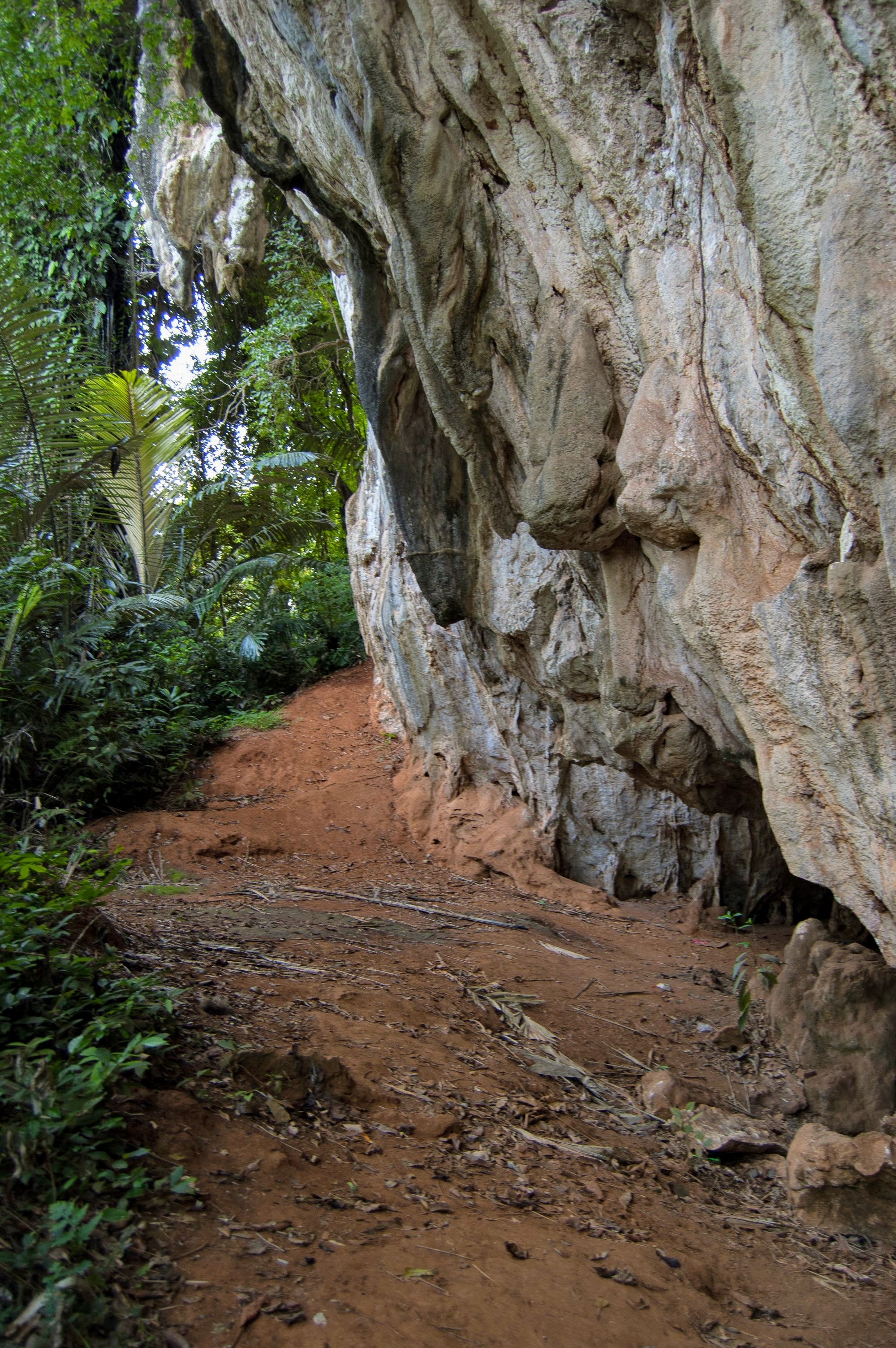
Lang Rongrien Rock Shelter
Hoabinhian rock shelter in southern Thailand
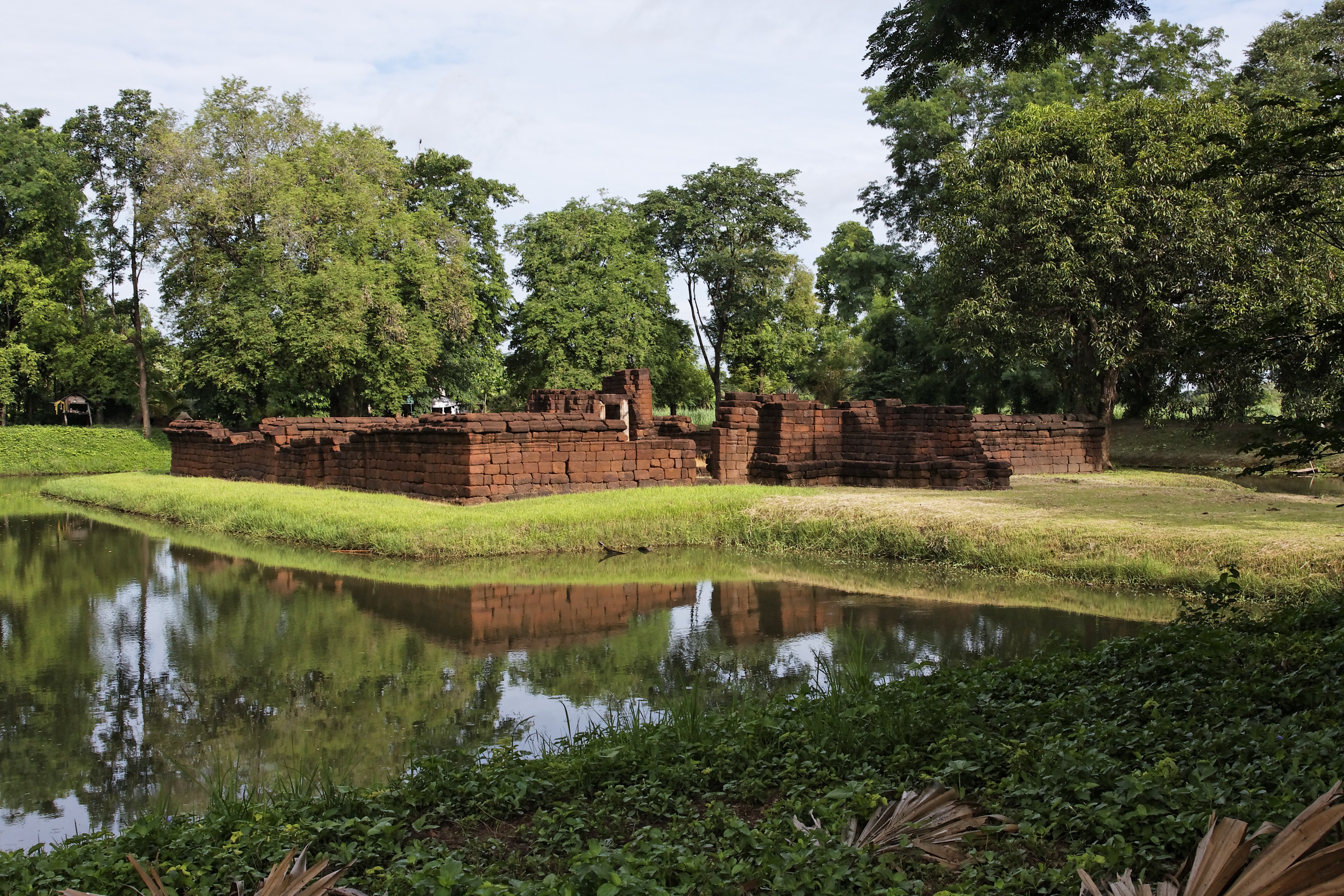
Prasat Ban Thanon Hak
11th-century Khmer Hindu temple ruins
Mueang Sing Historical Park
Khmer temple complex in Kanchanaburi, 13th–14th century
Wat Chang Kham
Wat Chang Kham (Thai: วัดช้างค้ำ; "Elephant-Propped Temple"), formerly known as Wat Kan Thom (Thai: วัดการโถม; "Kan Thom's Temple") after the name of
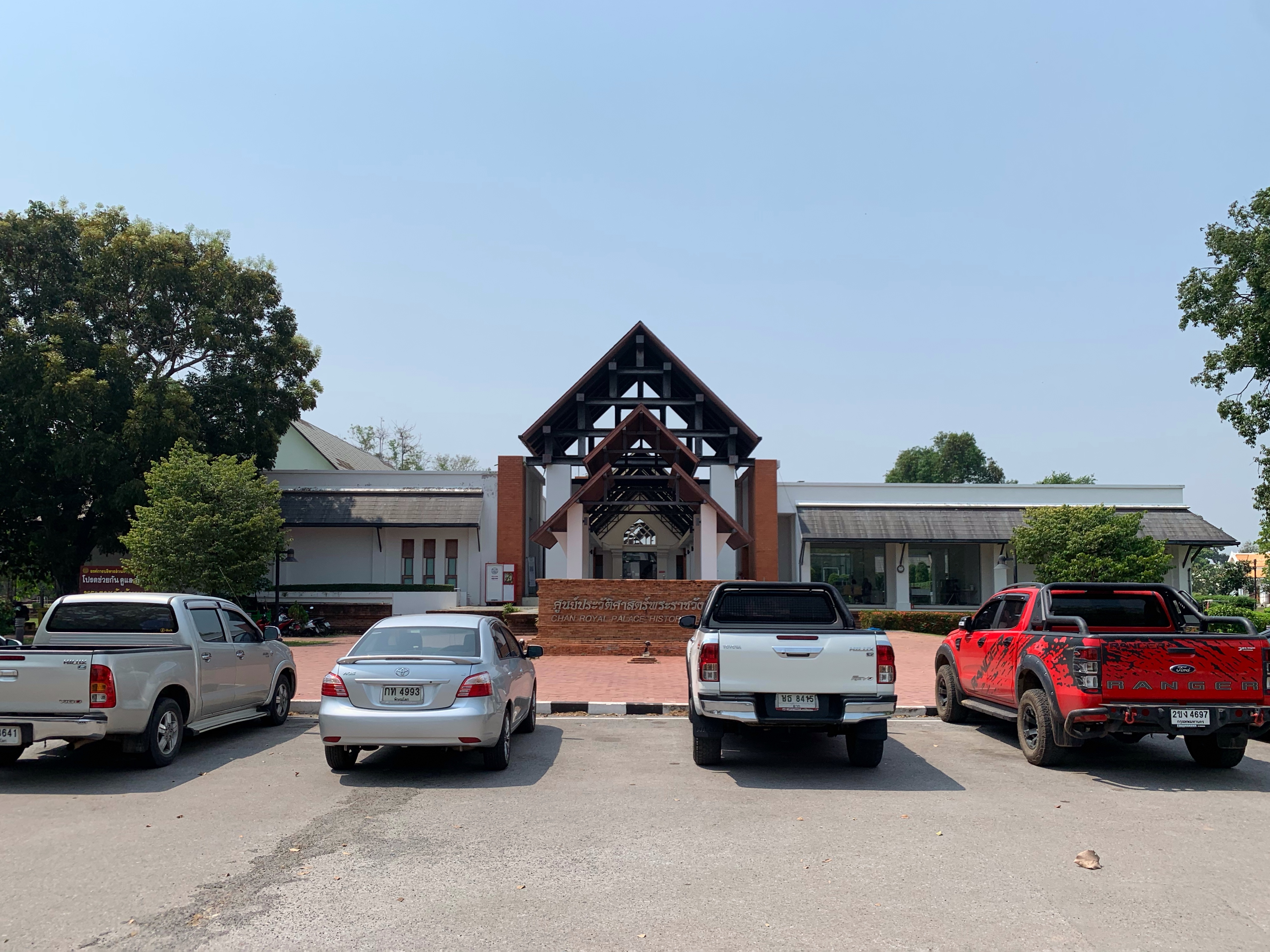
Chan Royal Palace
Ruins of Chan Palace and temples