Explore the Map
Wat I Khang
18.7499° N, 98.9994° E
About
Wat I Khang (Thai: วัดอีค่าง, pronounced [wát ʔīː kʰâːŋ]; lit. 'Langurs' Temple') is a ruined 16th or 17th century temple in the Wiang Kum Kam archaeological complex near modern Chiang Mai in northern Thailand. It is named after the former prevalence of wild old world monkeys at the site prior to its excavation and restoration, which are known as khang in Thai. Excavations between 1985 and 1986 uncovered a chedi behind a north-facing vihara oriented toward the Ping River. In 2003, further excavations discovered traces of a wall at the west of the site. Further excavations are planned. The primary architectural feature of the ruins is the large, mostly intact bell-shaped chedi on a high lotus-shaped base with torus molding. The base of the vihara is also preserved, including foundation stones for 16 pillars. The site was the first to prompt studies of ancient flooding in the area, a large scale instance of which is presumed to have occurred in the 17th century.
Plan Your Visit
Tours, travel arrangements, and practical information
More Sites in Thailand
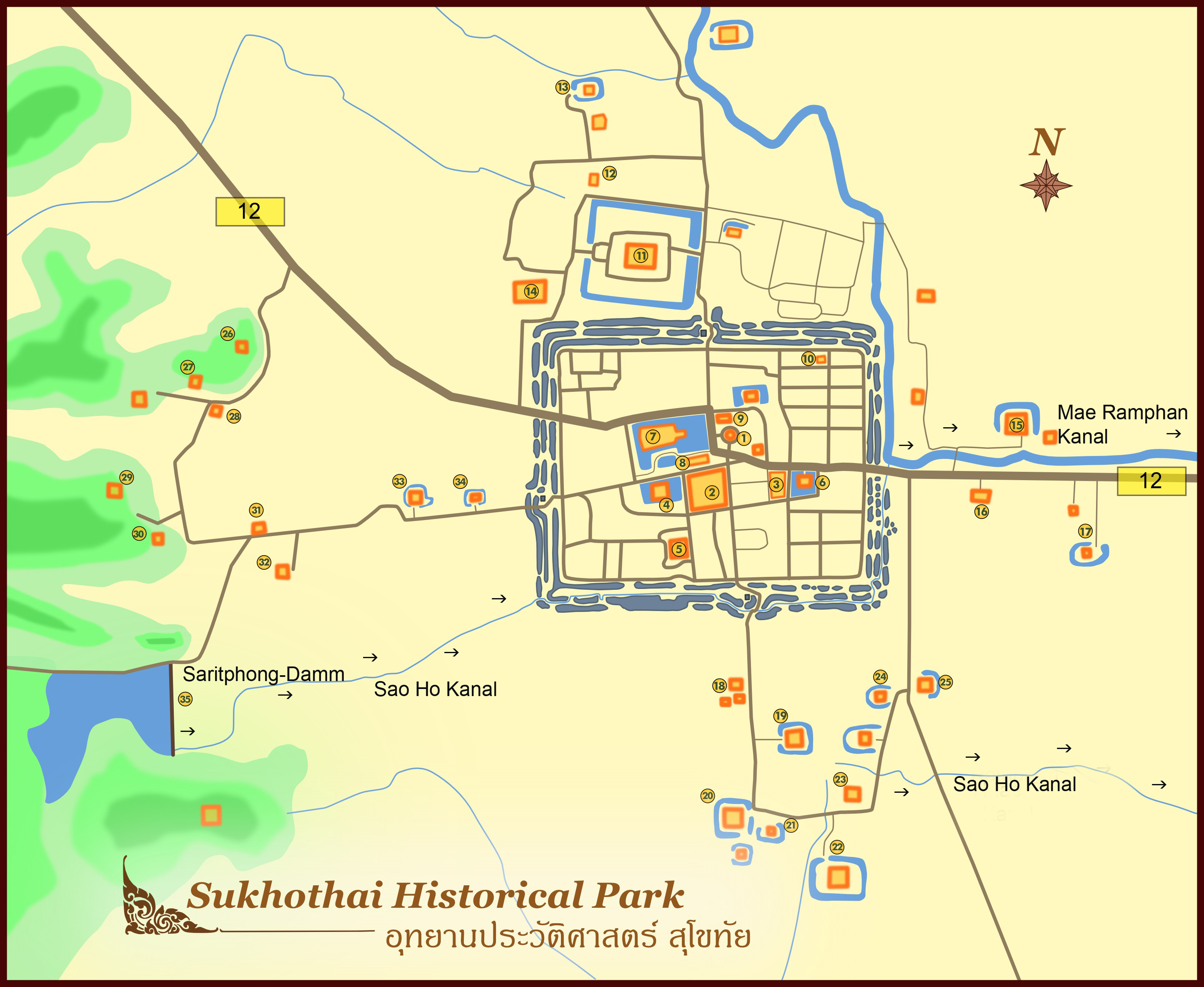
Saritphong Dam
14th-century dam in Sukhothai, Thailand.
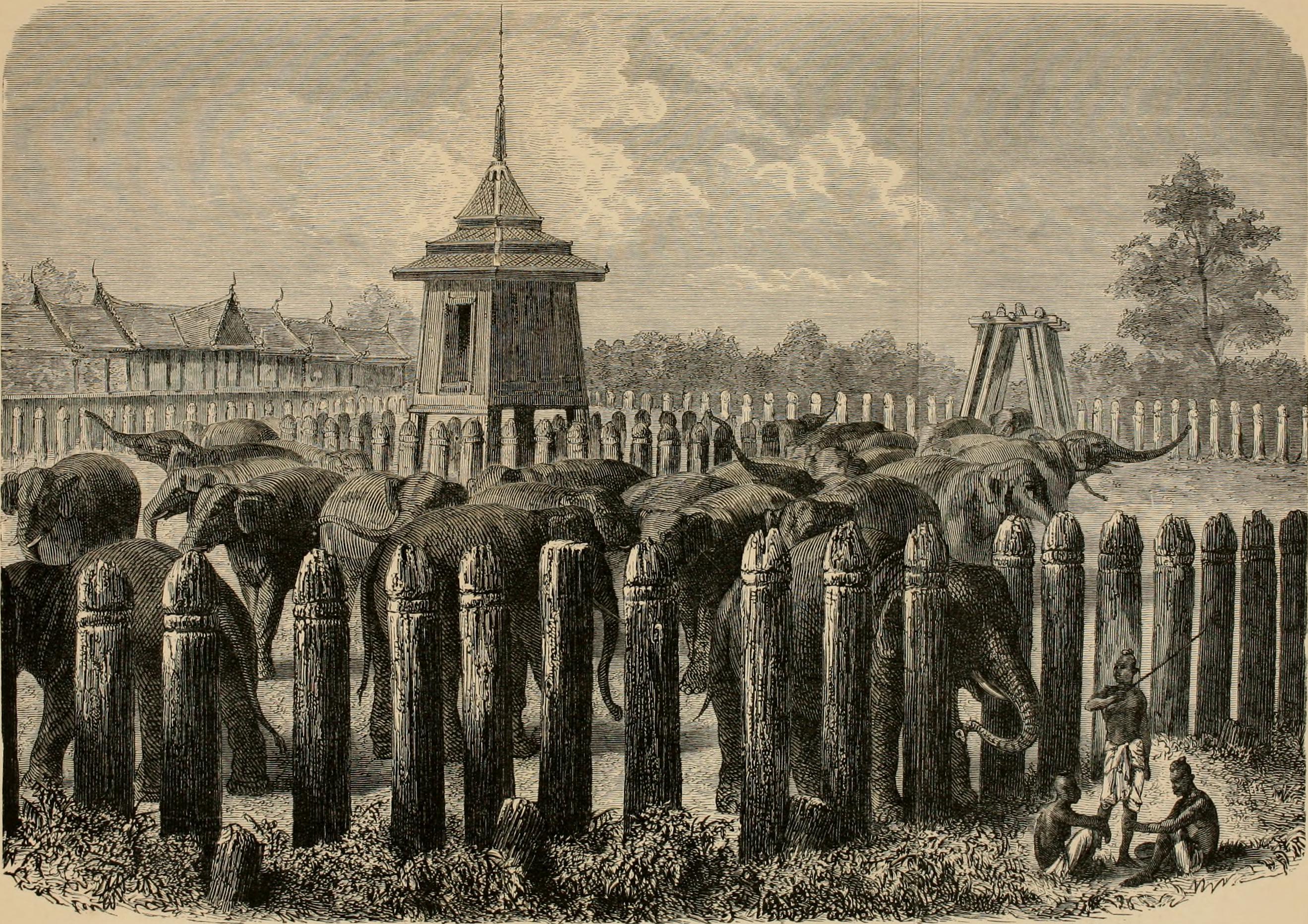
Elephant Kraal, Ayutthaya
Historic elephant corral with sacred features
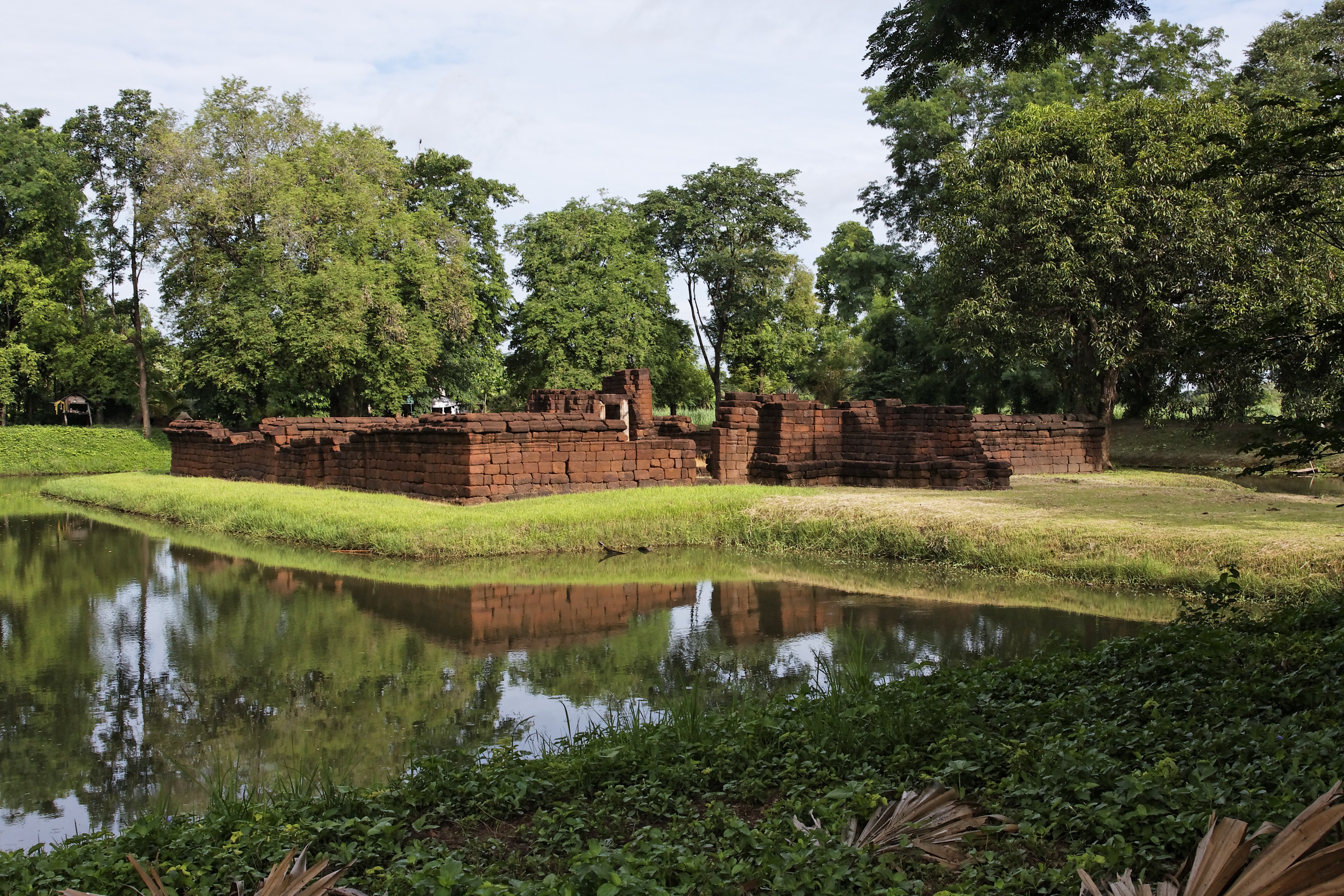
Prasat Ban Thanon Hak
11th-century Khmer Hindu temple ruins
Prasat Muang Tam
Khmer Hindu temple, late 10th–early 11th century, Thailand
Phra That Narai Cheng Weng
Khmer stupa in Sakon Nakhon, 16th–17th Buddhist century
Mueang Sing Historical Park
Khmer temple complex in Kanchanaburi, 13th–14th century