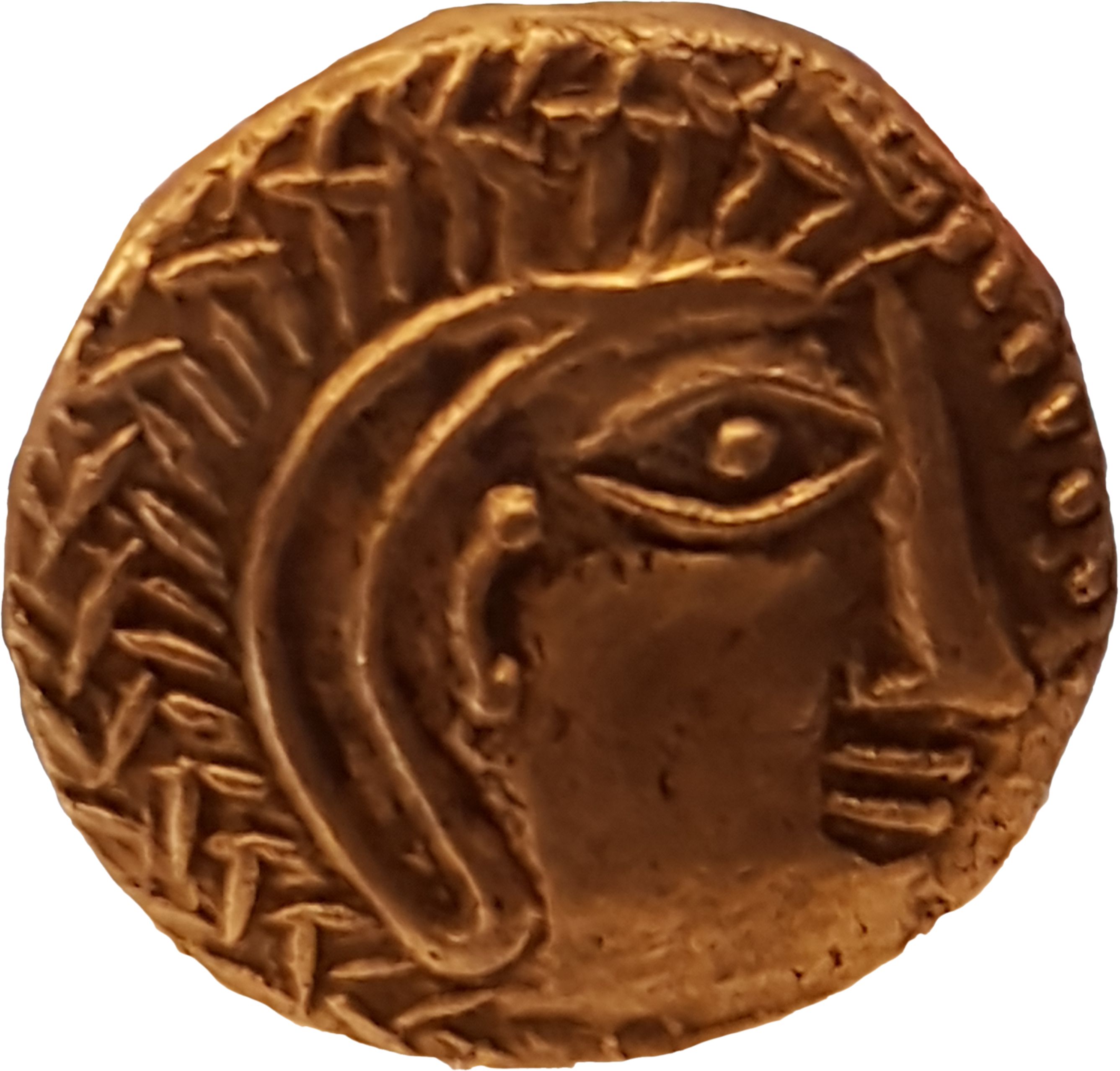
Explore the Map
Ed Dur
25.5222° N, 55.6261° E
About
Ed Dur, an ancient city located in modern-day Umm Al Quwain, UAE, is one of the largest archaeological sites in the region, covering an area of approximately 5 km². The site has revealed evidence of human habitation spanning multiple periods, including the Neolithic, Bronze Age, Iron Age, and the late Classical period. Ed Dur was a major coastal port in the southern Gulf, facilitating trade between southeastern Arabia and various civilizations such as Mesopotamia and India. Significant finds include the Sun Temple dedicated to the deity Shamash, alabaster window panes, and a wide array of grave goods in its extensive burial grounds. The presence of Graeco-Roman artifacts and inscriptions points to a rich history of trade and cultural exchanges during its peak in the 1st century CE.
Gallery
Explore photographs of ancient structures, artifacts, and archaeological excavations
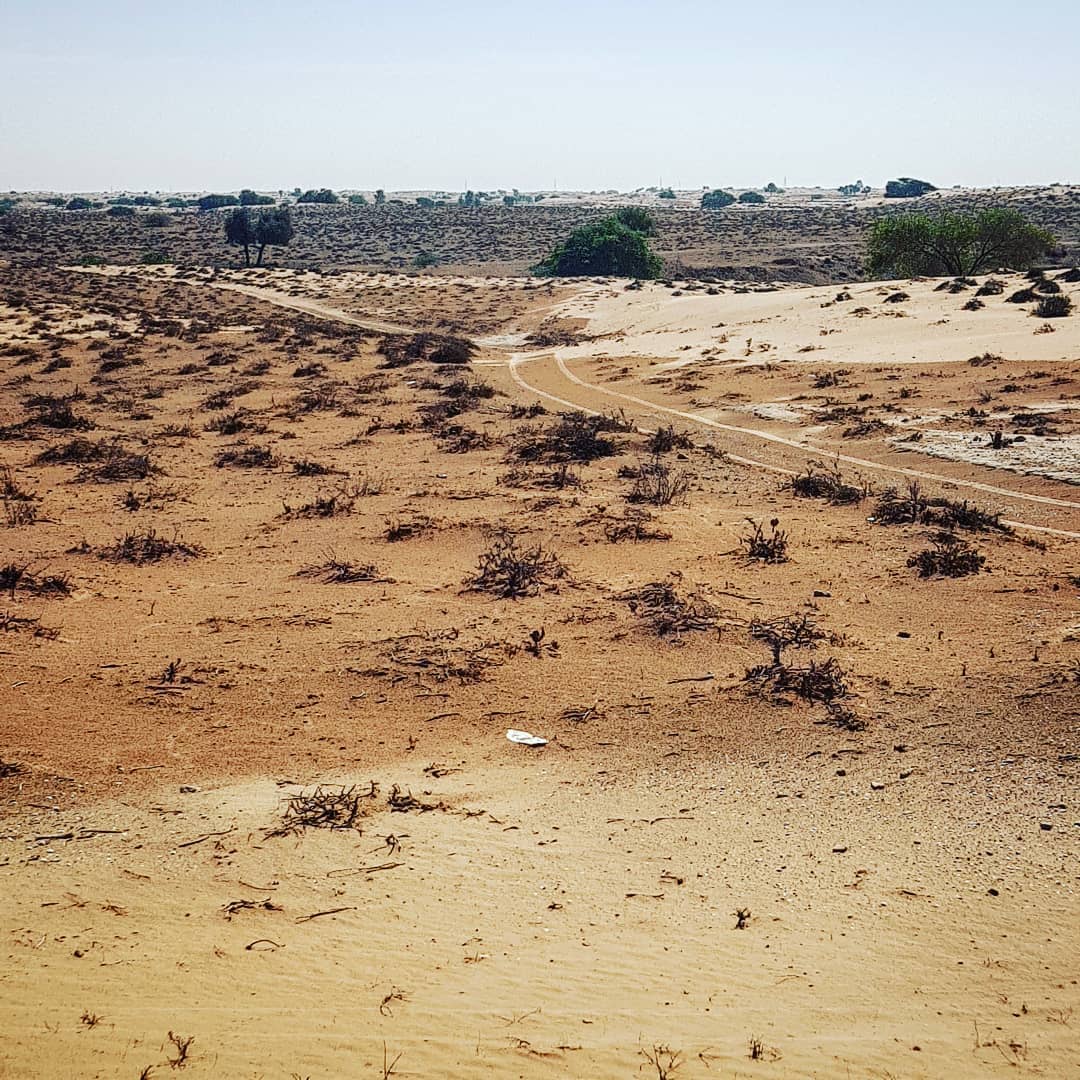
Historical Timeline
Journey through time and discover key events in this site's history
Neolithic occupation
8000 BCE
Bronze Age settlement
1600 BCE - 1200 BCE
Iron Age occupation
1200 BCE - 600 BCE
Major port development
300 BCE - 100 BCE
Graeco-Roman trade peak
0 CE - 100 CE
Archaeological Features
Unique architectural and cultural elements found at this historical site
Defensive Structures
Burial and Funerary Structures
Religious and Ritual Structures
Artistic and Decorative Features
Domestic and Habitation Structures
Frequently Asked Questions
Plan Your Visit
Tours, travel arrangements, and practical information
More Sites in the United Arab Emirates
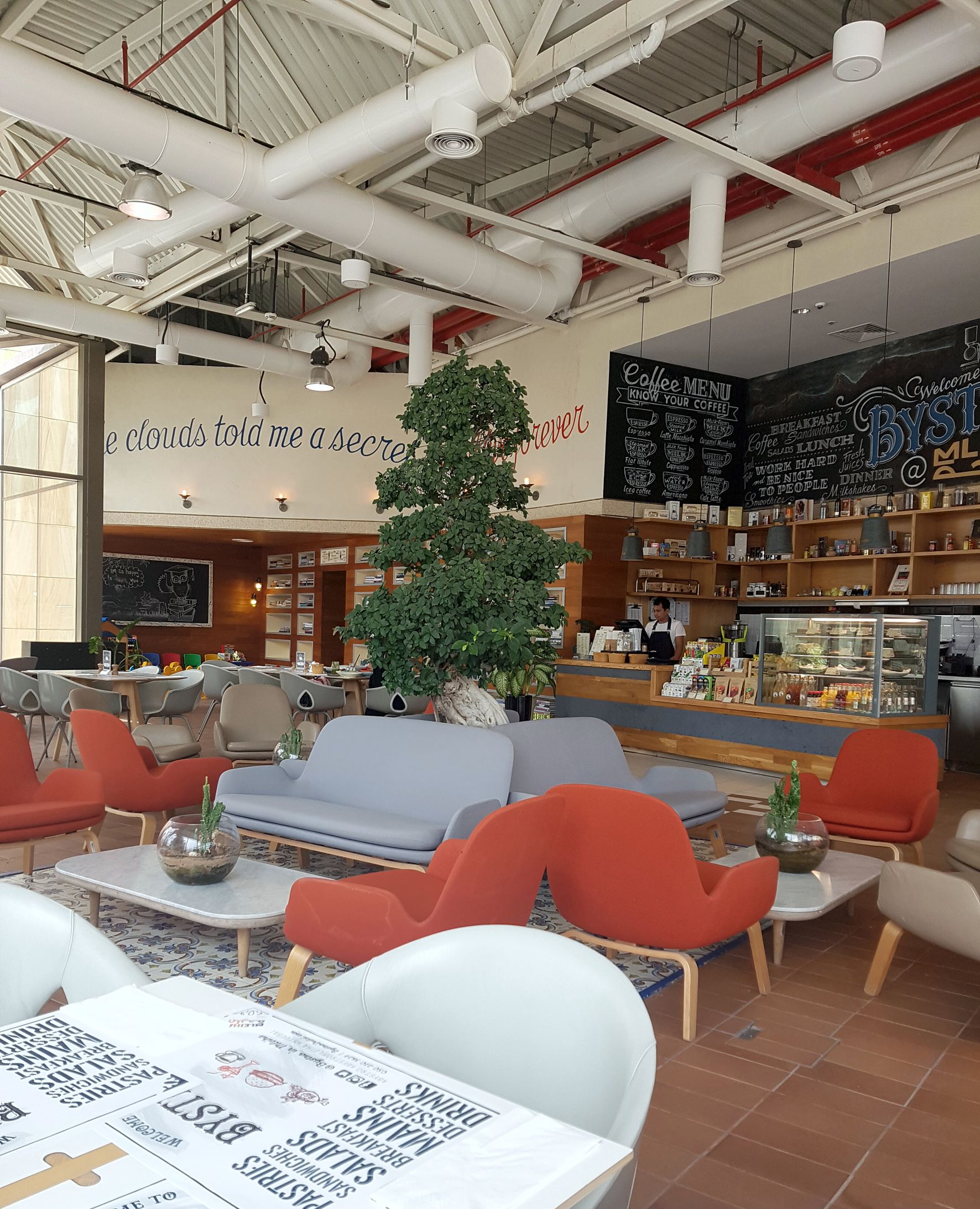
Mleiha Archaeological Centre
Ancient settlement with tombs and fortifications
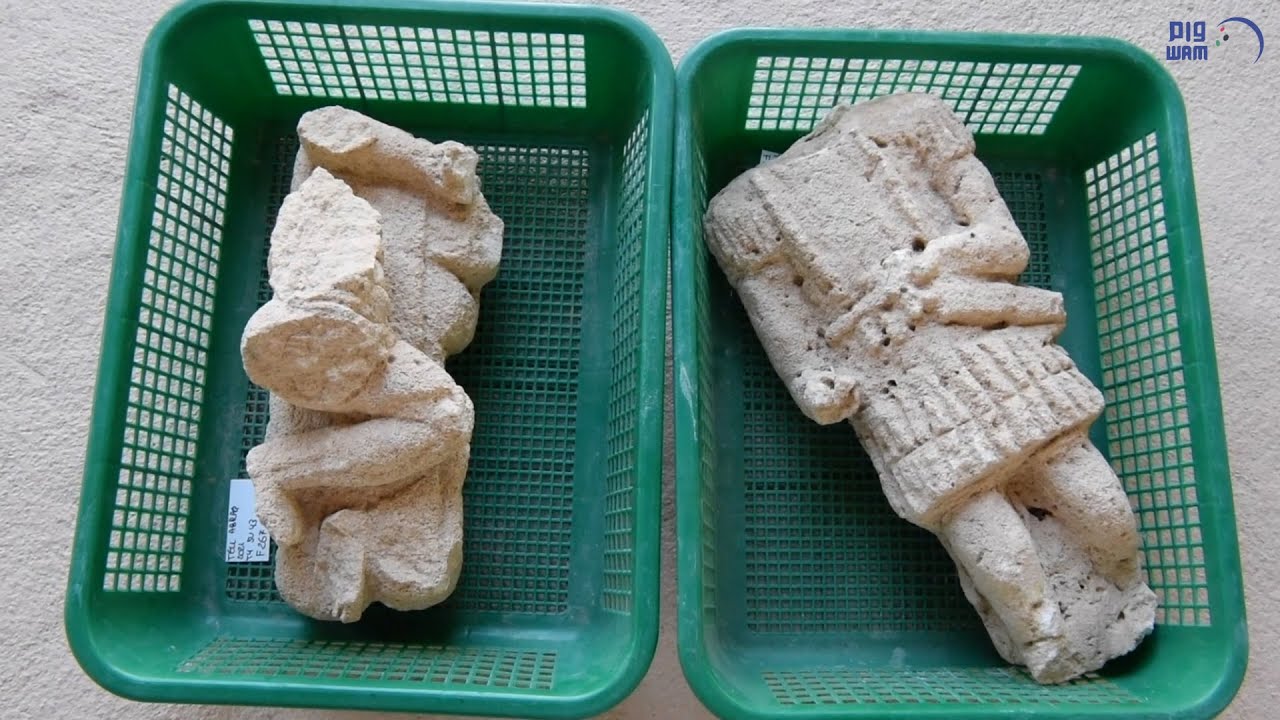
Tell Abraq
Largest prehistoric settlement in Lower Gulf
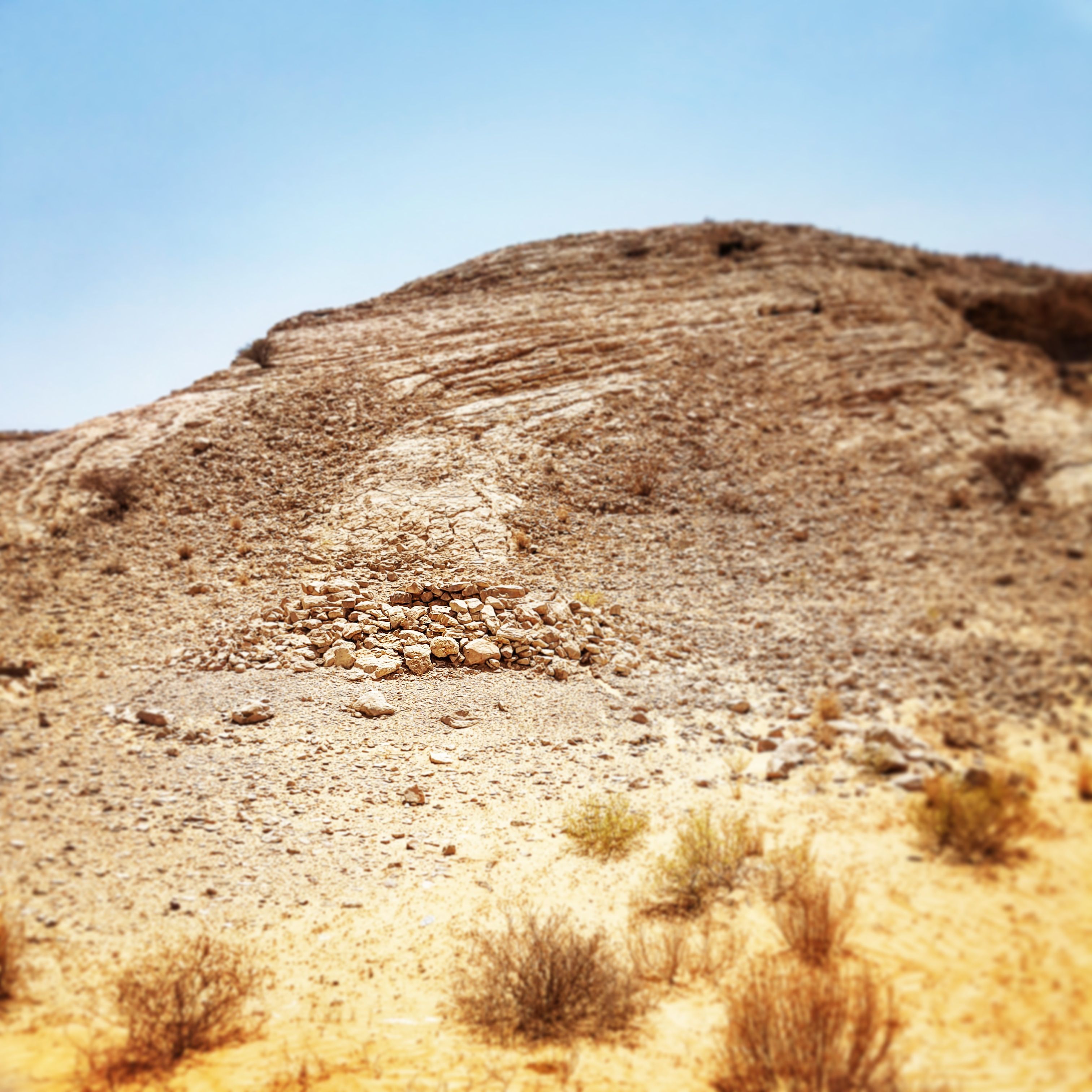
Bidaa Bint Saud
Hafit tombs, Iron Age irrigation, settlement.
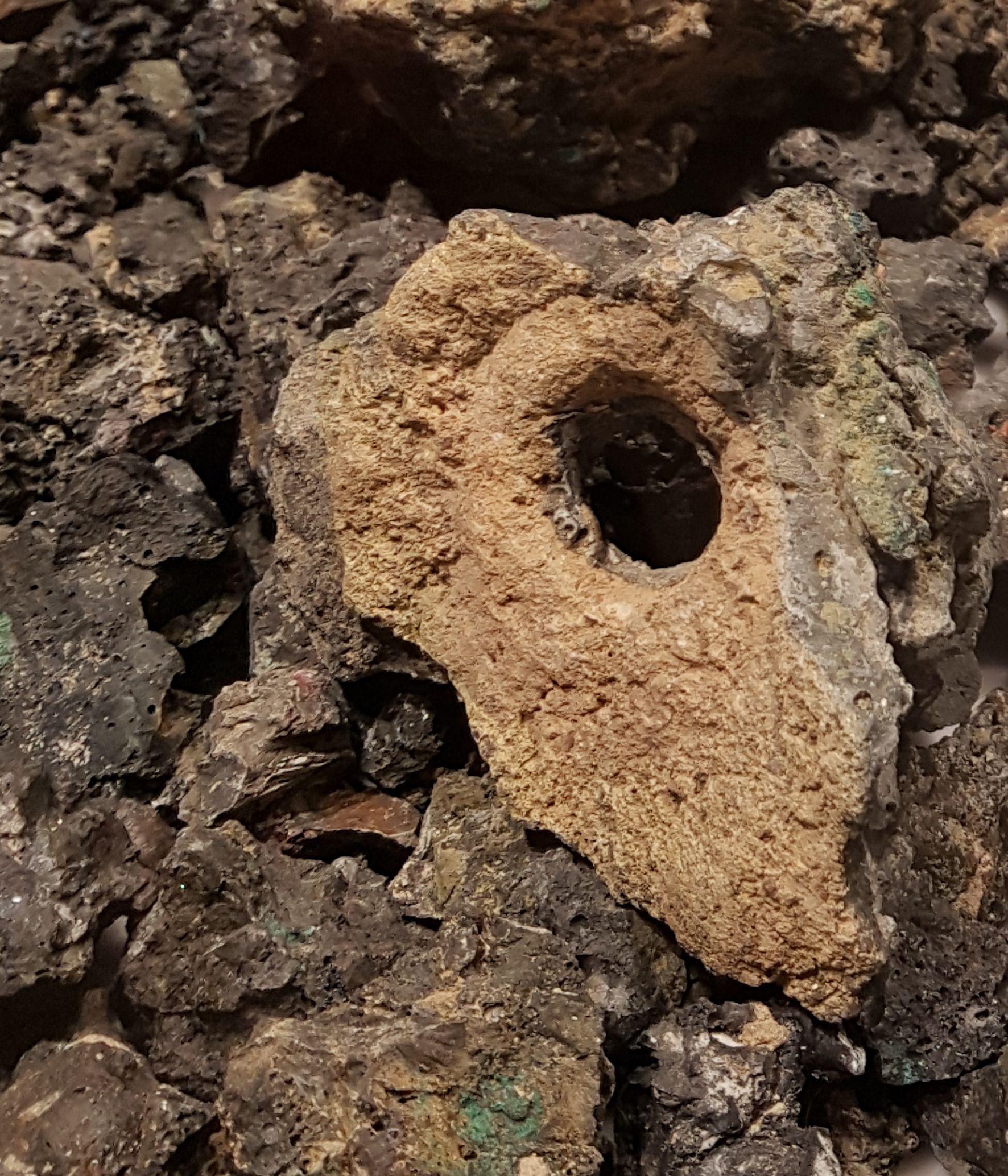
Saruq Al Hadid
Desert metallurgy and trade hub.
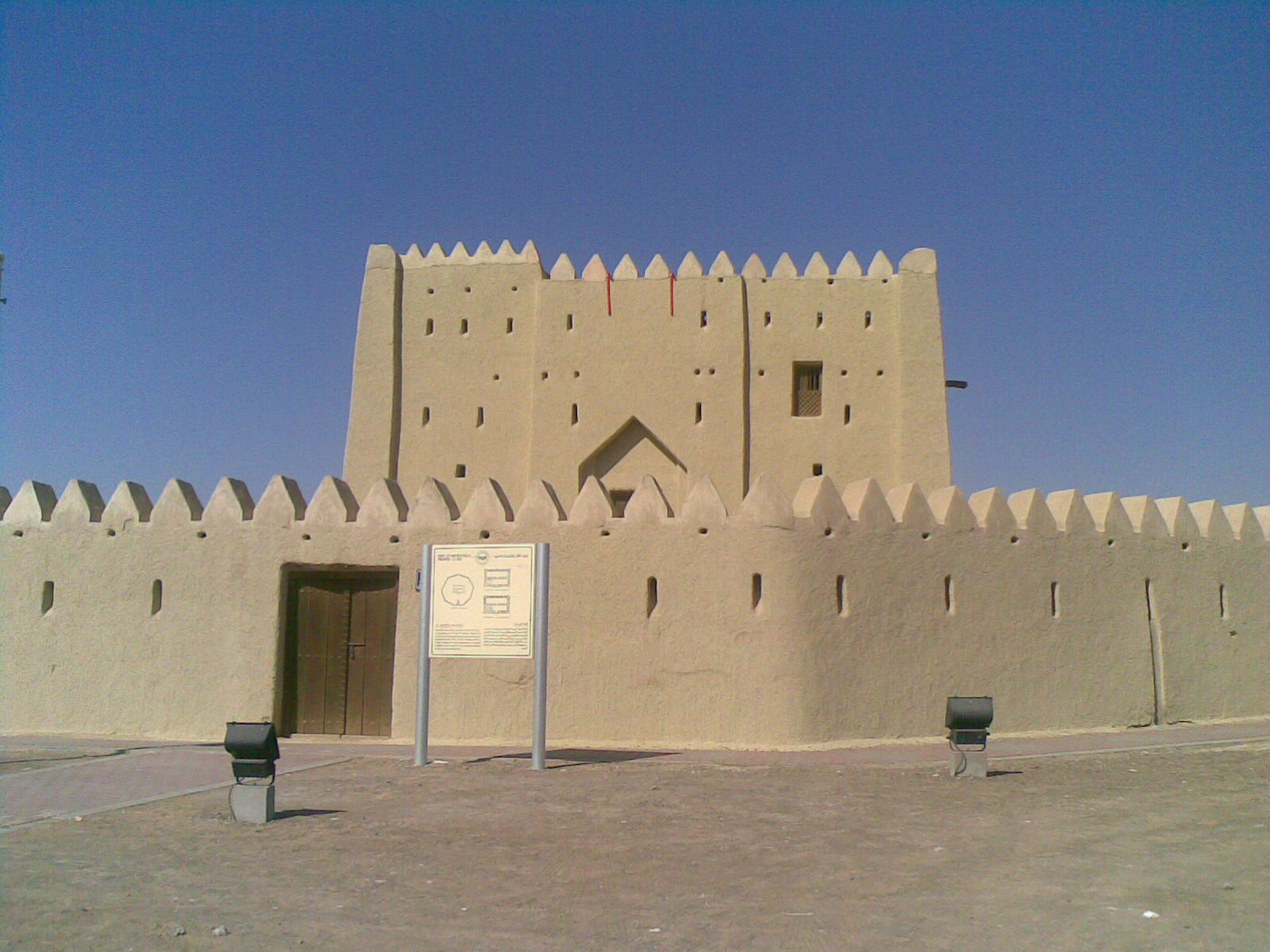
Rumailah, UAE
Iron Age settlement with unique artifacts
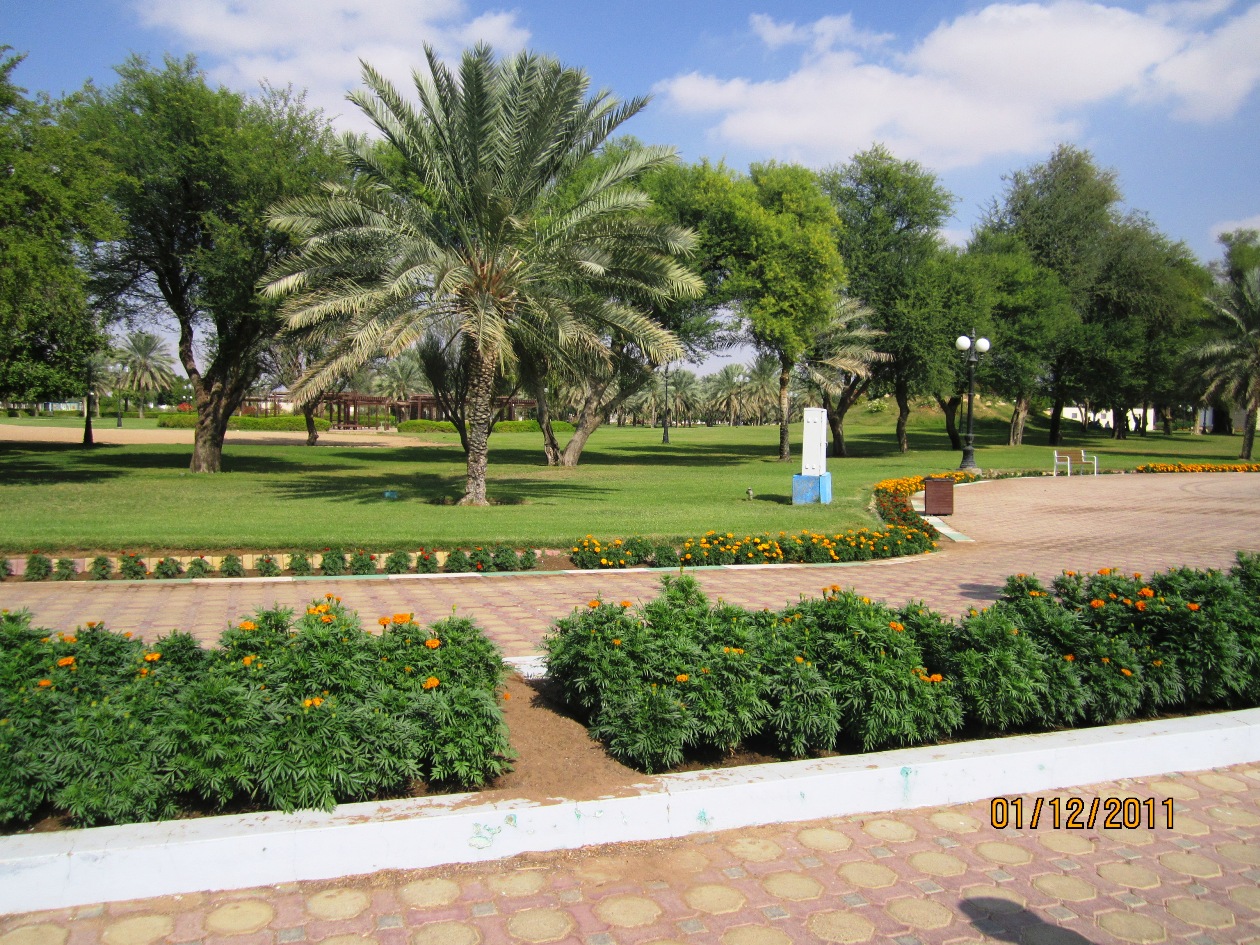
Hili Archaeological Park
Bronze Age site with tombs and falaj