Explore the Map
Boncuklu Tarla
37.5294° N, 41.8324° E
About
Boncuklu Tarla is an archaeological site in the Southeastern Anatolia of Turkey. It is the remains of a settlement occupied from the Late Epipalaeolithic to Pre-Pottery Neolithic B periods, starting over 12,000 years ago. It was discovered in 2008 during an archaeological survey in advance of the construction of the Ilısu Dam and has been excavated by a team from Mardin Museum since 2012. The discovery of a large communal building with stone pillars was reported at Boncuklu Tarla in 2019, prompting comparisons to Göbekli Tepe. It is an early example of rectangular plan architecture. The excavators also claimed to have found a sewer system, which if confirmed would be the oldest known in the world.
Historical Timeline
Journey through time and discover key events in this site's history
Discovery
2008
Initial occupation
c. 12,000 years ago
First excavation season
2012
Excavation by Dr. Ergül Kodaş
2017
Major eastern sector discovery
2019
Archaeological Features
Unique architectural and cultural elements found at this historical site
Storage Structures
Miscellaneous Features
Public and Civic Structures
Industrial and Craft Structures
Religious and Ritual Structures
Artistic and Decorative Features
Domestic and Habitation Structures
Environmental and Natural Features
Frequently Asked Questions
Plan Your Visit
Tours, travel arrangements, and practical information
More Sites in Turkey
Çadır Höyük
Artificial mound settlement in Yozgat Province, Turkey
Carchemish
Ancient capital ruins on the Euphrates, Turkey–Syria border
Larissa Phrikonis
Aeolian city ruins in western Turkey
Çayönü
Neolithic village in southeastern Turkey
Euromus
Ancient Carian city and temple, 6th century BCE
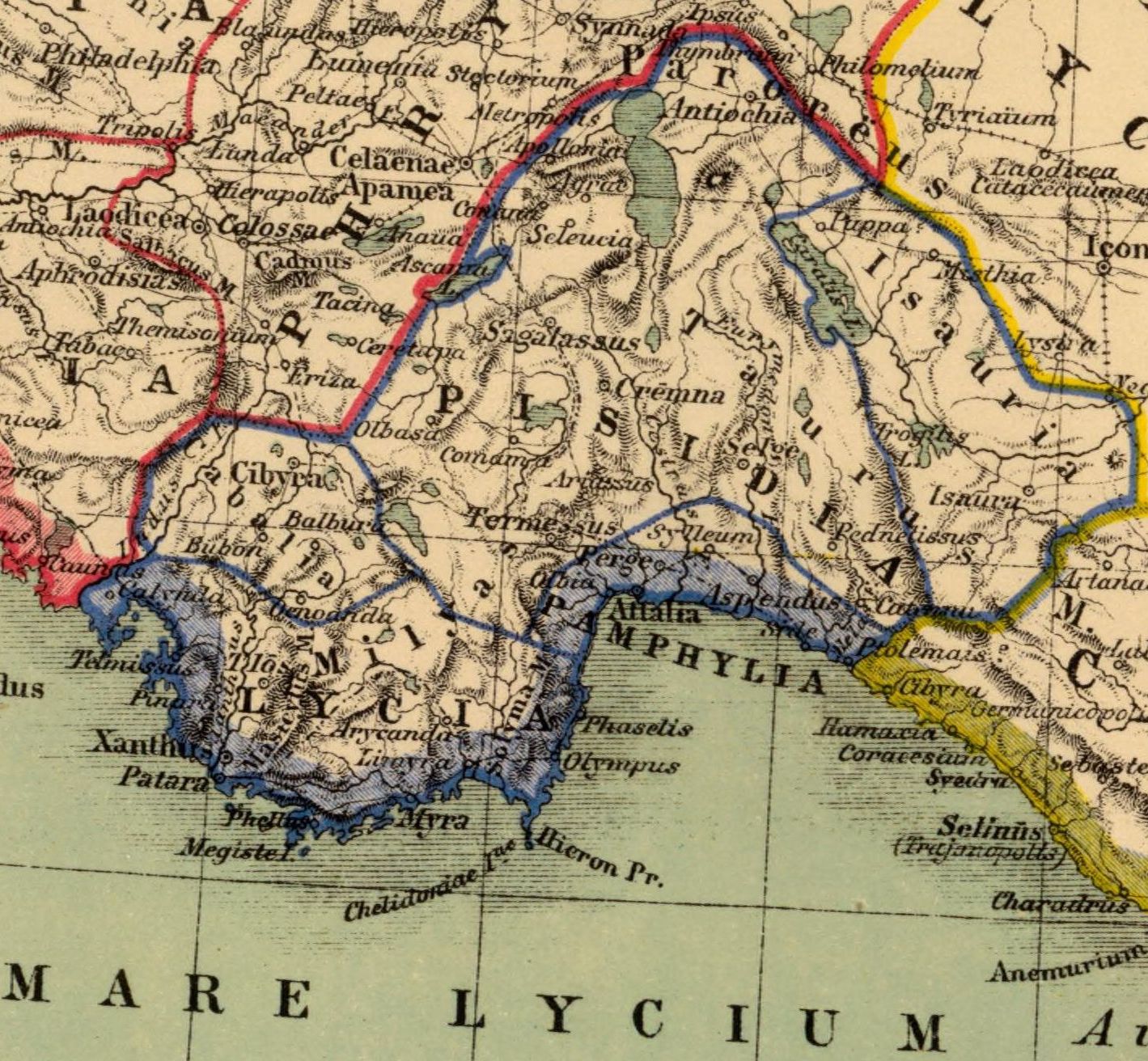
Lysinia
Ancient town in Pisidia, later Pamphylia.