Demirköy Foundry
The Demirköy Foundry is a 15th-century Ottoman industrial site famous for producing the iron cannonballs used in the 1453 conquest of Constantinople.
Explore the Map
Demirköy Foundry
41.8175° N, 27.8142° E
About
The Demirköy Foundry, also known as the Fatih Foundry (Samakocuk Dökümhane-i Amiresi), is a premier Ottoman-era industrial archaeological site located in the Kırklareli Province of northwestern Turkey. Established in the mid-15th century, the facility served as a strategic military-industrial hub, primarily famous for producing the massive iron projectiles used by Sultan Mehmed II during the 1453 siege of Constantinople. The foundry was positioned approximately 3.8 km southeast of the modern town of Demirköy to exploit the high-quality iron ore deposits of the Istranca Mountains and the vast forest resources required for charcoal fuel. The complex covers an area of approximately 10,000 square meters and is designed as a fortified industrial castle divided into two distinct levels. The upper terrace, protected by 110-cm-thick stone walls and polygonal corner towers, housed the administrative offices, a mosque, and residential quarters for the workforce. The lower terrace served as the primary production zone, containing blast furnaces, specialized casting pits, and workshops. This industrial layout utilized a sophisticated hydraulic system involving stone-vaulted canals and dikes that channeled water from the Dolapdere stream to power wheels for heavy bellows and trip hammers. Historically, the foundry was an imperial state enterprise that supported the Ottoman army and navy for over 400 years. It underwent a major technological renovation during the reign of Sultan Mahmud II (1808–1839) before being formally integrated into the Tophane-i Amire (Imperial Cannon Factory) in 1839. The site’s activity eventually declined with the advent of modern steel production, leading to its total abandonment following World War I. Archival evidence and recovered gravestones indicate that the facility was a multicultural hub, employing both Muslim and Christian (Greek and Bulgarian) laborers and master smiths. Since systematic excavations began in 2003, researchers have unearthed numerous shaft furnaces, iron droplets, and clay molds used for casting spherical cannonballs. Findings such as large slag heaps suggest the furnaces reached temperatures exceeding 1000°C. In 2020, a significant restoration project was completed, stabilizing the site's mosque and water management structures. Today, the Demirköy Foundry operates as an open-air museum and archaeological park, offering insights into early modern Ottoman metallurgy and engineering.
Historical Timeline
Journey through time and discover key events in this site's history
Abandonment
Post-World War I
Founding of the Metalworking Center
15th Century
Production for the Siege of Constantinople
1453
Mahmud II Renovation
1808 - 1839
Subordination to Tophane-i Amire
1839
Systematic Excavations Begin
2003
Phase 1 Restoration Completion
November 2020
Archaeological Features
Unique architectural and cultural elements found at this historical site
Water Management
Religious Features
Industrial Features
Architectural Features
Frequently Asked Questions
Plan Your Visit
Tours, travel arrangements, and practical information
More Sites in Turkey
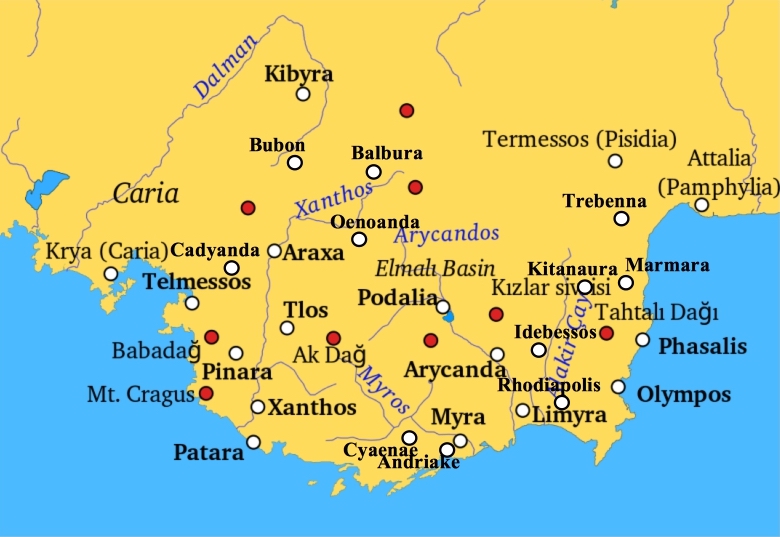
Marmara (Lycia)
Sheer rock acropolis with temple remains.
Boncuklu Höyük
Neolithic tell in Central Anatolia, Turkey
Çadır Höyük
Artificial mound settlement in Yozgat Province, Turkey
Bisanthe
Bisanthe (Ancient Greek: Βισάνθη) was a great city in ancient Thrace, on the coast of the Propontis, which had been founded by the Samians.
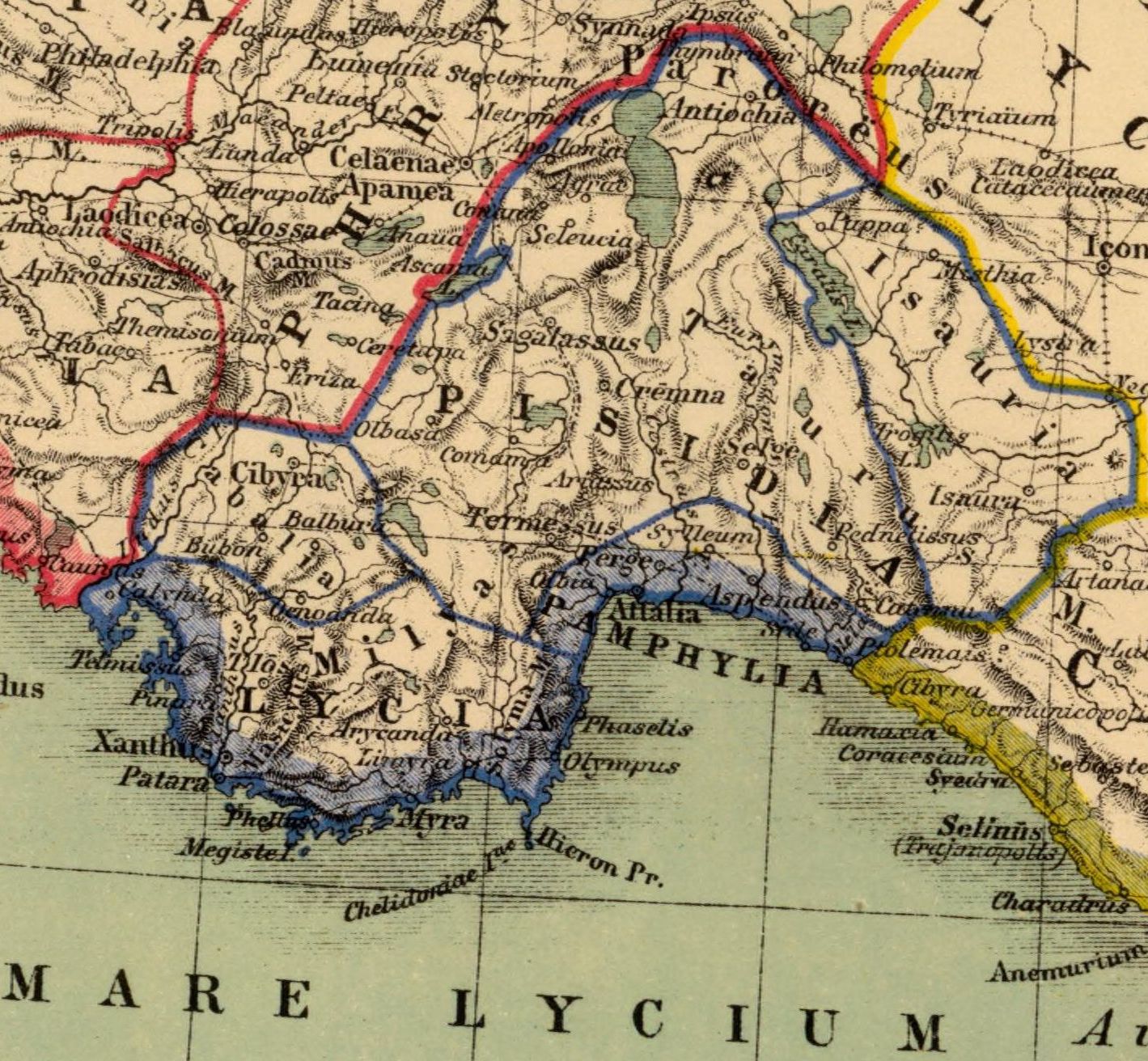
Lysinia
Ancient town in Pisidia, later Pamphylia.
Euromus
Ancient Carian city and temple, 6th century BCE