Explore the Map
Harbour of Eleutherios
41.0047° N, 28.9522° E
About
The Harbour of Eleutherios (Medieval Greek: λιμήν Ἐλευθερίου), originally known as the Harbour of Theodosius (Latin: Portus Theodosiacus, Ancient Greek: λιμήν Θεοδοσίου) was one of the ports of ancient Constantinople, the capital of the Byzantine Empire, located beneath the modern Yenikapi neighbourhood of Istanbul, Turkey. It was built at the mouth of the Lycus watercourse that ran through the city to the Propontis (the Sea of Marmara). The harbour was built in the late 4th century, during the reign of Theodosius I, and was the city's major point of trade in Late Antiquity. It continued to be used until the 11th century. Silt from the Lycus creek eventually filled the harbour entirely and the area was later transformed for agricultural use due to the effects of upstream erosion and deposition. In Ottoman times, the area was built over. The harbour was located on the south side of the peninsula on which the city is built, on the shore of the Sea of Marmara. The other harbours on the southern coast of the city were the Harbour of Julian and the small harbour of the Boukoleon Palace. The harbours of Neorion (Latin: Neorium) and Prosphorion (Ancient Greek: προσφόριον, lit. 'import harbour', Latin: Portus Prosphorianus) were on the Golden Horn, on the northern shore of the peninsula. Today the northern coast of the harbour is delineated by Kucuk Langa Cad. (Small Langa St.) named after the earlier Greek Vlanga name. In November 2005, workers on the Bosphorus Tunnel Project discovered the silted-up remains of the harbour. Excavations produced evidence of the 4th-century Portus Theodosiacus. There, archaeologists uncovered traces of the city wall of Constantine the Great, and the remains of over 35 Byzantine ships from the 7th to 10th centuries, including several Byzantine galleys, remains of which had never before been found. In addition, the excavation has uncovered the oldest evidence of settlement in Constantinople, with artefacts, including amphorae, pottery fragments, shells, pieces of bone, horse skulls, and nine human skulls found in a bag, dating back to 6000 BC.
Historical Timeline
Journey through time and discover key events in this site's history
Earliest settlement evidence
c. 6000 BCE
Ship occupation range
7th–10th centuries
Harbour construction
late 4th century
End of major use
11th century
Modern discovery
November 2005
Archaeological Features
Unique architectural and cultural elements found at this historical site
Storage Structures
Defensive Structures
Miscellaneous Features
Burial and Funerary Structures
Domestic and Habitation Structures
Environmental and Natural Features
Transportation and Communication Structures
Frequently Asked Questions
Plan Your Visit
Tours, travel arrangements, and practical information


More Sites in Turkey
Çadır Höyük
Artificial mound settlement in Yozgat Province, Turkey
Carchemish
Ancient capital ruins on the Euphrates, Turkey–Syria border
Larissa Phrikonis
Aeolian city ruins in western Turkey
Euromus
Ancient Carian city and temple, 6th century BCE
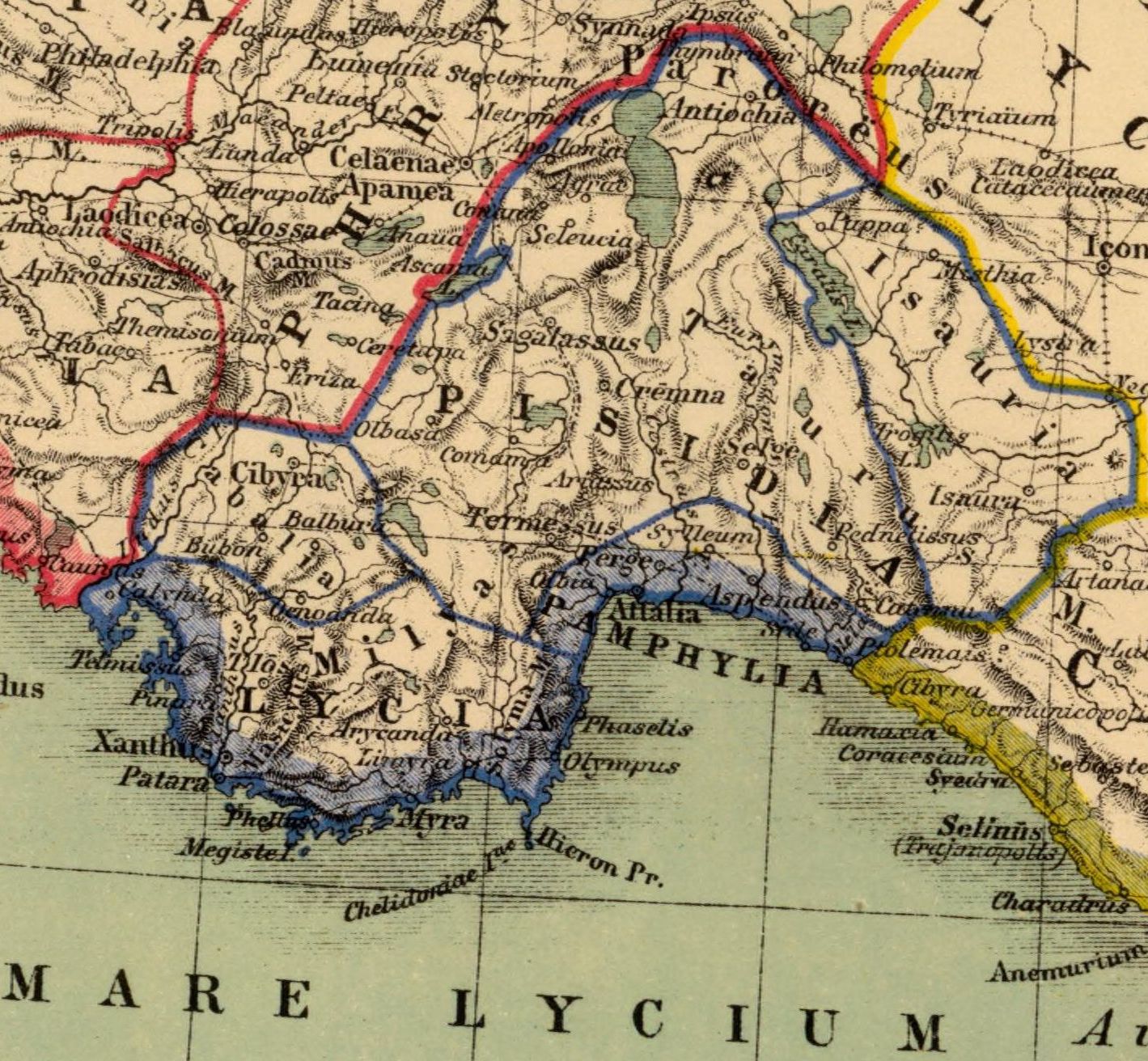
Lysinia
Ancient town in Pisidia, later Pamphylia.
Boncuklu Höyük
Neolithic tell in Central Anatolia, Turkey