Explore the Map
Lissa (Lycia)
36.6643° N, 28.8391° E
About
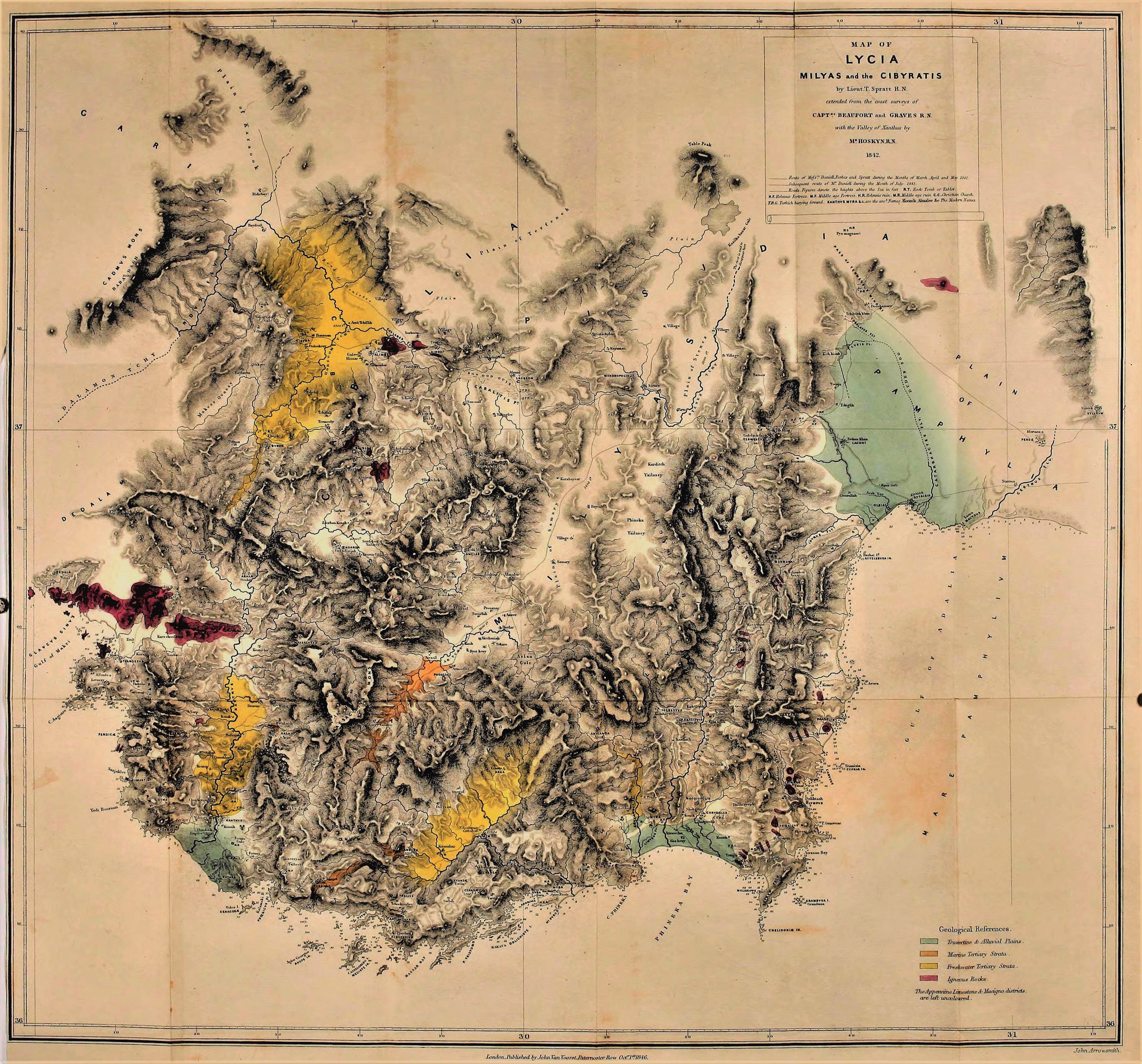
Lissa, an ancient town located in what was once Lycia, now near Kızılağaç in Anatolia, Turkey, is a site of historical significance. It is referenced by the ancient geographer Ptolemy, suggesting its prominence during classical antiquity. Archaeological findings at the site include inscriptions and tombs, which provide valuable insights into the cultural and social dynamics of the ancient Lycian civilization. These findings contribute to our understanding of the town's role during the Classical Period, specifically within the framework of Lycian and Greek interactions. The British explorers Theodore and Mabel Bent visited the site in 1888, marking the beginning of its archaeological exploration. The presence of inscriptions and tombs indicates a well-established town with a rich cultural heritage, offering a glimpse into the funerary practices and civic life of the inhabitants.
Gallery
Explore photographs of ancient structures, artifacts, and archaeological excavations
Historical Timeline
Journey through time and discover key events in this site's history
Lissa as a Greek Town
150 CE
Archaeological Features
Unique architectural and cultural elements found at this historical site
Burial and Funerary Structures
Artistic and Decorative Features
Domestic and Habitation Structures
Frequently Asked Questions
Plan Your Visit
Tours, travel arrangements, and practical information
More Sites in Turkey
Melanippe (Lycia)
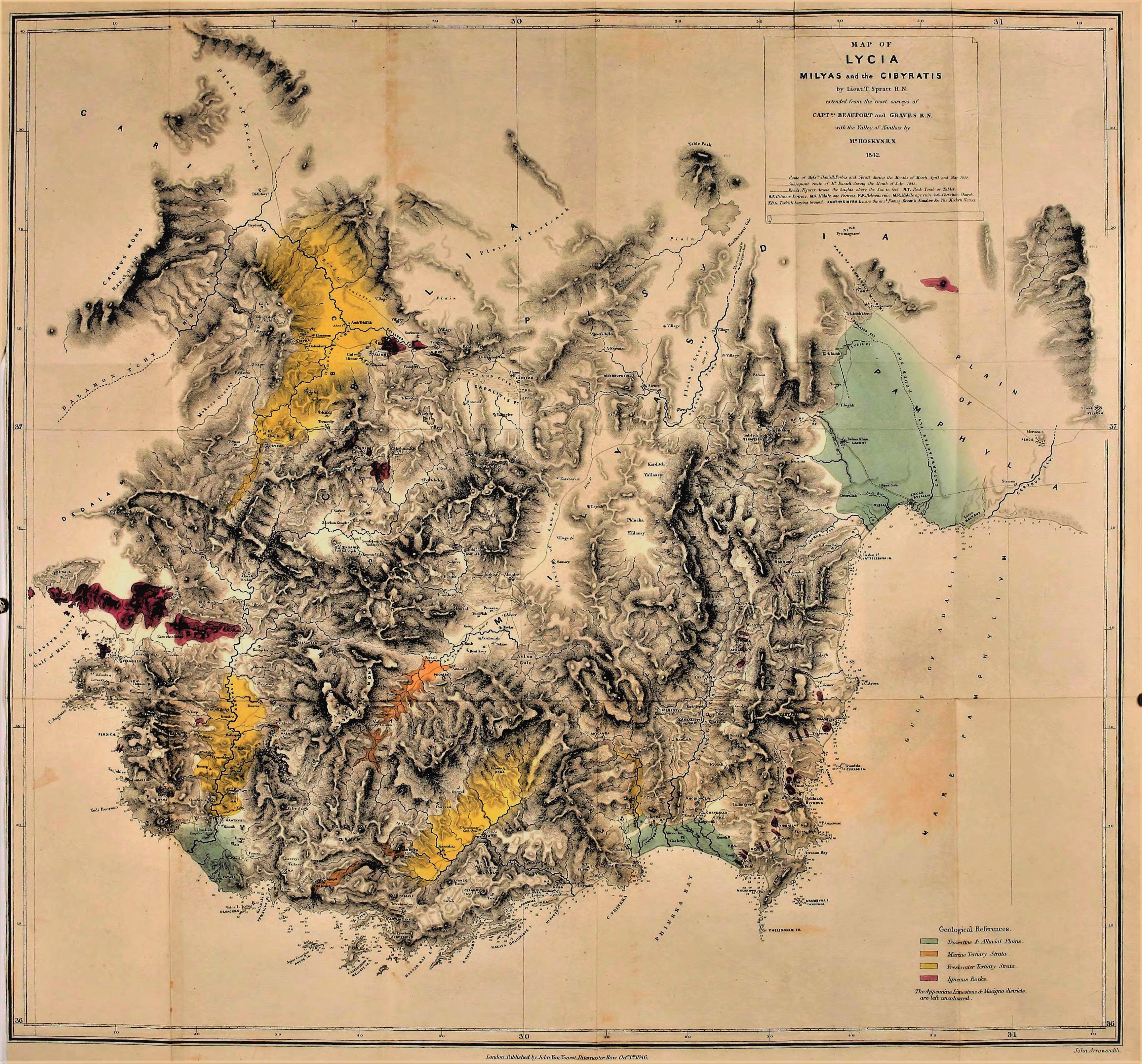
Ancient coastal town on Mount Phoenicus.
Kuşkayası Monument
Roman roadside monument, Roman Imperial era in Turkey
Marmara (Lycia)
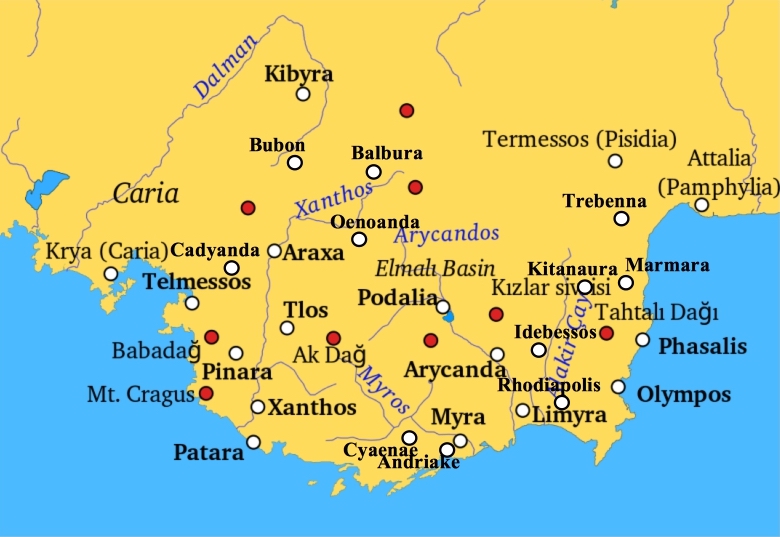
Sheer rock acropolis with temple remains.
Trocmades
Roman city and bishopric in Galatia, central Turkey
Lysinia
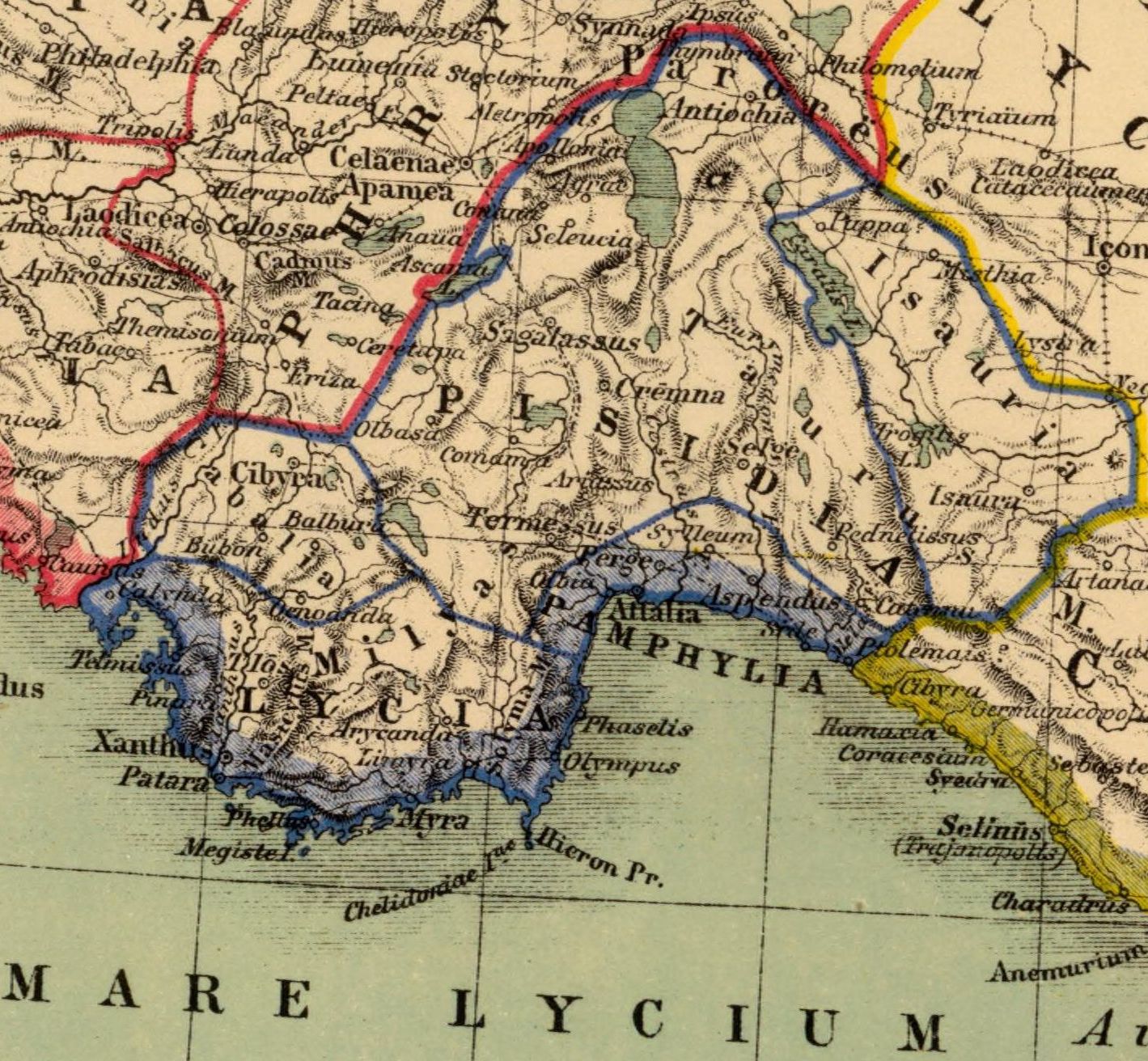
Ancient town in Pisidia, later Pamphylia.
Blaundus
Hellenistic city ruins in western Anatolia, Turkey