
Explore the Map
Priene
37.6597° N, 27.2978° E
About
Priene (Ancient Greek: Πριήνη, romanized: Priēnē; Turkish: Prien) was an ancient Greek city of Ionia (and member of the Ionian League) located at the base of an escarpment of Mycale, about 6 kilometres (3.7 mi) north of what was then the course of the Maeander River (now called the Büyük Menderes or "Big Maeander"). It was 67 kilometres (42 mi) from ancient Anthea, 15 kilometres (9.3 mi) from ancient Aneon and 25 kilometres (16 mi) from ancient Miletus. The city was built on the sea coast, overlooking the former Latmian Gulf of the Aegean. It was developed on steep slopes and terraces extending from sea level to a height of 380 metres (1,250 ft) above sea level at the top of the escarpment. Because of siltation from the river filling the bay over several centuries, the city is now an inland site. It is located at a short distance west of the modern village Güllübahçe Turun in the Söke district of Aydın Province, Turkey. Priene is known to have been the site of high-quality Hellenistic art and architecture. The city's original position on Mount Mycale has never been discovered; however, it is believed that it was on a peninsula with two harbours. Priene never held a great deal of political importance due to the city's relatively limited size, as it is believed around four to five thousand inhabitants occupied the region. The city was arranged into four districts, firstly the political district, which consisted of the bouleuterion and the prytaneion; the cultural district containing the theatre; the commercial, where the agora was located; and finally the religious district, which contained sanctuaries dedicated to Zeus, Demeter and, most importantly, the Temple of Athena.
Historical Timeline
Journey through time and discover key events in this site's history
Founding by Theban colonists
c. 1000 BCE
Relocation after earthquakes
c. 700 BCE
Move to Naulochos
c. 500 BCE
Mausolus' city plan initiated
c. 350 BCE
Temple of Athena dedicated by Alexander
323 BCE
Loss of port connection
1st century BCE
Pausanias account of siltation
2nd century CE
Bay largely silted
c. 300 CE
Local Byzantine magnate rules
1204
Population exchange and modern relocation
1923
Archaeological Features
Unique architectural and cultural elements found at this historical site
Defensive Structures
Miscellaneous Features
Water Management Features
Public and Civic Structures
Religious and Ritual Structures
Artistic and Decorative Features
Agricultural and Land Use Features
Domestic and Habitation Structures
Environmental and Natural Features
Transportation and Communication Structures
Frequently Asked Questions
Plan Your Visit
Tours, travel arrangements, and practical information


More Sites in Turkey
Carchemish
Ancient capital ruins on the Euphrates, Turkey–Syria border
Euromus
Ancient Carian city and temple, 6th century BCE
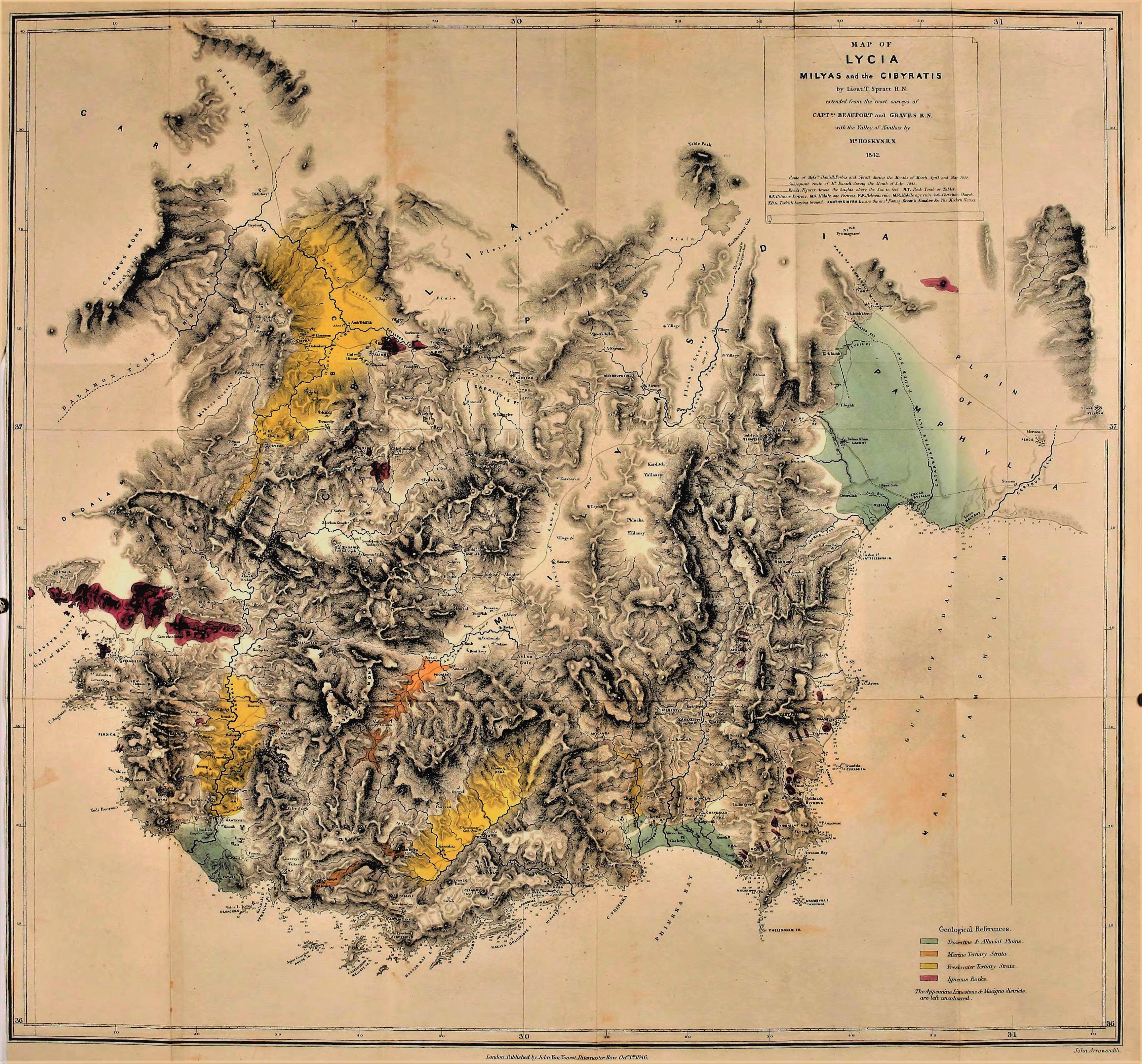
Melanippe (Lycia)
Ancient coastal town on Mount Phoenicus.
Çadır Höyük
Artificial mound settlement in Yozgat Province, Turkey
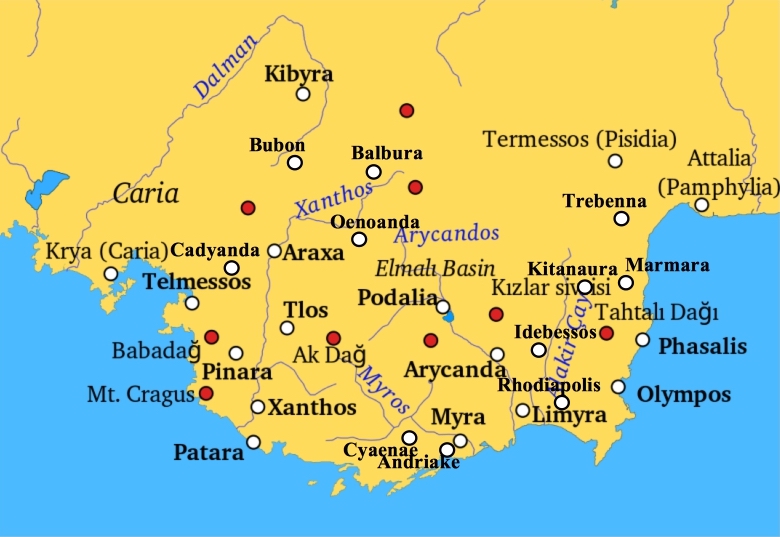
Marmara (Lycia)
Sheer rock acropolis with temple remains.
Larissa Phrikonis
Aeolian city ruins in western Turkey