Explore the Map
Peel of Lumphanan
57.1222° N, -2.7017° E
About
The Peel of Lumphanan, also known as the Peel Ring or Peel Bog of Lumphanan, is a defensive structure dating back to the 13th century. It is located near Lumphanan in Aberdeenshire, north-east Scotland. The peel comprises a mound or motte, surrounded by two concentric ditches separated by a bank. The outer earth bank is about 4 metres (13 ft) high, the inner ditch or moat is 15 metres (49 ft) across, and the central mound measures 37 by 45 metres (121 by 148 ft). The outer ditch was described as shallow in 1960, and is now difficult to discern. On the top of the mound are the remains of a 1-metre (3 ft 3 in) thick wall, and the foundations of a house measuring around 15 by 4 metres (49 by 13 ft). The entrance was probably located to the west. The lower half of the motte consists of a natural mound; it was heightened when the castle was built. A motte on this site is thought to have been in existence at the time of the Battle of Lumphanan. This battle was fought nearby in 1057, between King Macbeth and the future King Malcolm III. Macbeth was killed, and Macbeth's Stone, upon which he is said to have been beheaded, is located 300 metres (980 ft) to the south-west. The present mound was constructed in the 13th century by the De Lundin family, who later adopted the name Durward from their hereditary position of royal ushers or door wards. The Durwards used the peel as a lodge for hunting parties from their main local residence at Coull Castle. Sir John de Melville paid homage to Edward I of England at the peel in 1296. The original ramparts may have been of turf rather than stone. The rectangular foundation is that of Halton House, which was built in the 15th century by Thomas Charteris of Kinfauns. The circular wall, originally thought to have been the curtain wall of a shell keep, was discovered through excavation in the 1970s to be of 18th-century date. The site is under the guardianship of Historic Scotland, and is protected as a scheduled monument. It is considered to be of national importance as "a good surviving example of an earthwork castle with water-filled outer defences."
Historical Timeline
Journey through time and discover key events in this site's history
Battle of Lumphanan
1057
Motte reconstructed by De Lundin family
13th century
Homage to Edward I
1296
Halton House construction
15th century
Excavations revealing circular wall date
1970s
Archaeological Features
Unique architectural and cultural elements found at this historical site
Defensive Structures
Domestic and Habitation Structures
Environmental and Natural Features
Frequently Asked Questions
Plan Your Visit
Tours, travel arrangements, and practical information
More Sites in United Kingdom
Whitsbury Castle
Iron Age hillfort in Hampshire, United Kingdom
Uffington Castle
Iron Age hillfort in Oxfordshire, England
Drumbo round tower
Irish round tower in County Down, early medieval
Ringlemere barrow
Early Bronze Age barrow near Sandwich, Kent
Diamond (1823 ship)
Early 19th‑century transatlantic shipwreck, Cardigan Bay
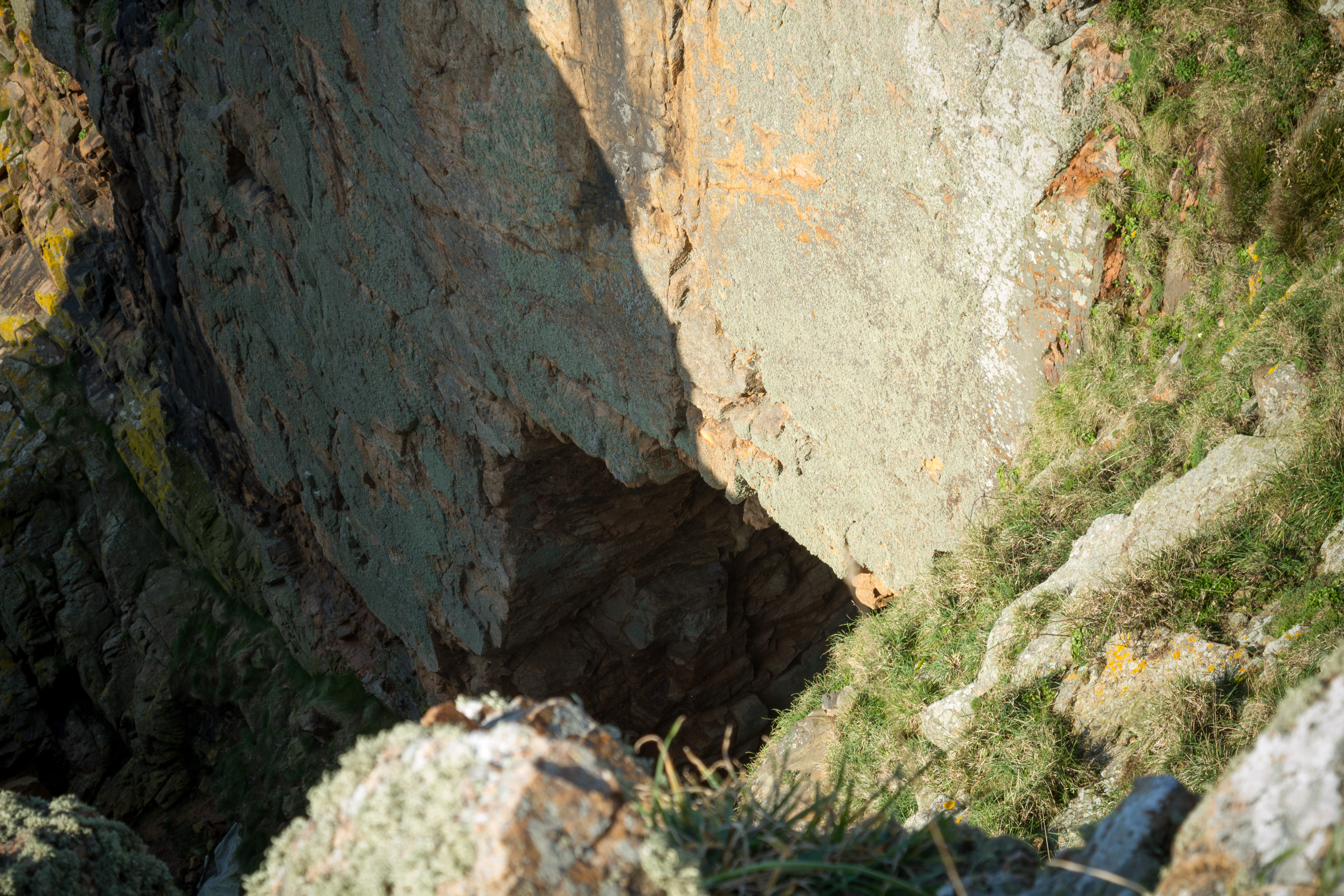
La Cotte de St Brelade
Paleolithic cave site with Neanderthal artifacts