Explore the Map
Kara Tepe
37.2782° N, 67.1829° E
About
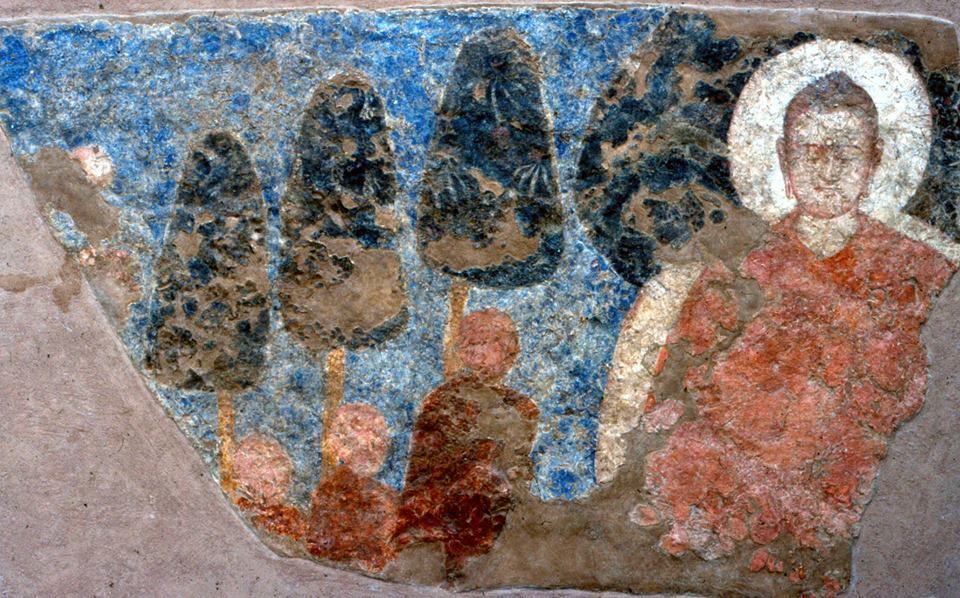
Kara Tepe is an archaeological site located in the Termez oasis of southern Uzbekistan, significant for its Buddhist monastic structures dating from the 1st to the 5th centuries CE. Initially constructed during the Late Classical Period, the site experienced its peak during the Kushan period, showcasing a variety of religious and ritual structures, including temples and numerous Buddha statues. Inscriptions reveal the presence of monastic establishments and names of monks, indicating vibrant religious activity. The site experienced a decline by the 4th century CE due to Kushano-Sassanian invasions, leading to its abandonment by the 5th century CE. Some structures were repurposed for burials, with evidence of continued ascetic occupation up until the 12th century CE. Kara Tepe offers valuable insights into the spread of Buddhism in Central Asia and the cultural interactions of the region.
Gallery
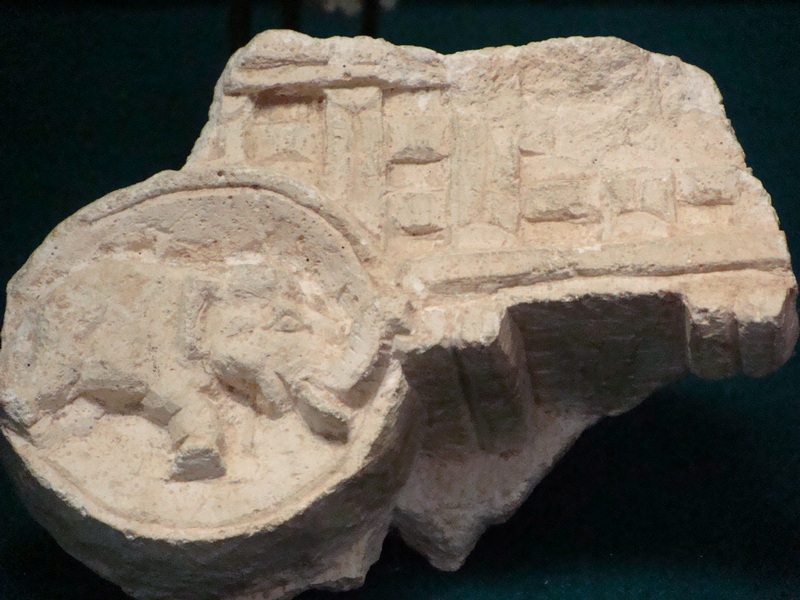
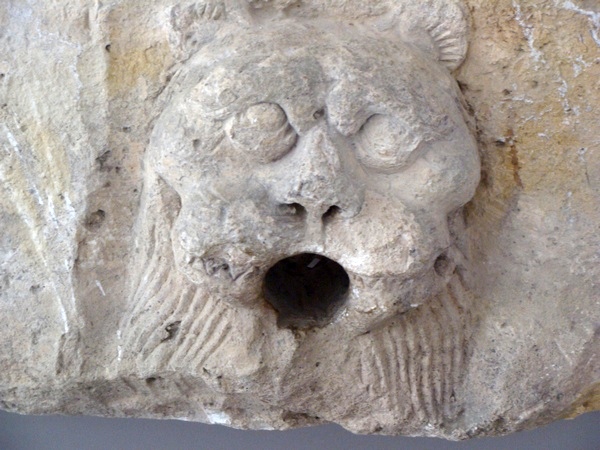
Explore photographs of ancient structures, artifacts, and archaeological excavations
Historical Timeline
Journey through time and discover key events in this site's history
Construction and peak activity
1st century CE to 4th century CE
Site decline and abandonment
4th century CE to 5th century CE
Continued use for burials
5th century CE
Ascetic use of site
7th century CE to 12th century CE
Archaeological Features
Unique architectural and cultural elements found at this historical site
Burial and Funerary Structures
Religious and Ritual Structures
Artistic and Decorative Features
Plan Your Visit
Tours, travel arrangements, and practical information
More Sites in Uzbekistan
Kanka, Uzbekistan
Ancient multi-layered fortified settlement.
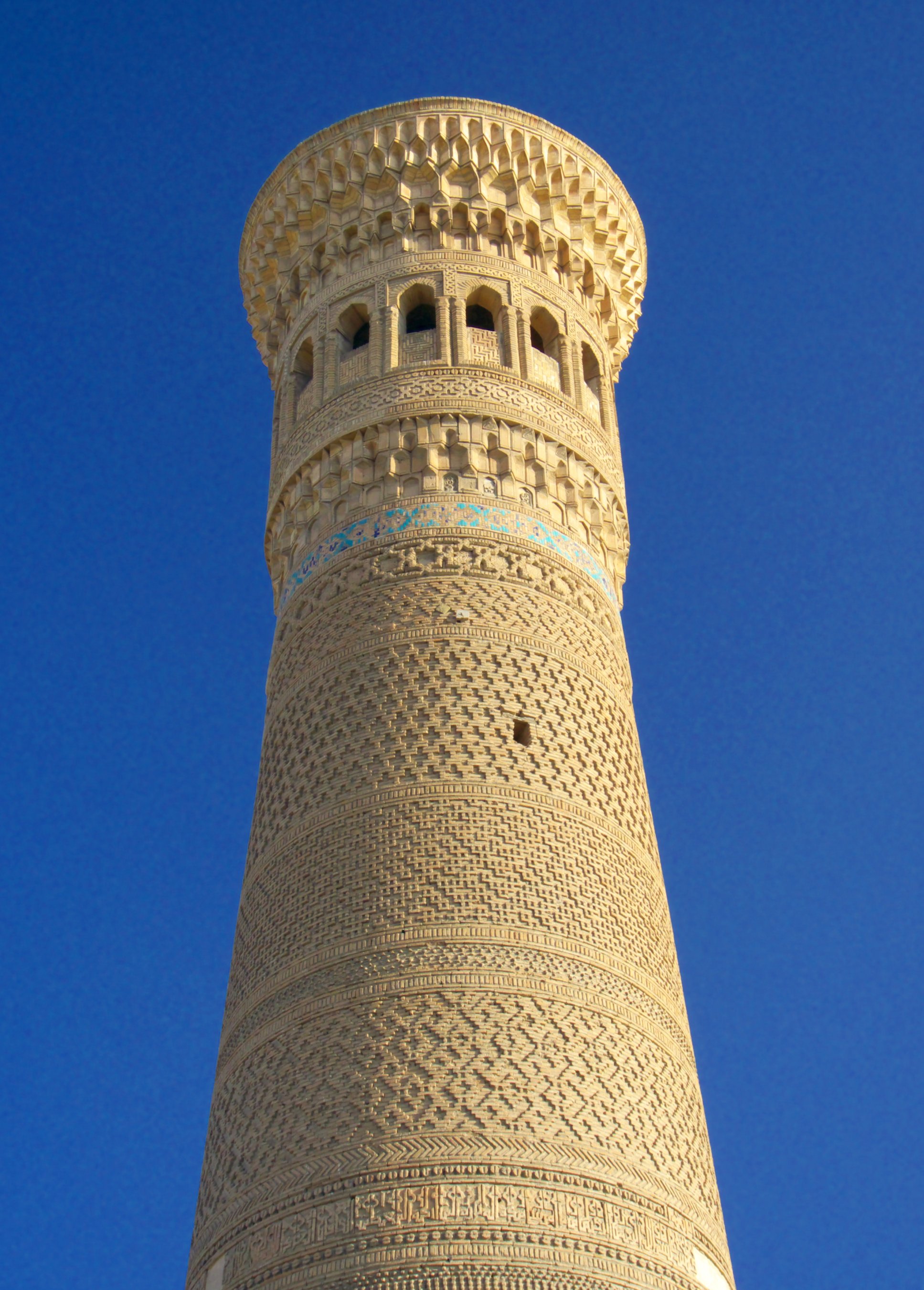
Varakhsha
Ancient city in Bukhara oasis, Sogdia.
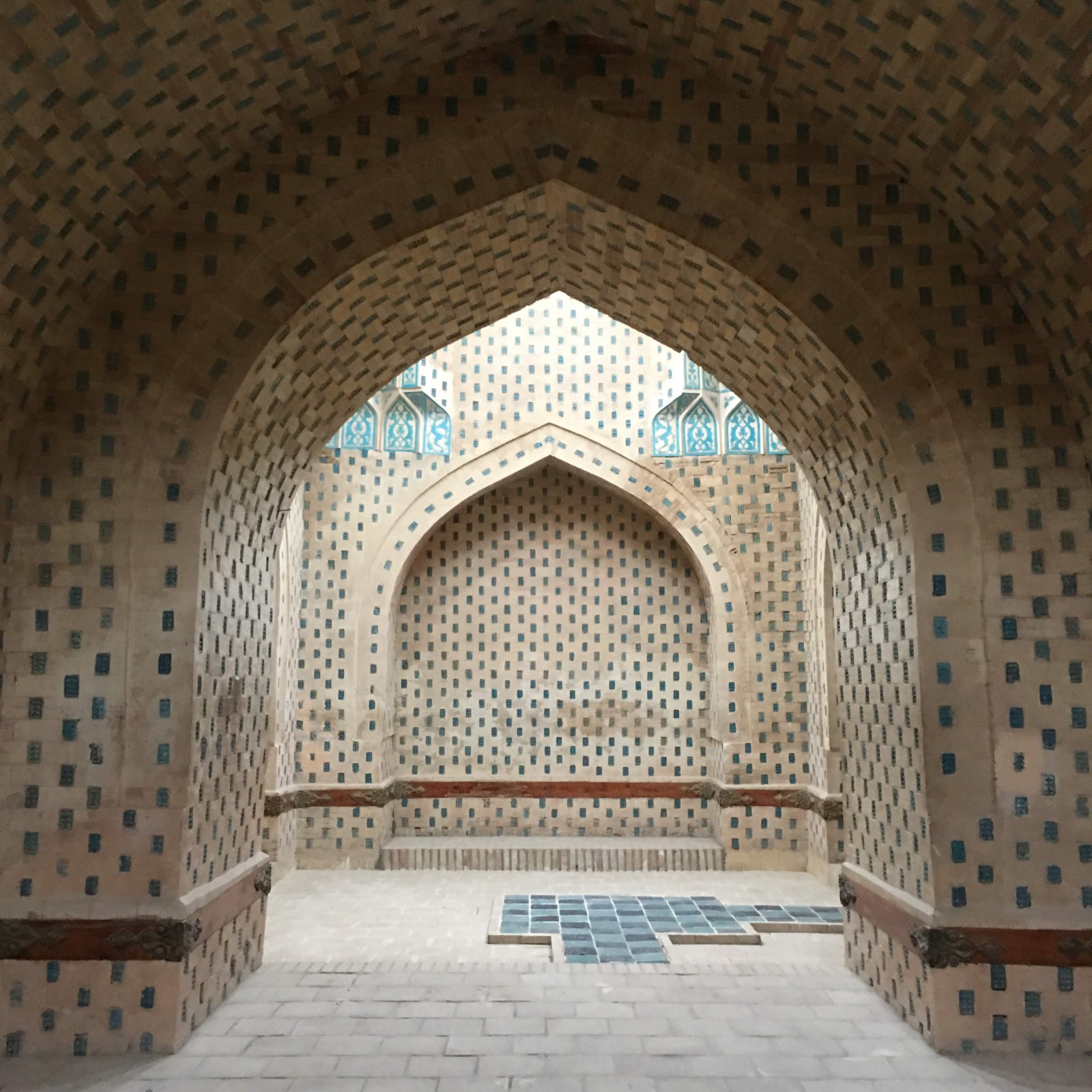
Mizdarkhan
Ancient necropolis with Zoroastrian and Islamic elements.
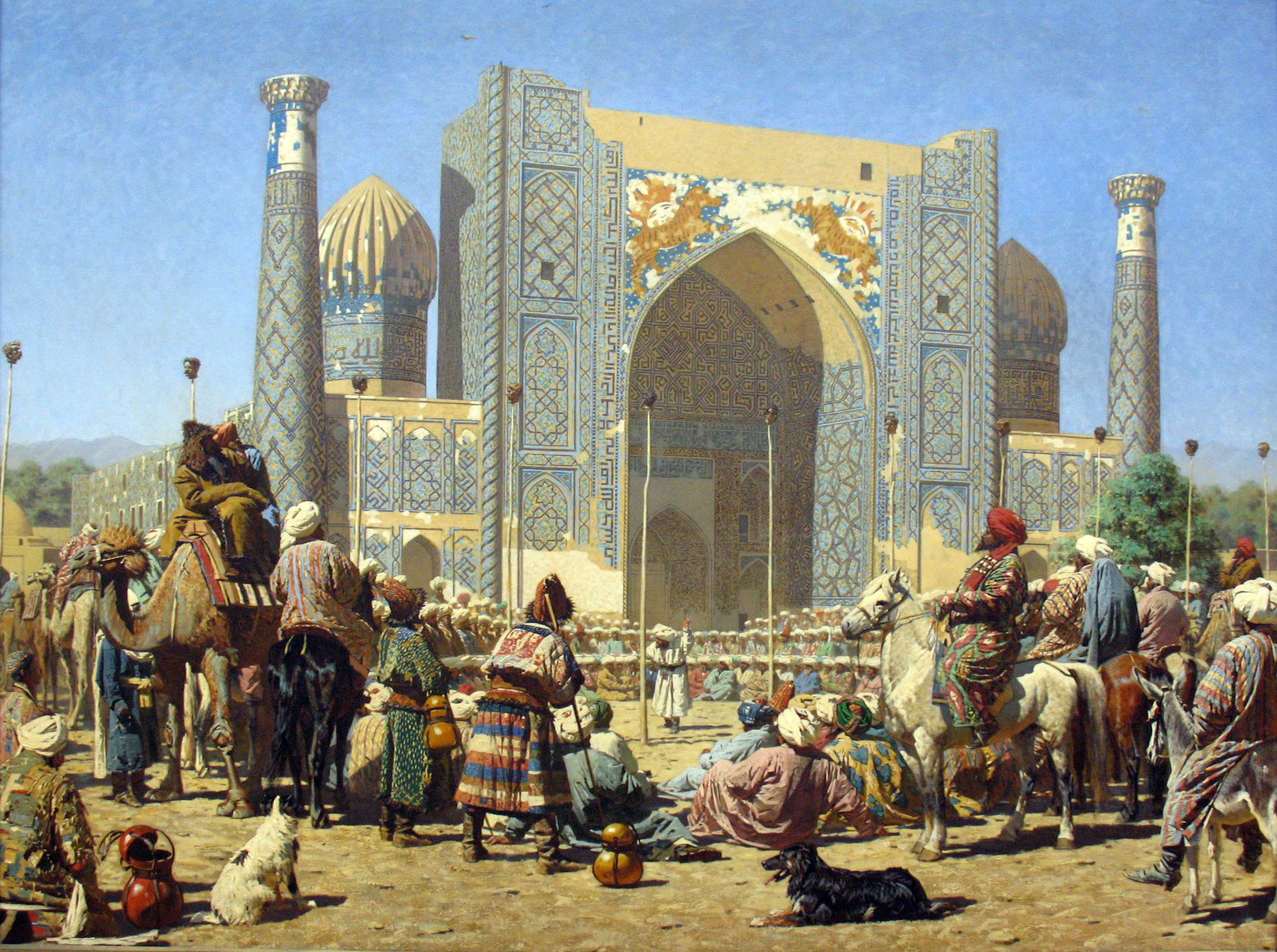
Samarkand
Ancient city with rich cultural heritage
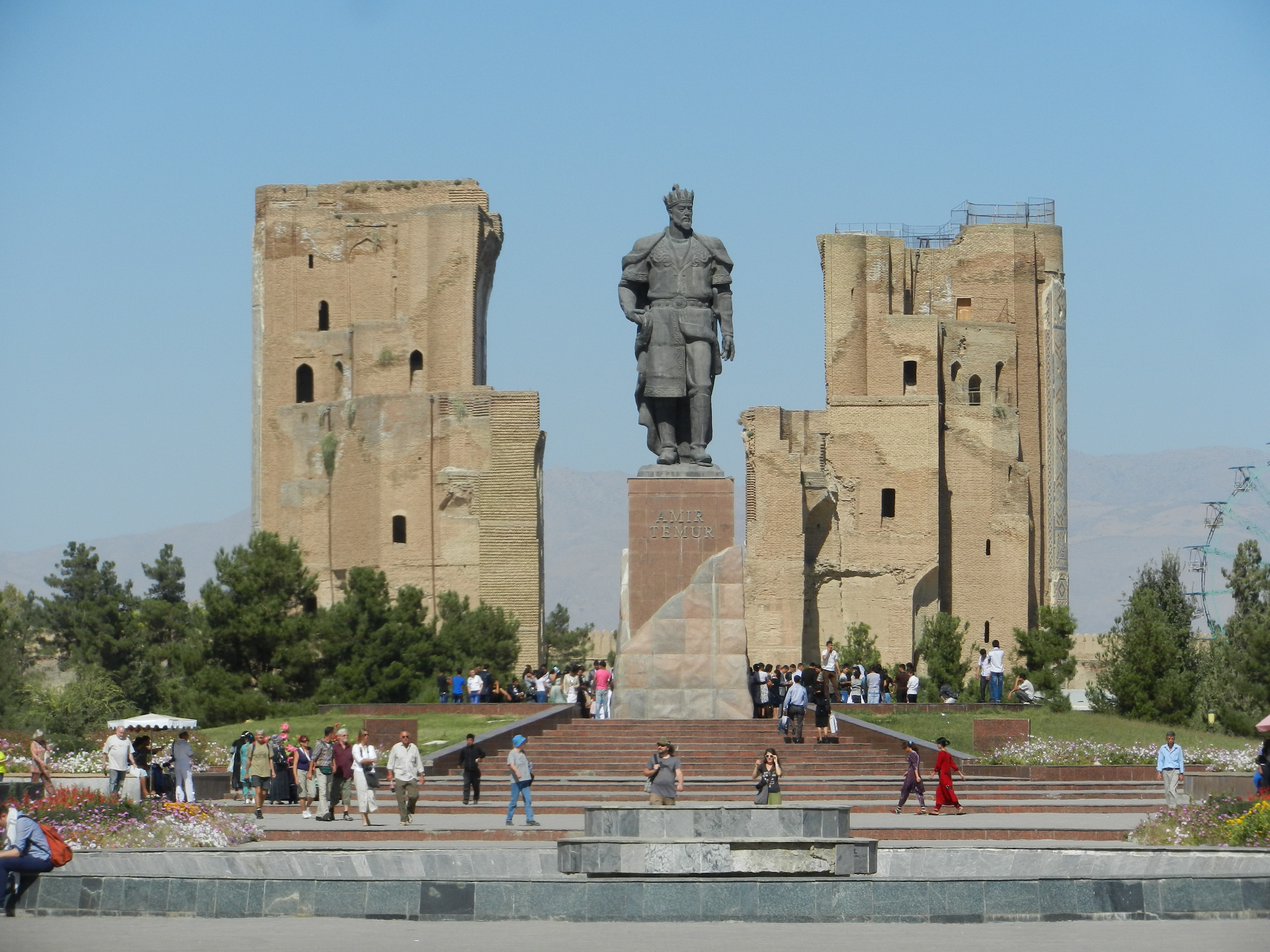
Shahrisabz
Ancient Central Asian city with rich history.
Fayaz Tepe
Buddhist site with temple and monastery