Explore the Map
Qirqqiz Fortress
37.2666° N, 67.2900° E
About
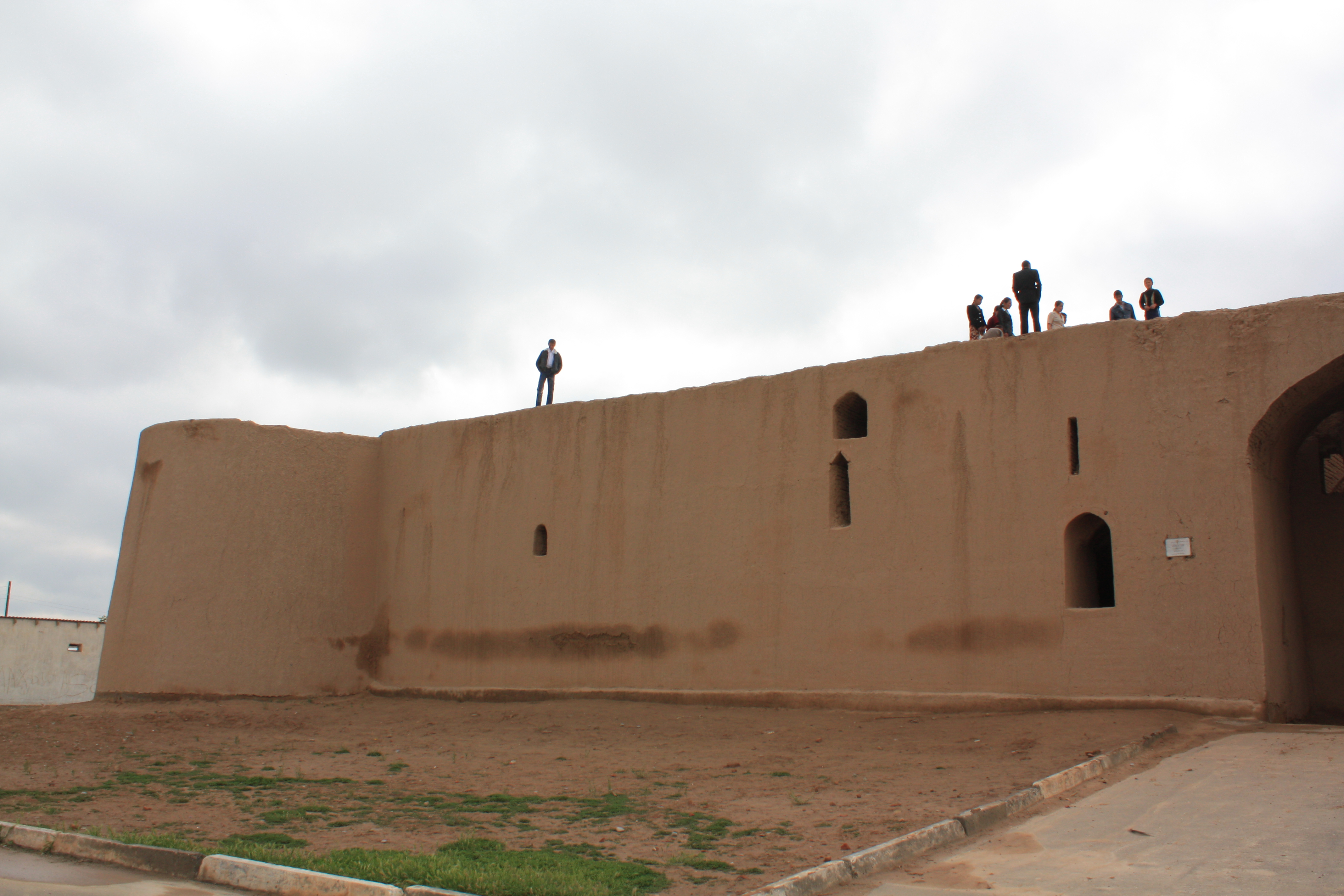
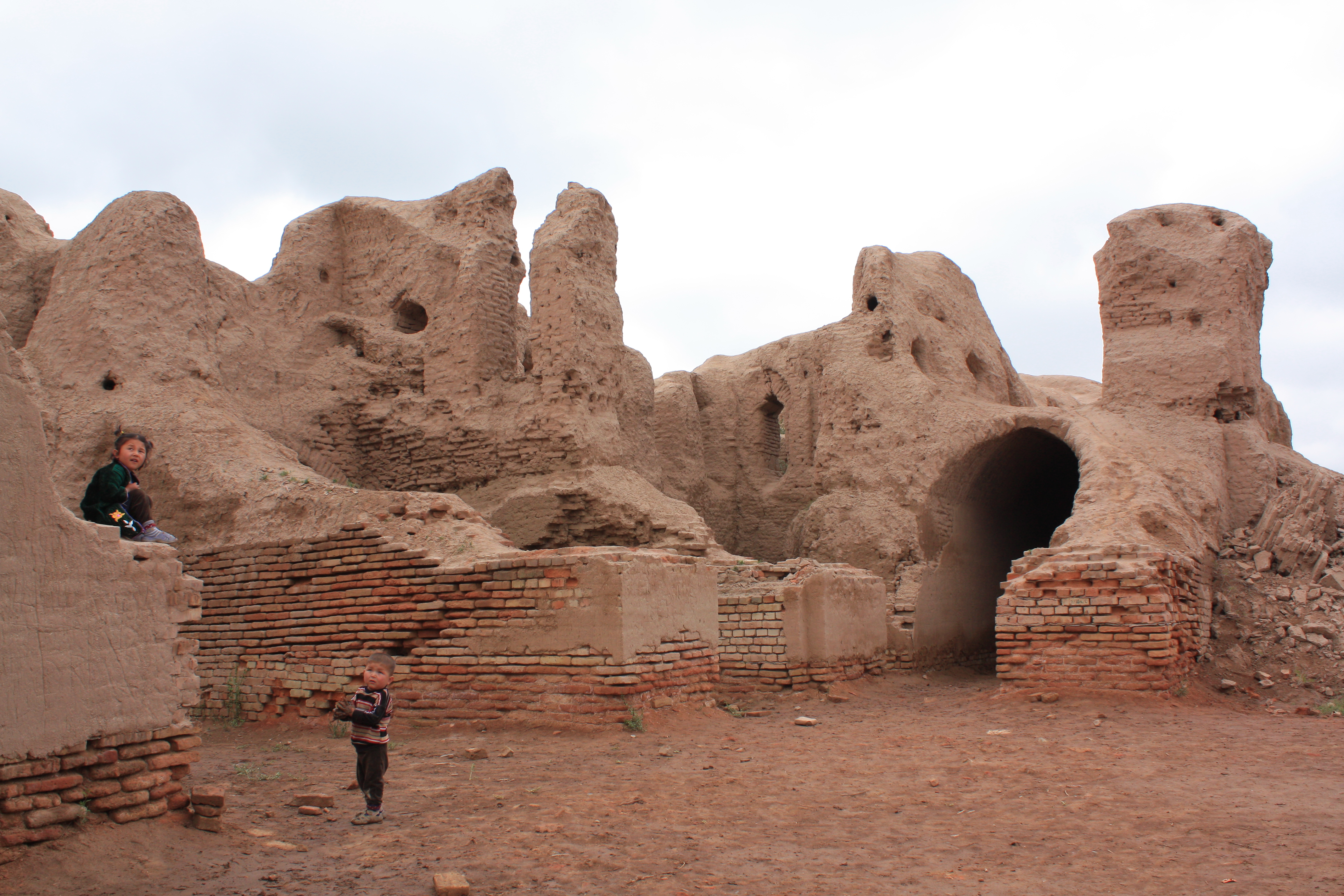
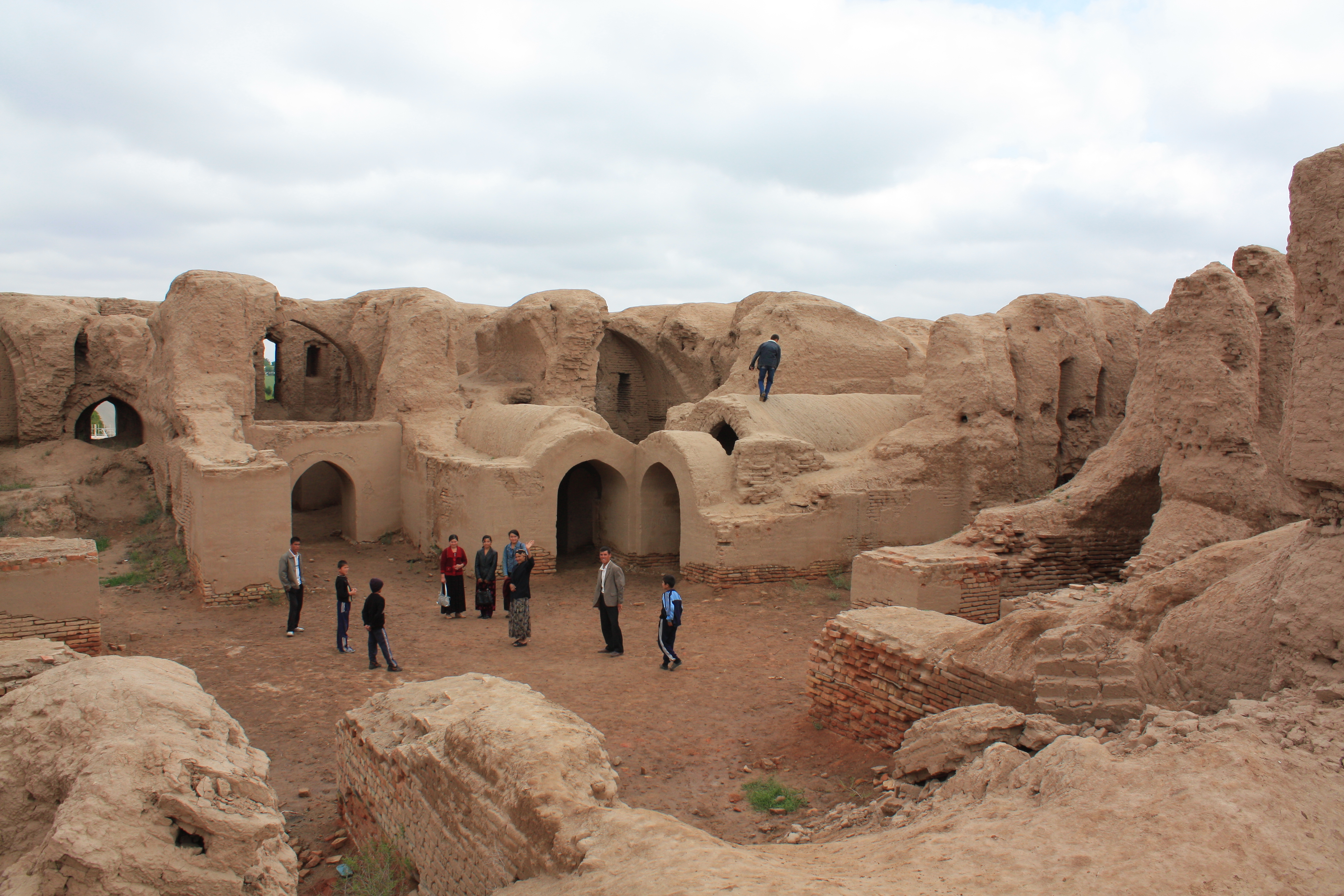
The Qirqqiz Fortress, located in the Surxondaryo region of Uzbekistan, is a significant archaeological site with roots dating back to the 9th century CE. Originally constructed by the Samanids, the fortress showcases a monumental architectural style, featuring thick mud brick walls, massive towers, and a complex layout of rooms and corridors. Its diverse functions have been hypothesized to include a girls’ madrasa, khanqah, or palace. The fortress endured several rebuilds and modifications until the 15th century, surviving a Mongol invasion that destroyed its second floor. Renowned for its historical significance as the first girls’ academy in the region, Qirqqiz Fortress stands as a testament to early Islamic education and defense strategies in Central Asia. Today, it is recognized as a cultural heritage site of republican significance in Uzbekistan.
Gallery
Explore photographs of ancient structures, artifacts, and archaeological excavations
Historical Timeline
Journey through time and discover key events in this site's history
Reconstruction Phases
800 CE - 1400 CE
Construction by Samanids
800 CE
Mongol Invasion Destruction
1200 CE
Archaeological Features
Unique architectural and cultural elements found at this historical site
Defensive Structures
Miscellaneous Features
Water Management Features
Public and Civic Structures
Religious and Ritual Structures
Domestic and Habitation Structures
Plan Your Visit
Tours, travel arrangements, and practical information
More Sites in Uzbekistan
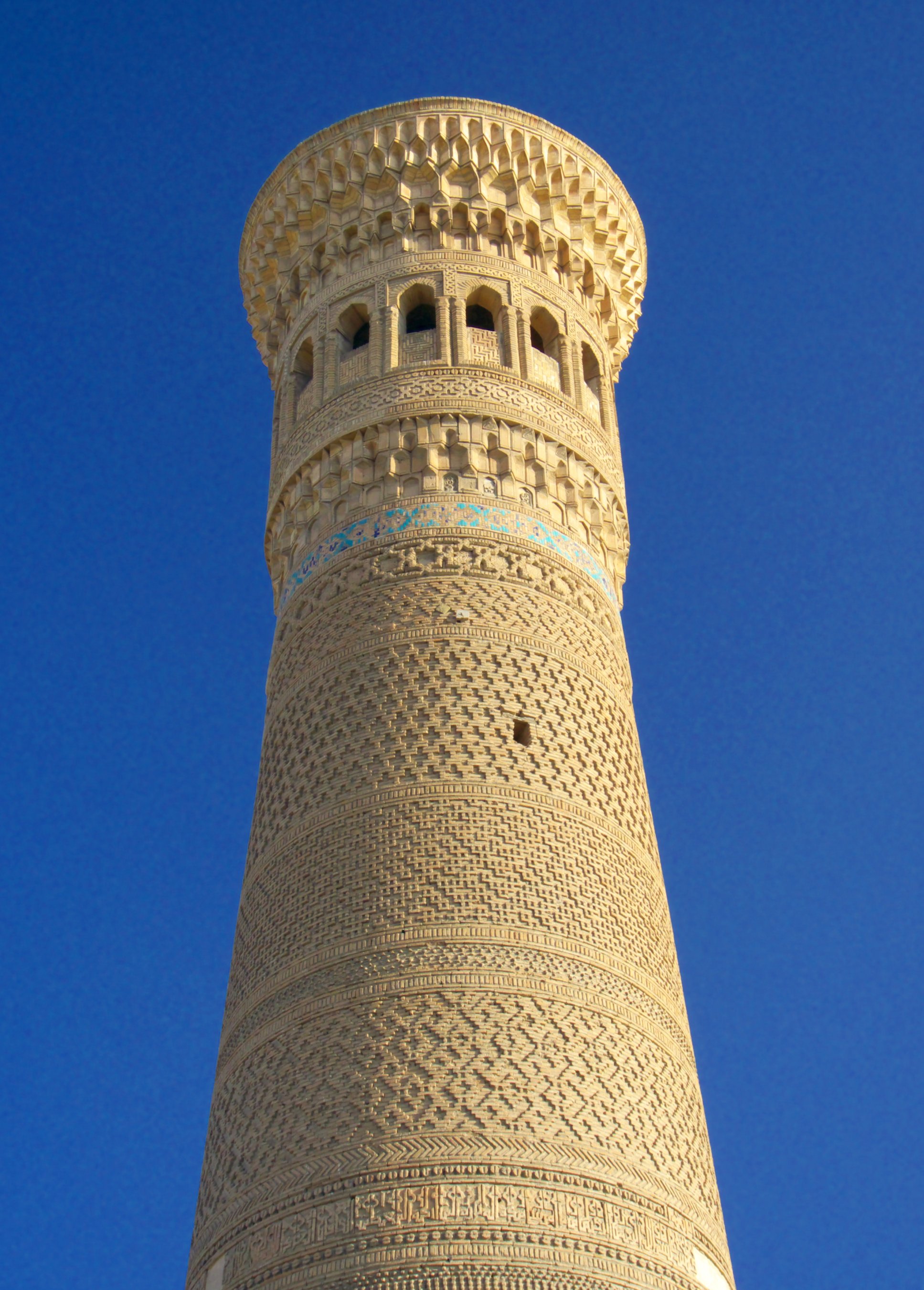
Varakhsha
Ancient city in Bukhara oasis, Sogdia.
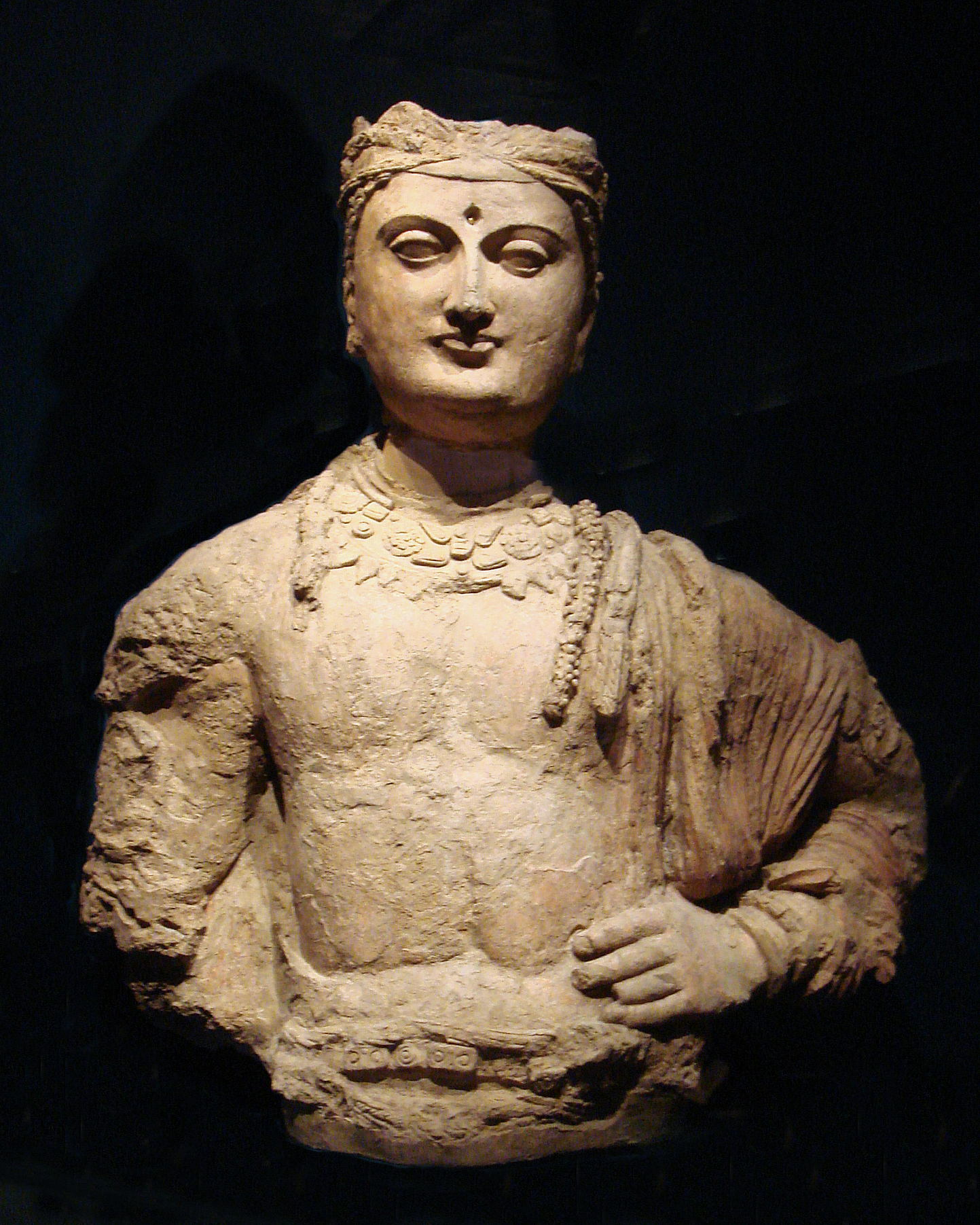
Dalverzin Tepe
Ancient fortified Kushan city with temples.
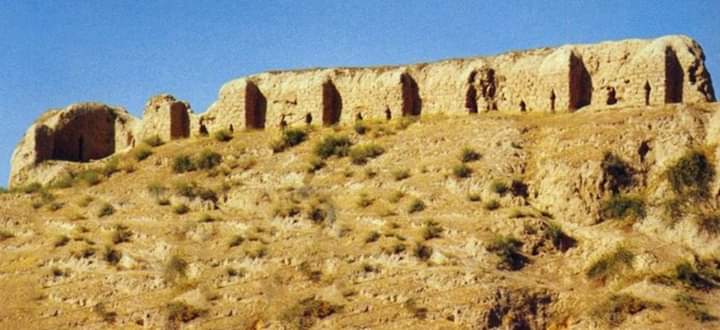
Afrasiyab (Samarkand)
Ancient Samarkand site with defensive features
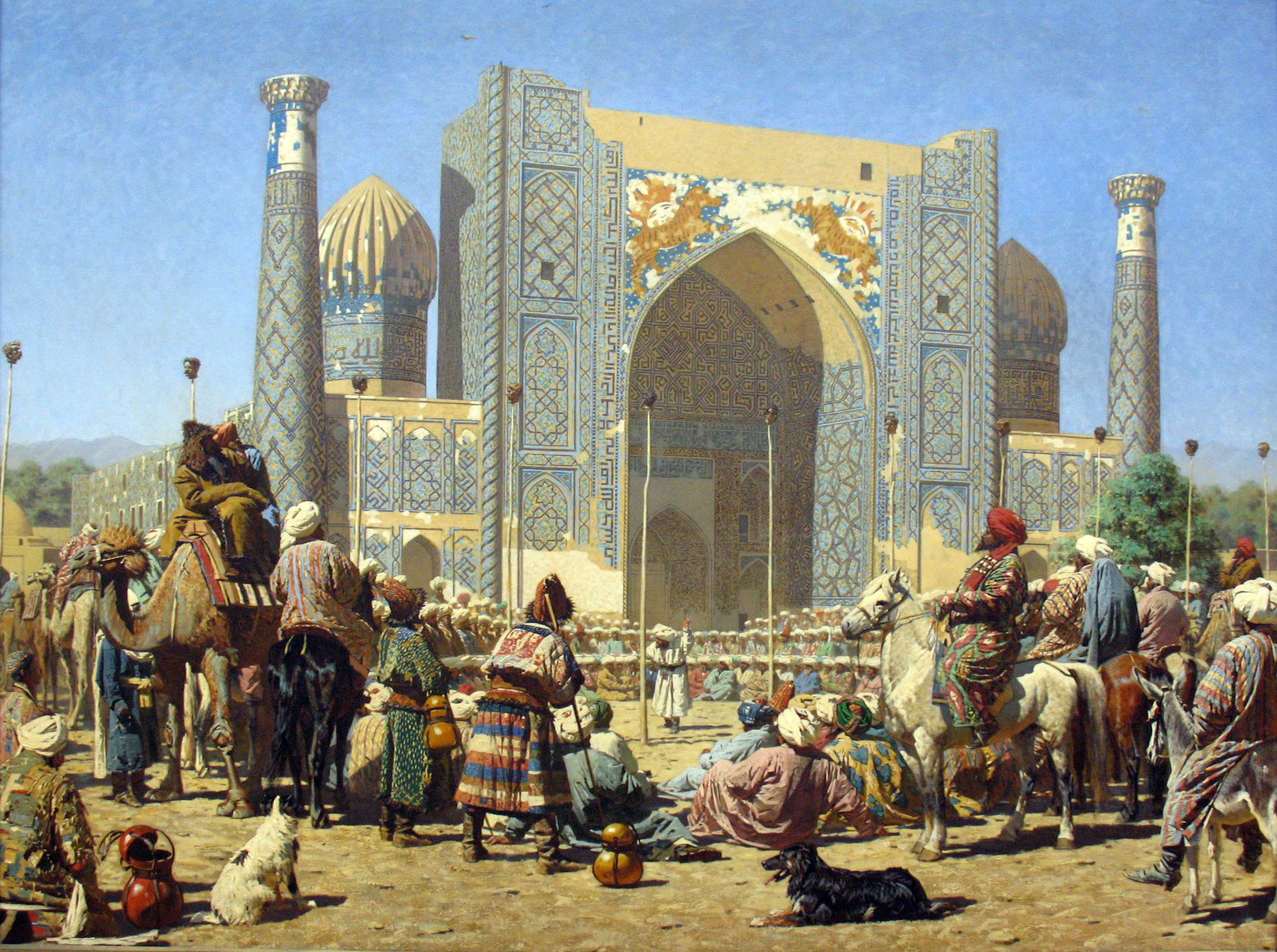
Samarkand
Ancient city with rich cultural heritage
Fayaz Tepe
Buddhist site with temple and monastery
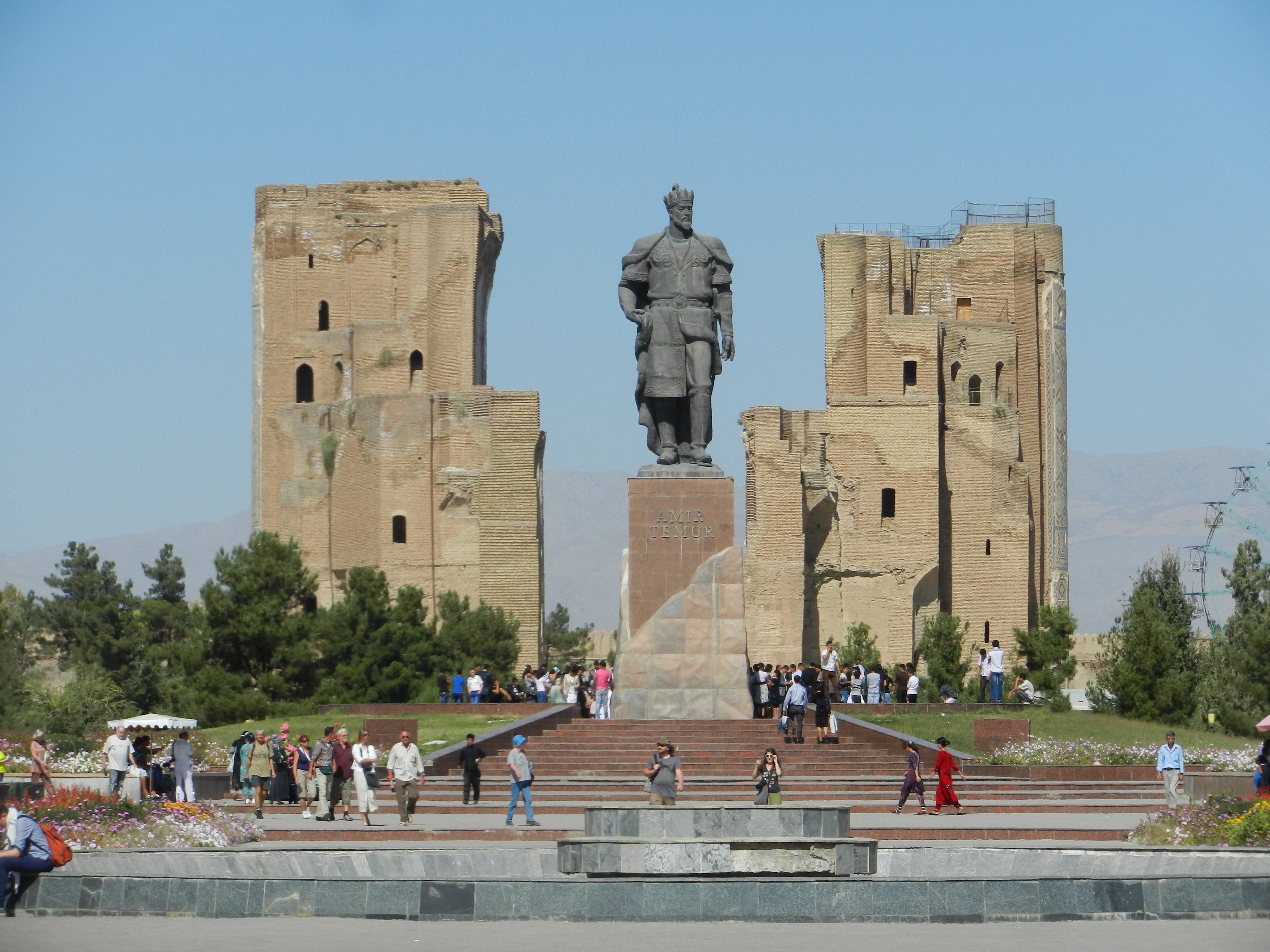
Ak-Saray Palace
Ruined Timurid palace with decorative remnants.