

Explore the Map
Qal'at Bani Hammad
35.8139° N, 4.7933° E
About
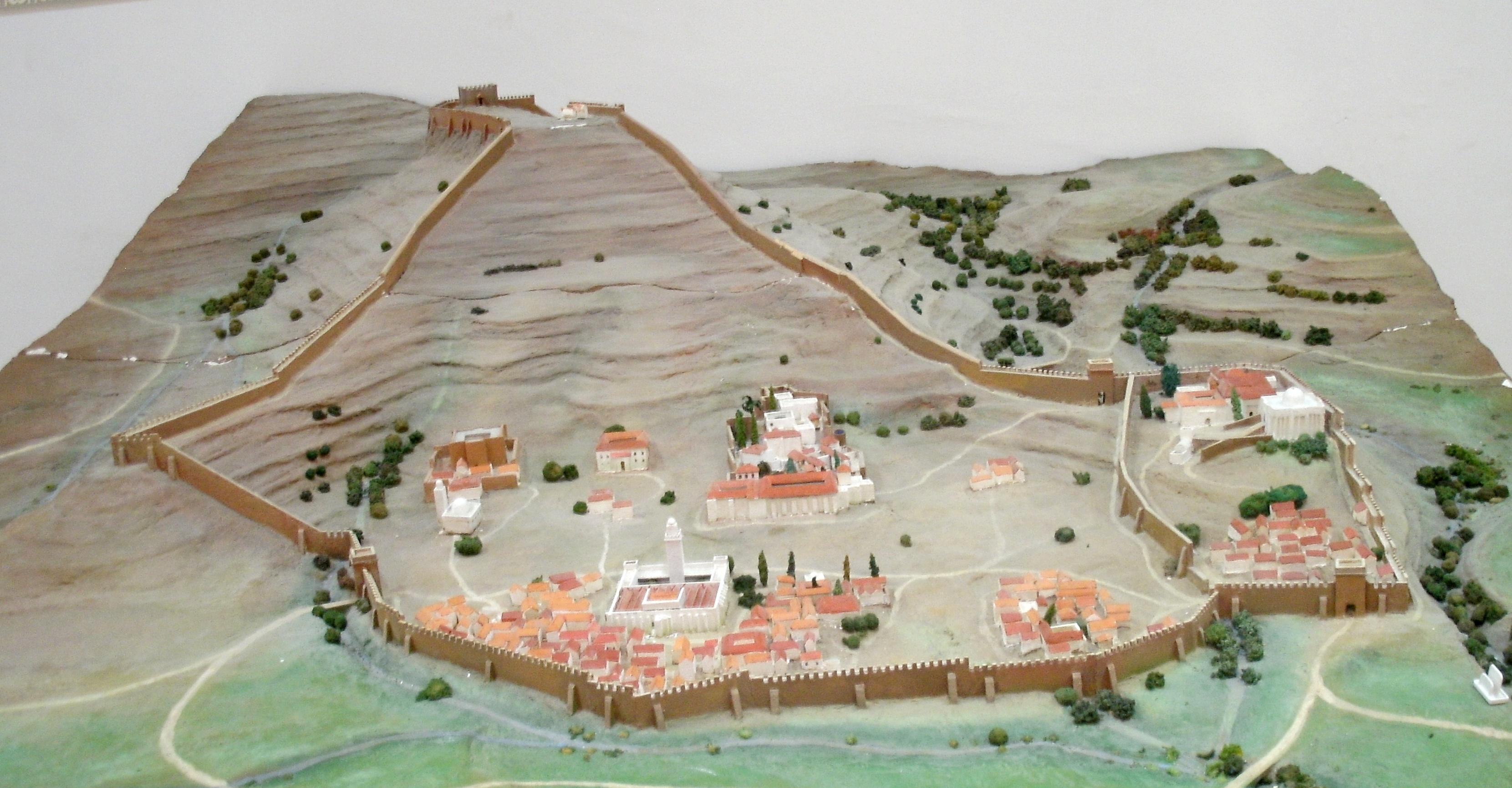
Qal'at Bani Hammad is a significant archaeological site located in the Hodna Mountains of Algeria. Established in 1007 CE by Hammad ibn Buluggin, it served as the first capital of the Hammadid dynasty. Positioned at an elevation of 1,418 meters, the city was strategically fortified with a 7-kilometer long line of defensive walls. Inside, the city housed several palaces, including the notable Dar al-Bahr, and a large mosque with a towering minaret reminiscent of the Grand Mosque of Kairouan. Qal'at Bani Hammad was a vibrant center of commerce and culture, attracting traders and scholars from across the Islamic world. Despite its eventual abandonment in 1090 CE and partial destruction in 1152 CE, the site's ruins offer invaluable insights into the architectural and cultural advancements of the Hammadid period.
Gallery
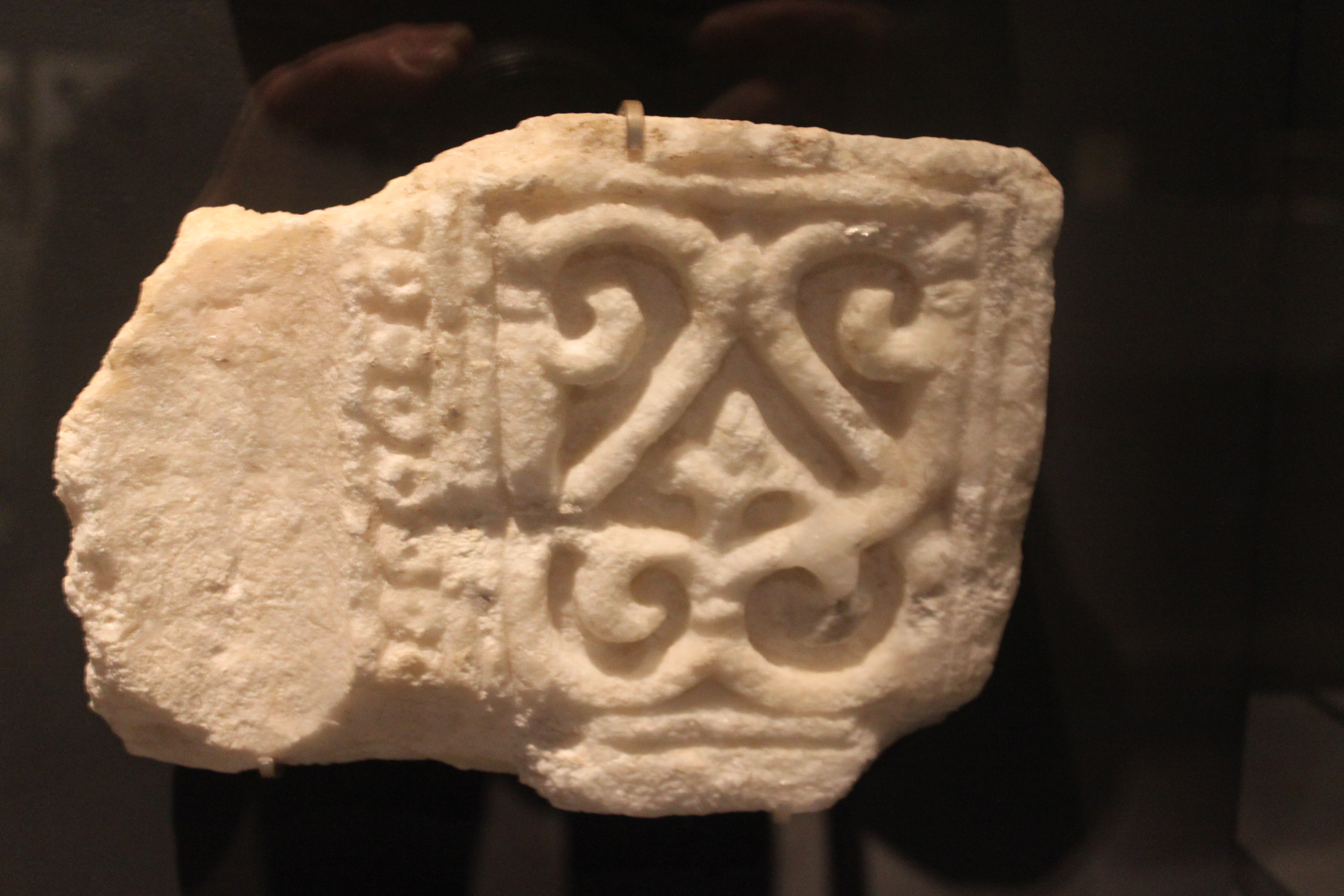
Explore photographs of ancient structures, artifacts, and archaeological excavations
Historical Timeline
Journey through time and discover key events in this site's history
City construction begins
1007 CE
Siege and survival
1017 CE
City abandoned
1090 CE
Partial destruction by Almohads
1152 CE
Archaeological Features
Unique architectural and cultural elements found at this historical site
Defensive Structures
Water Management Features
Religious and Ritual Structures
Artistic and Decorative Features
Agricultural and Land Use Features
Domestic and Habitation Structures
Frequently Asked Questions
Plan Your Visit
Tours, travel arrangements, and practical information

More Sites in Algeria
Tabuda
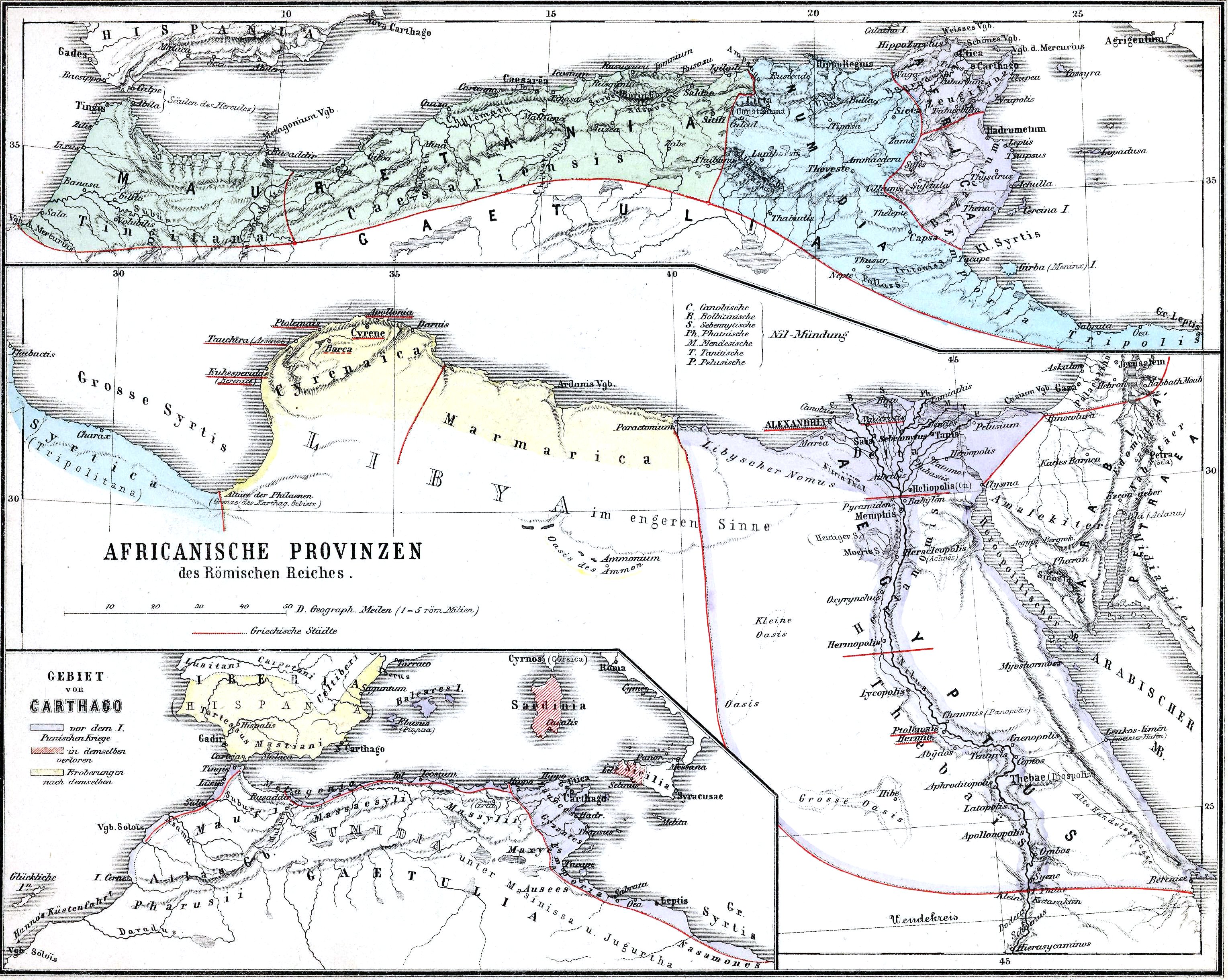
Roman-Berber colonia with stone ruins
Fortified Granaries of Aures
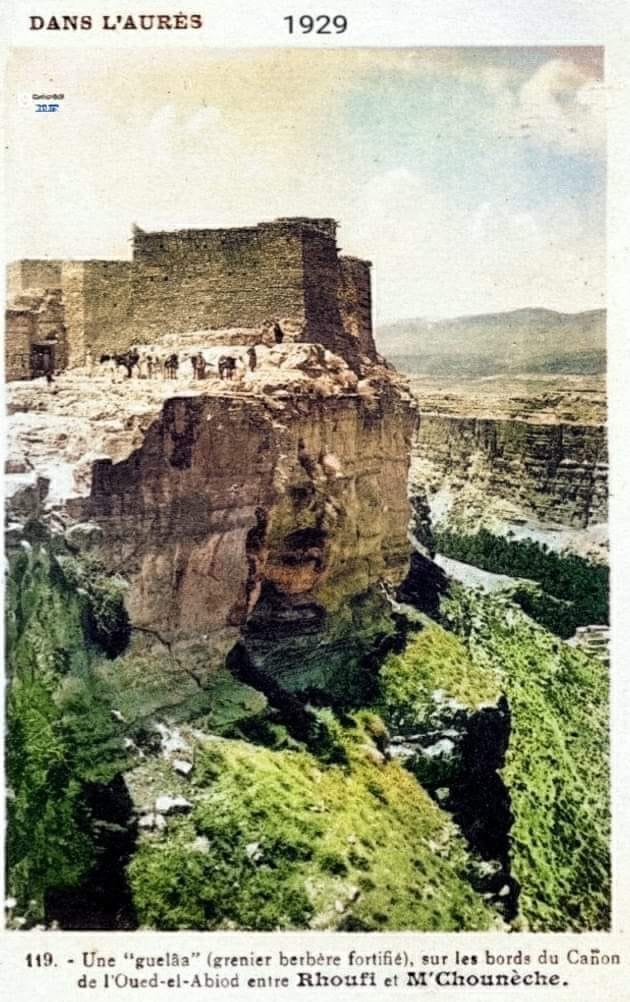
Defensible stone granaries in Aures Mountains.
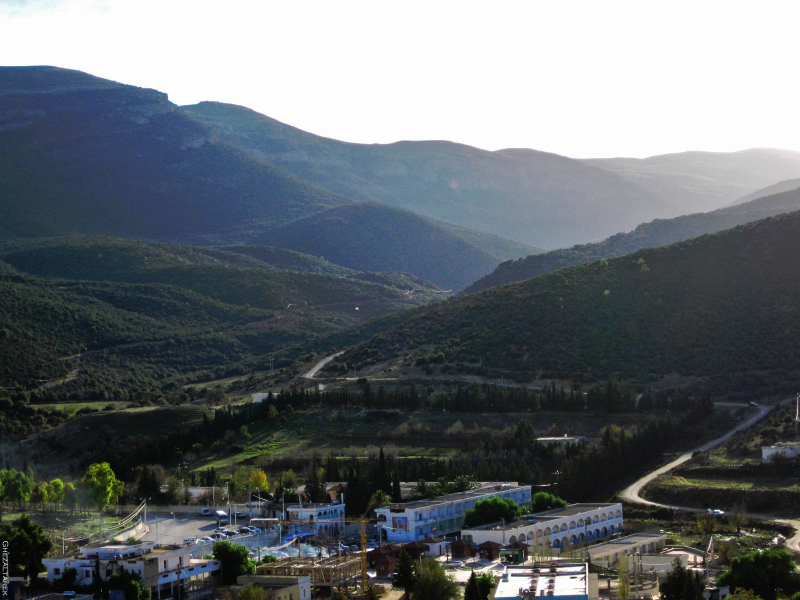
Bagai
Roman-Berber city with religious structures
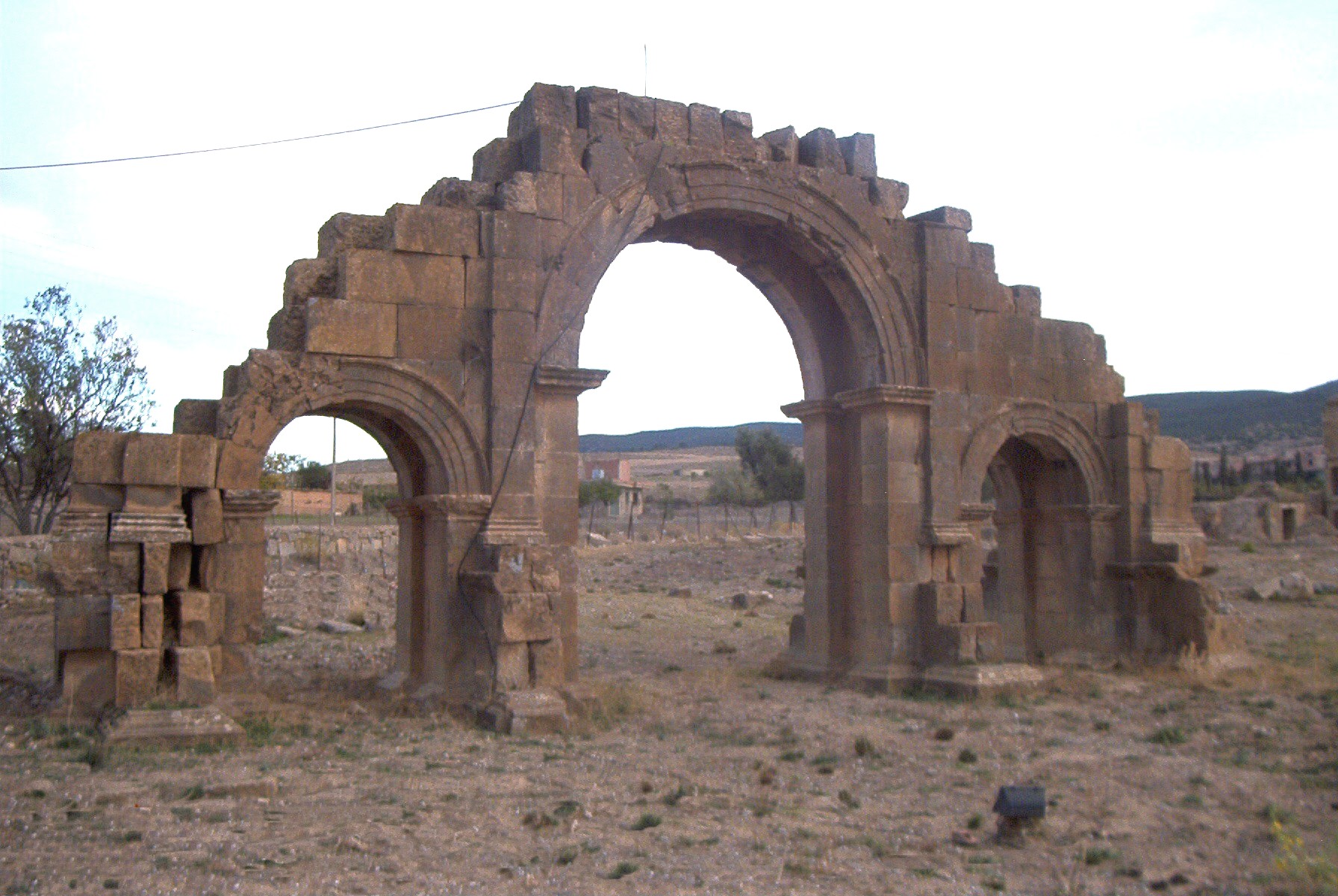
Lambaesis
Roman military camp with temples and arches

Cartennae
Ancient Carthaginian and Roman port in Algeria
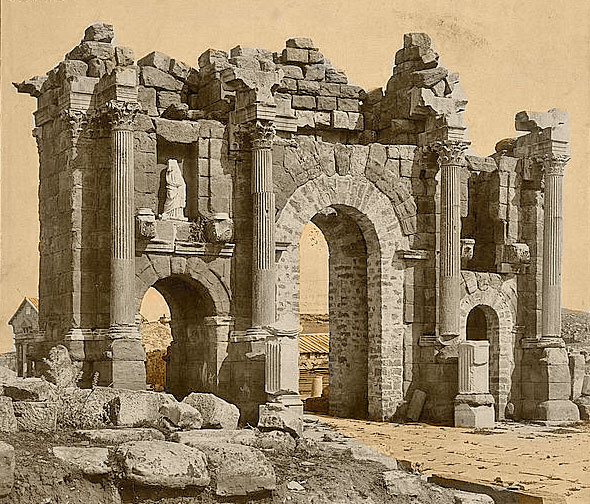
Timgad
Roman city with grid plan ruins