
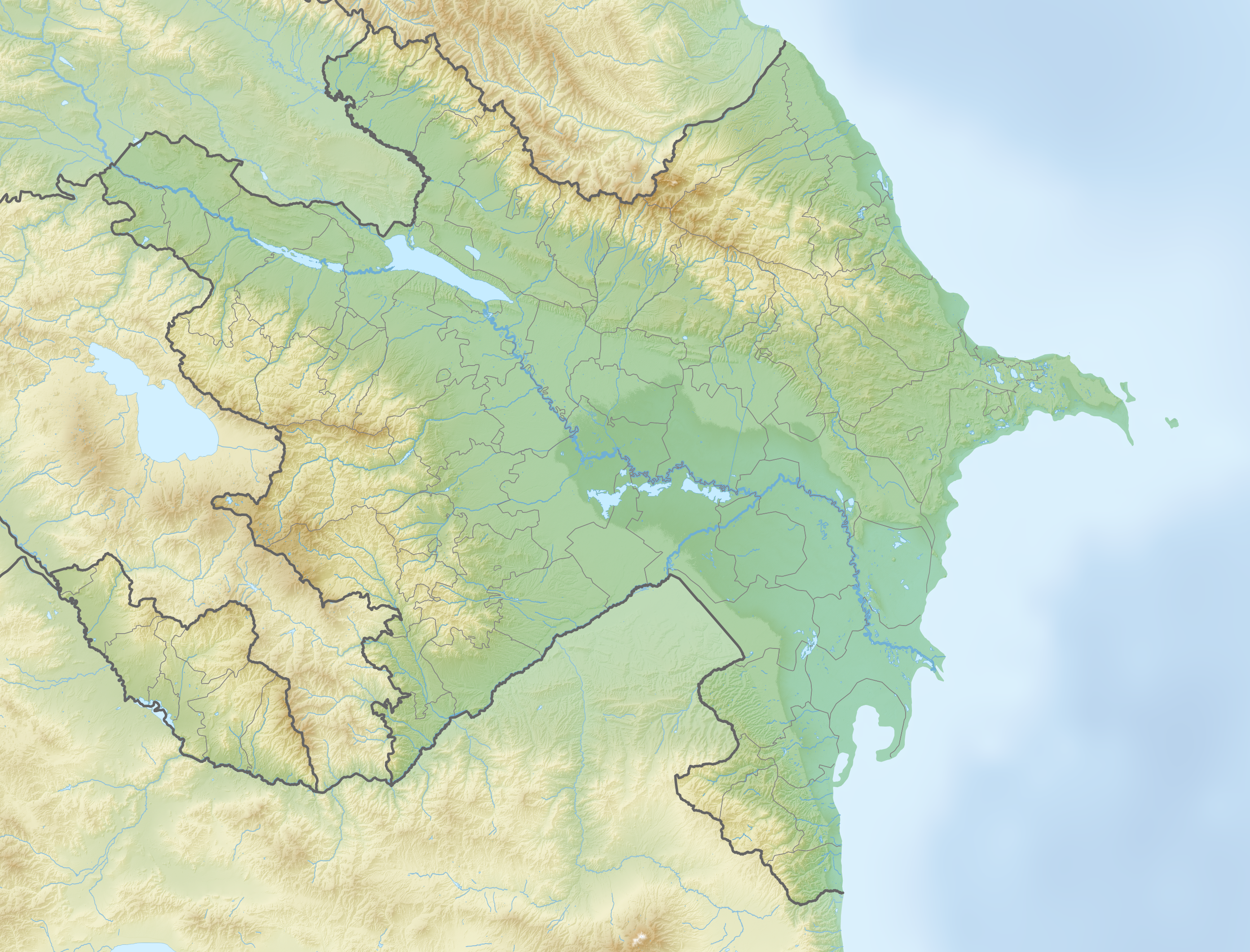
Explore the Map
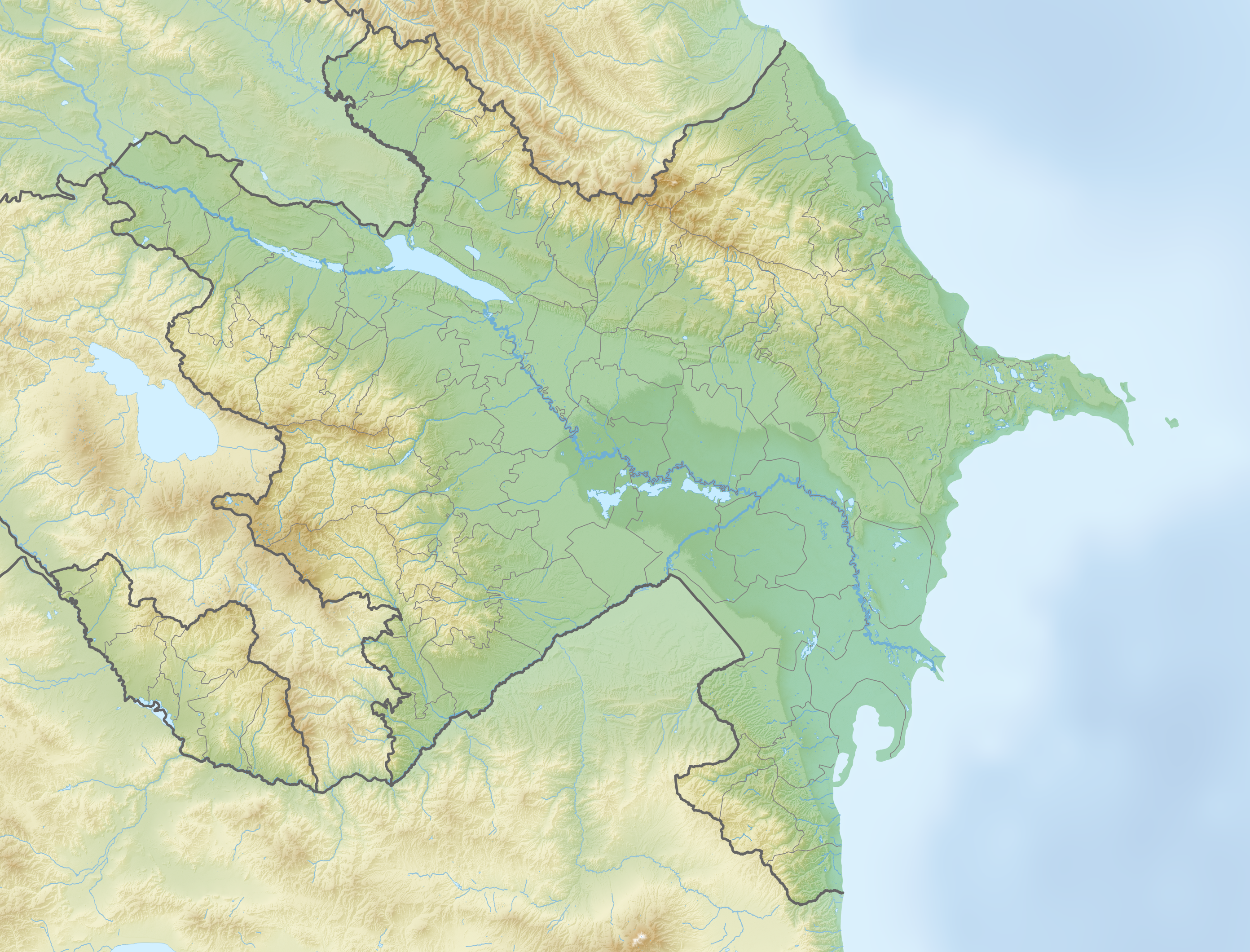
Buzeyir cave
38.7267° N, 48.3961° E
About
Buzeyir Cave, located in Lerik Rayon, Azerbaijan, is an archaeological site of significant importance dating back to the Middle Paleolithic period. Discovered in 1985, the cave has provided valuable insights into the life of ancient humans, particularly the Neanderthals, who inhabited the area around 60,000 years ago. The cave, positioned on the left bank of the Zuvandchay River at an altitude of 1,640 meters, served as a shelter and habitation site. Archaeological excavations revealed stone tools, animal bones, and multiple stratified layers indicating different periods of occupation. These findings highlight the cave's role in understanding the Mousterian culture and the subsistence strategies of its inhabitants. Buzeyir Cave adds to the region's archaeological significance, offering a glimpse into the prehistoric past and the adaptations of early humans in the Talysh Mountains.
Gallery
Explore photographs of ancient structures, artifacts, and archaeological excavations
Historical Timeline
Journey through time and discover key events in this site's history
Paleolithic Occupation
60,000 BCE
Archaeological Features
Unique architectural and cultural elements found at this historical site
Domestic and Habitation Structures
Environmental and Natural Features
Frequently Asked Questions
Plan Your Visit
Tours, travel arrangements, and practical information
More Sites in Azerbaijan
Zar Cave
Upper Paleolithic cave with artefacts and paintings.
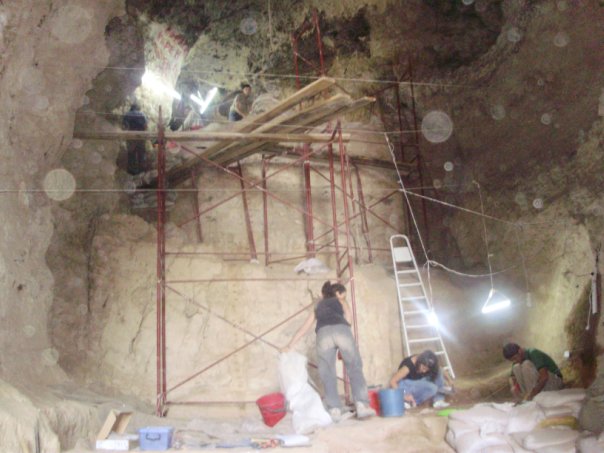
Azykh Cave
Prehistoric cave complex with human fossils
Allar Cave
Middle Paleolithic cave settlement in Azerbaijan
Damjili Cave
Half-circular cave with prehistoric artifacts
Gobustan Rock Art Cultural Landscape
<p>Gobustan Rock Art Cultural Landscape covers three areas of a plateau of rocky boulders rising out of the semi-desert of central Azerbaijan, with an…
Gamigaya Petroglyphs
Petroglyphs of animals and symbols on rocks.