Explore the Map
Kolobeng Mission
-24.6547° N, 25.6655° E
About
Kolobeng Mission, established by David Livingstone in 1847, is a historically significant site located in present-day Botswana. It served as a mission station with a church and a school, and was also the residence of the Livingstone family. The site is notable for its early water management systems, including a dam and irrigation canals that were crucial for agriculture, particularly during a severe drought between 1848 and 1849. In 1852, the mission was attacked during the Battle of Dimawe, leading to its abandonment. Presently, the site is preserved by Botswana's Department of National Museum and Monuments, with remnants of its irrigation infrastructure and building foundations still visible, offering insights into mid-19th century missionary and colonial endeavors in southern Africa.
Historical Timeline
Journey through time and discover key events in this site's history
Kolobeng Mission established
1847 CE
Severe drought at Kolobeng
1848-1849 CE
Battle of Dimawe at Kolobeng
1852 CE
Archaeological Features
Unique architectural and cultural elements found at this historical site
Water Management Features
Public and Civic Structures
Religious and Ritual Structures
Domestic and Habitation Structures
Frequently Asked Questions
Plan Your Visit
Tours, travel arrangements, and practical information
More Sites in Botswana
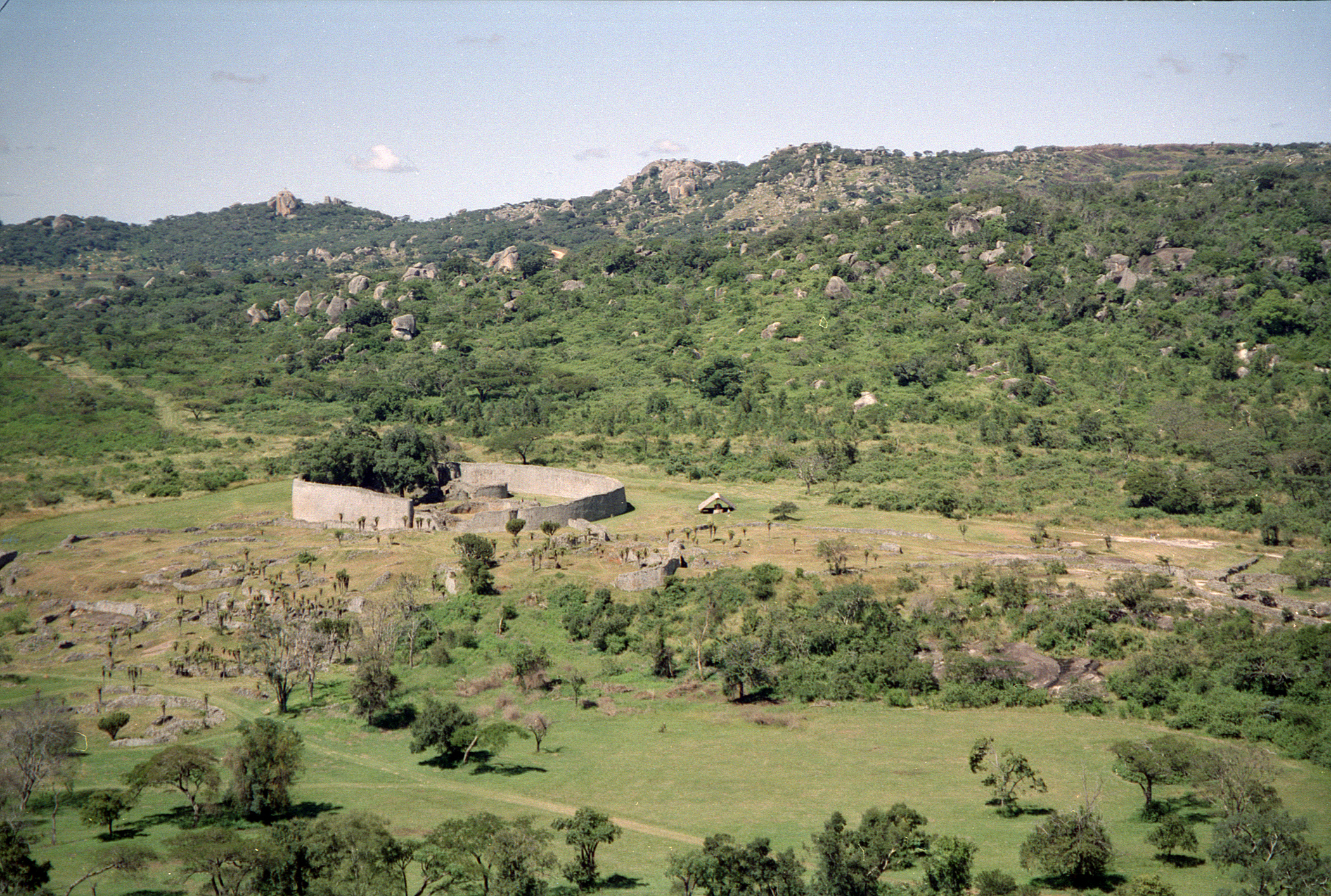
Bosutswe
Hilltop site with continuous occupation evidence.
Matsieng Footprints
Ancient rock engravings with human and animal footprints.
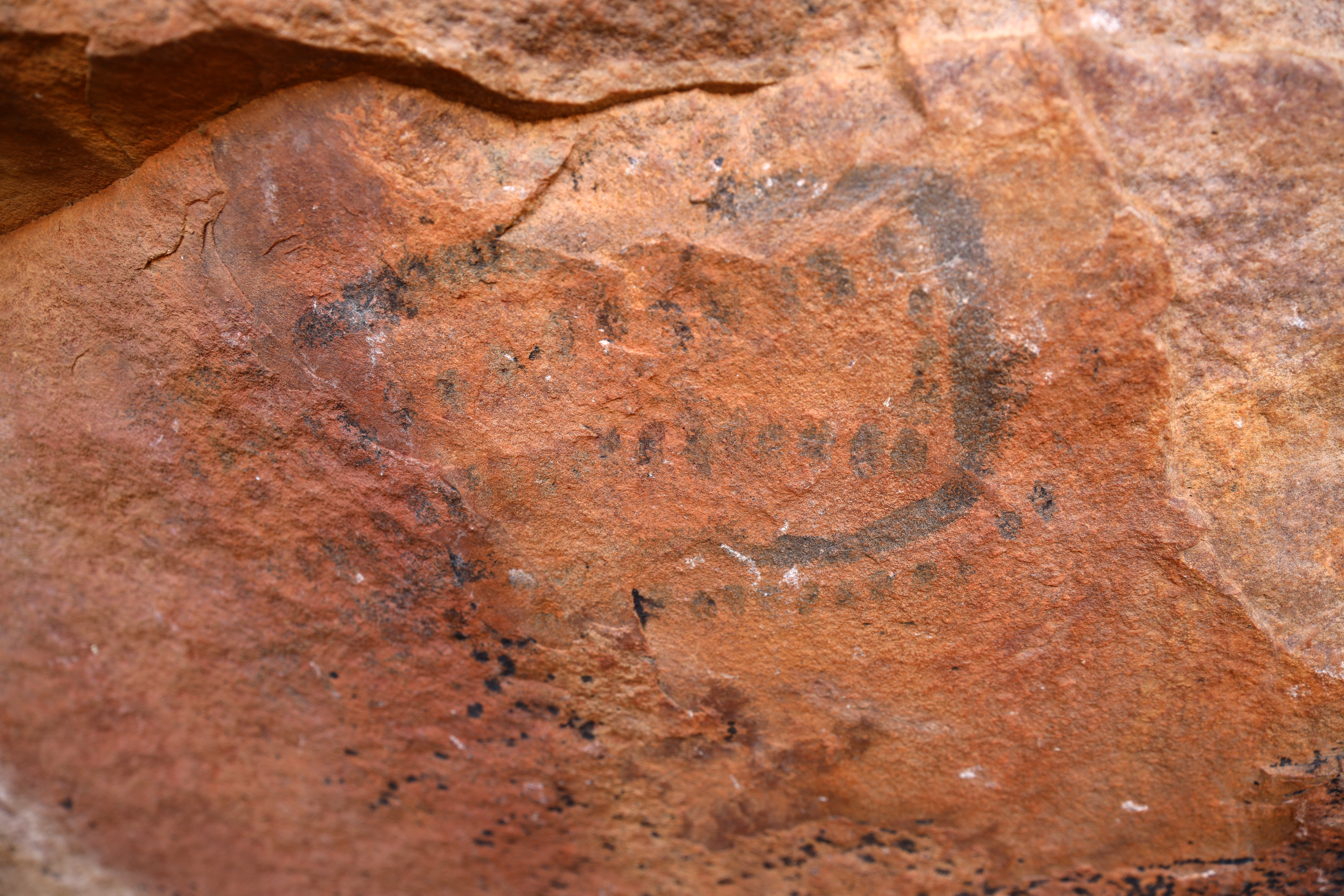
Manyana Rock Paintings
Rock art site with Khoikhoi or San paintings.
Toutswemogala Hill
Iron Age settlement on flat-topped mesa.
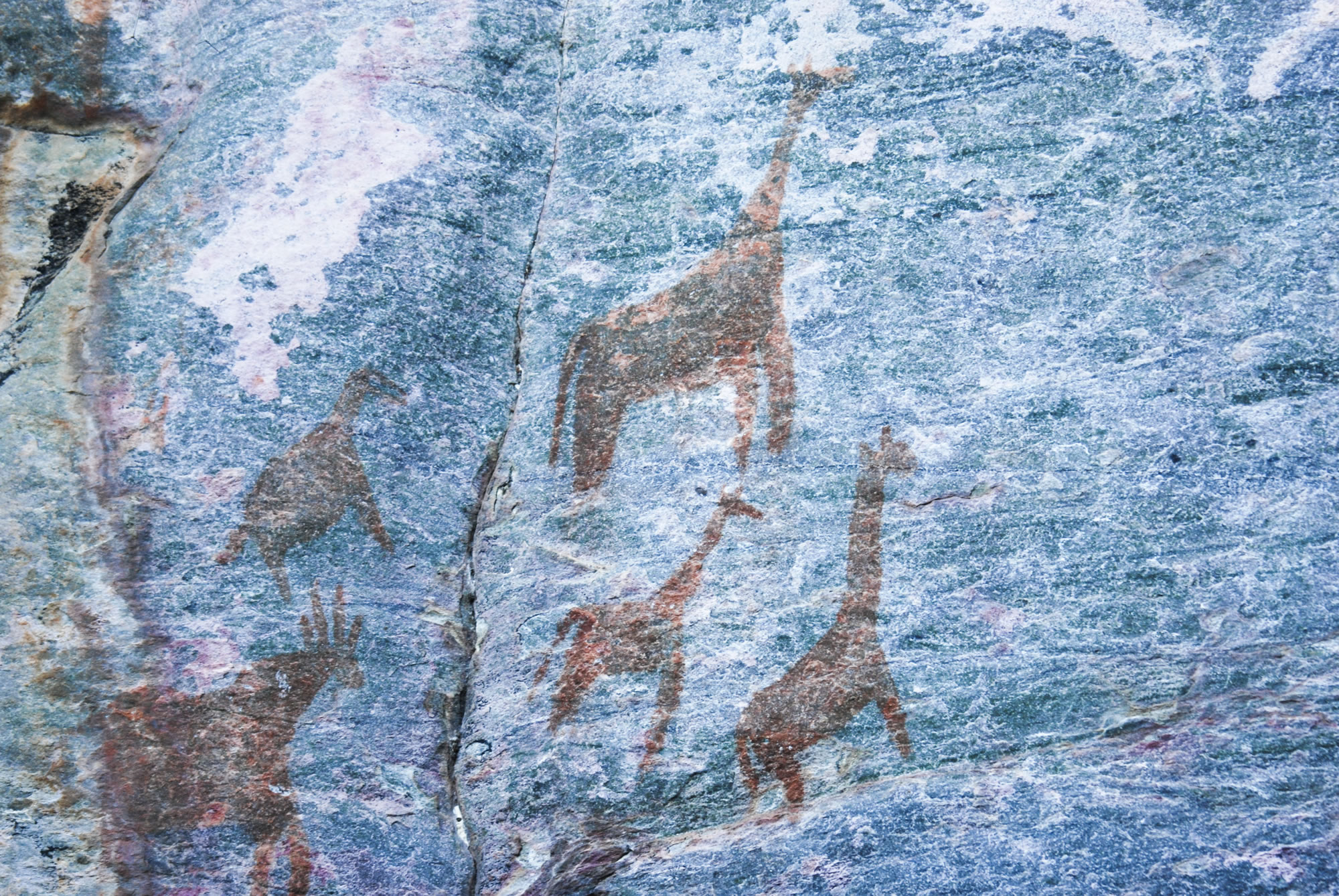
Tsodilo
Rock art and habitation site in Botswana