Explore the Map
Matsieng Footprints
-24.5883° N, 26.1572° E
About
The Matsieng Footprints archaeological site, located in southeastern Botswana near Gaborone, is renowned for its collection of natural rock engravings, known as petroglyphs. These engravings, numbering up to 117, include human and animal footprints, with some resembling feline-like designs. The site comprises natural rock-holes believed to have formed as volcanic vents, which still serve as water collection points for local communities. The engravings date back between 3,000 to 10,000 years, indicating usage from the Upper Paleolithic through the Neolithic periods. The footprints, characterized by unique shapes such as U- or V-shaped heels and well-defined toes, were likely created by ancient hunter-gatherers, possibly ancestors of the San or Basarwa peoples. The site holds cultural significance, with ties to local folklore and ceremonial practices, particularly related to rain-making rituals.
Historical Timeline
Journey through time and discover key events in this site's history
Creation of Matsieng Footprints
3000 BCE, 7000 BCE
Archaeological Features
Unique architectural and cultural elements found at this historical site
Artistic and Decorative Features
Environmental and Natural Features
Frequently Asked Questions
Plan Your Visit
Tours, travel arrangements, and practical information
More Sites in Botswana
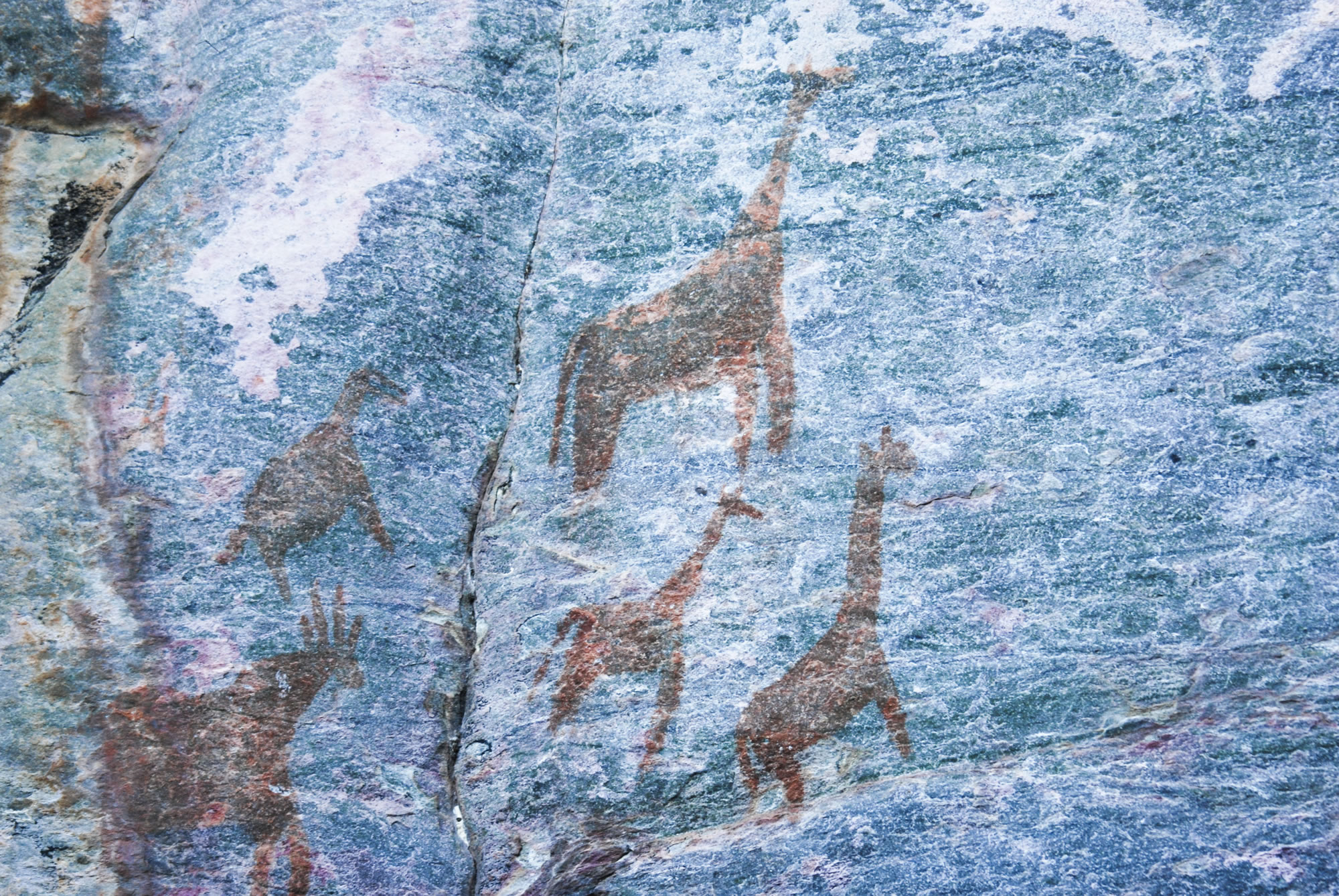
Tsodilo
Rock art and habitation site in Botswana
Kolobeng Mission
Mission site with irrigation and church ruins
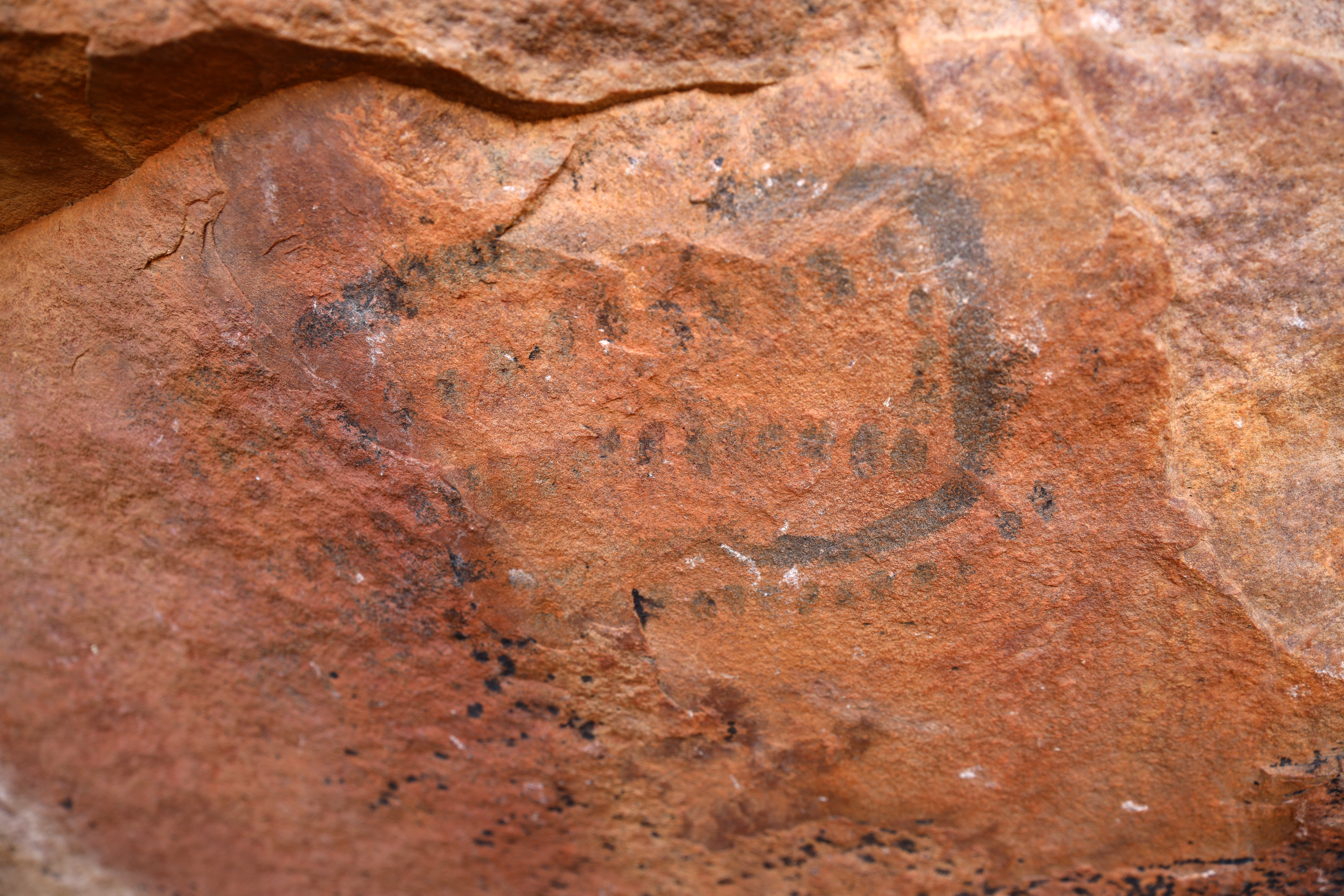
Manyana Rock Paintings
Rock art site with Khoikhoi or San paintings.
Toutswemogala Hill
Iron Age settlement on flat-topped mesa.
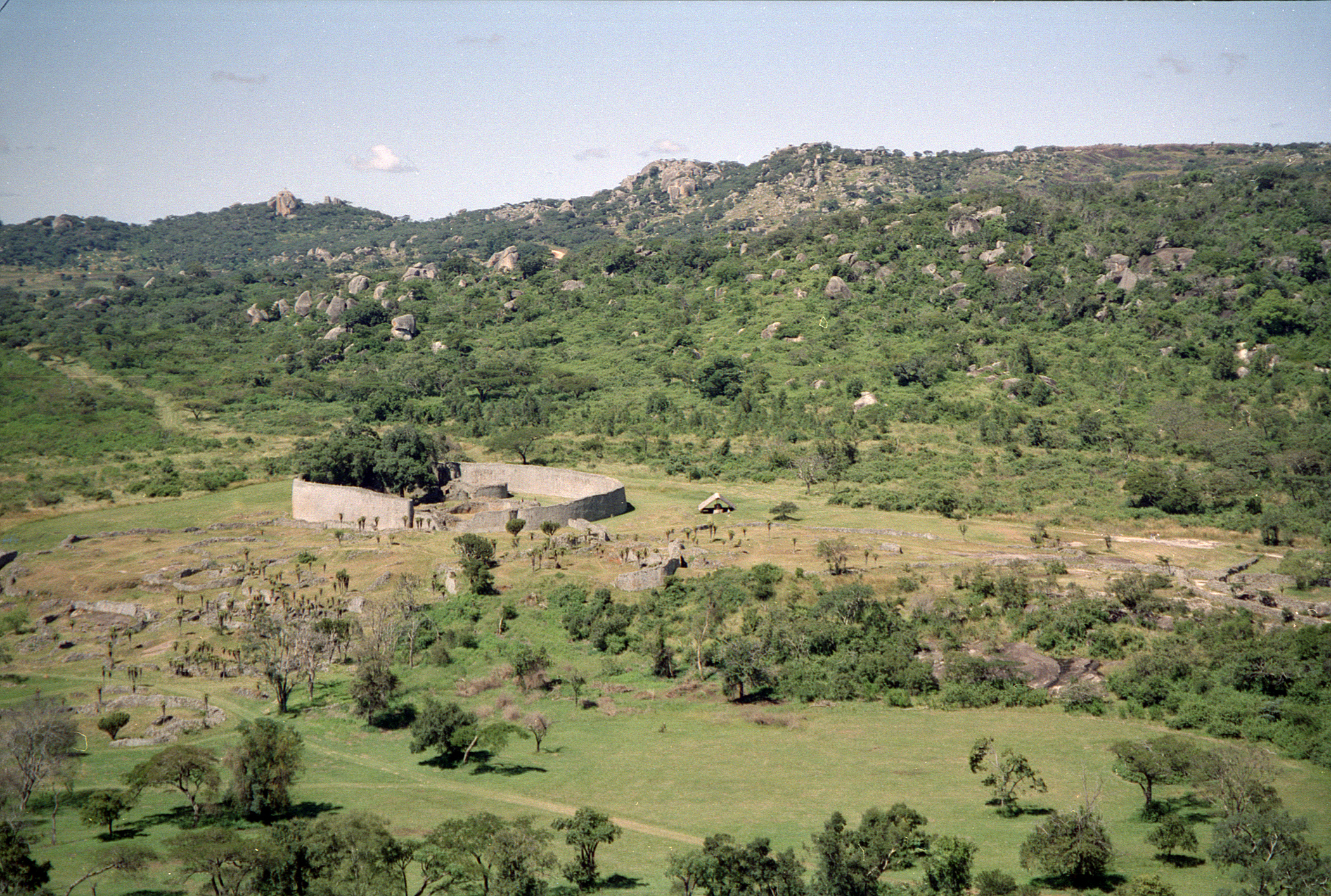
Bosutswe
Hilltop site with continuous occupation evidence.