
Explore the Map
Manyana Rock Paintings
-24.7644° N, 25.5911° E
About
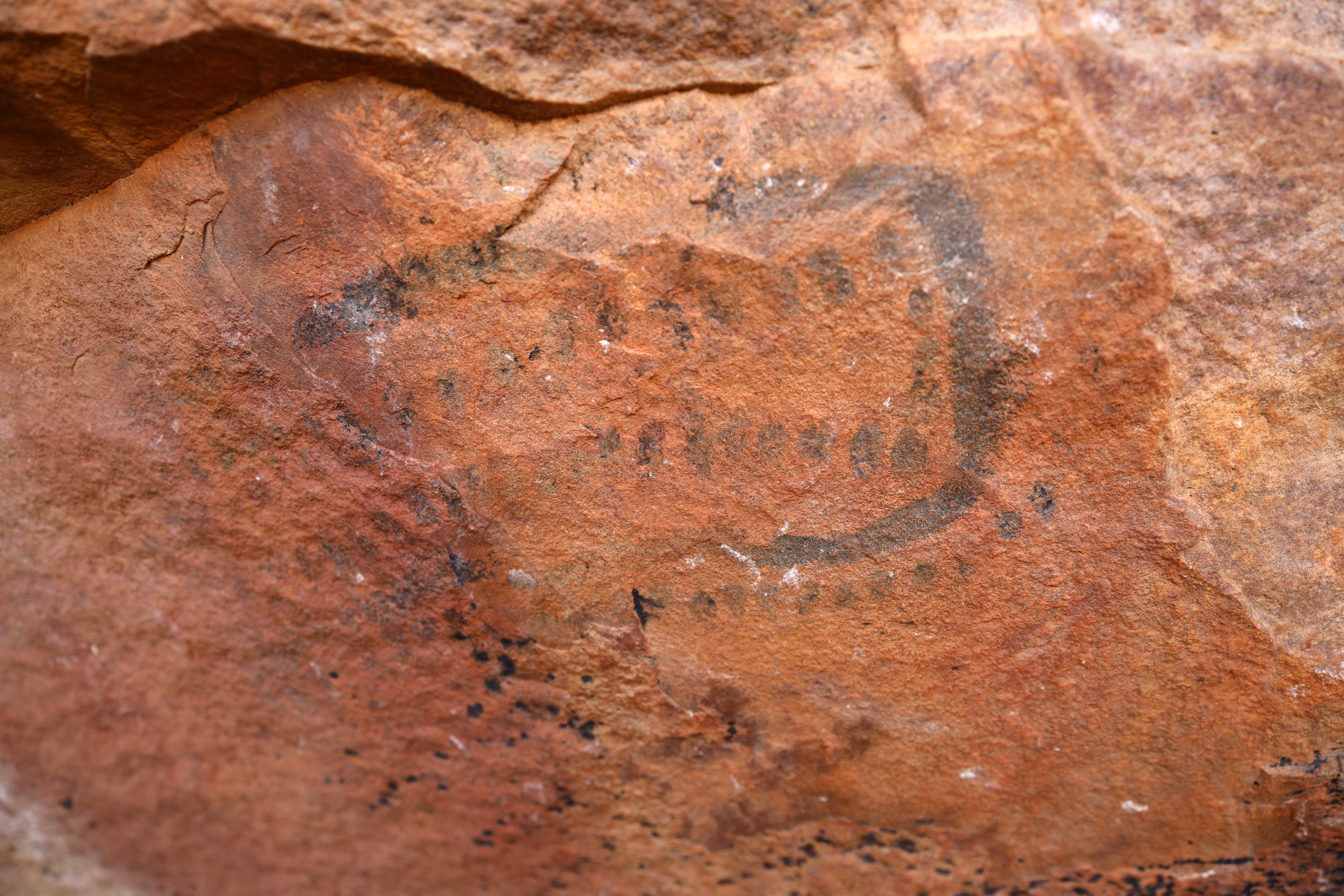
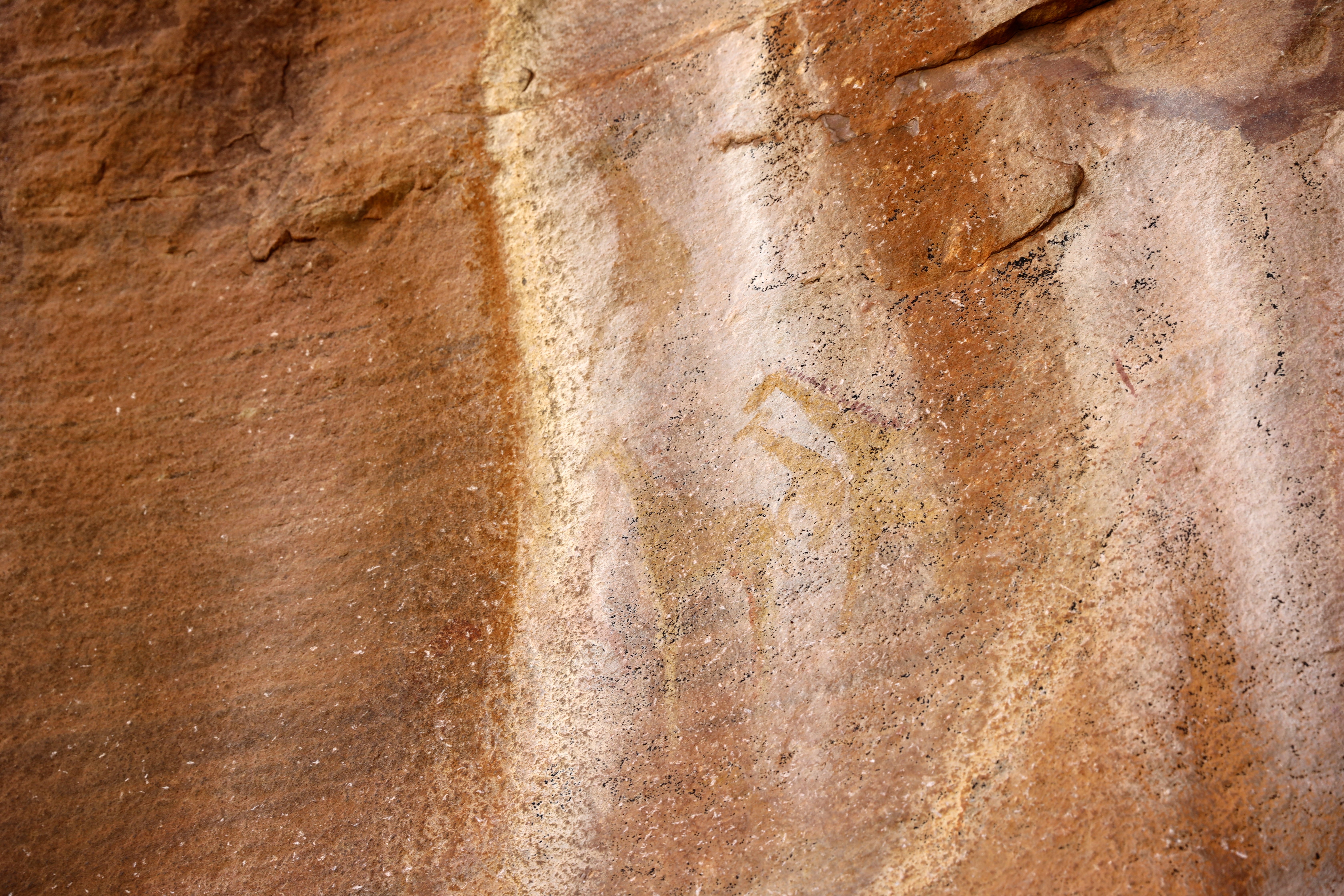
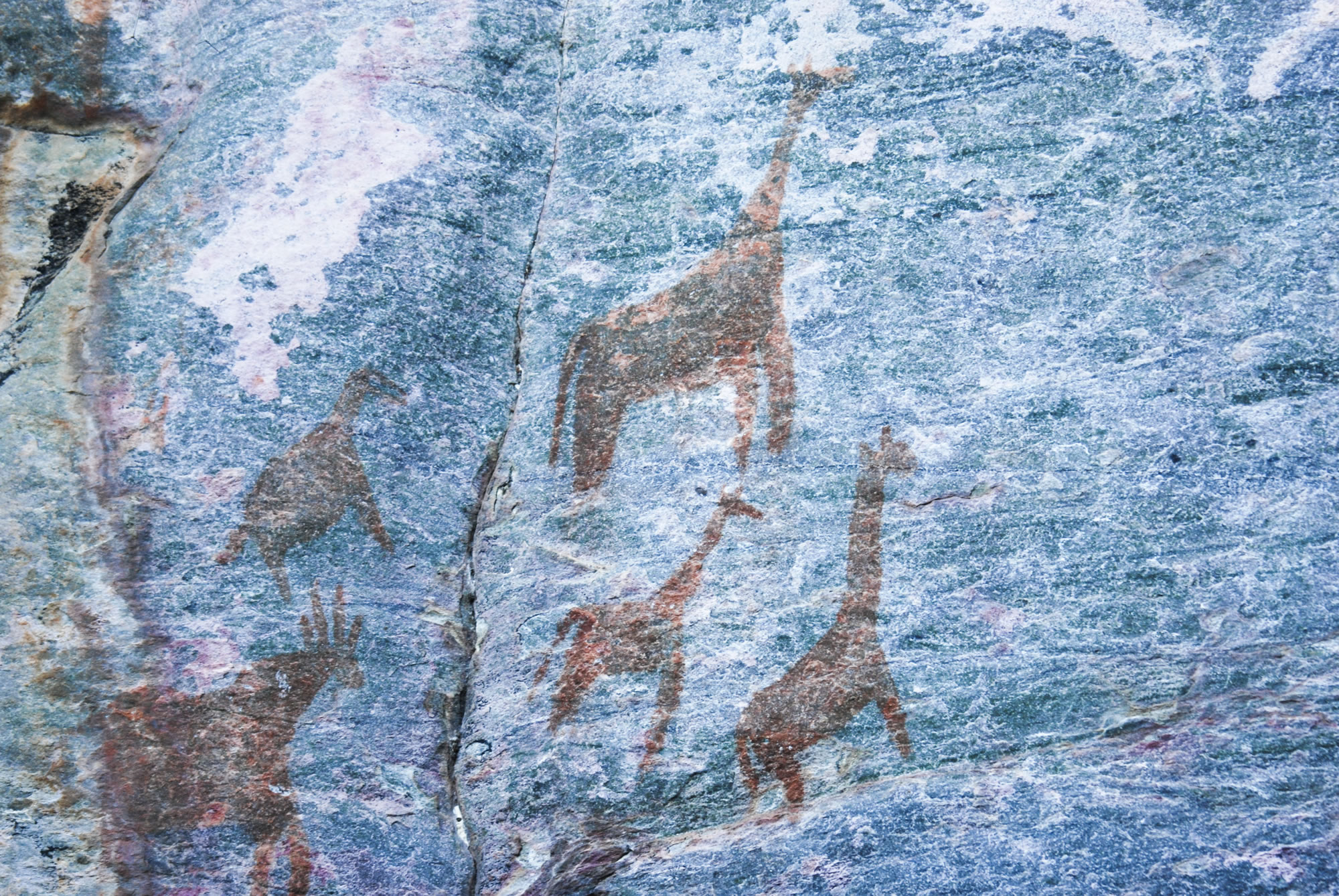
The Manyana Rock Paintings site, located at the Kolobeng hills in Botswana, is a significant archaeological site known for its Khoikhoi or San rock art created between 1100 CE and 1700 CE. The artwork, including depictions of mammals, plants, and abstract shapes, was likely part of religious rituals. The site also holds historical significance as Mmasechele Cave, where Sechele I's wife sought refuge during the 1852 Battle of Dimawe. Excavations at the site have unearthed over 7,000 Later Stone Age artifacts, including debitage and tools, as well as Iron Age pottery, indicating early habitation and subsequent contact with Iron Age herders. The paintings and artifacts provide valuable insights into the cultural and historical transitions in the region.
Gallery
Explore photographs of ancient structures, artifacts, and archaeological excavations
Historical Timeline
Journey through time and discover key events in this site's history
Later Stone Age occupation
1st to 8th century CE
Iron Age contact
10th to 13th century CE
Creation of rock paintings
1100 CE, 1700 CE
Mmasechele Cave shelter
1852 CE, 1853 CE
Archaeological Features
Unique architectural and cultural elements found at this historical site
Artistic and Decorative Features
Environmental and Natural Features
Frequently Asked Questions
Plan Your Visit
Tours, travel arrangements, and practical information
More Sites in Botswana
Toutswemogala Hill
Iron Age settlement on flat-topped mesa.
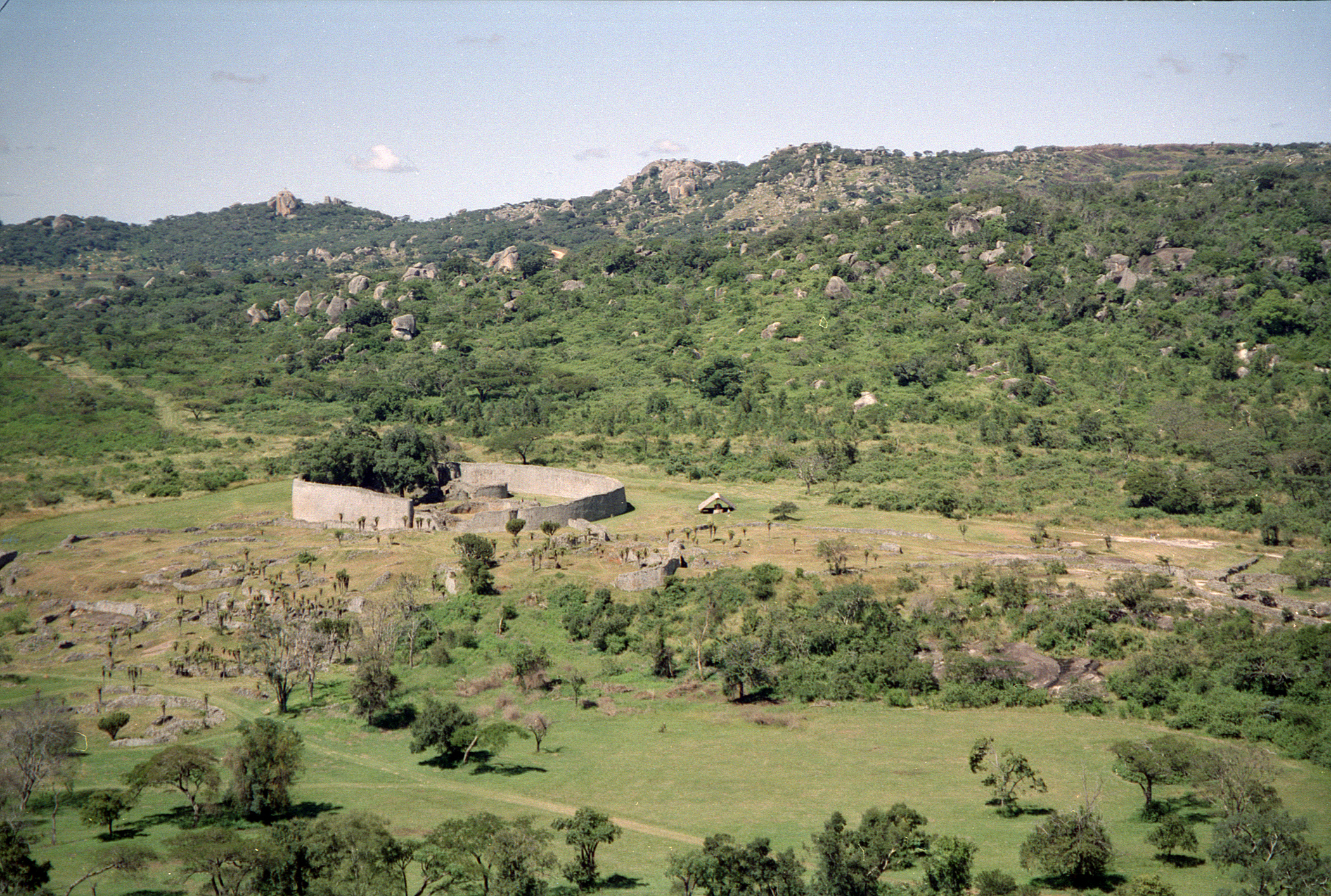
Bosutswe
Hilltop site with continuous occupation evidence.
Tsodilo
Rock art and habitation site in Botswana
Matsieng Footprints
Ancient rock engravings with human and animal footprints.
Kolobeng Mission
Mission site with irrigation and church ruins