
Explore the Map
Tsodilo
-18.7500° N, 21.7333° E
About
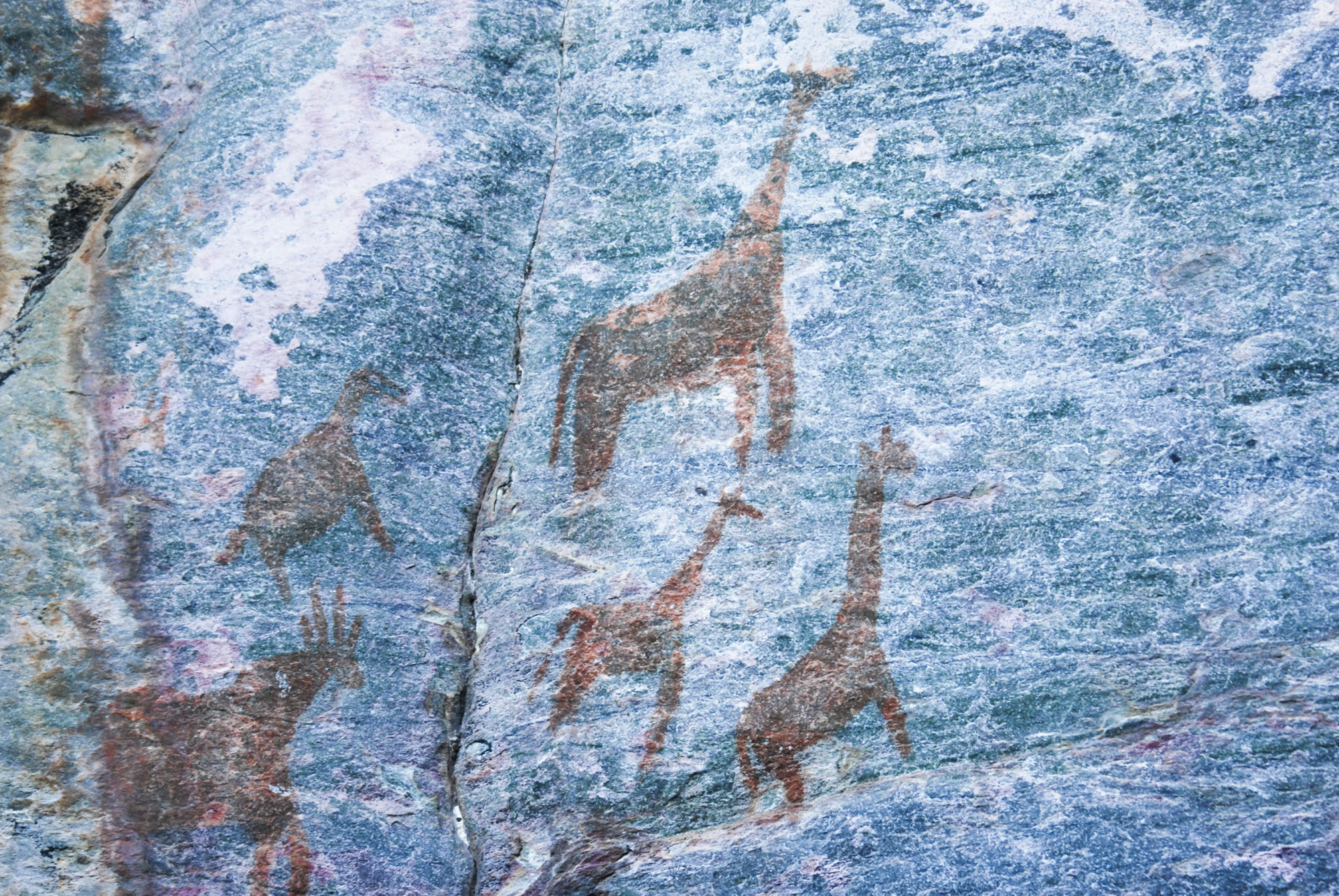
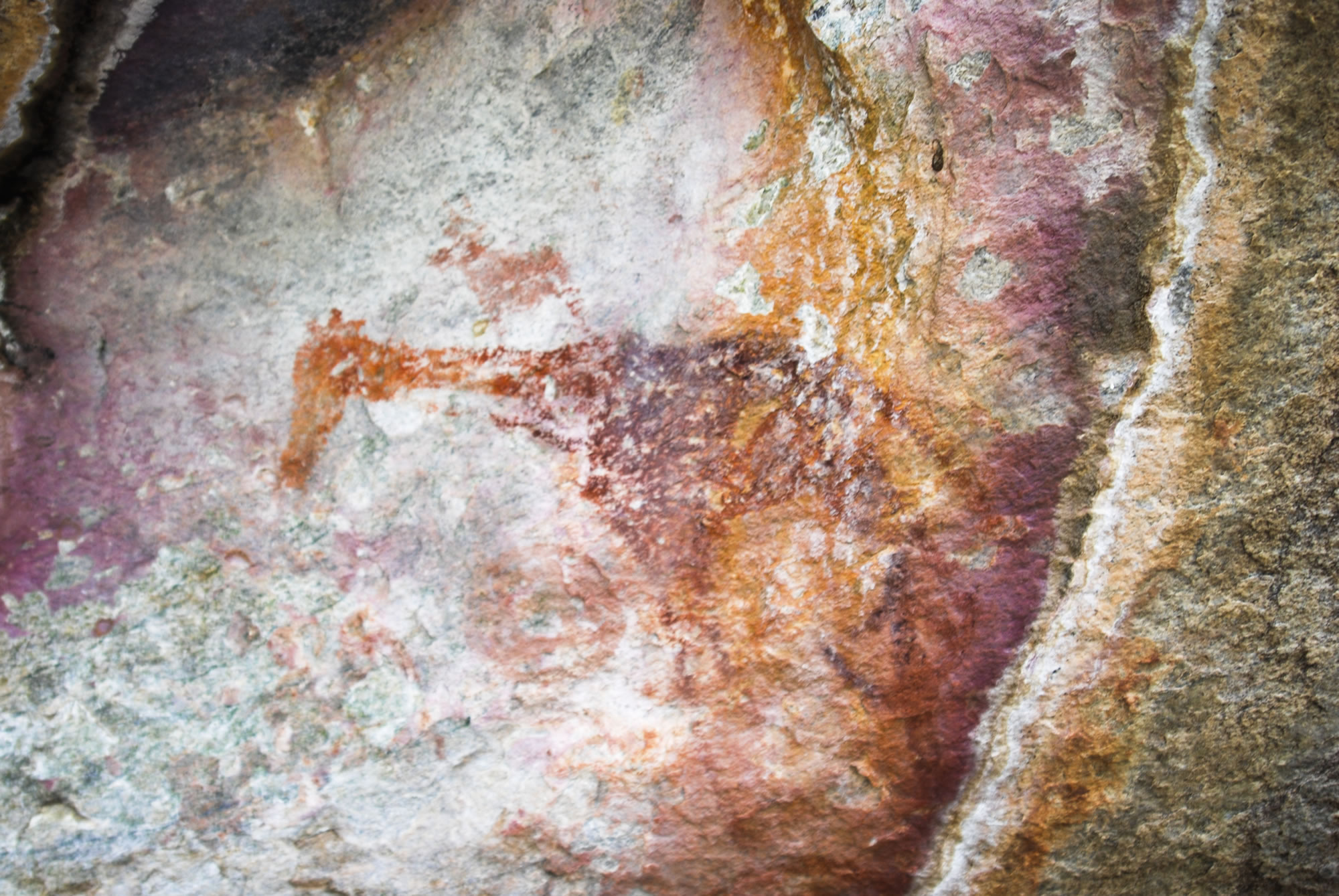
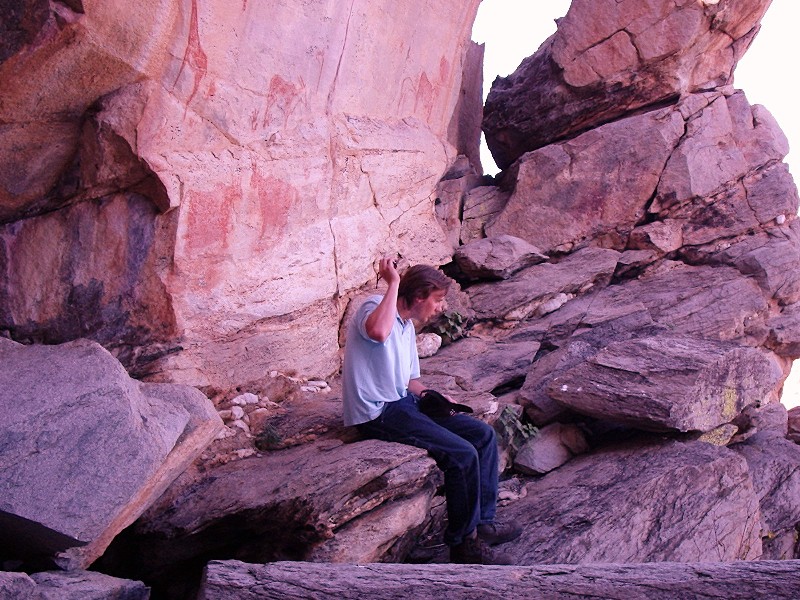
The Tsodilo Hills in Botswana is an archaeological site of great importance, renowned for its extensive array of rock art, including over 4,500 paintings. This site offers a unique record of human habitation and cultural activity spanning several millennia. The hills, comprising four main formations, have hosted human activity since at least 30,000 years ago, evidenced by the discovery of Middle Stone Age and Later Stone Age artifacts. The San people, whose ancestors are believed to have created much of the rock art, have used the site for ritualistic and religious purposes over the ages. Notably, the site also contains evidence of early iron smelting activities, with metal artifacts dating back to the Early Iron Age. The Tsodilo Hills continue to hold spiritual significance for local communities today, further enriching their historical and cultural legacy.
Gallery
Explore photographs of ancient structures, artifacts, and archaeological excavations
Historical Timeline
Journey through time and discover key events in this site's history
Middle Stone Age Artifacts
Pre 10,000 BCE
Early Iron Age Metallurgy
1,200 BCE
Bantu White Paintings
400 CE
Later Stone Age Artifacts
24,000 years ago
Early Human Habitation
30,000 years ago
Archaeological Features
Unique architectural and cultural elements found at this historical site
Industrial and Craft Structures
Religious and Ritual Structures
Artistic and Decorative Features
Domestic and Habitation Structures
Environmental and Natural Features
Frequently Asked Questions
Plan Your Visit
Tours, travel arrangements, and practical information
More Sites in Botswana
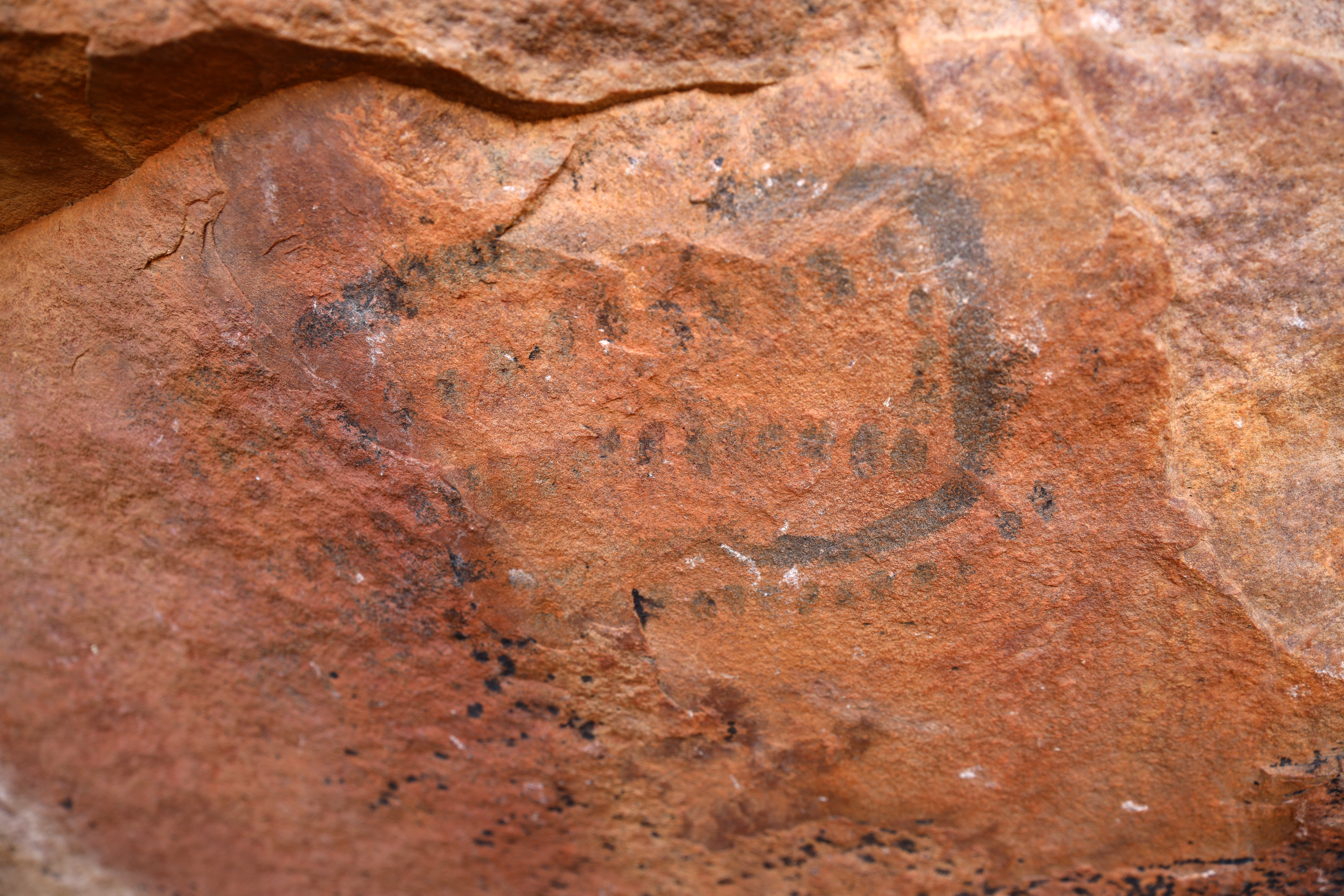
Manyana Rock Paintings
Rock art site with Khoikhoi or San paintings.
Matsieng Footprints
Ancient rock engravings with human and animal footprints.
Toutswemogala Hill
Iron Age settlement on flat-topped mesa.
Kolobeng Mission
Mission site with irrigation and church ruins
Bosutswe
Hilltop site with continuous occupation evidence.