Time Periods
Paleolithic
Mesolithic
Neolithic
Chalcolithic
Bronze Age
Iron Age
Classical Period
Post-Classical Period
Early Modern Period
Industrial Period
Contemporary Period
Time Periods
Paleolithic
Mesolithic
Neolithic
Chalcolithic
Bronze Age
Iron Age
Classical Period
Post-Classical Period
Early Modern Period
Industrial Period
Contemporary Period
Location
About
Lagoa Santa in Minas Gerais, Brazil, is a significant archaeological site primarily known for its Pleistocene-era findings. The site features caves that housed remains of early humans and megafauna, dating back to the Upper Paleolithic period, around 11,000 BCE. These remains include the notable discovery of the Lagoa Santa Man, providing insights into early human life in the Americas. The site's archaeological wealth was first uncovered by Danish paleontologist Peter Wilhelm Lund, who found numerous human skeletons and large mammal fossils in the 19th century. The site also includes the grave of Luzia, the oldest human fossil found in Brazil. Such findings have made Lagoa Santa a cradle of Brazilian paleontology, crucial for understanding the prehistoric era's human and ecological dynamics.
Archaeological Features
Explore the unique architectural and cultural elements found at this historical site
Burial and Funerary Structures
Domestic and Habitation Structures
Environmental and Natural Features
Historical Timeline
Journey through time and discover key events in this site's archaeological history
Plan Your Visit
Details
- Country
- Brazil
- Source
- Wikipedia
More Sites in Brazil
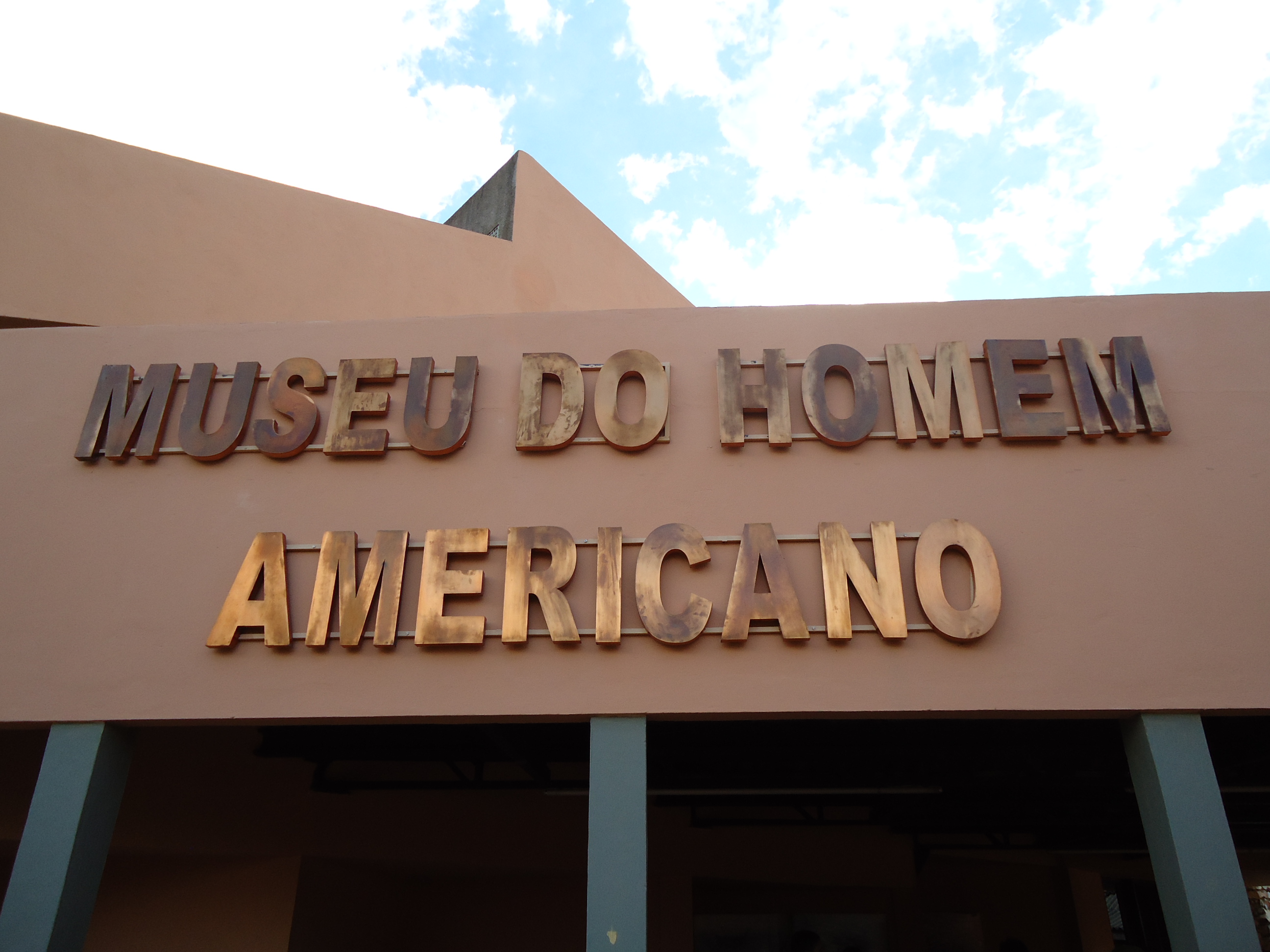
Museum of the American Man
Prehistoric rock art and human remains
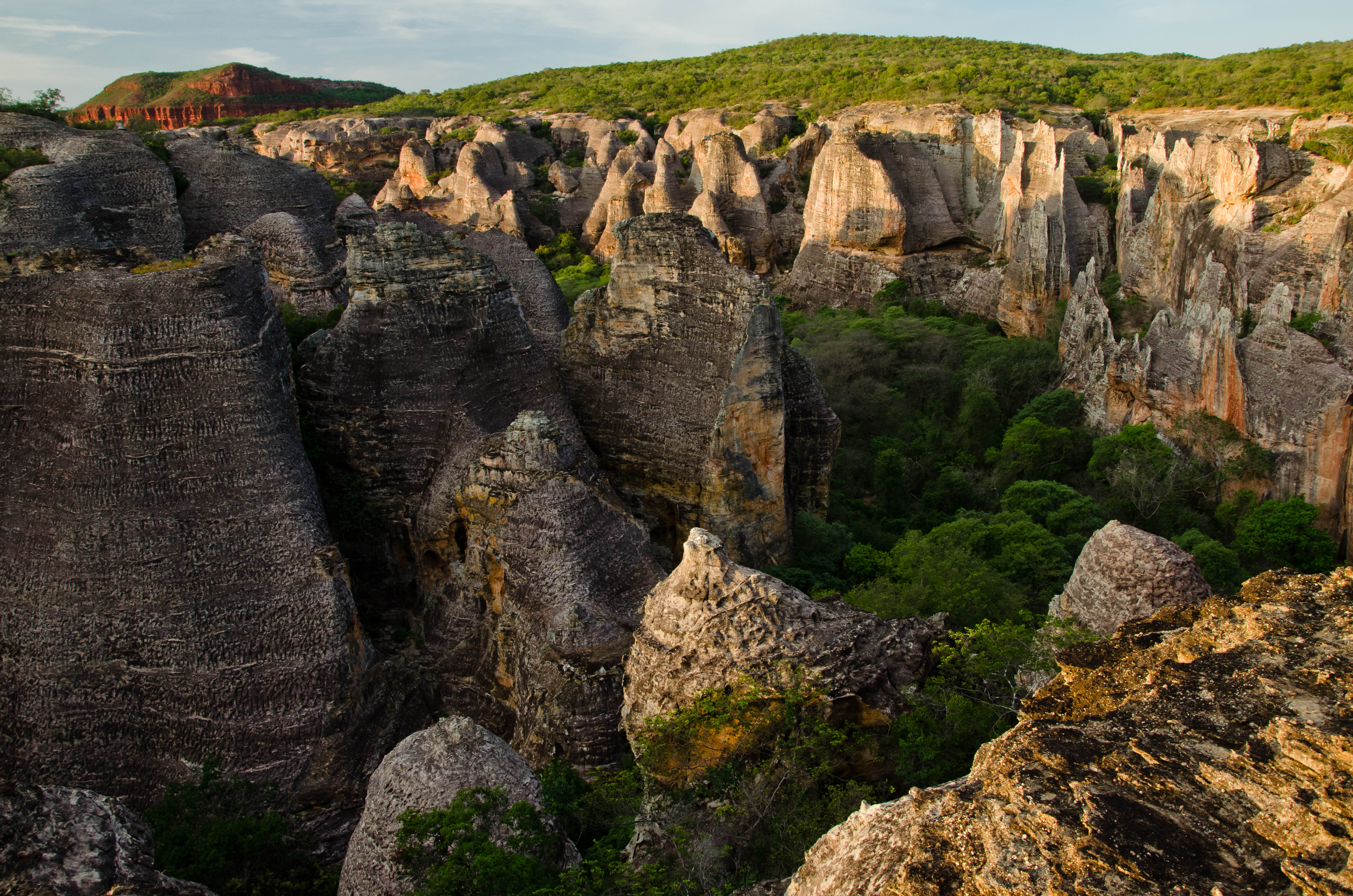
Serra da Capivara National Park
Prehistoric rock shelters with ancient paintings
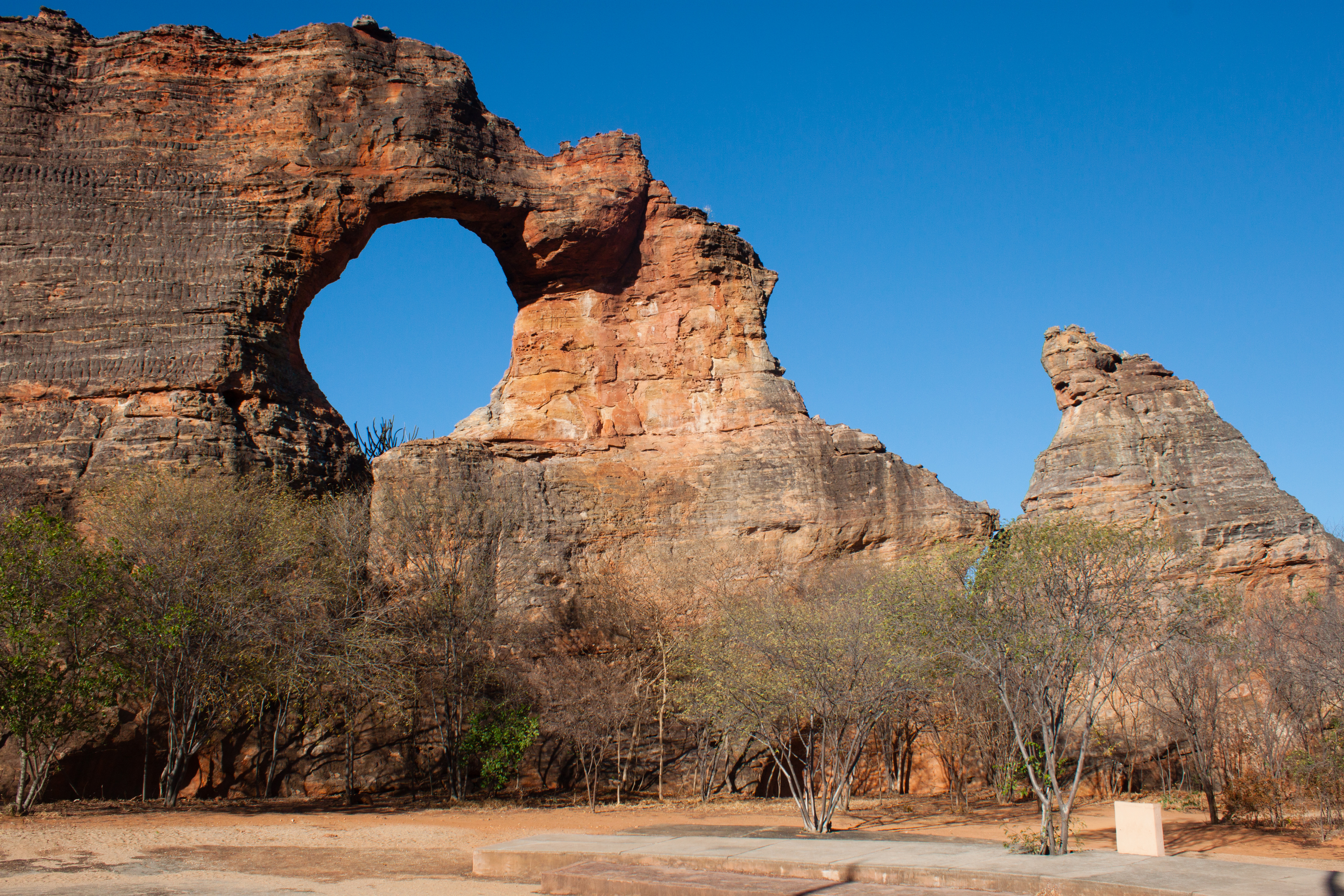
Toca da Tira Peia
Rock shelter with ancient human artifacts.
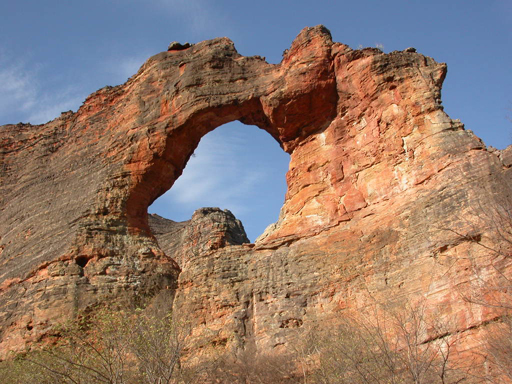
Pedra Furada
Ancient rock shelters with early human artifacts.
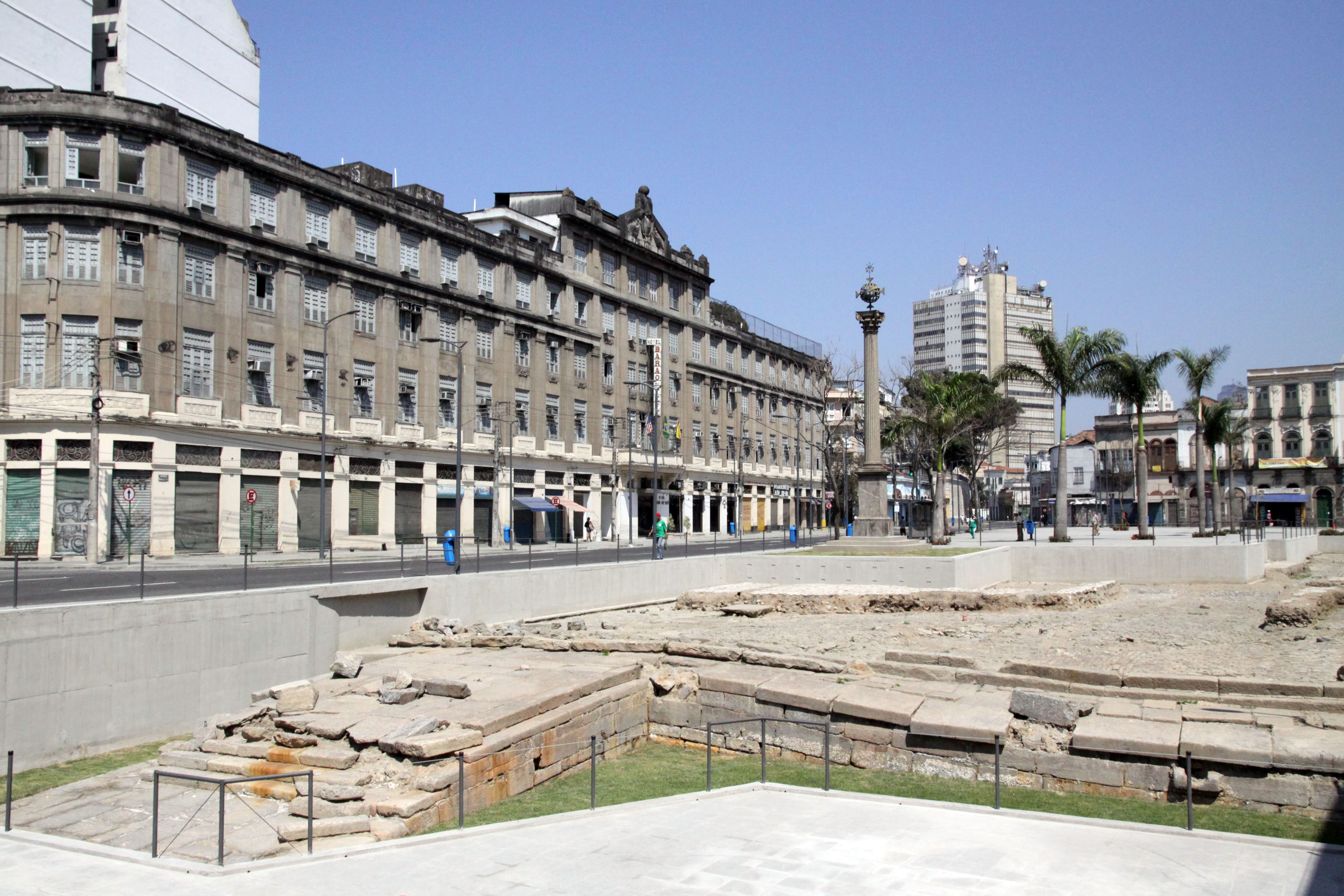
Valongo Wharf
19th-century wharf for slave trade operations
Parque Arqueológico do Solstício
Explore this archaeological site.