
Explore the Map
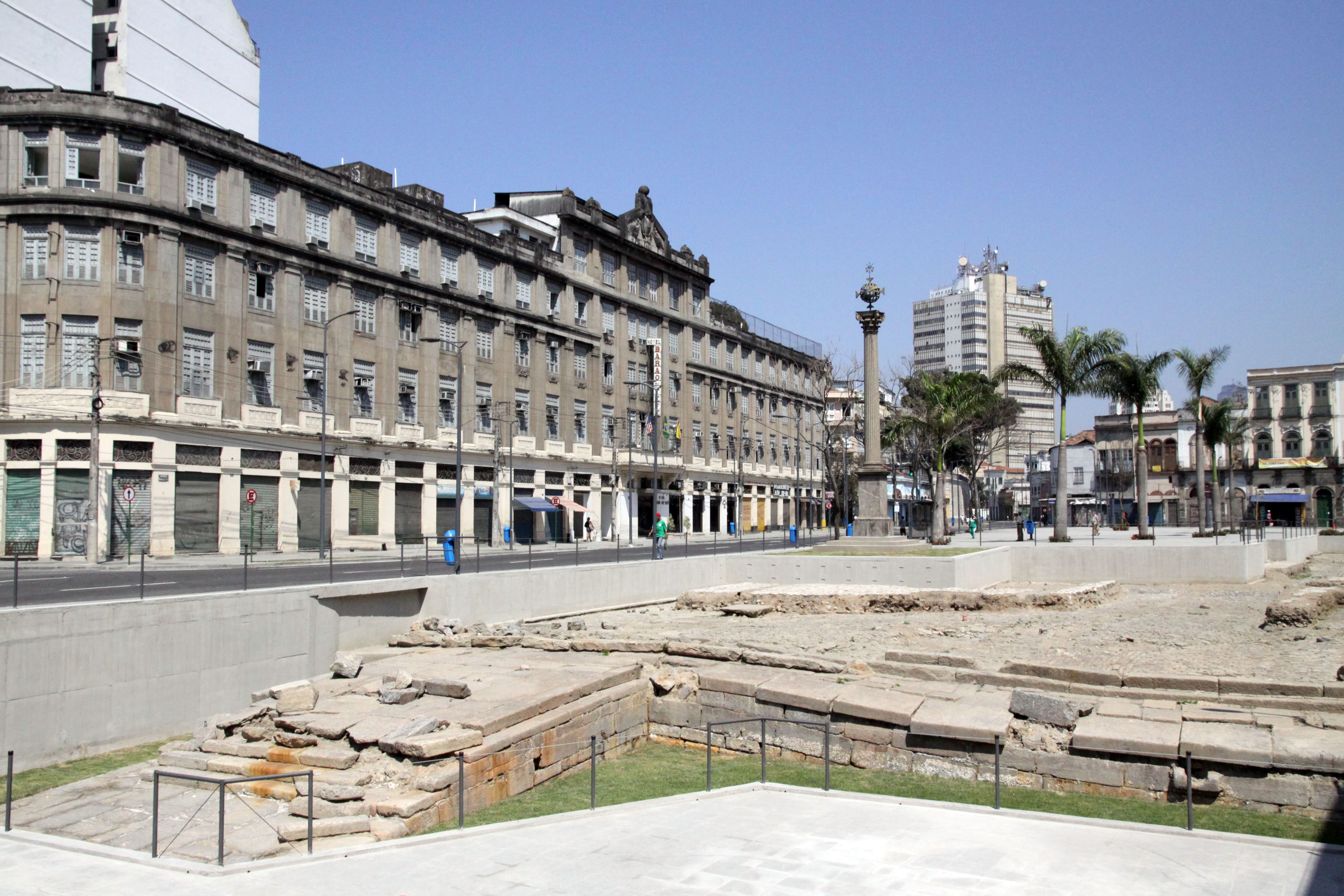
Valongo Wharf
-22.8971° N, -43.1874° E
About
The Valongo Wharf, located in Rio de Janeiro, Brazil, is a significant archaeological site that served as a major hub for the transatlantic slave trade during the early 19th century. Built in 1811, this wharf witnessed the arrival of between 500,000 and one million enslaved Africans until the trade was officially banned in 1831. The site reflects the grim history of human trafficking and the forced migration of Africans to the Americas. The wharf was later renovated in 1843 to accommodate the arrival of Princess Teresa Cristina, marking a shift in its use. Rediscovered in 2011 during urban excavations, Valongo Wharf is now recognized for its historical and cultural importance, having been designated a UNESCO World Heritage Site in 2017.
Gallery
Explore photographs of ancient structures, artifacts, and archaeological excavations
Historical Timeline
Journey through time and discover key events in this site's history
Slave Market Relocation to Valongo
1774 CE
Peak Slave Trade at Valongo
1808 CE
Construction of Valongo Wharf
1811 CE
Closure of Valongo Wharf
1831 CE
Renovation to Cais da Imperatriz
1843 CE
Archaeological Features
Unique architectural and cultural elements found at this historical site
Water Management Features
Frequently Asked Questions
Plan Your Visit
Tours, travel arrangements, and practical information


More Sites in Brazil
Parque Arqueológico do Solstício
Megalithic stone circle in Amapá, Brazil
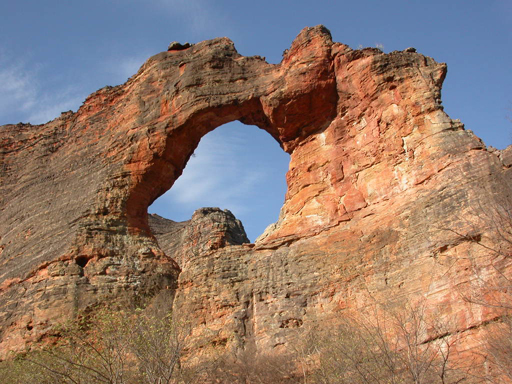
Pedra Furada
Ancient rock shelters with early human artifacts.
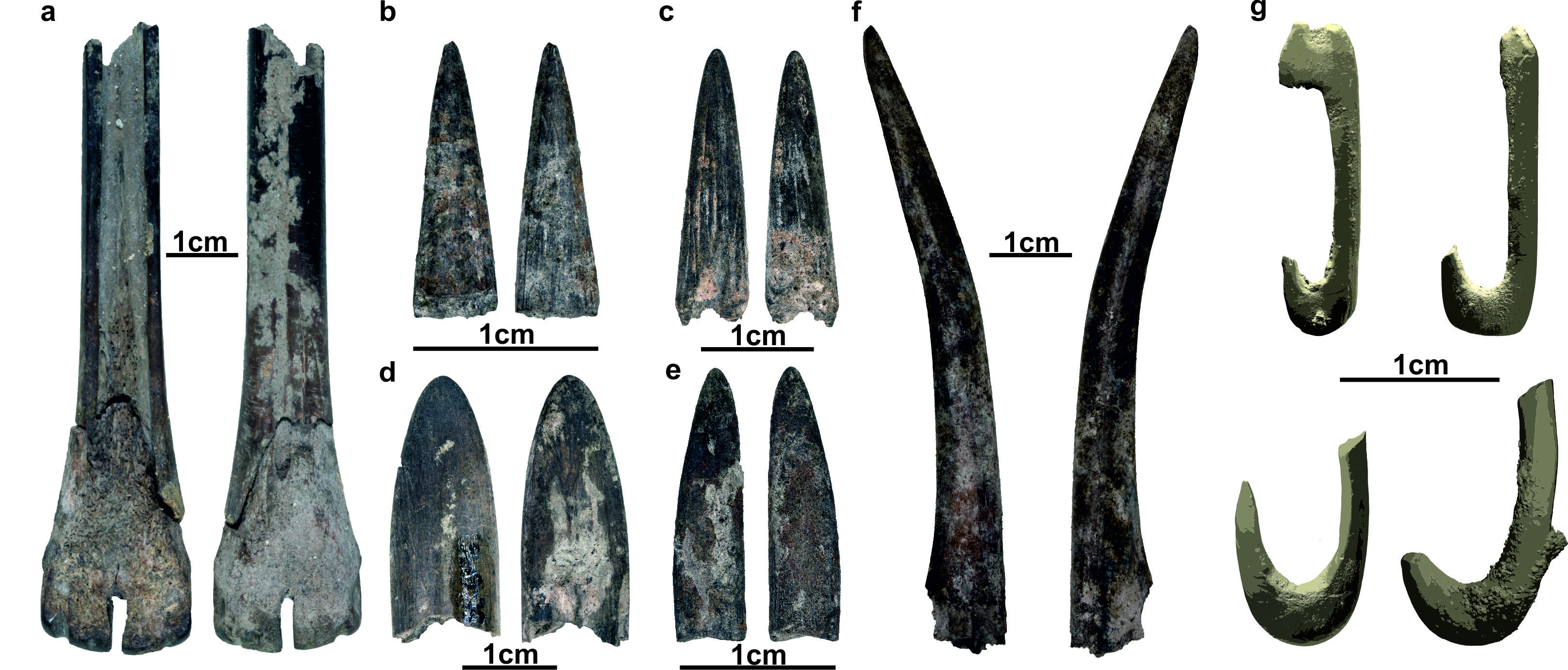
Lapa do Santo
Karstic rockshelter with burial and rock art
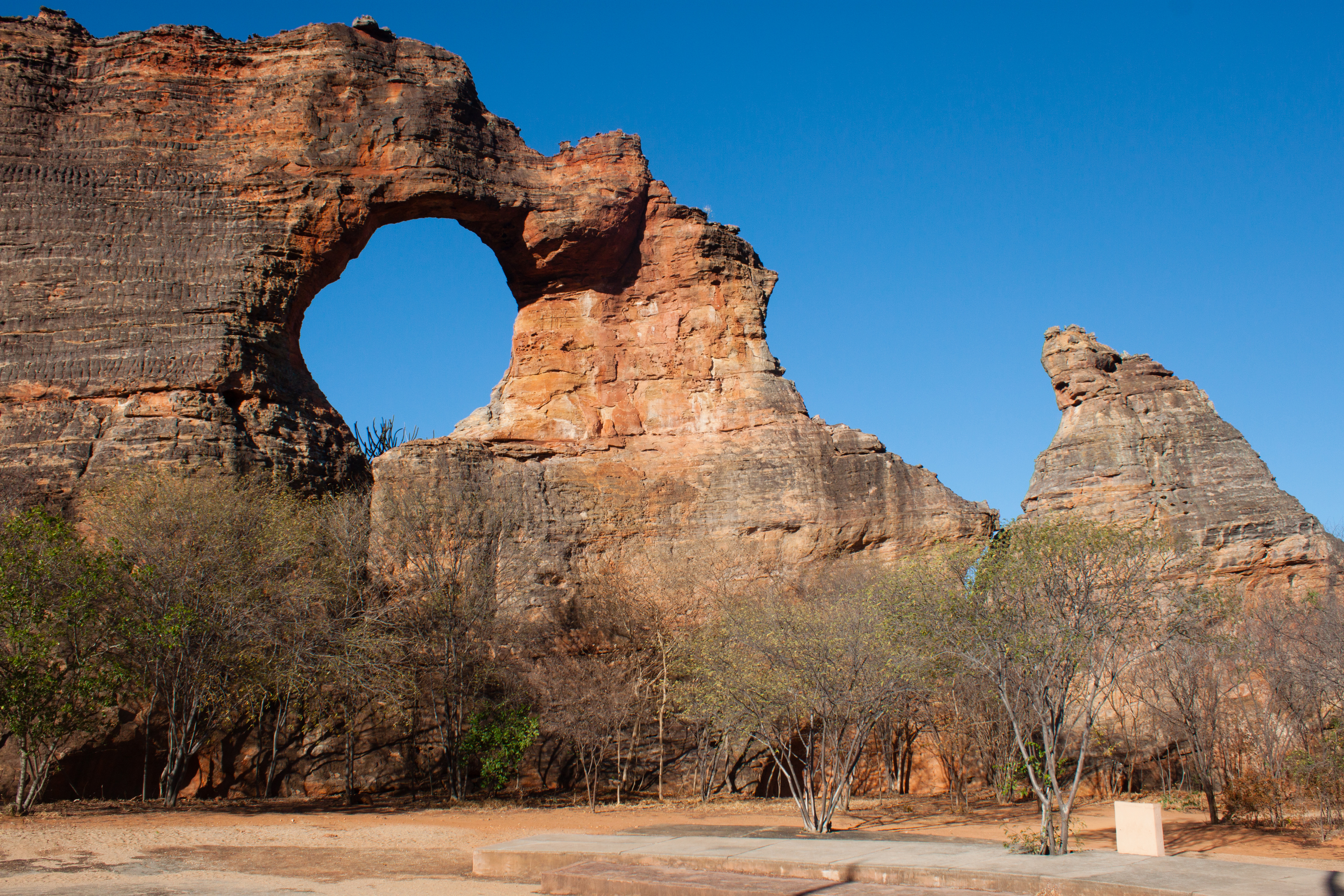
Toca da Tira Peia
Rock shelter with ancient human artifacts.
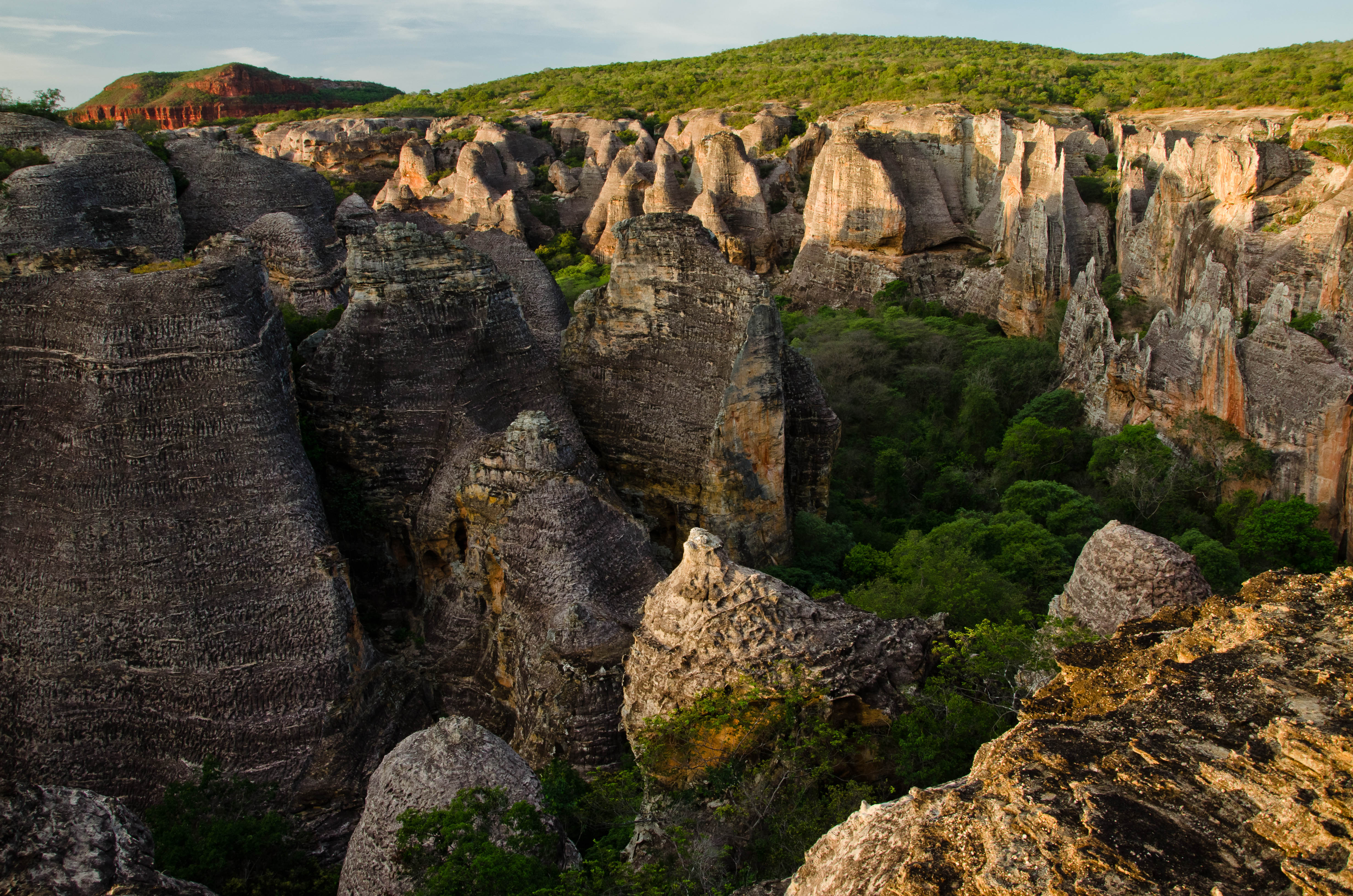
Serra da Capivara National Park
Prehistoric rock shelters with ancient paintings
Kuhikugu
Ancient Amazonian complex with sophisticated infrastructure.