
Explore the Map
Serra da Capivara National Park
-8.6667° N, -42.5500° E
About
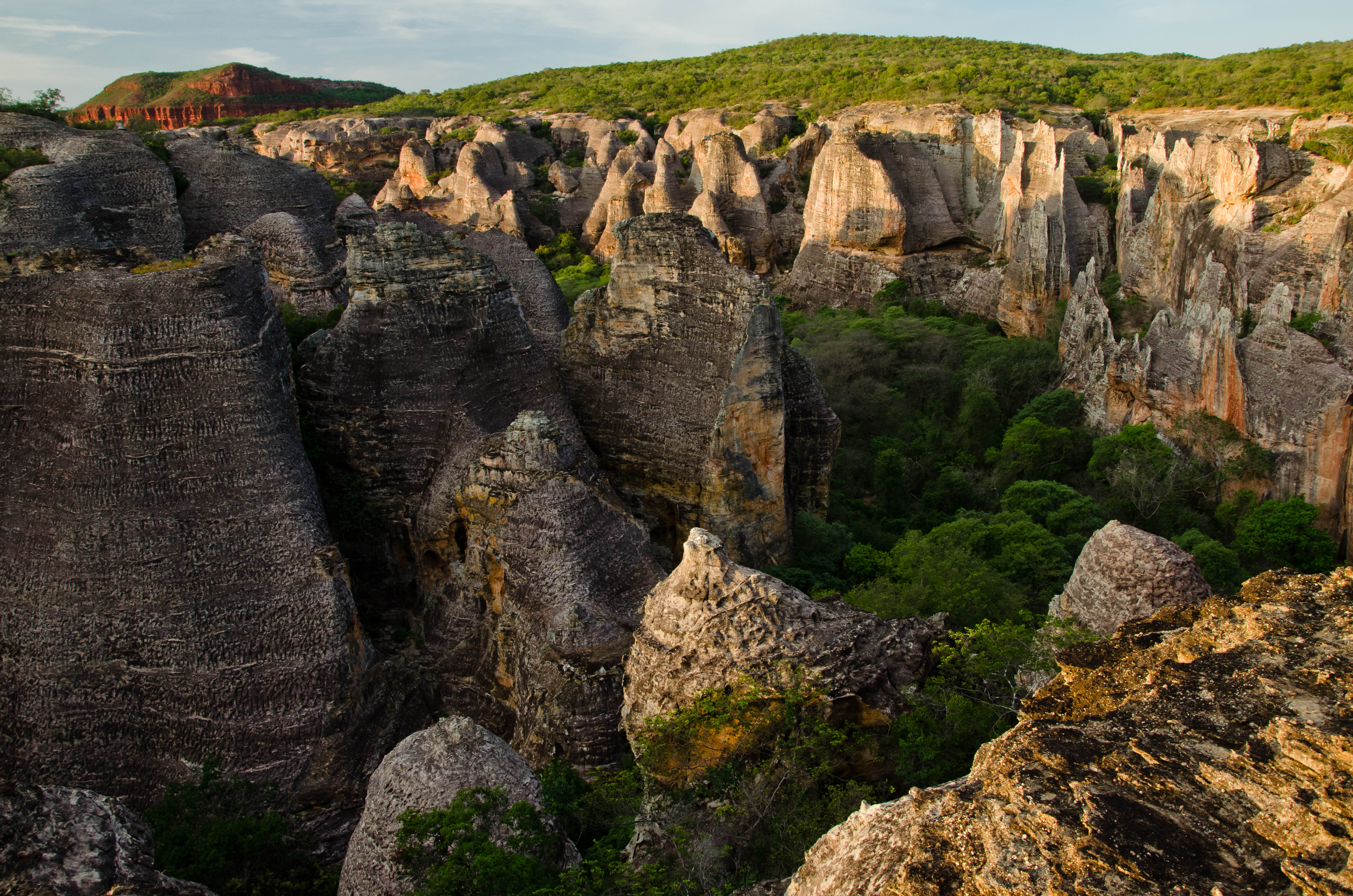
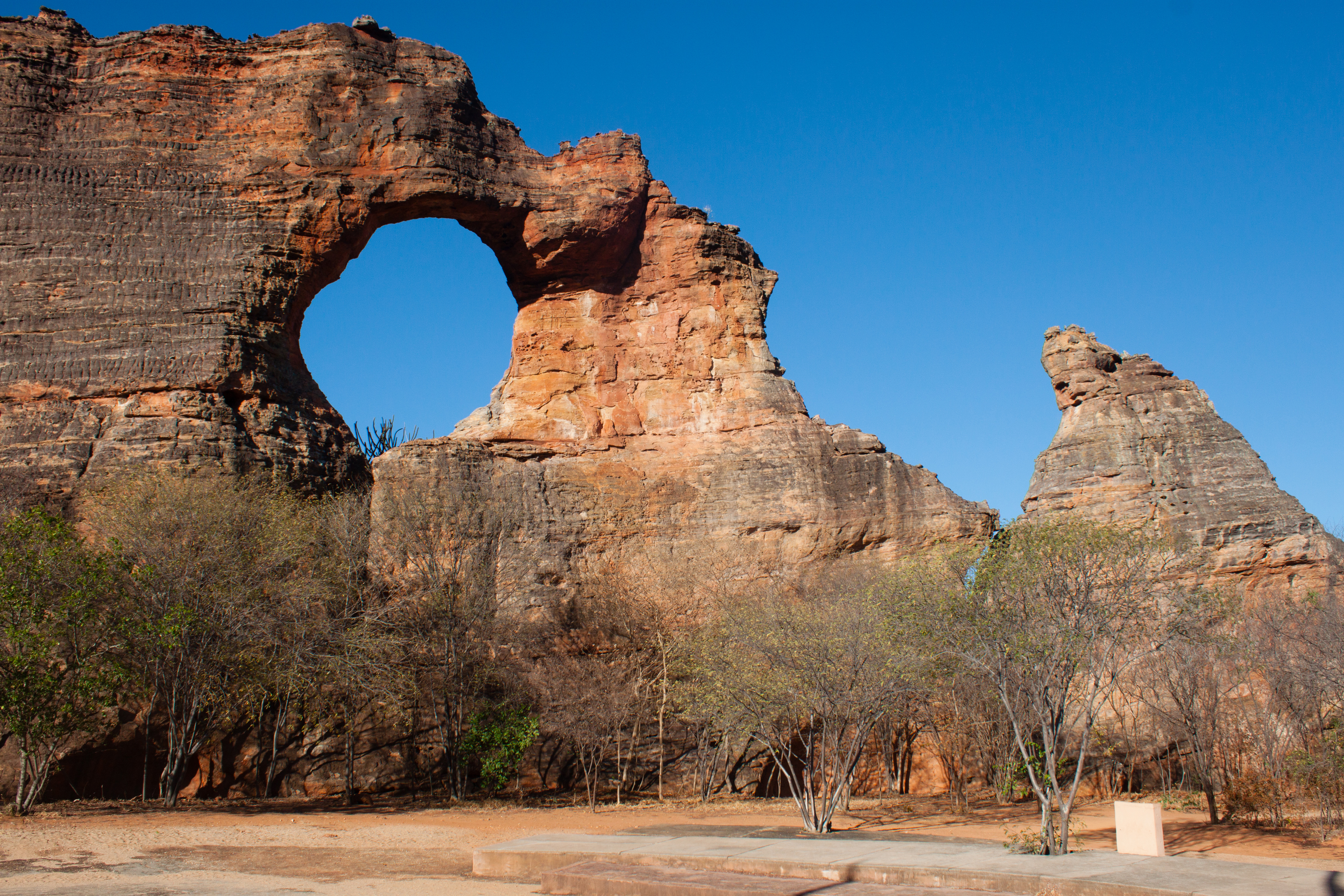
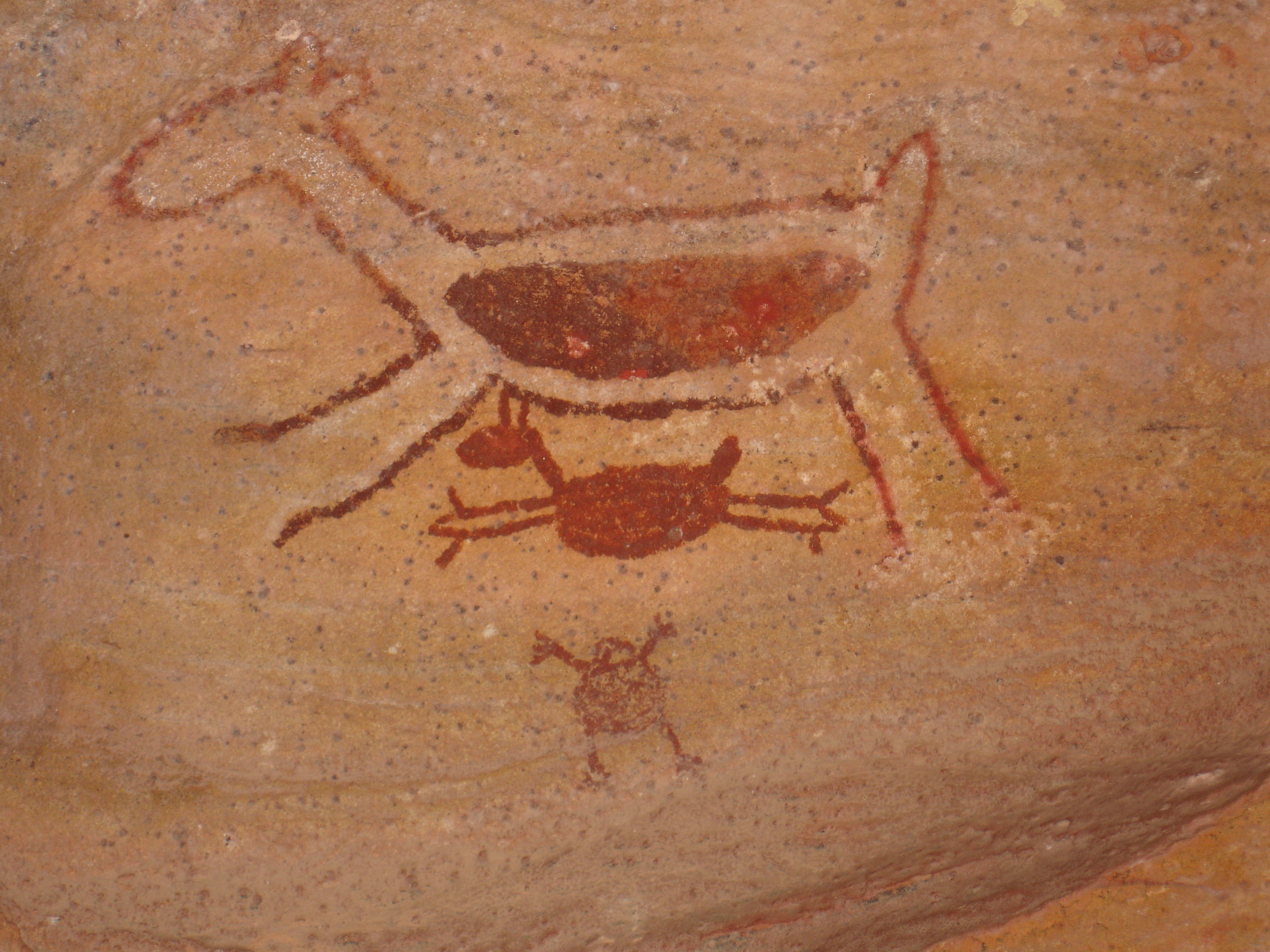
Serra da Capivara National Park in Brazil is a site of immense archaeological significance due to its wealth of prehistoric rock shelters and ancient paintings. As the largest concentration of prehistoric sites in the Americas, it offers a unique glimpse into early human habitation in the region. Among its notable locations is Pedra Furada, renowned for its ancient rock art and stone tools dating back to the Upper Paleolithic period, about 22,000 years ago. The park's archaeological sites, including Toca da Tira Peia and Sítio do Meio, have revealed artifacts that predate traditional timelines of human settlement in the Americas. These findings challenge established narratives and contribute to our understanding of early human migration and adaptation in diverse environments.
Gallery
Explore photographs of ancient structures, artifacts, and archaeological excavations
Historical Timeline
Journey through time and discover key events in this site's history
Densely Populated Pre-Columbian Era
varies
Sítio do Meio Pleistocene Artifacts
12,500 BP
Toca da Tira Peia Stone Tools
22,000 years ago
Archaeological Features
Unique architectural and cultural elements found at this historical site
Artistic and Decorative Features
Environmental and Natural Features
Frequently Asked Questions
Plan Your Visit
Tours, travel arrangements, and practical information
More Sites in Brazil
Parque Arqueológico do Solstício
Megalithic stone circle in Amapá, Brazil
Kuhikugu
Ancient Amazonian complex with sophisticated infrastructure.
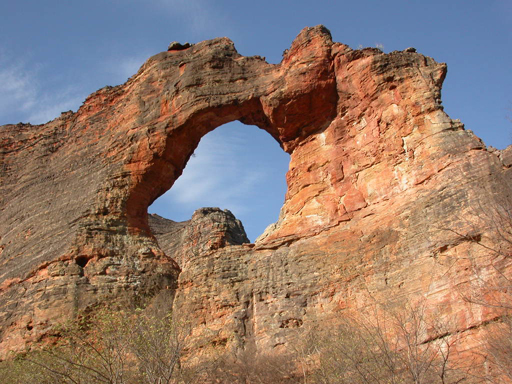
Pedra Furada
Ancient rock shelters with early human artifacts.
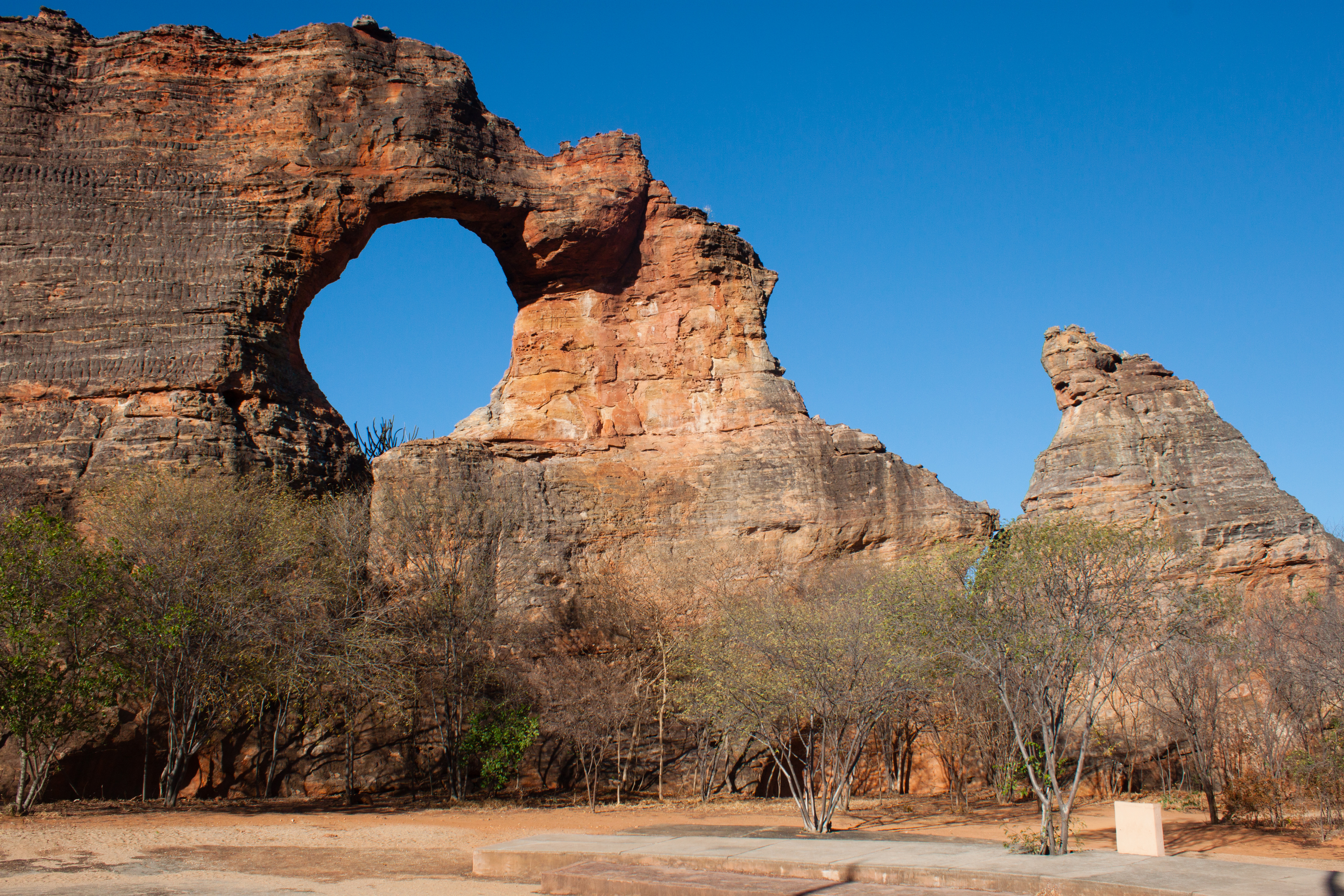
Toca da Tira Peia
Rock shelter with ancient human artifacts.
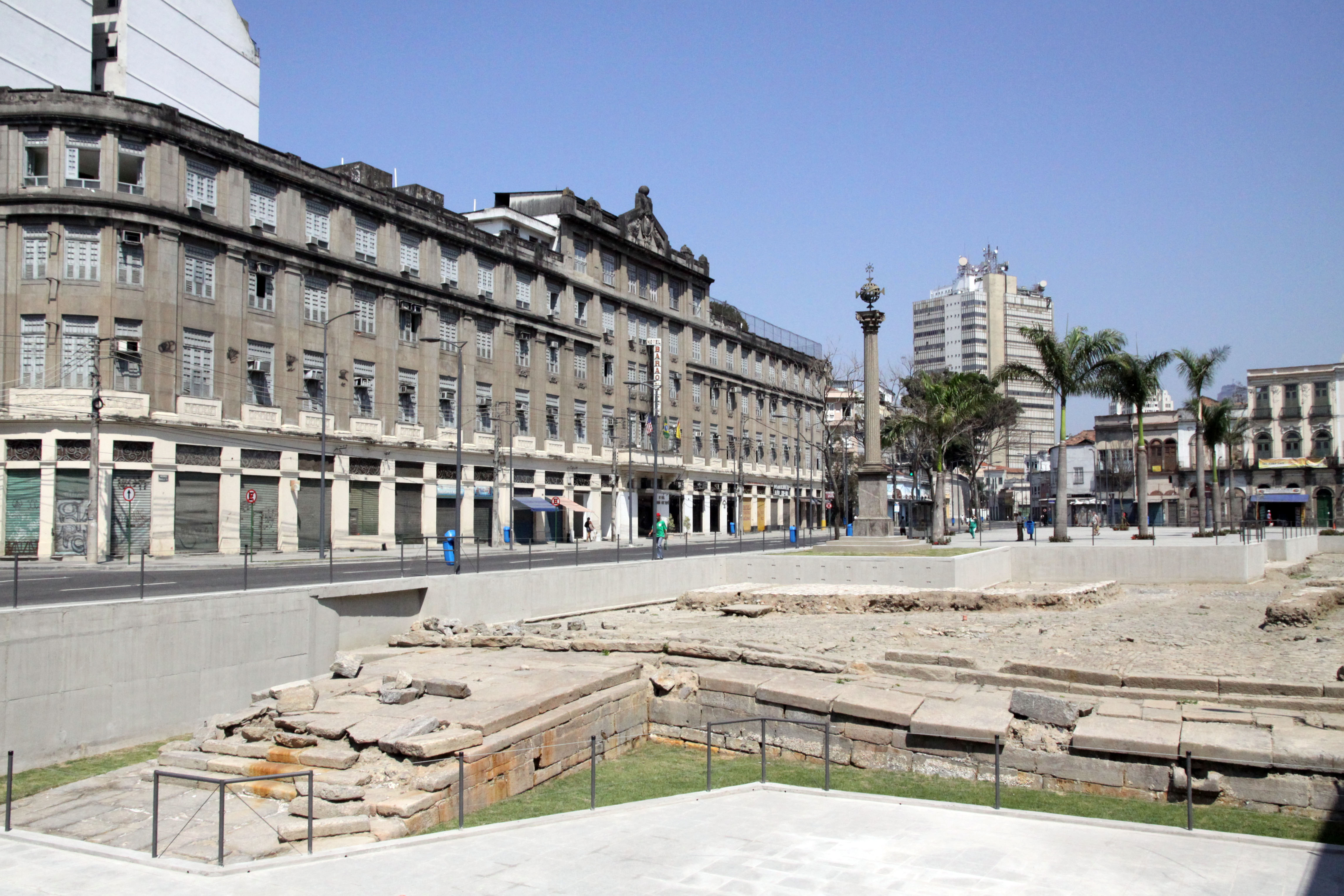
Valongo Wharf
19th-century wharf for slave trade operations
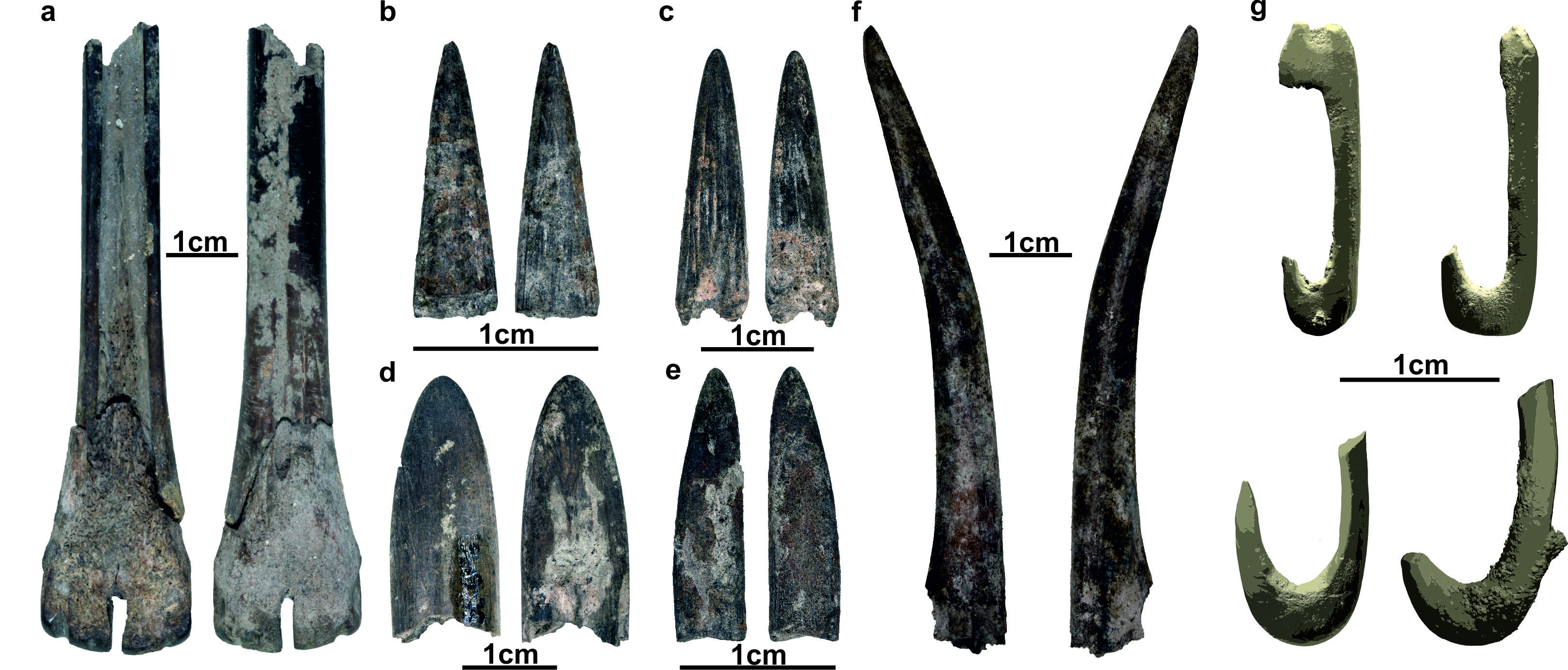
Lapa do Santo
Karstic rockshelter with burial and rock art