
Explore the Map
Toca da Tira Peia
-8.8089° N, -42.3544° E
About
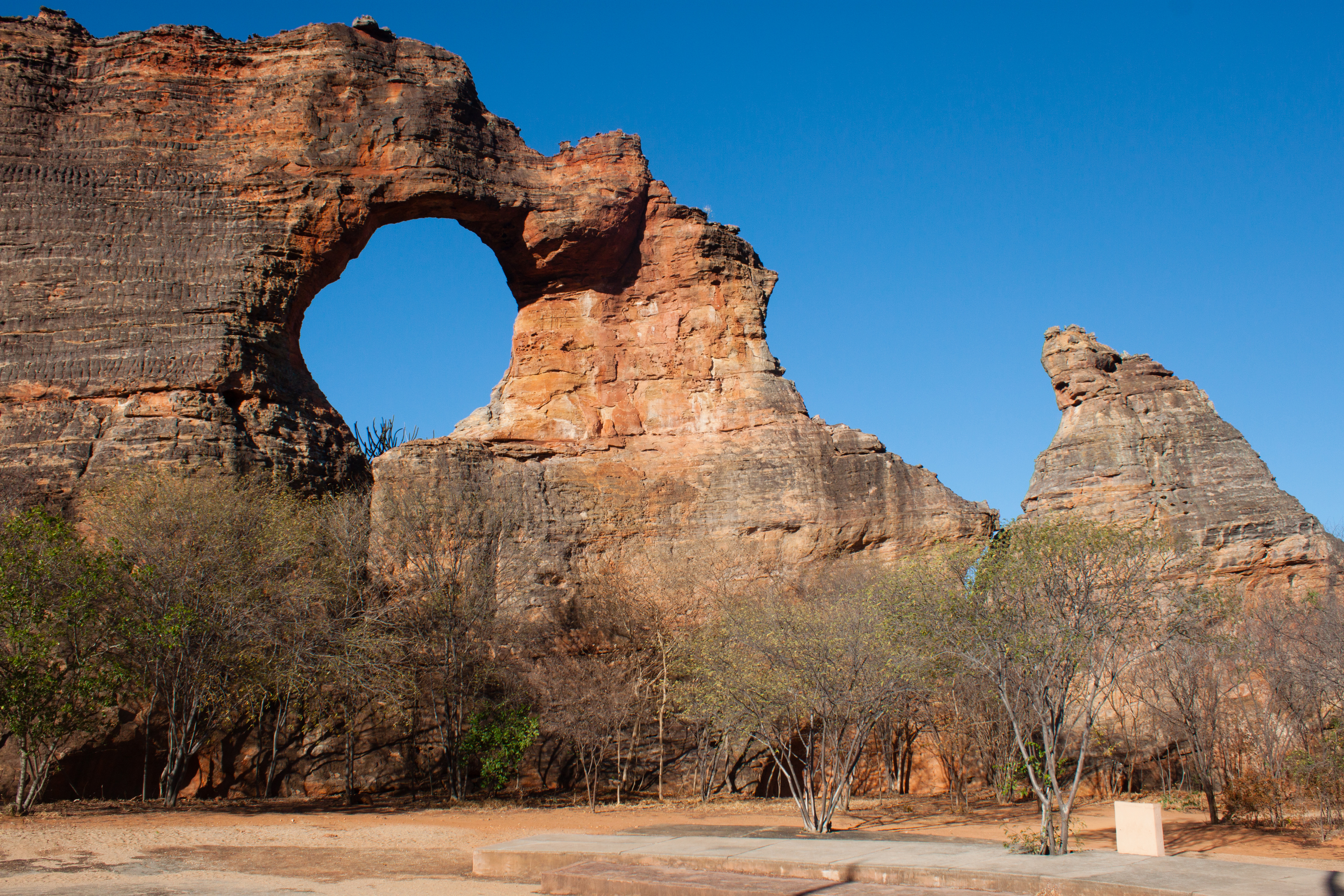
The Toca da Tira Peia site is a rock shelter located in the municipality of Coronel José Dias, Piauí, Brazil. This archaeological site is significant for its evidence of prehistoric human presence dated to approximately 22,000 years ago. The site contains four sediment layers, the oldest of which has been dated using optically stimulated luminescence. A total of 113 stone artifacts, including tools and tool debris, were found across these layers, providing crucial insights into early human activity in South America. The absence of naturally occurring pebbles, which can complicate dating at other sites, enhances the reliability of Toca da Tira Peia's findings. This site contributes to the understanding of the Upper Paleolithic period in the region, offering evidence of early human technology and habitation patterns.
Gallery
Explore photographs of ancient structures, artifacts, and archaeological excavations
Historical Timeline
Journey through time and discover key events in this site's history
Stone tool deposition
22000 years ago
Archaeological Features
Unique architectural and cultural elements found at this historical site
Environmental and Natural Features
Frequently Asked Questions
Plan Your Visit
Tours, travel arrangements, and practical information
More Sites in Brazil
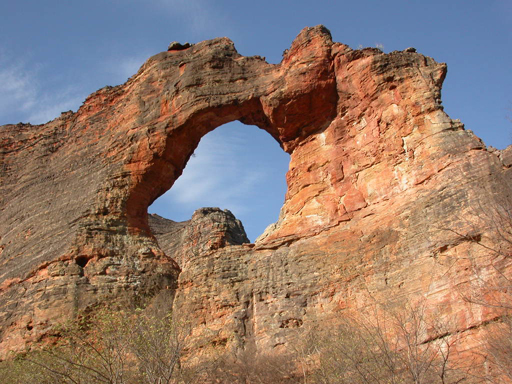
Pedra Furada
Ancient rock shelters with early human artifacts.

Serra da Capivara National Park
Prehistoric rock shelters with ancient paintings
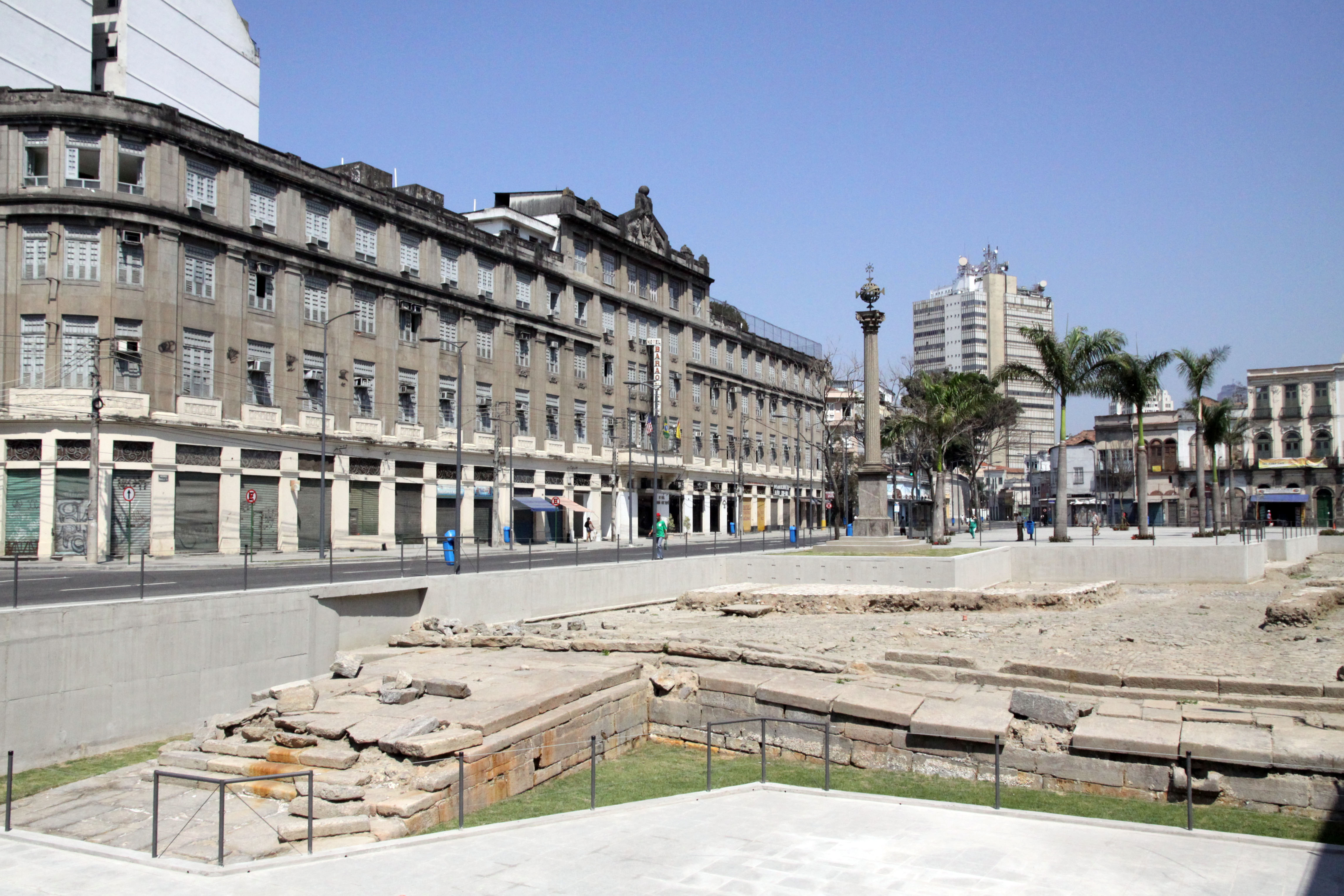
Valongo Wharf
19th-century wharf for slave trade operations
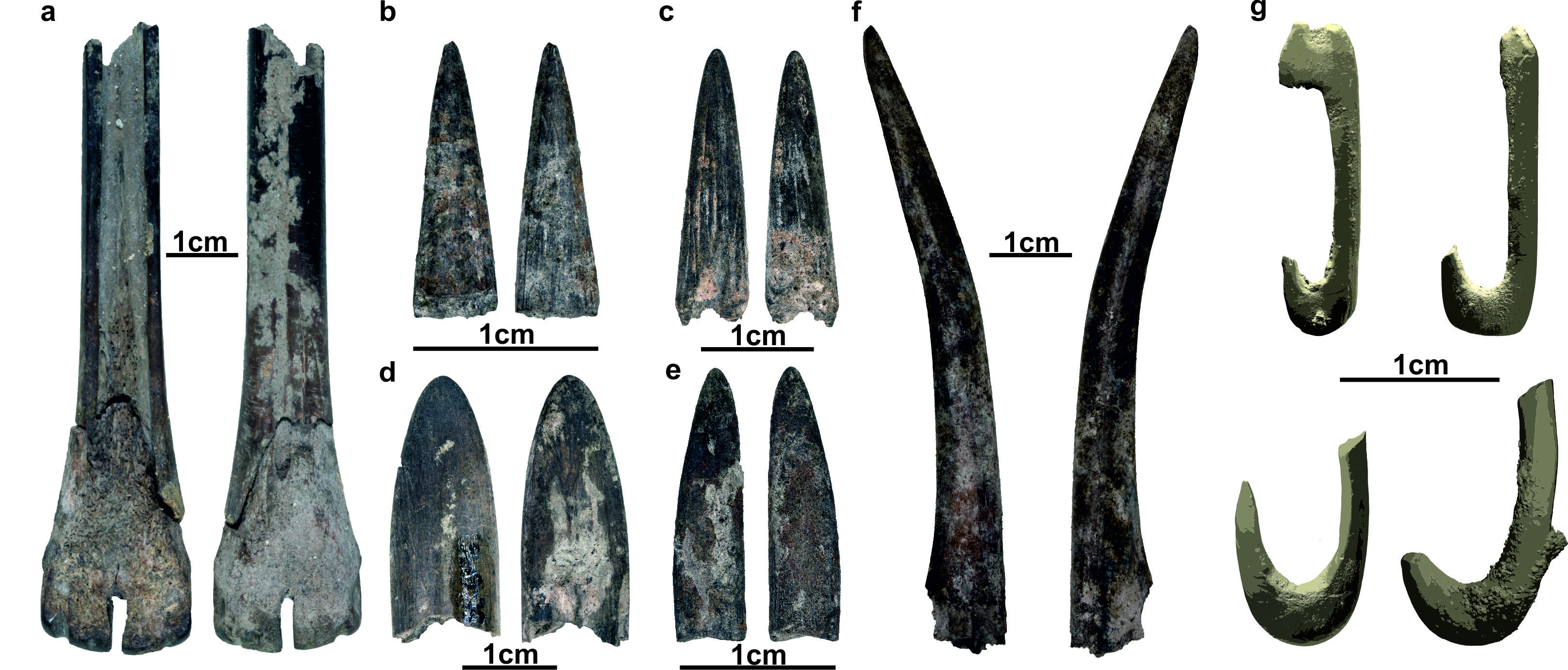
Lapa do Santo
Karstic rockshelter with burial and rock art
Parque Arqueológico do Solstício
Megalithic stone circle in Amapá, Brazil
Kuhikugu
Ancient Amazonian complex with sophisticated infrastructure.