
Explore the Map
Lapa do Santo
-19.4778° N, -44.0389° E
About
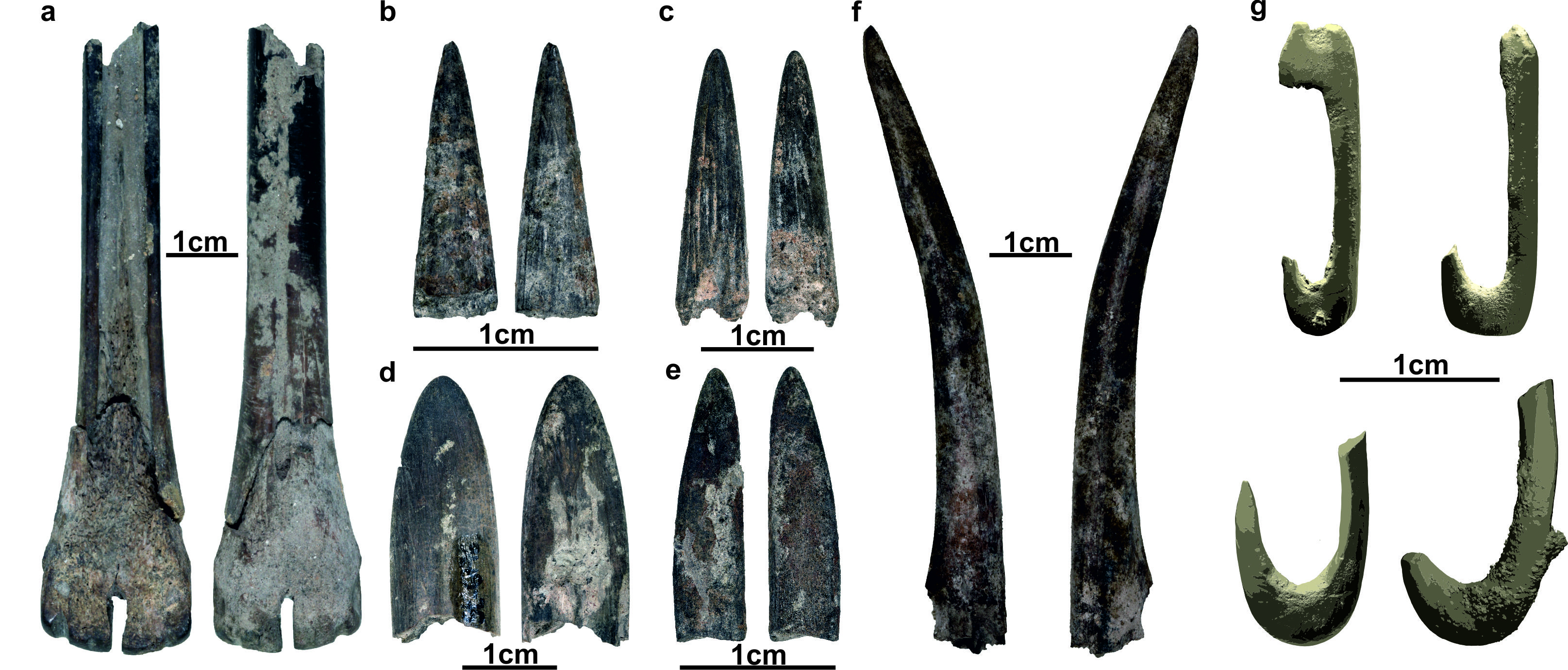
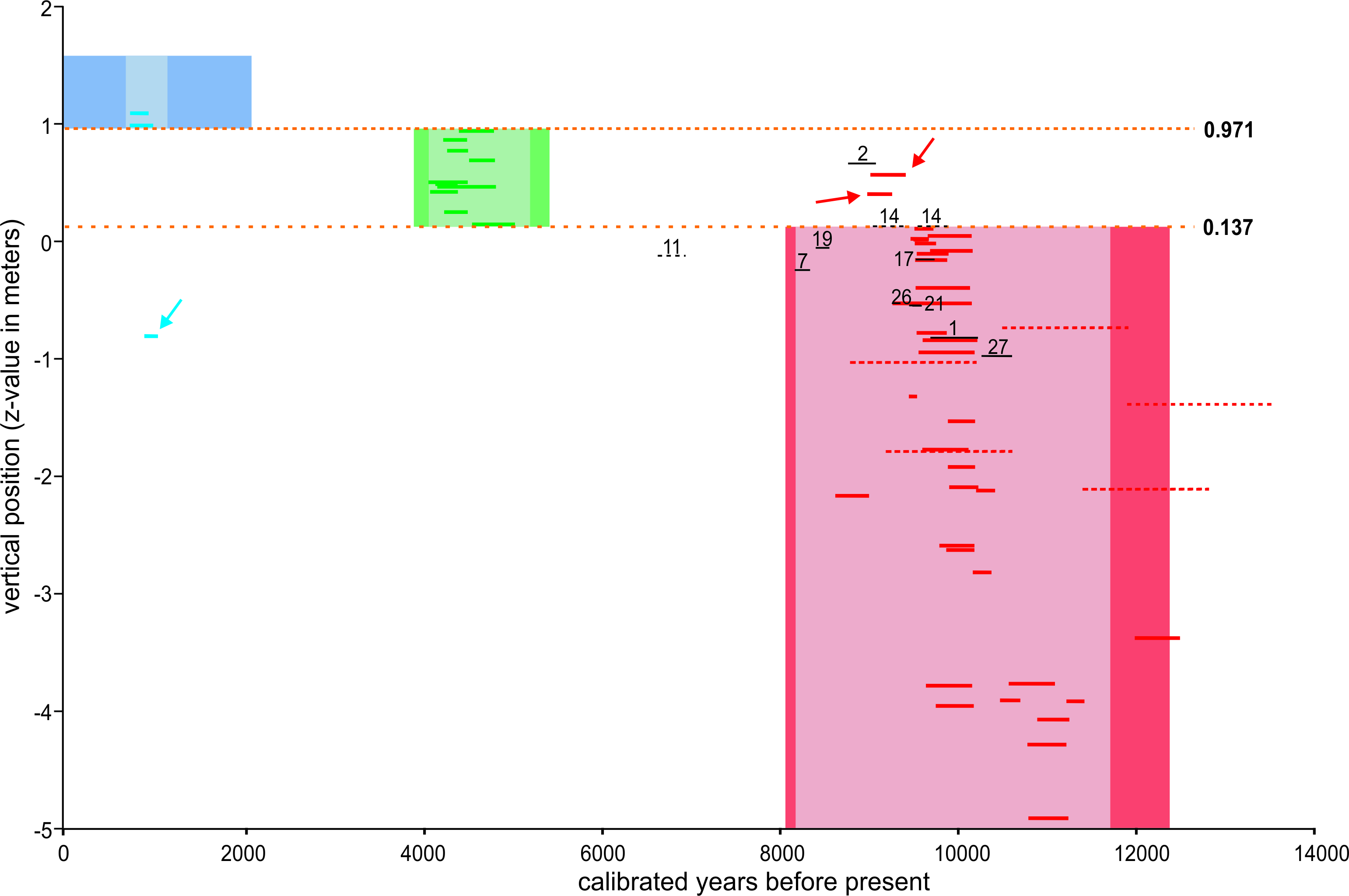
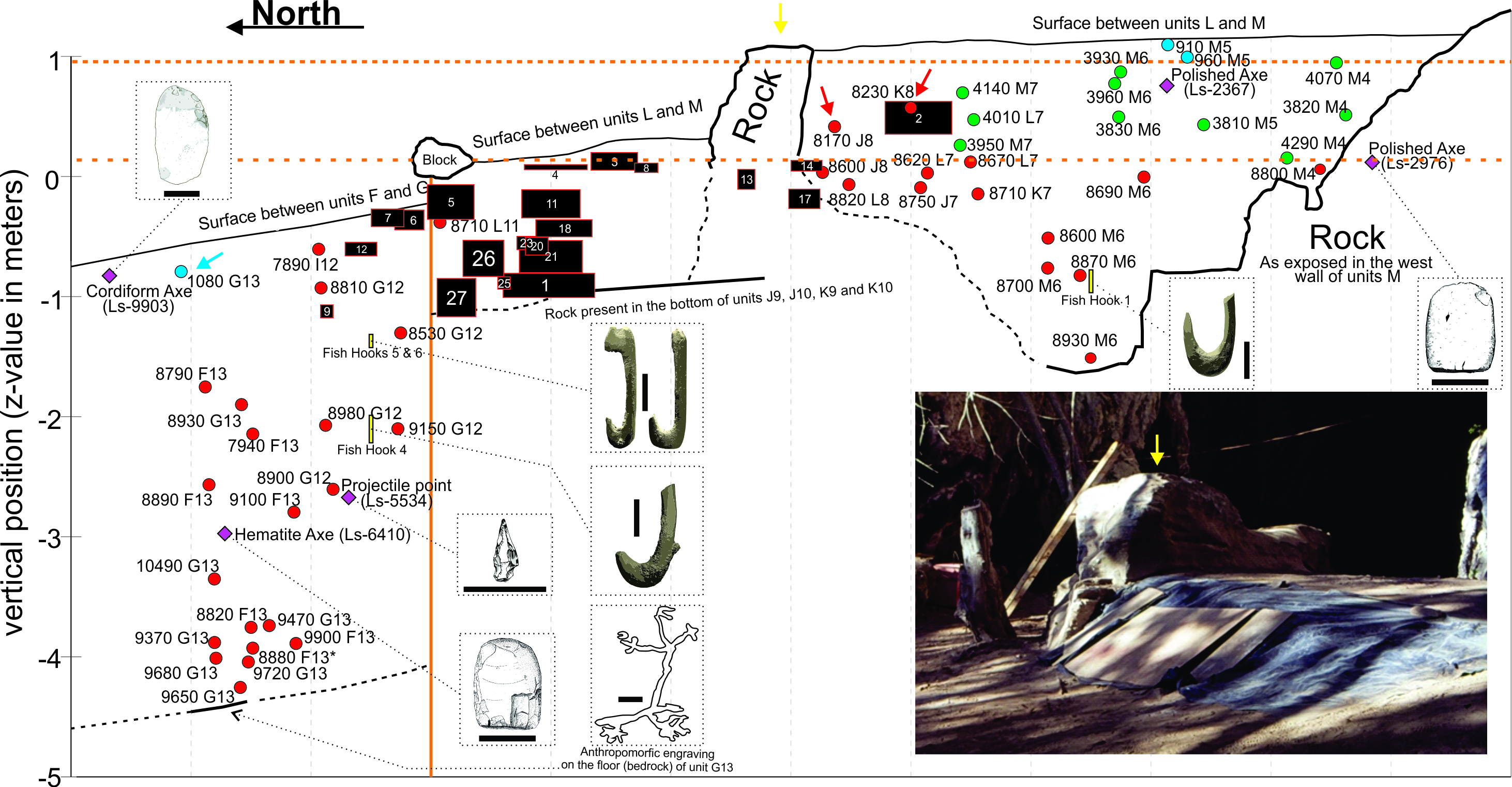
Lapa do Santo is an archaeological site in Brazil's Minas Gerais region, notable for its rich early human history dating back approximately 12,000 years. This karstic rockshelter was used by hunter-gatherer communities with low mobility and a plant and small to mid-sized mammal-based subsistence strategy. The site has yielded significant evidence of complex mortuary practices, including the earliest known decapitation in the New World, involving tooth removal, mutilation, and possible cannibalism. Artistic expressions from the early Holocene are found here, including anthropomorphic low-relief rock art. The site offers invaluable insight into early human life in South America, their subsistence strategies, and ritualistic behaviors.
Gallery
Explore photographs of ancient structures, artifacts, and archaeological excavations
Historical Timeline
Journey through time and discover key events in this site's history
Earliest human presence
12700 BCE - 11700 BCE
Start of burial use
10600 BCE - 10300 BCE
Mortuary Pattern 2 practices
9600 BCE - 9400 BCE
Mortuary Pattern 3 practices
8600 BCE - 8200 BCE
Archaeological Features
Unique architectural and cultural elements found at this historical site
Burial and Funerary Structures
Artistic and Decorative Features
Domestic and Habitation Structures
Environmental and Natural Features
Frequently Asked Questions
Plan Your Visit
Tours, travel arrangements, and practical information
Recommended Tours

More Sites in Brazil

Pedra Furada
Ancient rock shelters with early human artifacts.

Toca da Tira Peia
Rock shelter with ancient human artifacts.
Parque Arqueológico do Solstício
Megalithic stone circle in Amapá, Brazil
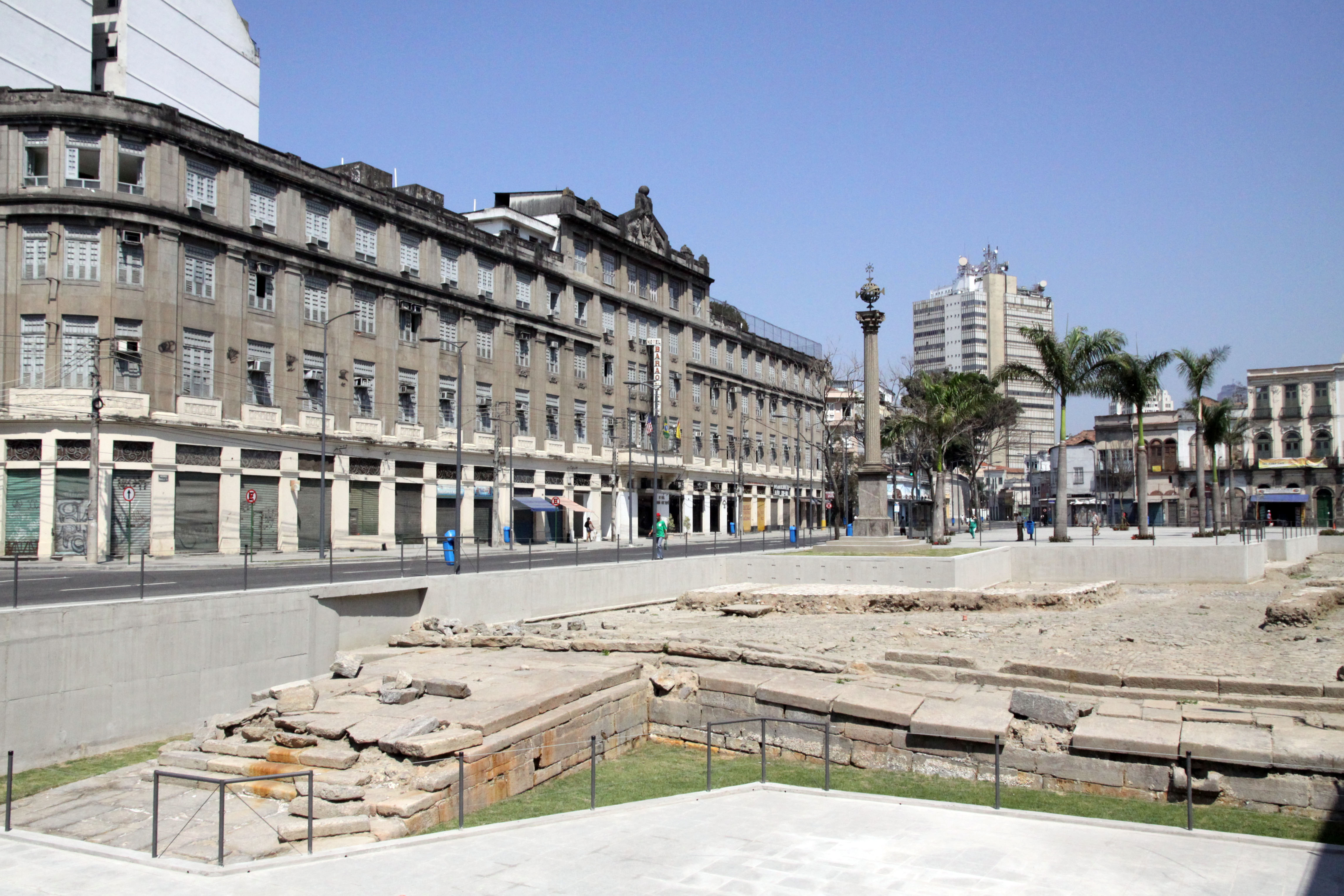
Valongo Wharf
19th-century wharf for slave trade operations

Serra da Capivara National Park
Prehistoric rock shelters with ancient paintings

Kuhikugu
Ancient Amazonian complex with sophisticated infrastructure.