
Explore the Map
Seuthopolis
42.6181° N, 25.3056° E
About
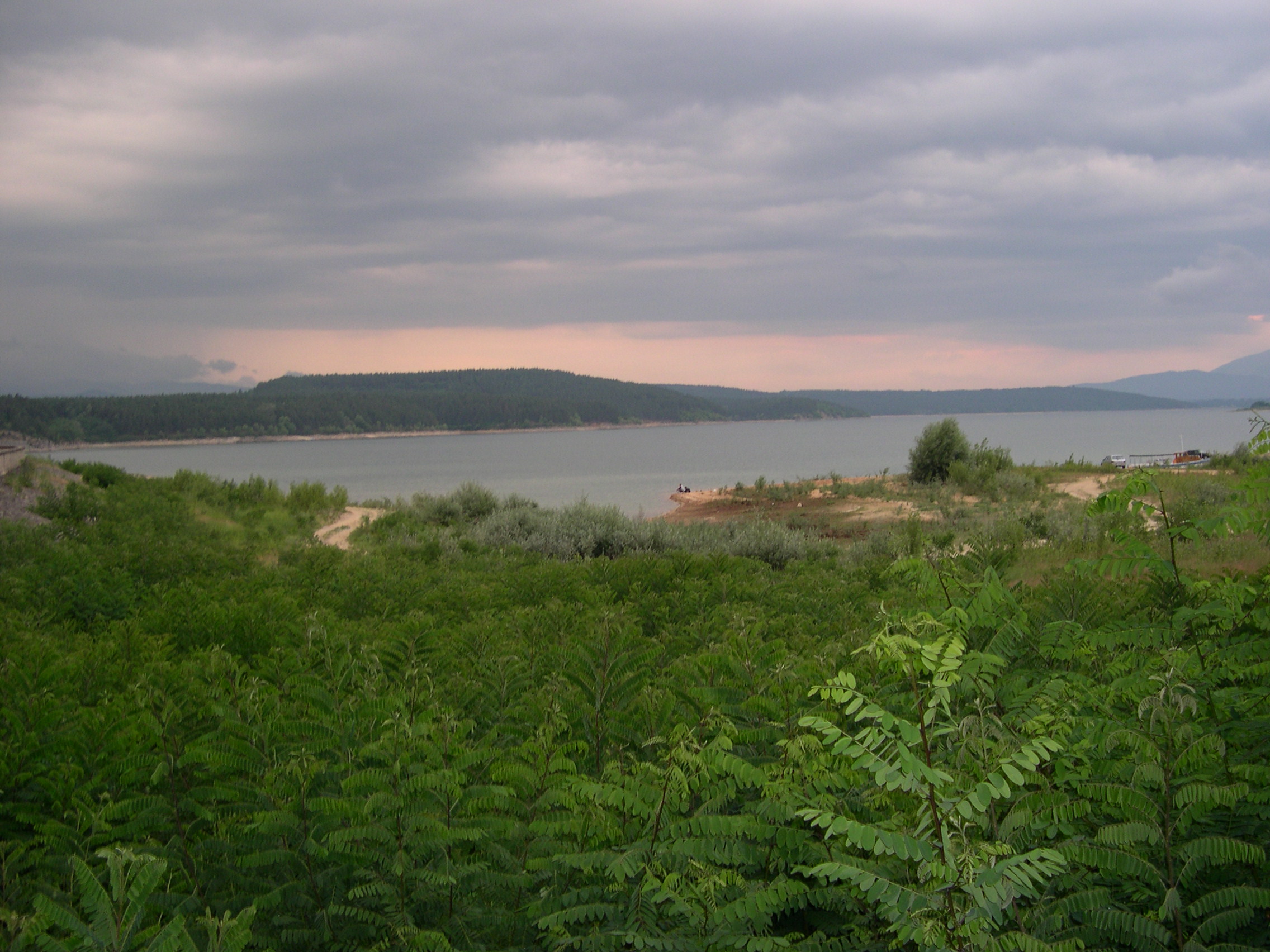
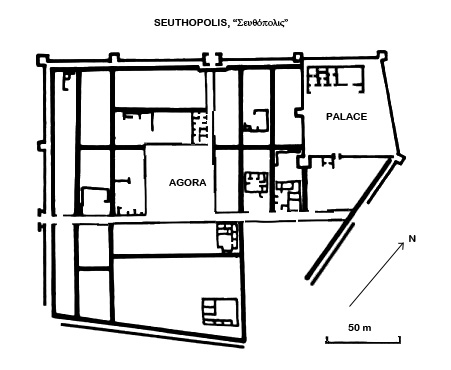
Seuthopolis, founded between 325-315 BCE by Thracian king Seuthes III, served as the capital of the Odrysian kingdom. This ancient city, situated in present-day central Bulgaria near Kazanlak, exhibits a blend of Thracian and Hellenistic influences. The city center housed the palace of Seuthes, which functioned as both a royal court and a sanctuary for the Cabeiri, indicating the dual role of its ruler as a priest-king. The city was not a true polis, with most inhabitants living outside its walls. Seuthopolis was sacked by the Celts in 281 BCE. Archaeologically significant features include brick tholos tombs and a cemetery with both inhumation and cremation practices. The site was flooded during the construction of the Koprinka Reservoir, but remains a key representation of Thracian culture with Greek elements.
Gallery
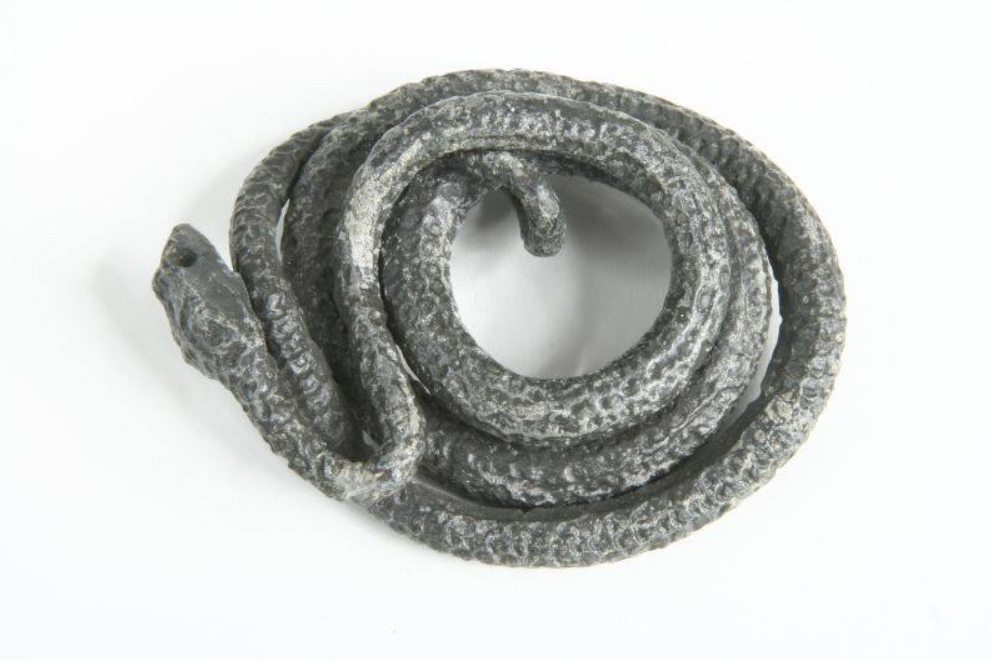
Explore photographs of ancient structures, artifacts, and archaeological excavations
Historical Timeline
Journey through time and discover key events in this site's history
Celtic sack of Seuthopolis
281 BCE
Seuthopolis founded
325-315 BCE
Archaeological Features
Unique architectural and cultural elements found at this historical site
Water Management Features
Burial and Funerary Structures
Religious and Ritual Structures
Artistic and Decorative Features
Domestic and Habitation Structures
Frequently Asked Questions
Plan Your Visit
Tours, travel arrangements, and practical information


More Sites in Bulgaria
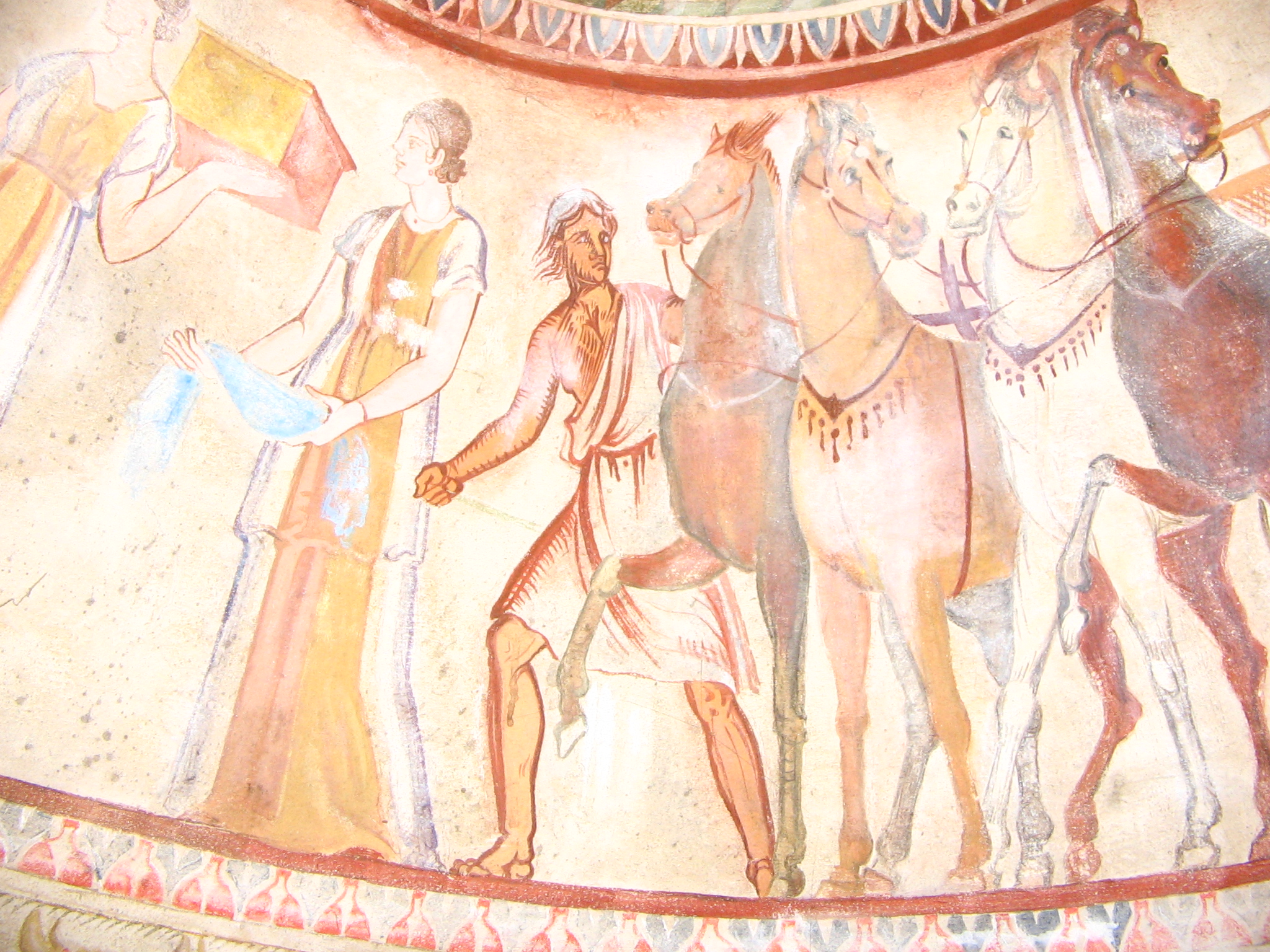
Thracian Tomb of Kazanlak
Thracian beehive tomb with Hellenistic murals
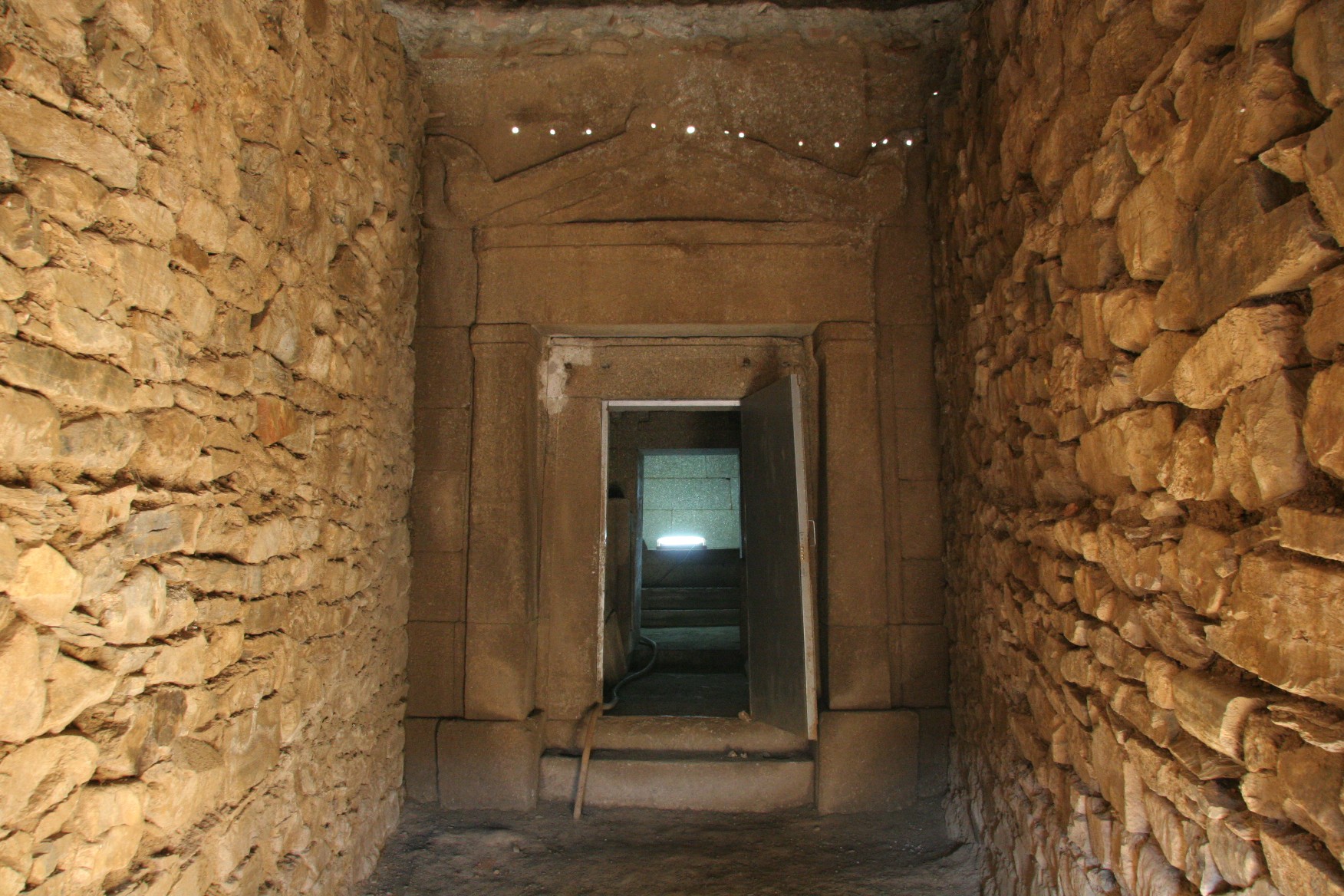
Thracian tomb Griffins
Thracian tomb with griffin motifs and dome.
Dausdava
Ancient Dacian town in Moesia region
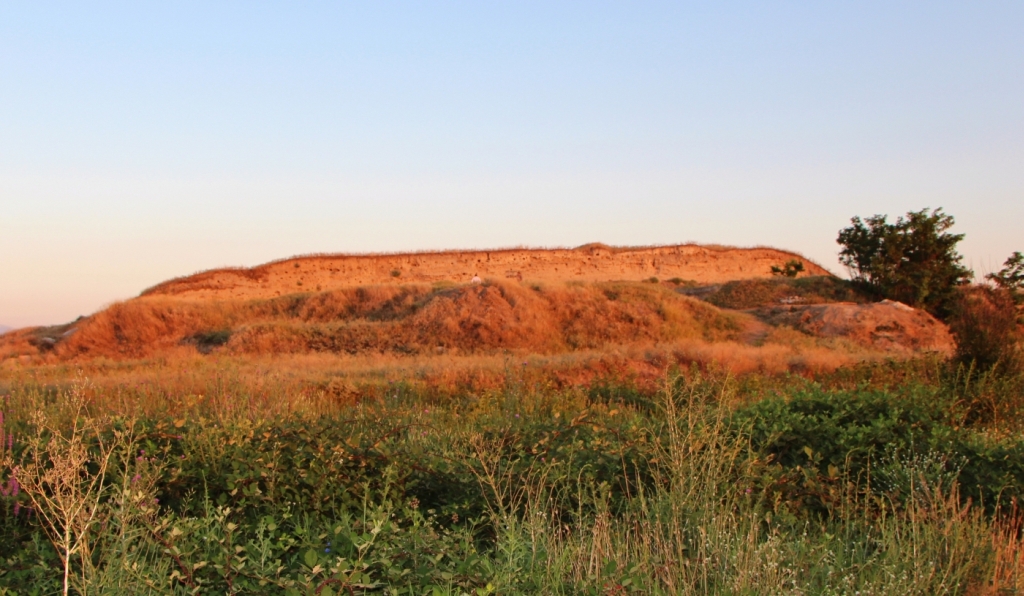
Tell Yunatsite
Multilayered settlement mound in Bulgaria
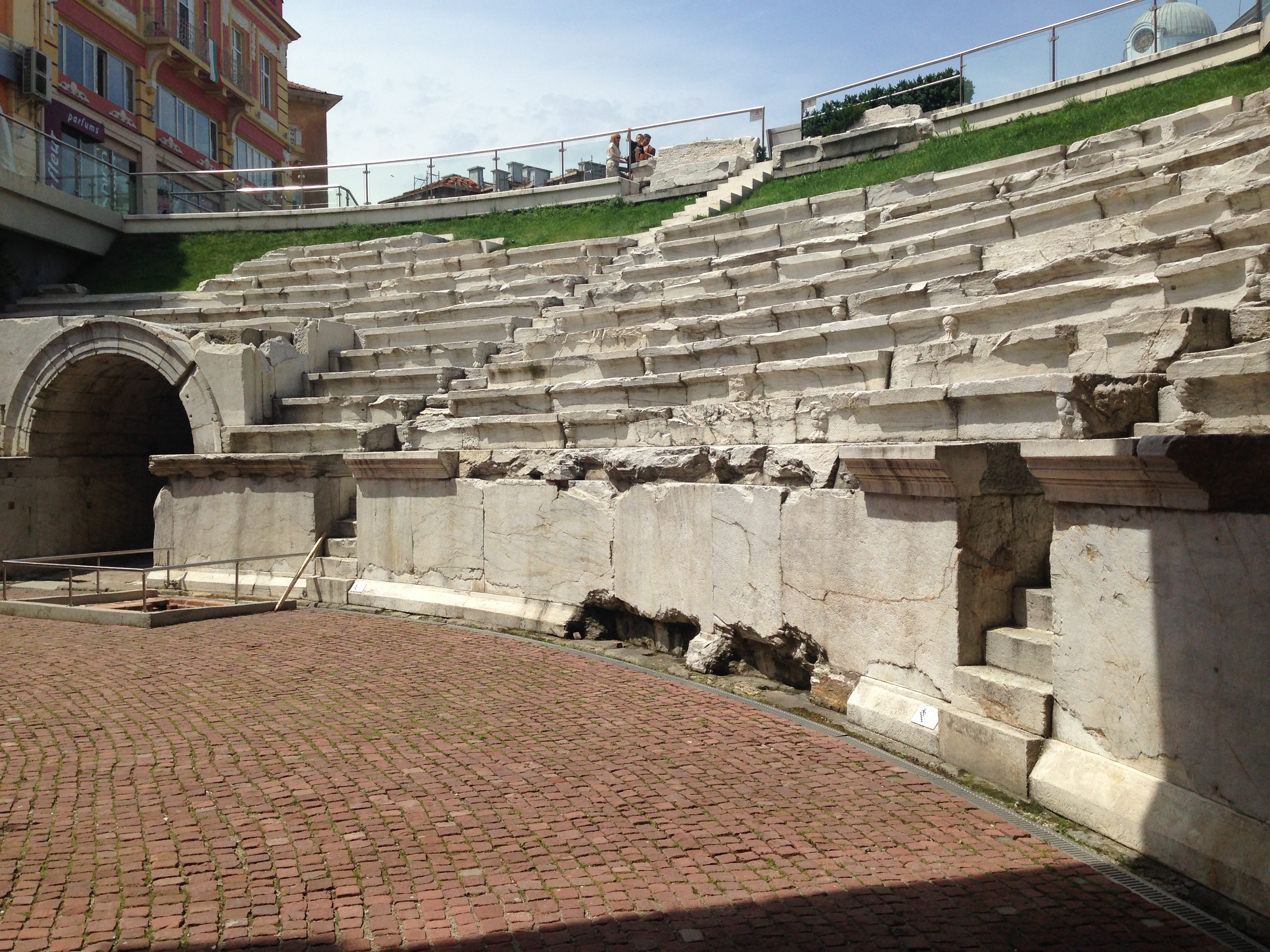
Philippopolis (Thrace)
Ancient city on seven syenite hills
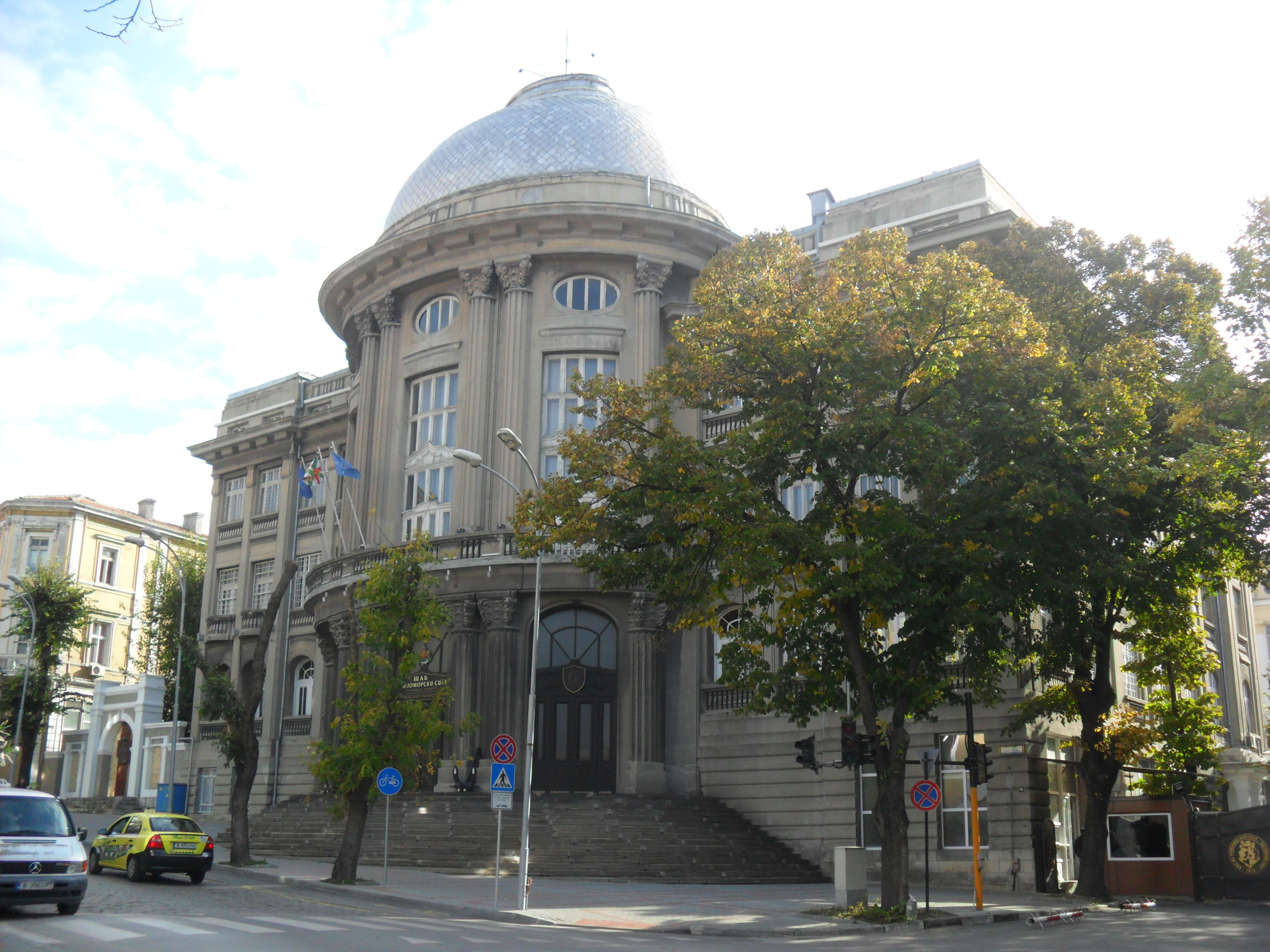
Varna, Bulgaria
Ancient Thracian and Greek settlement site