Explore the Map
Tomb of Seuthes III
42.6999° N, 25.3334° E
About
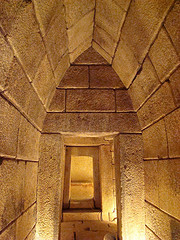
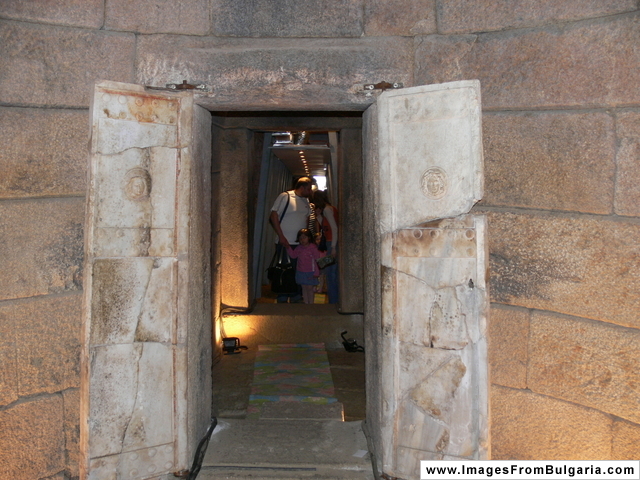
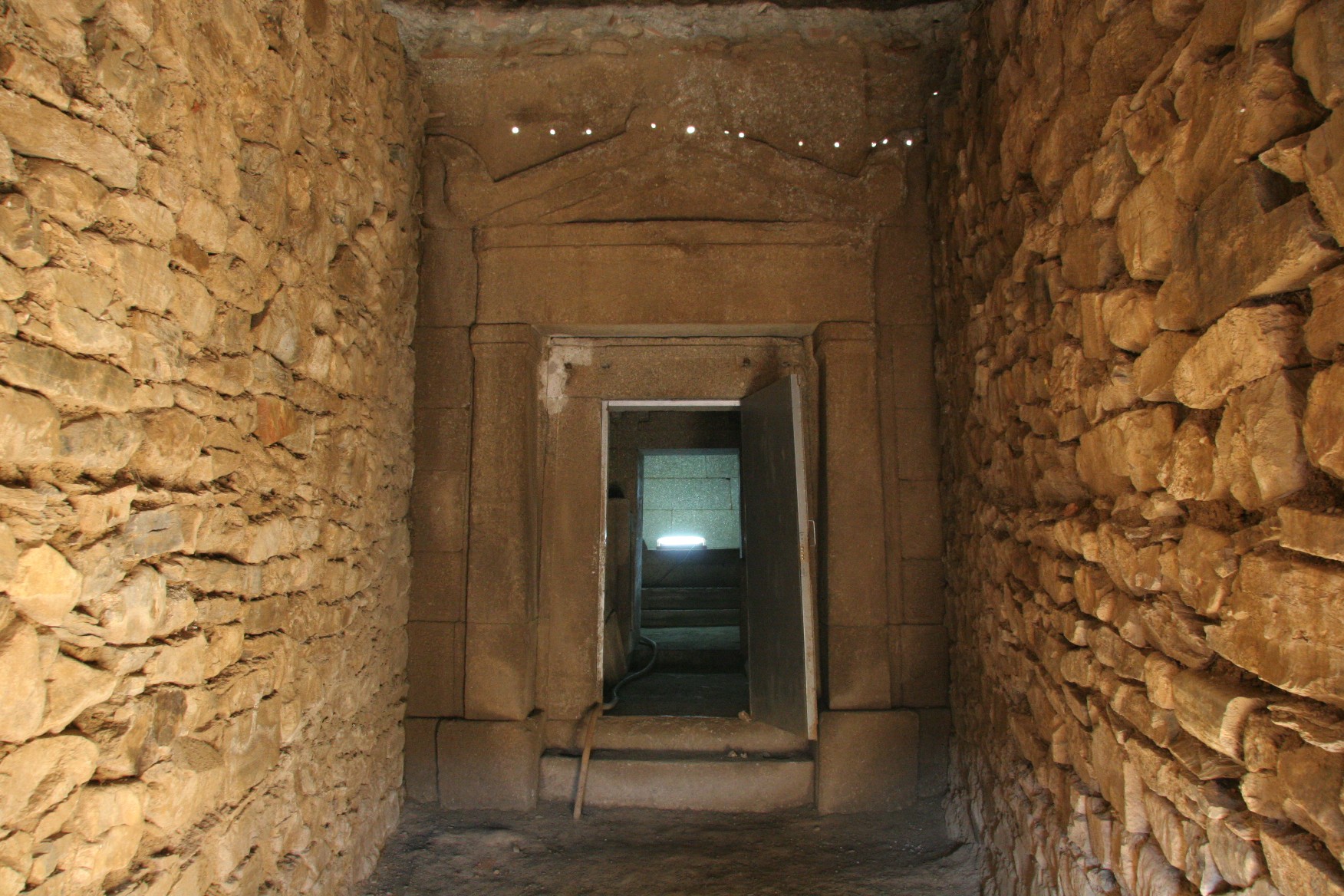
The Tomb of Seuthes III is a significant archaeological site located near Kazanlak, Bulgaria, within the Valley of the Thracian Rulers. Originally built as a monumental temple in the second half of the 5th century BCE, it later became the final resting place of Seuthes III, king of the Odrysian Kingdom of Thrace, around 300 BCE. The site features a complex design with an impressive façade, a 13-meter entry corridor, and three spacious rooms, including a horse-sacrificial chamber and a domed circular room. Rich artifacts like gold-threaded garments, decorated weapons, and unique gold appliques were found, showcasing Thracian craftsmanship. The tomb's significance lies in its elaborate construction, reflective of Thracian burial practices and Seuthes III's importance in Thracian history.
Gallery
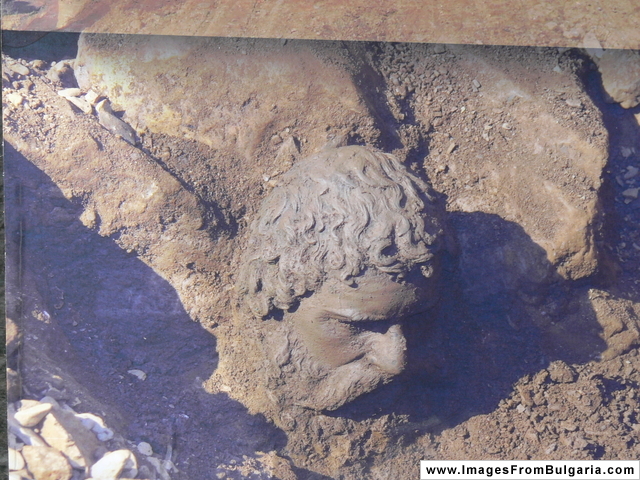
Explore photographs of ancient structures, artifacts, and archaeological excavations
Historical Timeline
Journey through time and discover key events in this site's history
Original construction as temple
second half of the 5th century BCE
Seuthes III burial
around 300 BCE
Archaeological Features
Unique architectural and cultural elements found at this historical site
Burial and Funerary Structures
Religious and Ritual Structures
Artistic and Decorative Features
Frequently Asked Questions
Plan Your Visit
Tours, travel arrangements, and practical information
Recommended Tours


More Sites in Bulgaria
Thracian tomb Griffins
Thracian tomb with griffin motifs and dome.
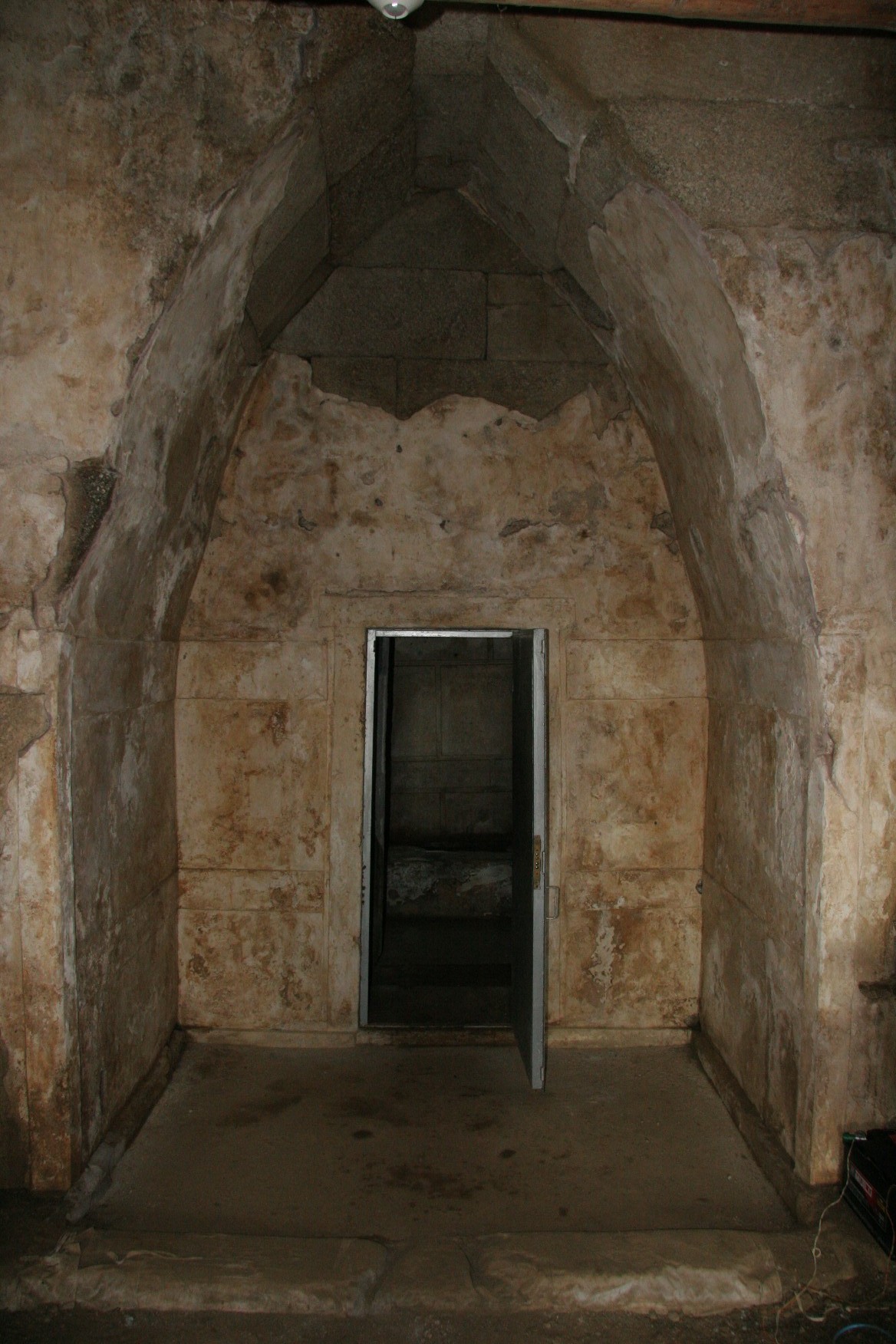
Thracian tomb Helvetia
Thracian tomb with unique architectural features.
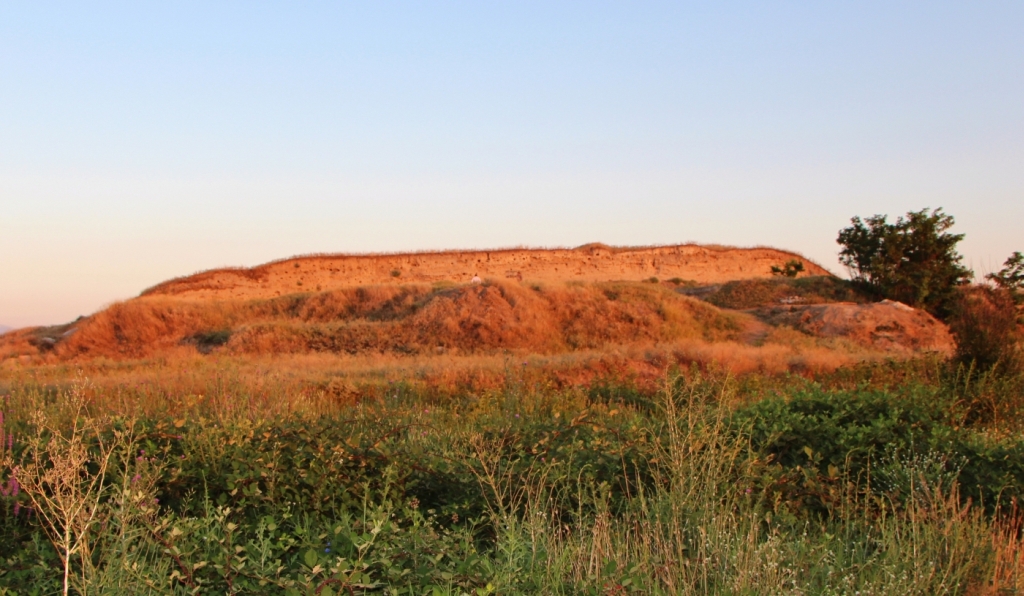
Tell Yunatsite
Multilayered settlement mound in Bulgaria
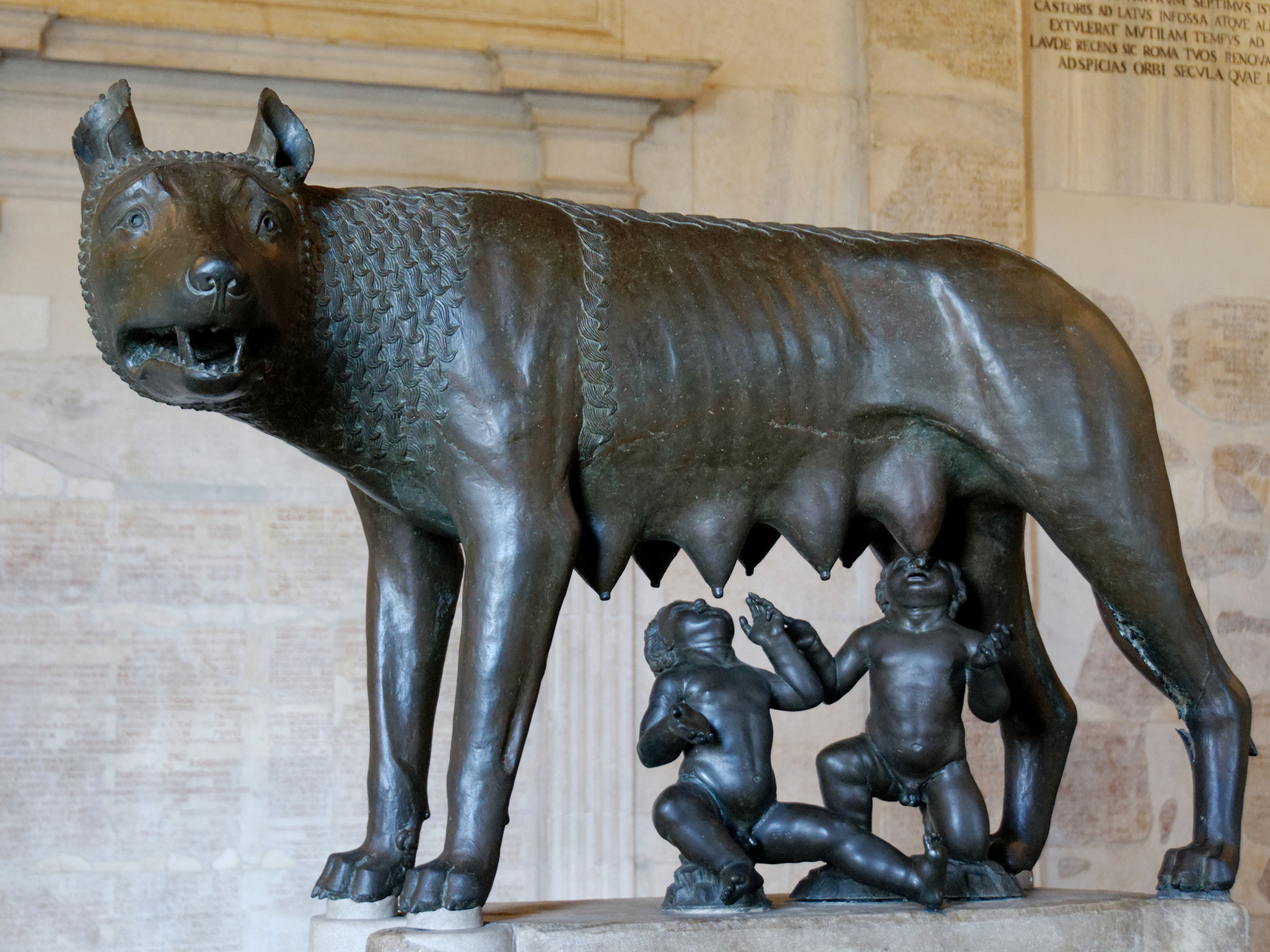
Dausdava
Ancient Dacian town in Moesia region
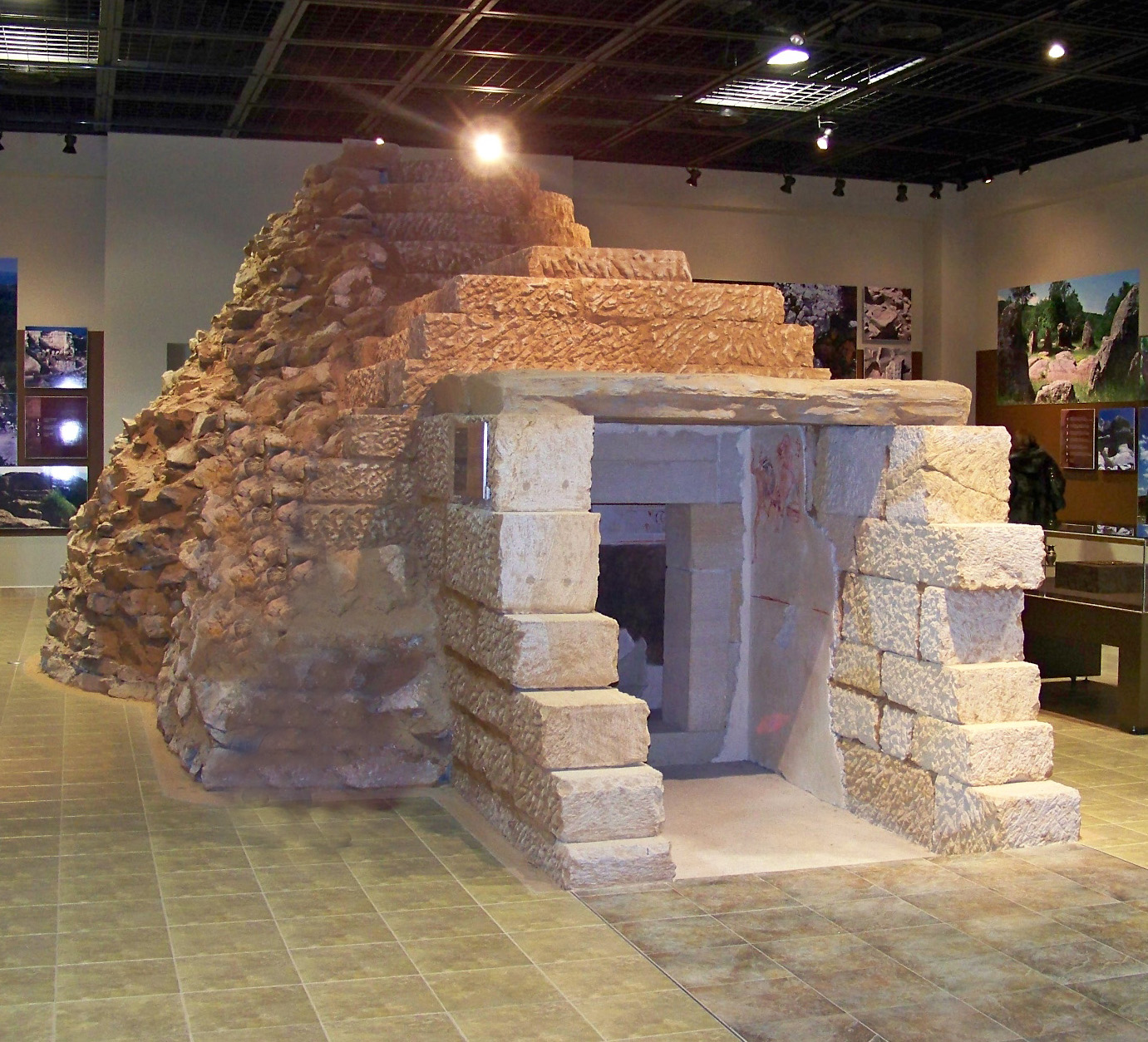
Thracian tomb of Aleksandrovo
Thracian tomb with frescoes and artifacts
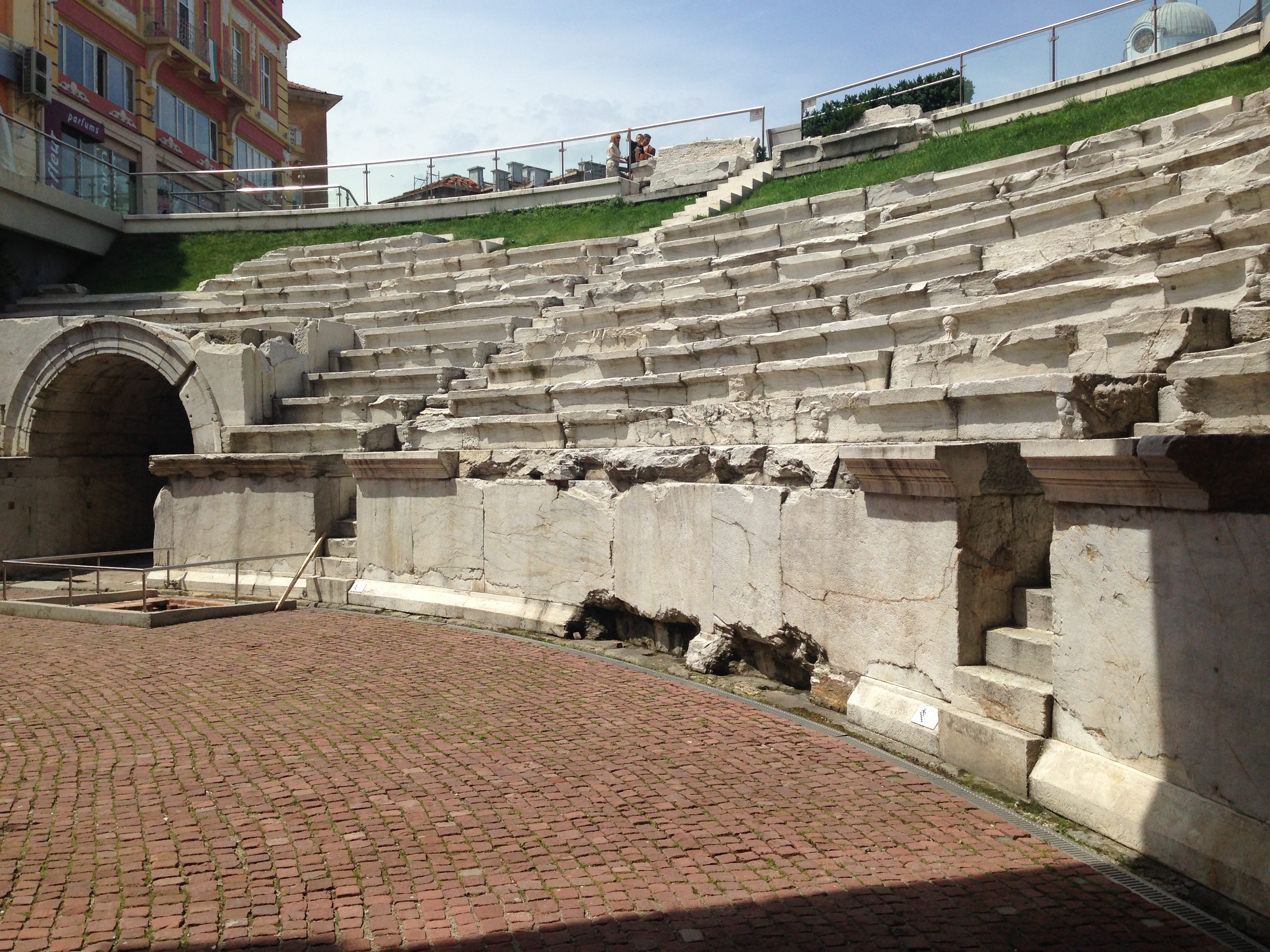
Philippopolis (Thrace)
Ancient city on seven syenite hills