Explore the Map
Balawaste
37.0500° N, 81.0830° E
About
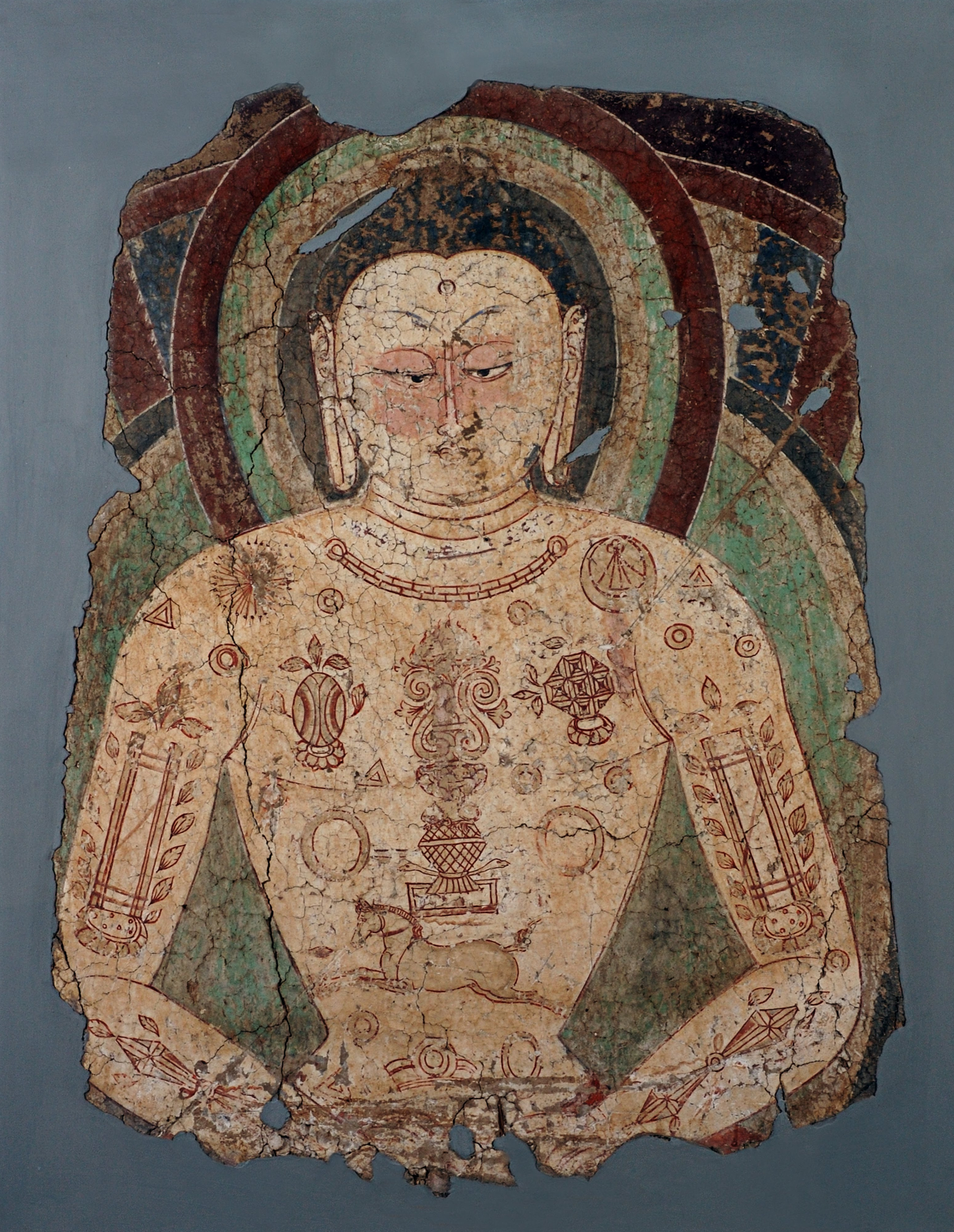
Balawaste is an archaeological site situated in the eastern region of the Khotan oasis near Domoko, along the southern Silk Road. Excavated by Sir Mark Aurel Stein during his expeditions in the early 20th century, Balawaste comprises a small room, an animal pen, and a significant Buddhist shrine. The site yielded stucco reliefs and textiles indicative of Buddhist artistic traditions. Manuscripts in both Chinese and Brahmi script were reportedly found here, linking the site to broader cultural and trade exchanges along the Silk Road. Stein dated the site to around 600 CE, based on the stylistic features of the clothing depicted on Buddhist figures, situating it in the Early Post-Classical Period. This site provides valuable insights into the religious and cultural dynamics of the region during this time.
Gallery
Explore photographs of ancient structures, artifacts, and archaeological excavations
Historical Timeline
Journey through time and discover key events in this site's history
Buddhist shrine construction
600 CE
Archaeological Features
Unique architectural and cultural elements found at this historical site
Animal Husbandry Features
Religious and Ritual Structures
Artistic and Decorative Features
Domestic and Habitation Structures
Frequently Asked Questions
Plan Your Visit
Tours, travel arrangements, and practical information
More Sites in China
Laosicheng
Largest, best-preserved ancient Tusi city
Yunju Temple
Buddhist temple complex with vast stone sutra steles, China
Luobi Cave
Karst cave with Yuan Dynasty inscriptions
Tomb of An Jia
Sogdian funerary monument in Xi'an, Northern Zhou (6th century)
Ye (Hebei)
Ancient Chinese city, significant historical capital
Endere
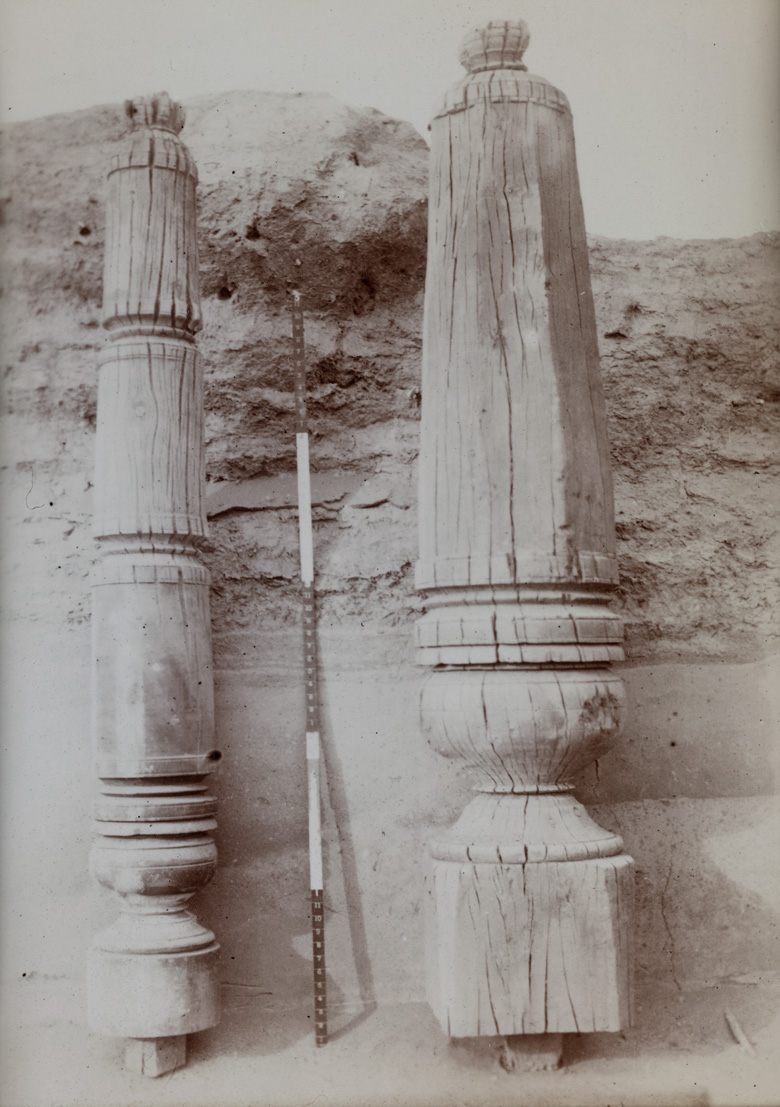
Ancient military post and Buddhist center