
Explore the Map
Gungnae
41.1387° N, 126.1762° E
About
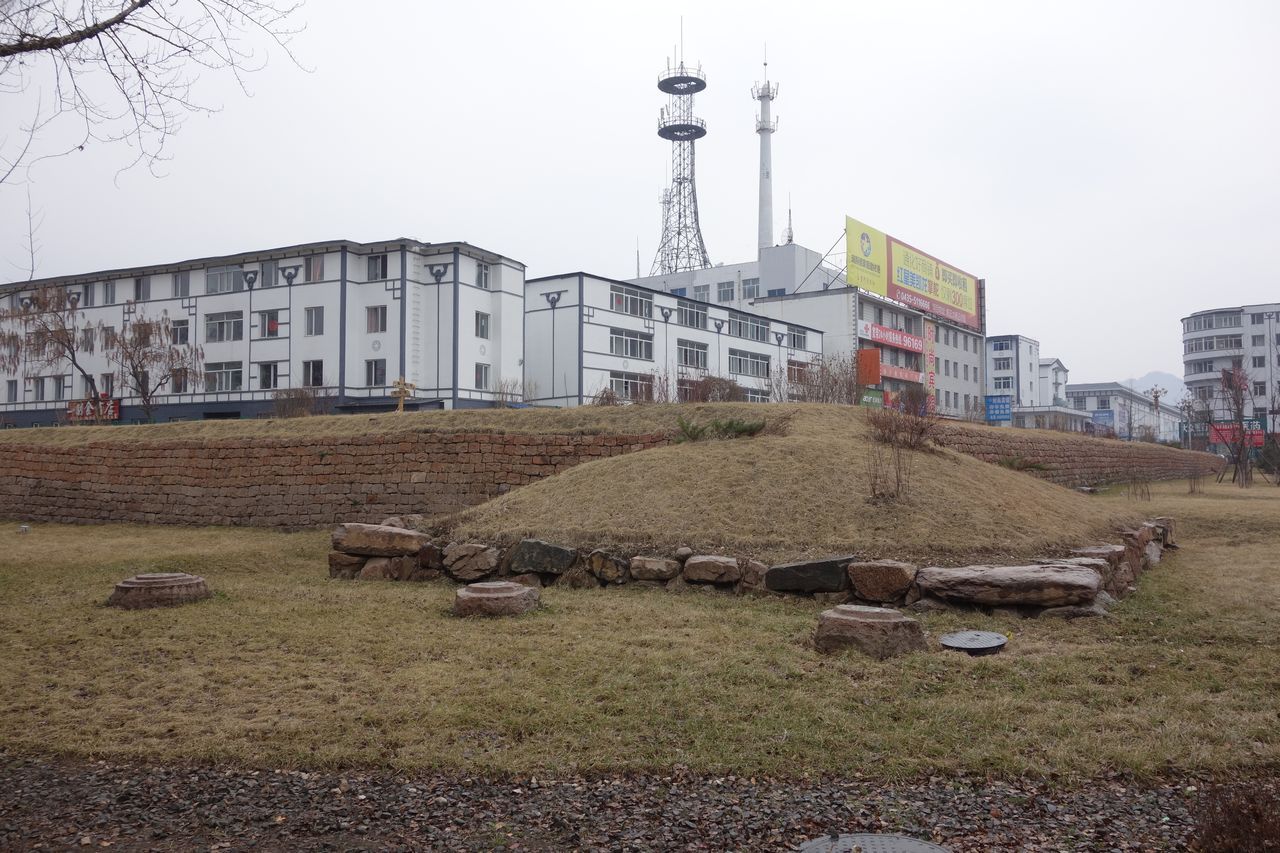
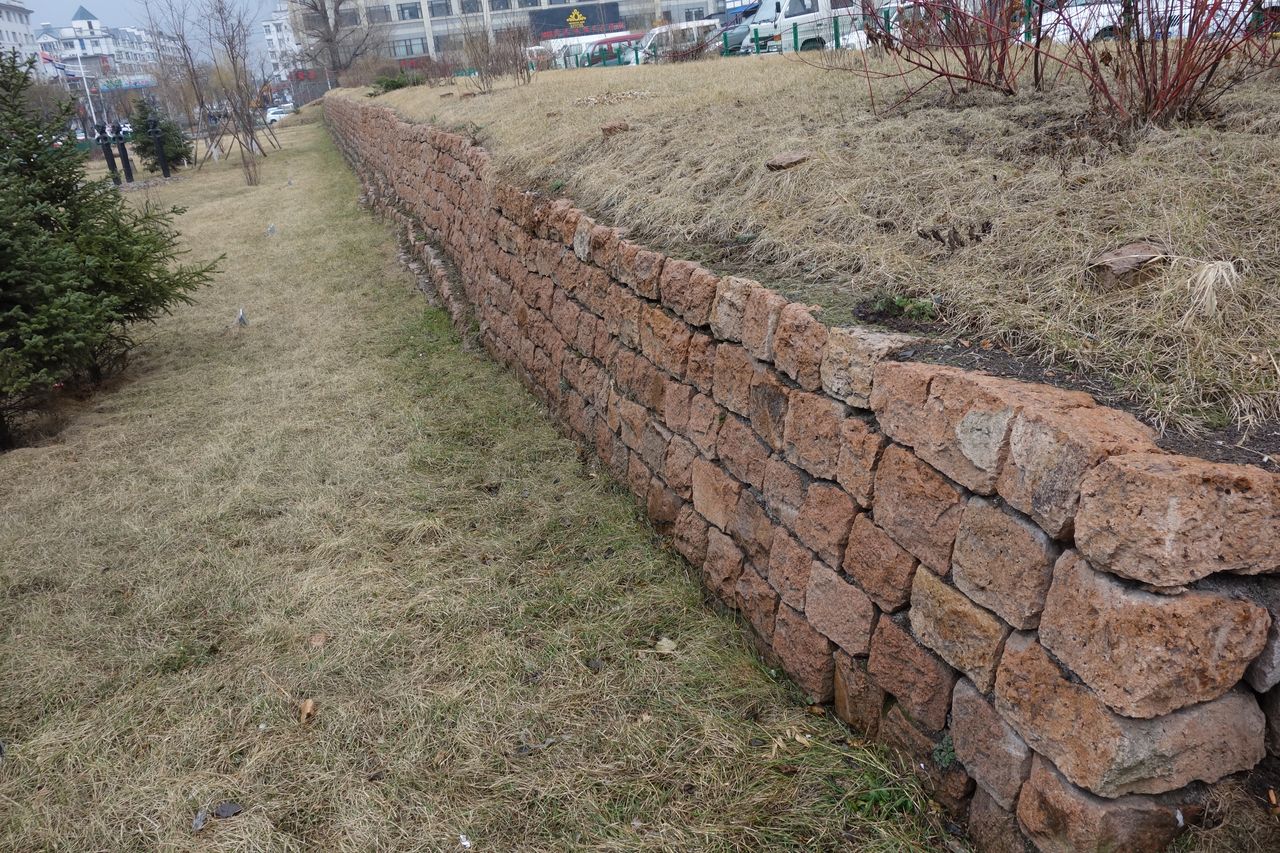
Gungnaeseong, also known as Guonei, was a prominent city that served as the capital of the ancient Korean kingdom of Goguryeo. Located in present-day Ji'an, Jilin province, northeast China, Gungnae was strategically significant and fortified with an outer fortress measuring 2,686 meters in perimeter. Established as the capital by King Yuri in 3 CE, it remained central to the kingdom's administration and defense until the capital was moved to Pyongyang by King Jangsu in 427 CE. Gungnae witnessed the rise of Goguryeo as a formidable power in northeast Asia under rulers such as Gwanggaeto the Great. The city eventually fell to the Silla-Tang alliance in 666 CE, contributing to the kingdom's downfall two years later. Gungnae's historical and architectural significance has been recognized by its designation as a UNESCO World Heritage Site.
Gallery
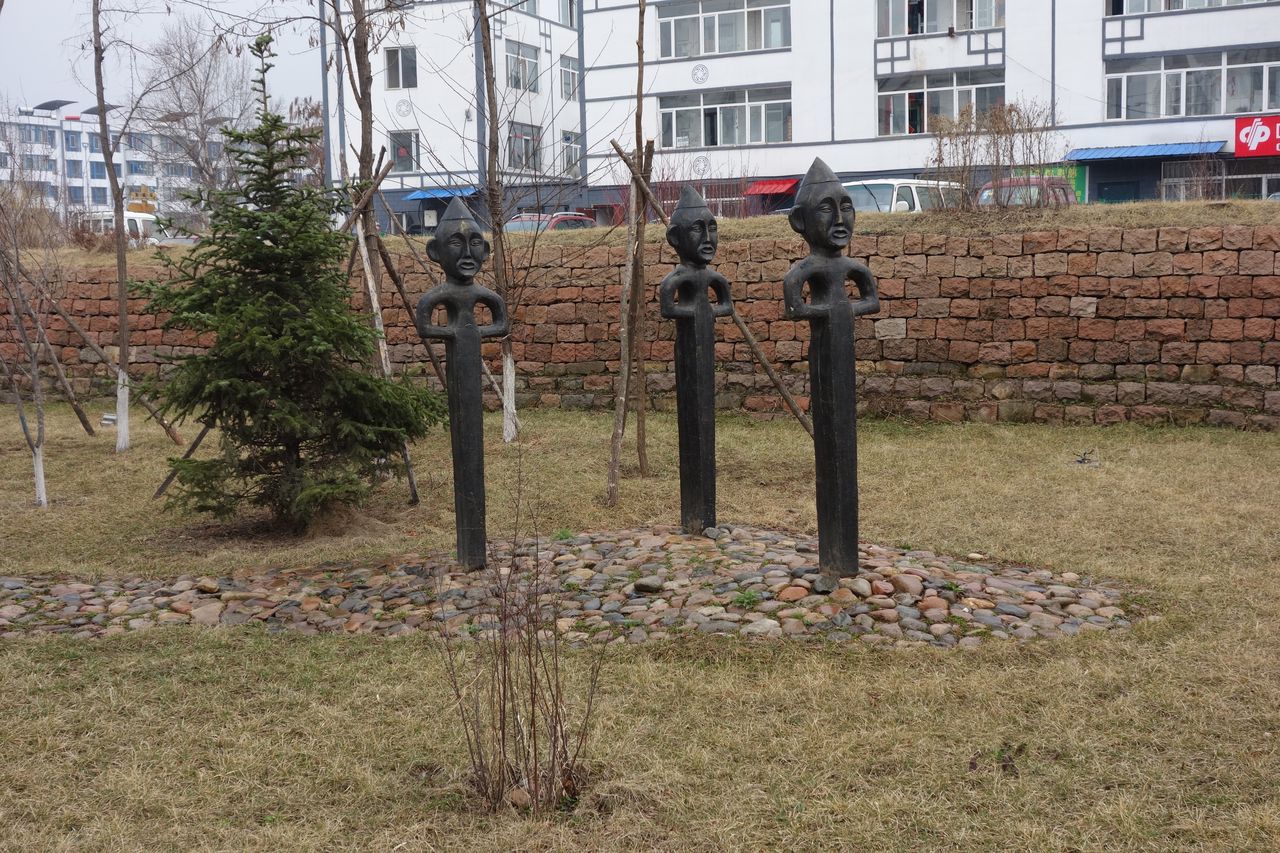
Explore photographs of ancient structures, artifacts, and archaeological excavations
Historical Timeline
Journey through time and discover key events in this site's history
Gungnae established as capital
3 CE
Gwanggaeto's reign begins
391 CE
Jangsu moves capital to Pyongyang
427 CE
Gungnae falls to Silla-Tang alliance
666 CE
Archaeological Features
Unique architectural and cultural elements found at this historical site
Defensive Structures
Domestic and Habitation Structures
Frequently Asked Questions
Plan Your Visit
Tours, travel arrangements, and practical information
More Sites in China
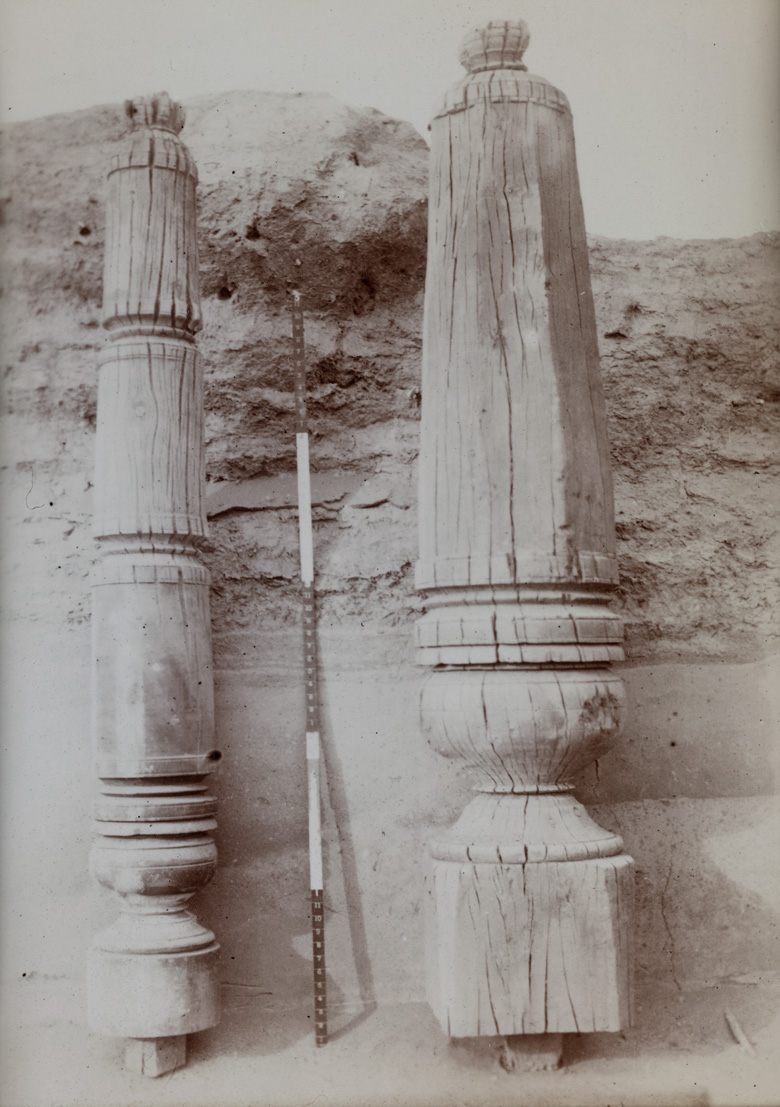
Endere
Ancient military post and Buddhist center
Ye (Hebei)
Ancient Chinese city, significant historical capital
Capital Cities and Tombs of the Ancient Koguryo Kingdom
Goguryeo fortress-cities and tombs, 1st century BCE–7th century CE
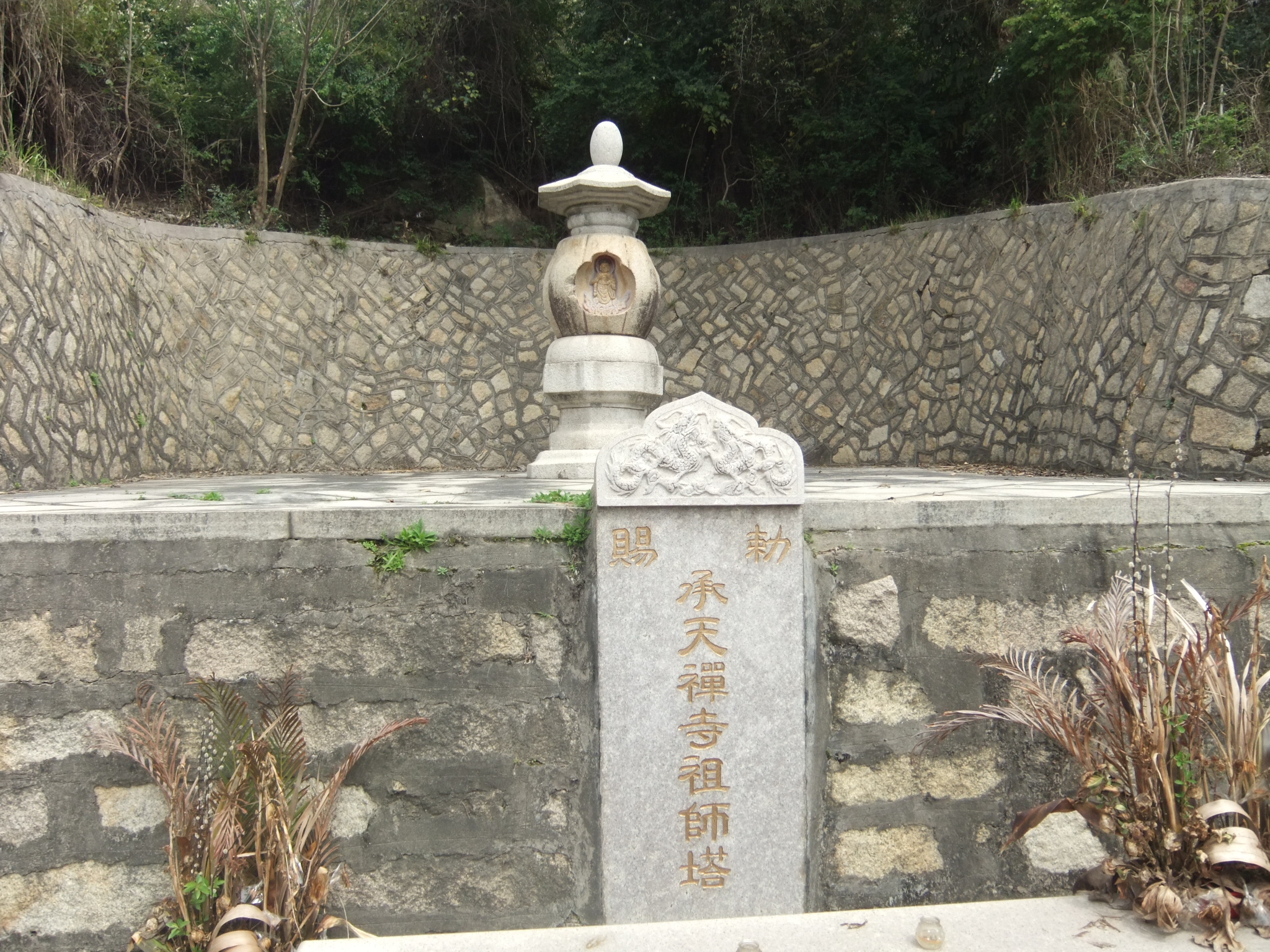
Lingshan Islamic Cemetery
Ancient Islamic cemetery with venerated graves
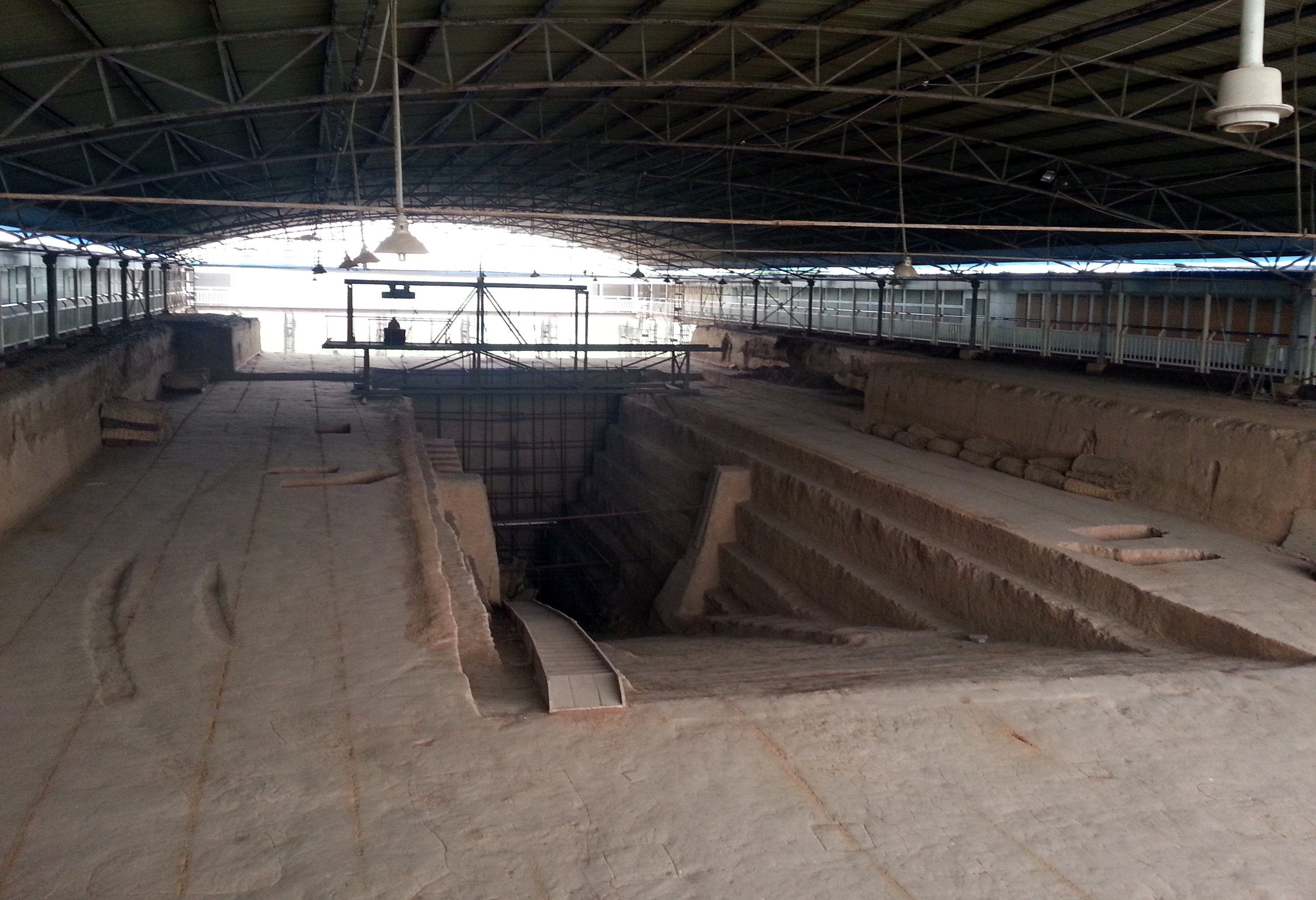
Cao Cao Mausoleum
Brick tomb with multiple chambers
Laosicheng
Largest, best-preserved ancient Tusi city