
Explore the Map
Jiaohe ruins
42.9506° N, 89.0639° E
About
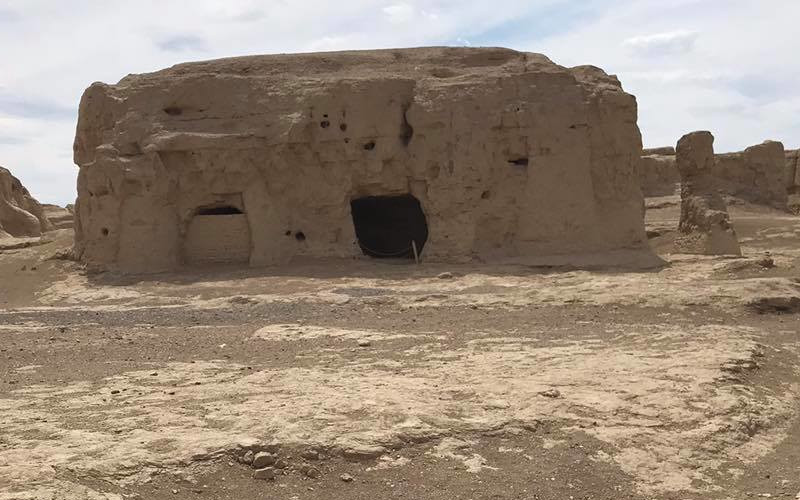
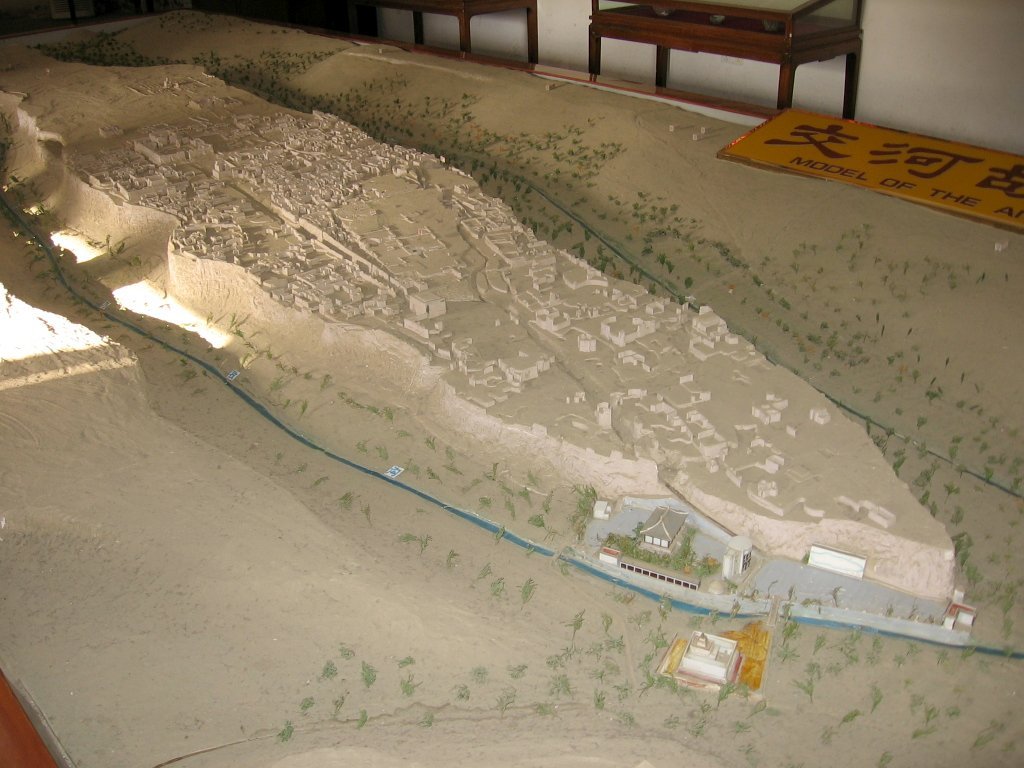
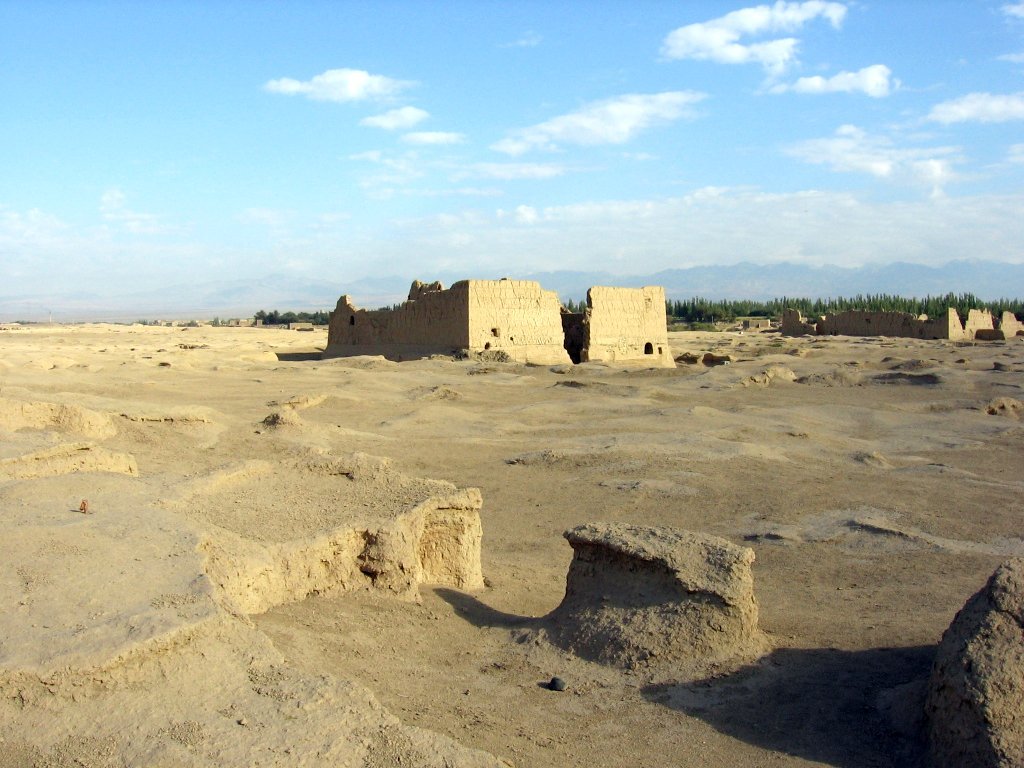
The Jiaohe Ruins, located in the Yarnaz Valley of Xinjiang, China, present a unique archaeological site of a once thriving Silk Road city. Positioned on a naturally fortified plateau, the city served as a critical hub for trade and governance from the 2nd century BCE to the 13th century CE. It was the capital of the Anterior Jushi Kingdom and later became a prefecture under the Tang dynasty and the Uyghur Khaganate. The city's layout featured residential districts, Buddhist temples and stupas, and a significant government office. Notably, Jiaohe lacked traditional defensive walls, relying instead on the steep cliffs surrounding it. Abandoned following the Mongol invasion led by Genghis Khan, the ruins now stand as a testament to the city's historical and cultural significance along the Silk Road.
Gallery
Explore photographs of ancient structures, artifacts, and archaeological excavations
Historical Timeline
Journey through time and discover key events in this site's history
Capital of Anterior Jushi Kingdom
108 BCE
Becomes Jiao Prefecture
450 CE
Seat of Protector General
640 CE
Uyghur Khaganate Prefecture
9th century CE
Abandoned after Mongol Invasion
13th century CE
Archaeological Features
Unique architectural and cultural elements found at this historical site
Defensive Structures
Burial and Funerary Structures
Religious and Ritual Structures
Domestic and Habitation Structures
Frequently Asked Questions
Plan Your Visit
Tours, travel arrangements, and practical information
More Sites in China
Ye (Hebei)
Ancient Chinese city, significant historical capital
Endere
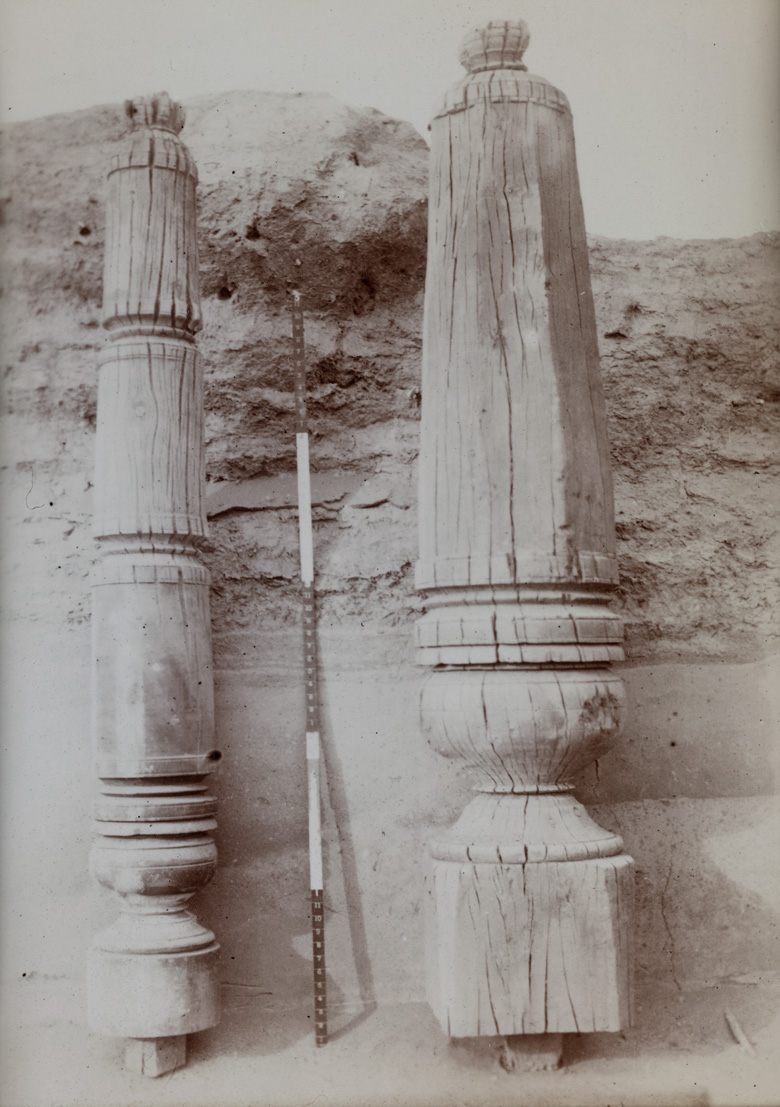
Ancient military post and Buddhist center
Luobi Cave
Karst cave with Yuan Dynasty inscriptions
Lingshan Islamic Cemetery
Ancient Islamic cemetery with venerated graves
Yunju Temple
Buddhist temple complex with vast stone sutra steles, China

Xigoupan
Ordos culture tombs with Scythian artifacts