
Explore the Map
Sanxingdui
30.9930° N, 104.2000° E
About
Sanxingdui (Chinese: 三星堆; pinyin: Sānxīngduī; lit. 'Three Star Mound') is an archaeological site and a major Bronze Age culture in modern Guanghan, Sichuan, China. Largely discovered in 1986, following a preliminary finding in 1927, archaeologists excavated artifacts that radiocarbon dating placed in the 12th-11th centuries BC. The archaeological site is the type site for the Sanxingdui culture that produced these artifacts, archeologists have identified the locale with the ancient kingdom of Shu. The artifacts are displayed in the Sanxingdui Museum located near the city of Guanghan. Sanxingdui is on the UNESCO list of tentative World Heritage Sites, along with the Jinsha site and the tombs of boat-shaped coffins.
Historical Timeline
Journey through time and discover key events in this site's history
City founded
c. 1600 BCE
Radiocarbon dating of artifacts
12th–11th centuries BCE
Early find by farmer
1927
Excavation and museum work in 1930s
1934
Major sacrificial pits discovered
1986
International exhibitions
1987–1993
World Monuments Watch listing
1996
Sanxingdui Museum opened
1997
Additional pits and continued excavation
2020–2022
Large new discoveries announced
March 2021
Archaeological Features
Unique architectural and cultural elements found at this historical site
Defensive Structures
Miscellaneous Features
Water Management Features
Public and Civic Structures
Burial and Funerary Structures
Industrial and Craft Structures
Artistic and Decorative Features
Agricultural and Land Use Features
Domestic and Habitation Structures
Frequently Asked Questions
Plan Your Visit
Tours, travel arrangements, and practical information
More Sites in China
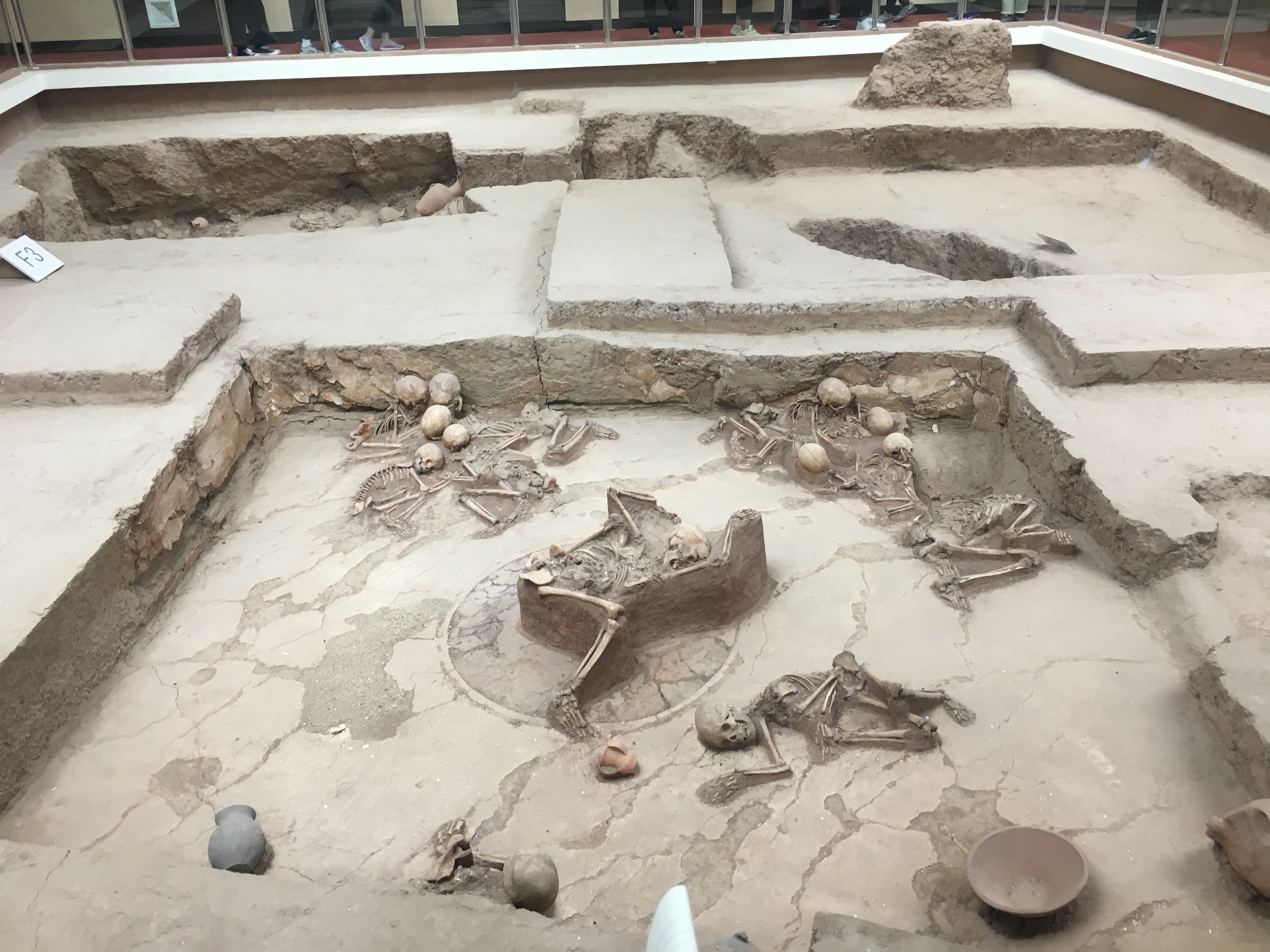
Lajia
Bronze Age site in Yellow River region
Yunju Temple
Buddhist temple complex with vast stone sutra steles, China
Luobi Cave
Karst cave with Yuan Dynasty inscriptions
Ye (Hebei)
Ancient Chinese city, significant historical capital
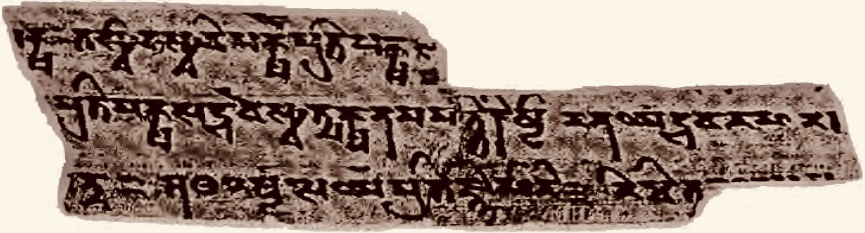
Kizil Caves
Buddhist rock-cut cave complex in China
Tomb of An Jia
Sogdian funerary monument in Xi'an, Northern Zhou (6th century)