

Explore the Map
Subashi Temple
41.8558° N, 83.0469° E
About
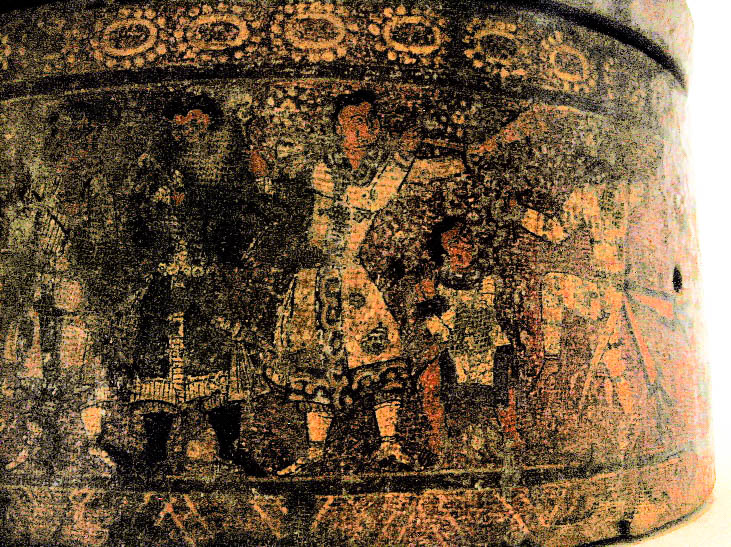
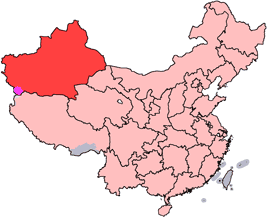
The Subashi Temple is a significant archaeological site located near Kucha in the Taklamakan Desert, Western China. This ruined Buddhist temple was part of the ancient Silk Road network, playing a crucial role in the cultural and religious exchanges between East and West. The site, identified as a place of worship from the Late Classical to the Early Post-Classical period, showcases the historical presence of Buddhism in the region. Archaeological findings, such as a 6th–7th century sarira, reveal the influence of Central Asian cultures, with artifacts depicting men in long tunics reminiscent of Tocharian art. The famous 'Witch of Subashi' mummy further emphasizes the cultural diversity and historical richness of the area, suggesting early Caucasian populations' presence. The site is part of the UNESCO World Heritage-listed Silk Roads: the Routes Network of Chang'an-Tianshan Corridor, highlighting its global cultural significance.
Gallery
Explore photographs of ancient structures, artifacts, and archaeological excavations
Historical Timeline
Journey through time and discover key events in this site's history
Buddhist Temple Activity
500 CE - 700 CE
Archaeological Features
Unique architectural and cultural elements found at this historical site
Burial and Funerary Structures
Religious and Ritual Structures
Frequently Asked Questions
Plan Your Visit
Tours, travel arrangements, and practical information
More Sites in China
Ye (Hebei)
Ancient Chinese city, significant historical capital
Endere
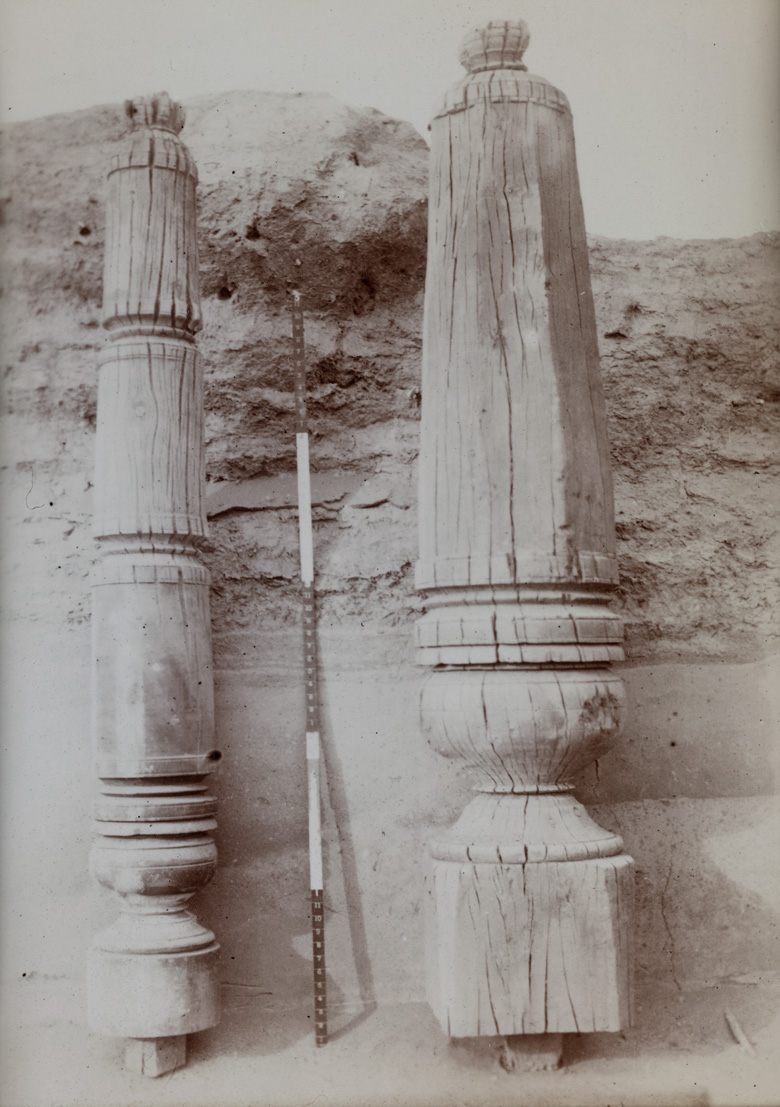
Ancient military post and Buddhist center
Shangjing Longquanfu
Balhae capital city ruins, 8th–10th centuries
Tomb of An Jia
Sogdian funerary monument in Xi'an, Northern Zhou (6th century)
Yunju Temple
Buddhist temple complex with vast stone sutra steles, China
Lingshan Islamic Cemetery
Ancient Islamic cemetery with venerated graves