
Explore the Map
Suoyang City
40.2463° N, 96.2051° E
About
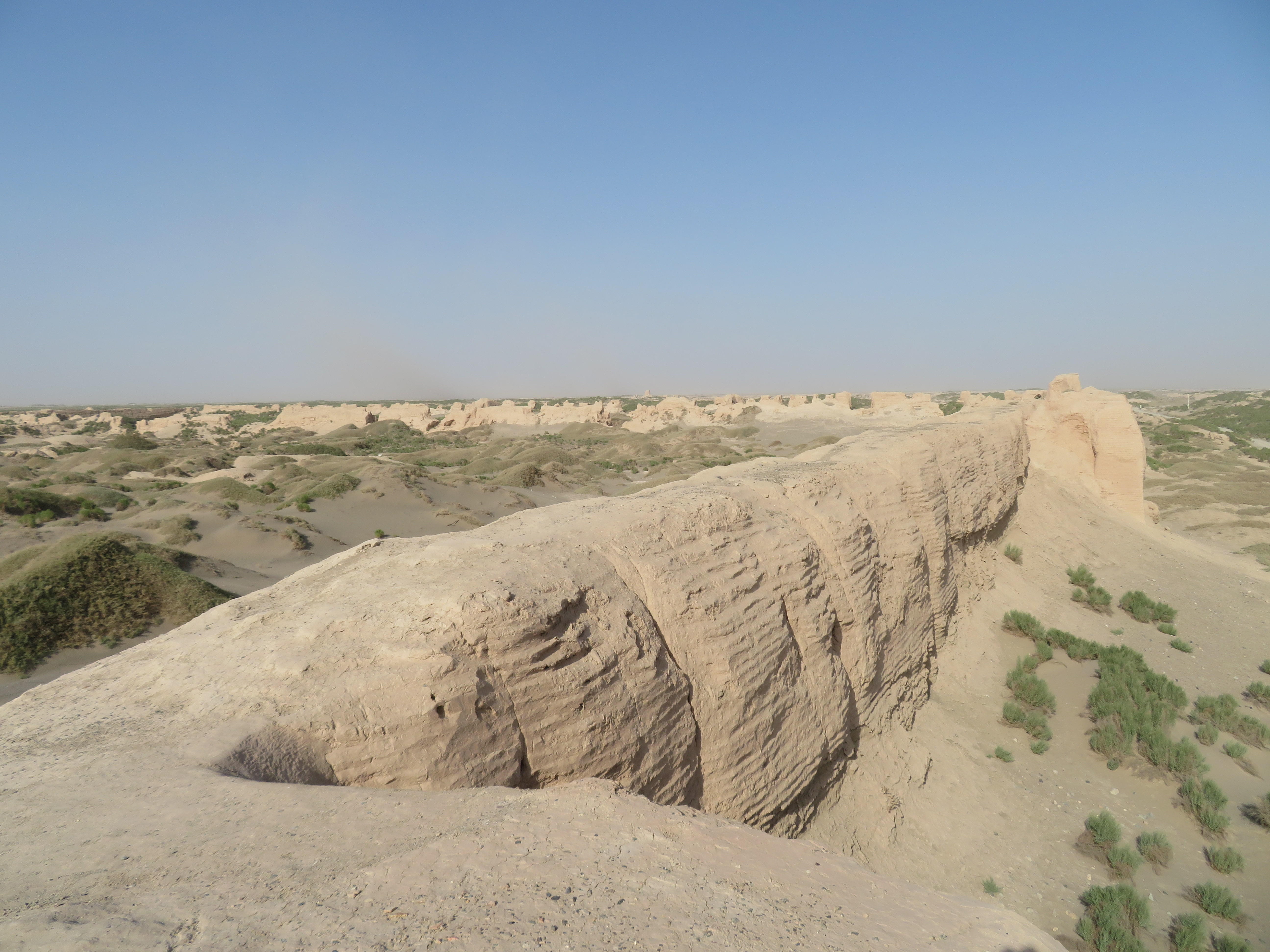
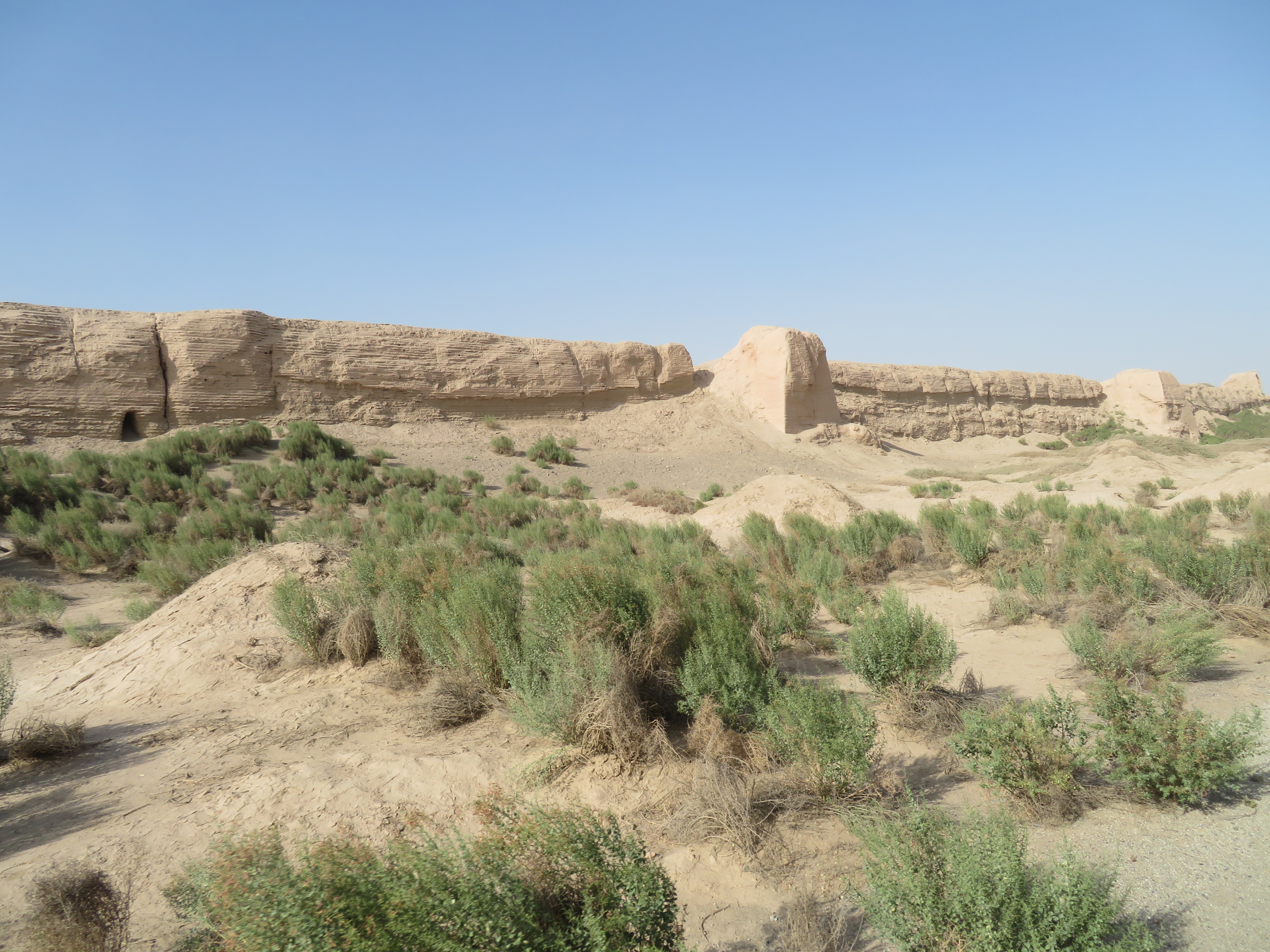
Suoyang City, historically known as Kuyu, is a significant archaeological site located in northwestern China along the ancient Silk Road. Established initially as Ming'an County in 111 BCE under the Han dynasty, the city was later relocated and rebuilt in 295 CE by the Western Jin dynasty. As a key administrative and cultural center in the Hexi Corridor, it flourished during the Tang and Western Xia dynasties, boasting an estimated population of 50,000 at its peak. The site contains extensive city ruins, including defensive walls, fortresses, and a watchtower, as well as a complex irrigation system and numerous tombs. Additionally, the site features several Buddhist temples and cave complexes, highlighting its religious significance. The city's importance persisted until the 16th century when it was destroyed following conflicts and eventually abandoned. Suoyang City is now recognized as a UNESCO World Heritage Site.
Gallery
Explore photographs of ancient structures, artifacts, and archaeological excavations
Historical Timeline
Journey through time and discover key events in this site's history
Establishment of Ming'an County
111 BCE
Relocation and Rebuilding of City
295 CE
Tang Dynasty Prosperity
7th century CE to 9th century CE
Western Xia Control
1036 CE
Destruction and Abandonment
16th century CE
Archaeological Features
Unique architectural and cultural elements found at this historical site
Defensive Structures
Water Management Features
Burial and Funerary Structures
Religious and Ritual Structures
Domestic and Habitation Structures
Environmental and Natural Features
Frequently Asked Questions
Plan Your Visit
Tours, travel arrangements, and practical information
More Sites in China
Endere
Ancient military post and Buddhist center
Ye (Hebei)
Ancient Chinese city, significant historical capital
Capital Cities and Tombs of the Ancient Koguryo Kingdom
Goguryeo fortress-cities and tombs, 1st century BCE–7th century CE
Shangjing Longquanfu
Balhae capital city ruins, 8th–10th centuries
Lingshan Islamic Cemetery
Ancient Islamic cemetery with venerated graves
Laosicheng
Largest, best-preserved ancient Tusi city