Explore the Map
Valley of the Kings (Tibet)
29.0100° N, 91.6800° E
About
The Valley of the Kings (Tibetan: བོད་རྗེ་པང་སོ, Wylie: bod rje bang so; Chinese: 藏王墓; pinyin: Zàngwáng Mù) or Chongye Valley branches off the Yarlung Valley to the southwest and contains a series of graveyard tumuli, approximately 27 kilometres (17 mi) south of Tsetang, Tibet, near the town of Qonggyai on Mure Mountain in Qonggyai County of the Shannan Prefecture. The site has eight large mounds of earth resembling natural hills that are believed to contain eight to ten buried Tibetan kings. "According to Tibetan tradition all the kings from Dri-gum onwards are buried at ‘Phyong-rgyas, but as the site now presents itself, there are just ten tumuli identifiable as the tombs of all the kings from Srong-brtsan-sgam-po to Khri-lde-srong-brtsan, including two princes . . . ." Other sources, however, have indicated that there are actually nine mounds rather than eight or ten. The kings believed to be buried at the site include Songtsen Gampo (the founder of the Tibetan Empire), Nansong Mangsten, Tridu Songtsen, Gyangtsa Laban, Tride Tsugtsen, Trisong Detsen, Muni Tsangpo and Tritsu Detsen.
Historical Timeline
Journey through time and discover key events in this site's history
13th-century temple
13th century
Temple restoration
1983
Archaeological Features
Unique architectural and cultural elements found at this historical site
Miscellaneous Features
Burial and Funerary Structures
Religious and Ritual Structures
Artistic and Decorative Features
Environmental and Natural Features
Frequently Asked Questions
Plan Your Visit
Tours, travel arrangements, and practical information


More Sites in China
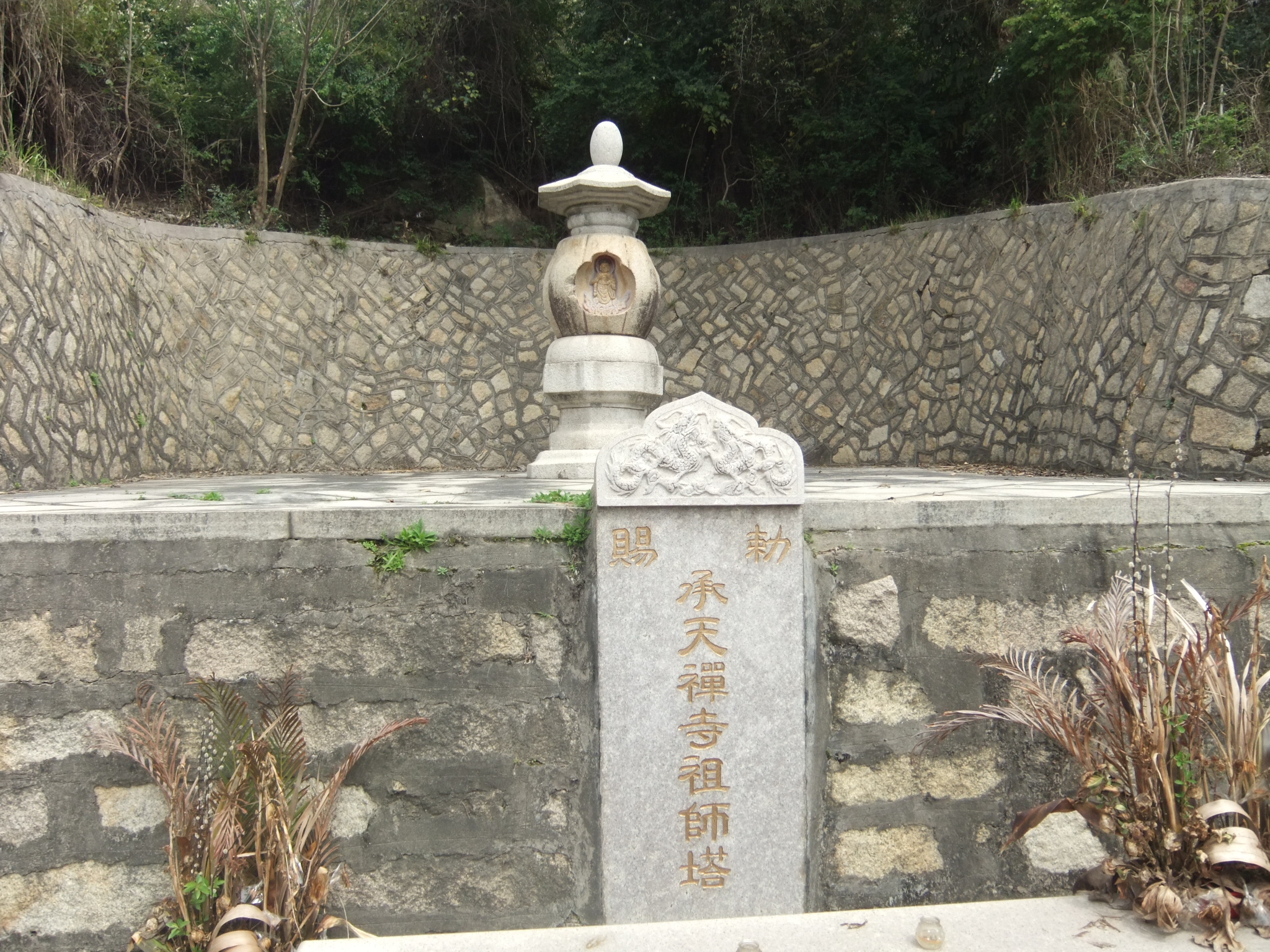
Lingshan Islamic Cemetery
Ancient Islamic cemetery with venerated graves
Lingyin Temple
Chan Buddhist temple in Hangzhou, China
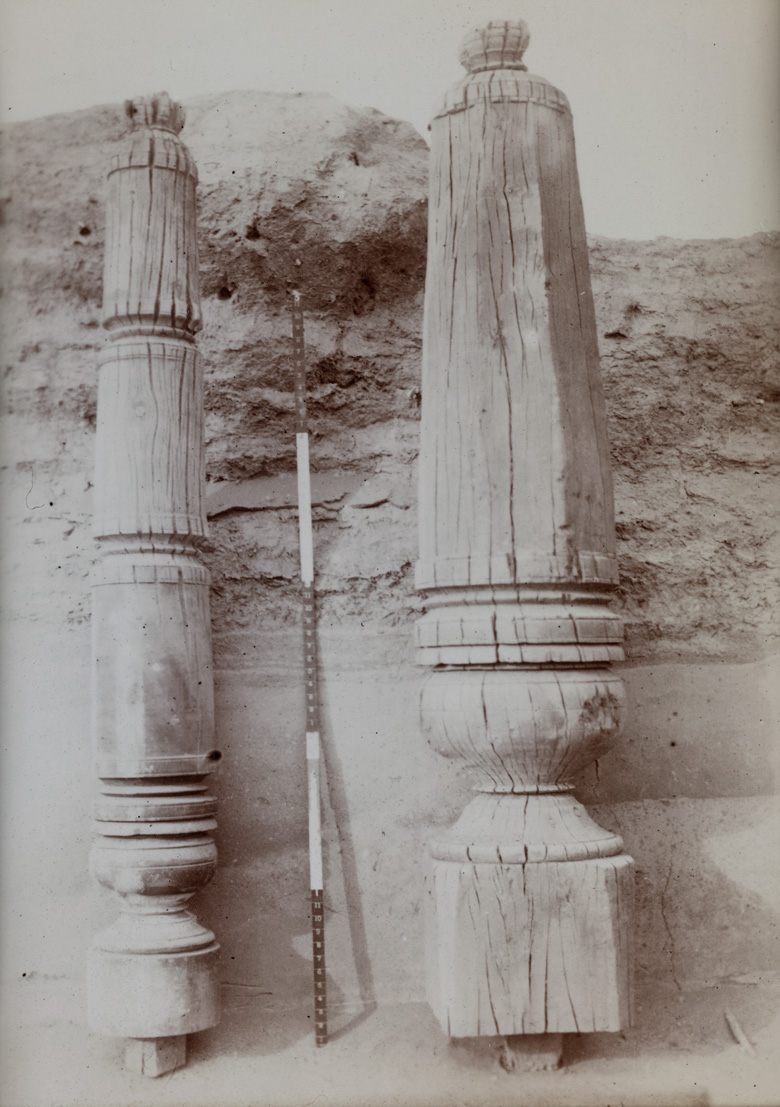
Endere
Ancient military post and Buddhist center
Tomb of An Jia
Sogdian funerary monument in Xi'an, Northern Zhou (6th century)
Capital Cities and Tombs of the Ancient Koguryo Kingdom
Goguryeo fortress-cities and tombs, 1st century BCE–7th century CE
Laosicheng
Largest, best-preserved ancient Tusi city