Time Periods
Paleolithic
Mesolithic
Neolithic
Chalcolithic
Bronze Age
Iron Age
Classical Period
Post-Classical Period
Early Modern Period
Industrial Period
Contemporary Period
Time Periods
Paleolithic
Mesolithic
Neolithic
Chalcolithic
Bronze Age
Iron Age
Classical Period
Post-Classical Period
Early Modern Period
Industrial Period
Contemporary Period
Location
About
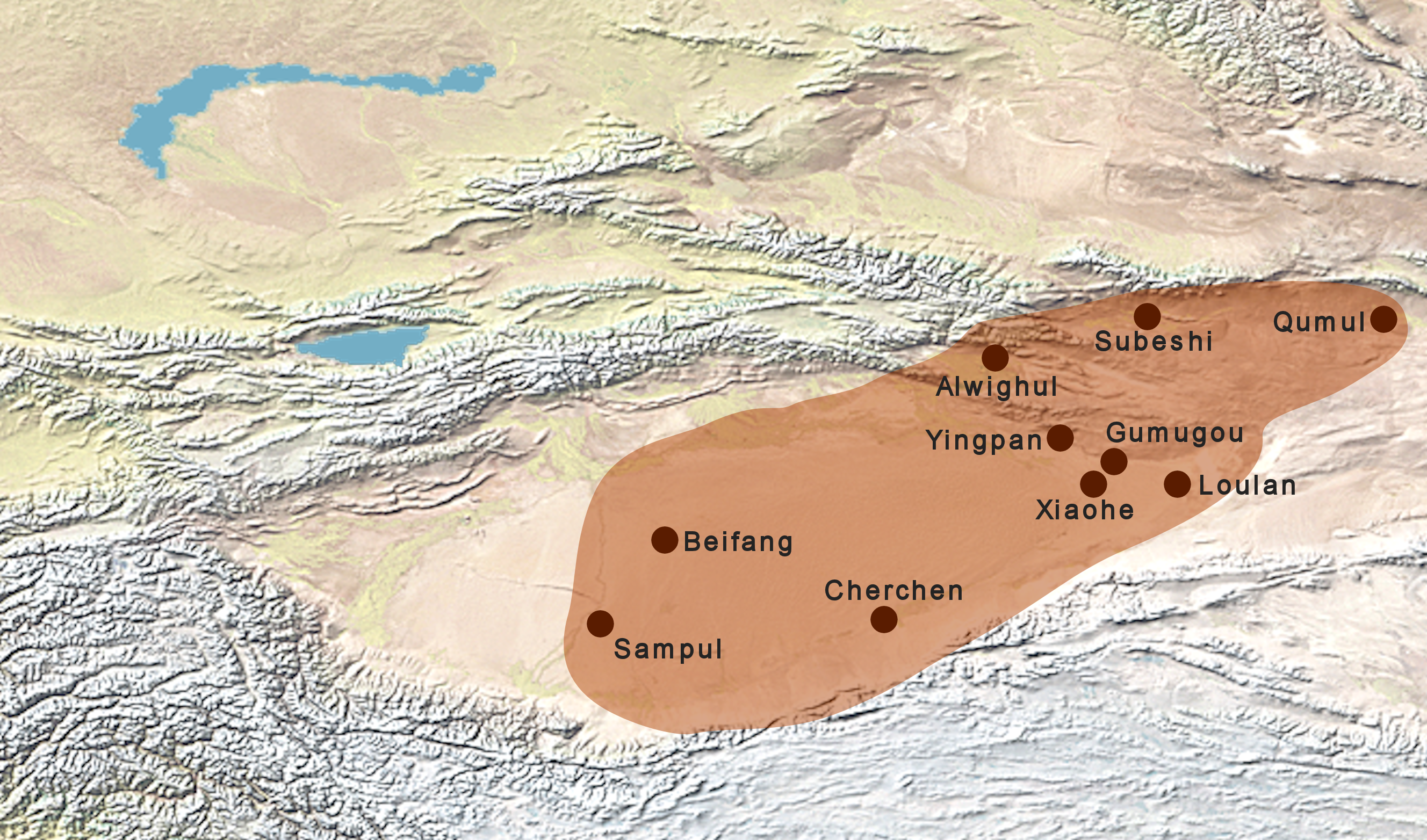
The Yanbulaq culture is a significant archaeological site located in the northern hills of the Qumul Basin in Xinjiang, China. This site, dating from 1100 to 500 BCE, is primarily known for the Yanbulaq Cemetery, which contained 29 mummies. These mummies provide critical insights into cultural interactions between western nomadic groups and eastern agricultural communities during the Late Bronze Age and Early to Middle Iron Age. The diversity of the mummies, including both Asian and Caucasian physical types, underscores the cultural exchanges in the region. The site is also indicative of the transmission of iron technology, as evidenced by the discovery of iron knives. The decline of the Yanbulaq culture around 500 BCE marks the end of its archaeological significance. The Yanbulaq culture is recognized as an important element in understanding the prehistoric cultural dynamics of the Tarim Basin.
Gallery
Explore photographs of ancient structures, artifacts, and archaeological excavations at Yanbulaq culture

Archaeological Features
Explore the unique architectural and cultural elements found at this historical site
Burial and Funerary Structures
Historical Timeline
Journey through time and discover key events in this site's archaeological history
Plan Your Visit
Details
- Country
- China
- Source
- Wikipedia
More Sites in China
Daxinzhuang
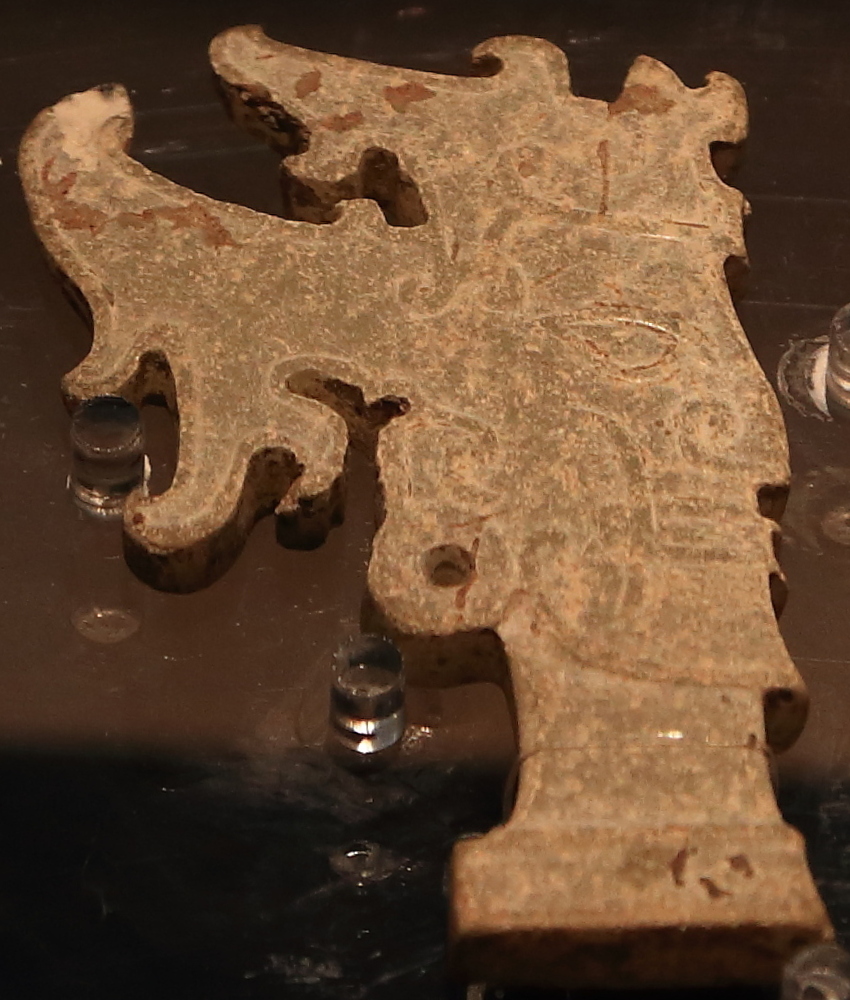
Shang urban center with oracle bones
Tanheli
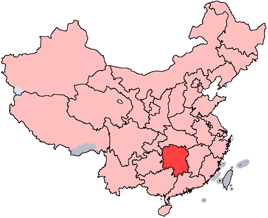
Bronze Age cultural center in Hunan
Chao Hu Lake Archaeological Sites
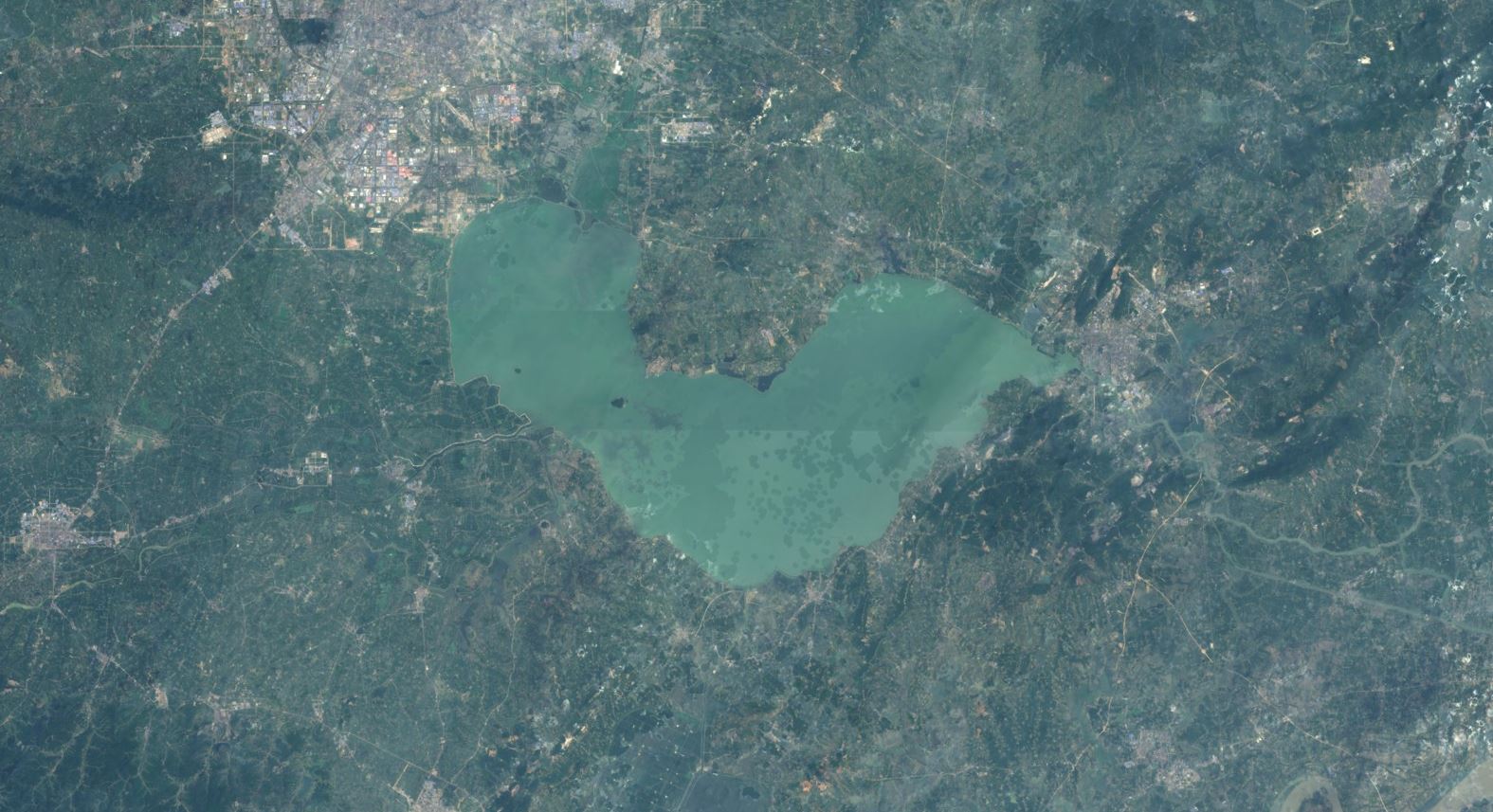
Ancient settlements in Chao Lake basin
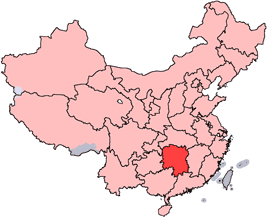
Liye
Ancient town with Qin dynasty relics
Xiadu
Largest Warring States city with workshops.
Guangfulin
Neolithic to Zhou dynasty archaeological site