Explore the Map
Cochasquí
0.0567° N, -78.3103° E
About
Cochasquí is a significant archaeological site in northern Ecuador, known for its 15 truncated pyramids and 21 burial mounds, locally called tolas. Constructed between 950 CE and the 1530s, these structures are attributed to the Quitu-Cara culture of the Cara and/or Caranqui people. The site is believed to have served as a ceremonial and astronomical center, aiding in solstice calculations and agricultural planning. The largest pyramid, with a ramp 200 meters long, suggests the site's importance for rituals and possibly political or military activities. Cochasquí holds symbolic significance in Ecuadorian history, connected to legends of Inca conquest and native resistance. The site's preservation is primarily due to natural overgrowth, which has protected the soft volcanic stone pyramids from erosion.
Historical Timeline
Journey through time and discover key events in this site's history
Construction of Cochasqui
950 CE
Inca Conquest of Cochasqui
1530s CE
Archaeological Features
Unique architectural and cultural elements found at this historical site
Burial and Funerary Structures
Religious and Ritual Structures
Astronomical and Timekeeping Structures
Frequently Asked Questions
Plan Your Visit
Tours, travel arrangements, and practical information
More Sites in Ecuador
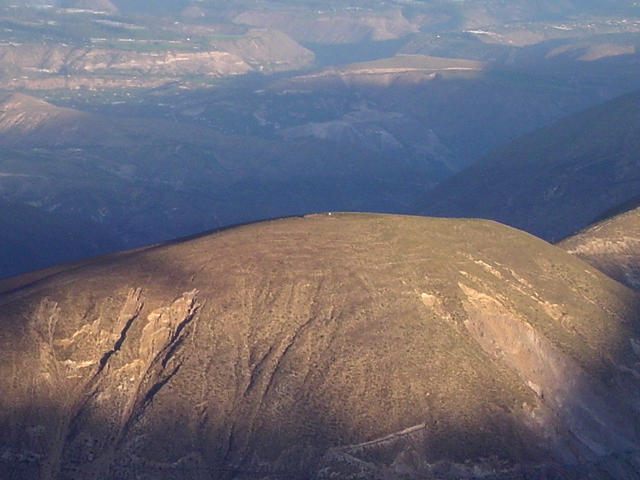
Catequilla
Pre-Columbian astronomical observatory on equator
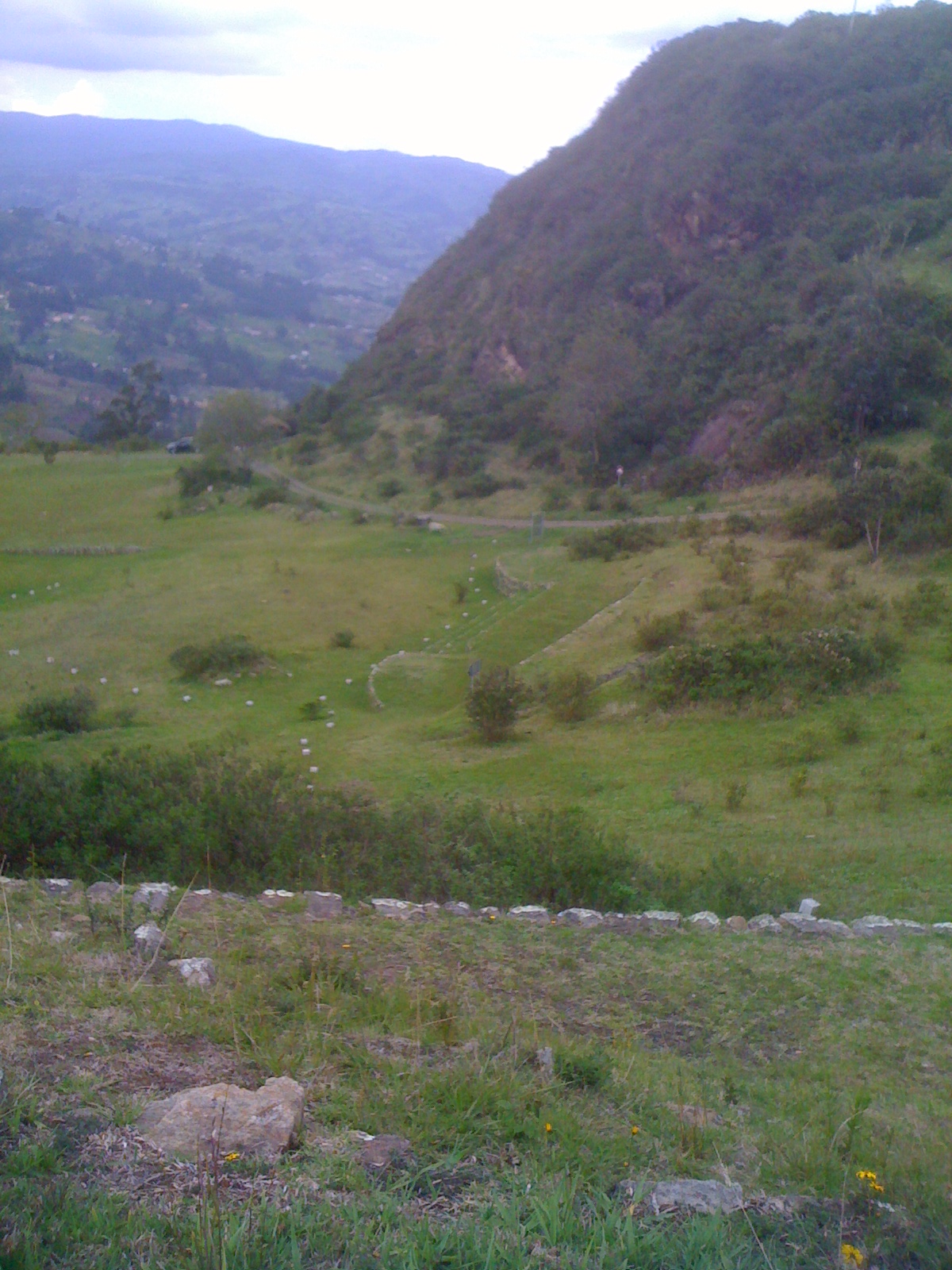
Cojitambo
Inca and pre-Inca hilltop archaeological site
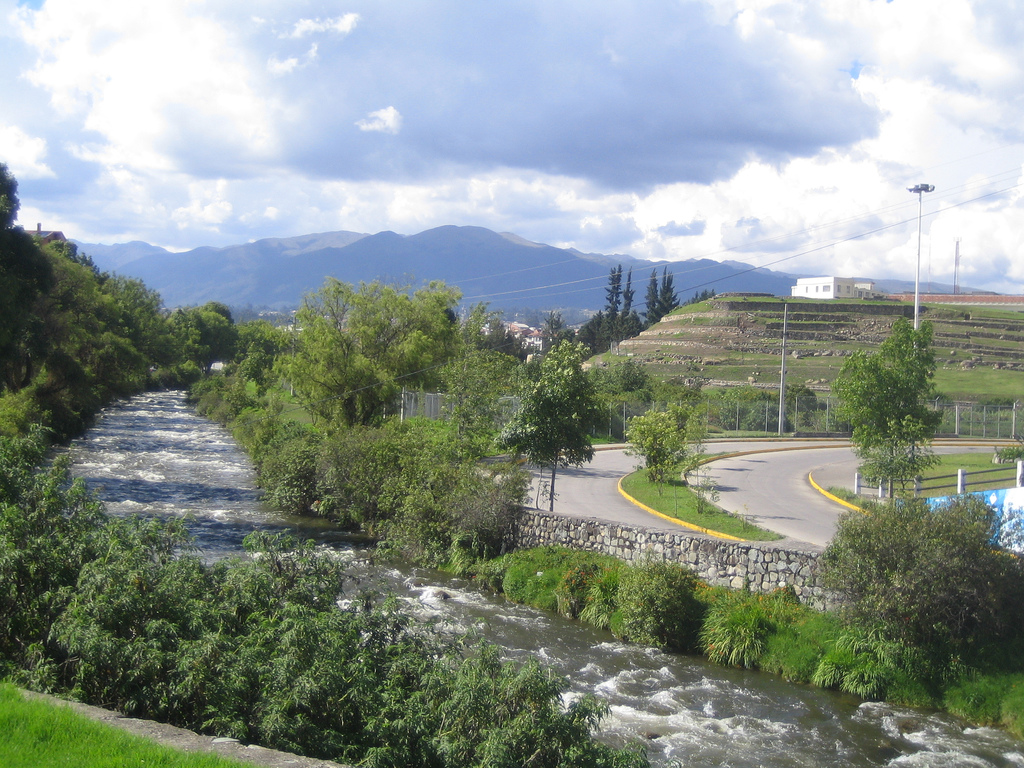
Tumebamba
Ruined Inca city, northern capital, monumental stones.
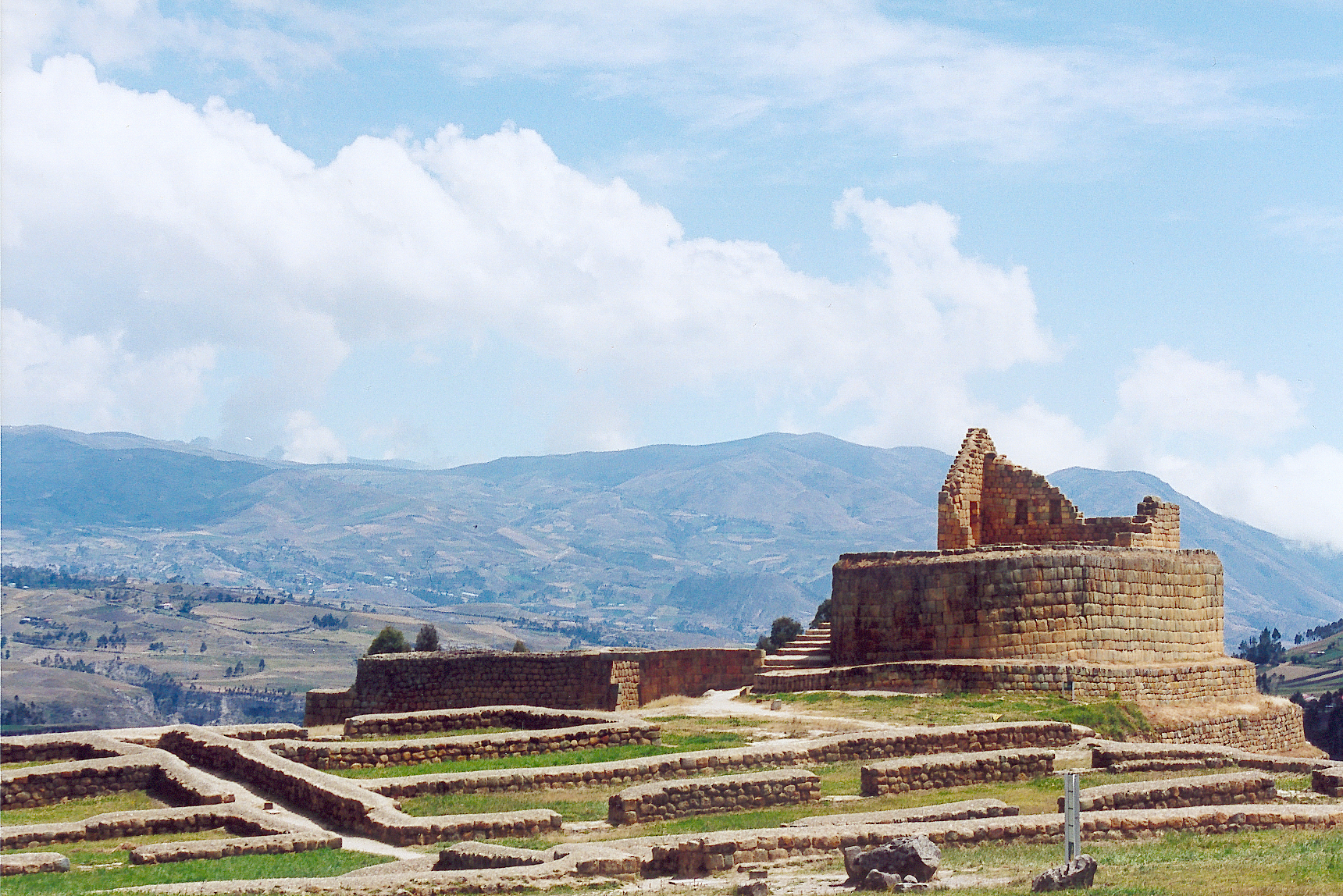
Ingapirca
Inca citadel in southern Ecuador
Inca-Caranqui
Inca ceremonial site with earthen mounds.
Pambamarca Fortress Complex
Inca hilltop fortresses in northern Ecuador.