Explore the Map
Tumebamba
-2.9067° N, -78.9967° E
About
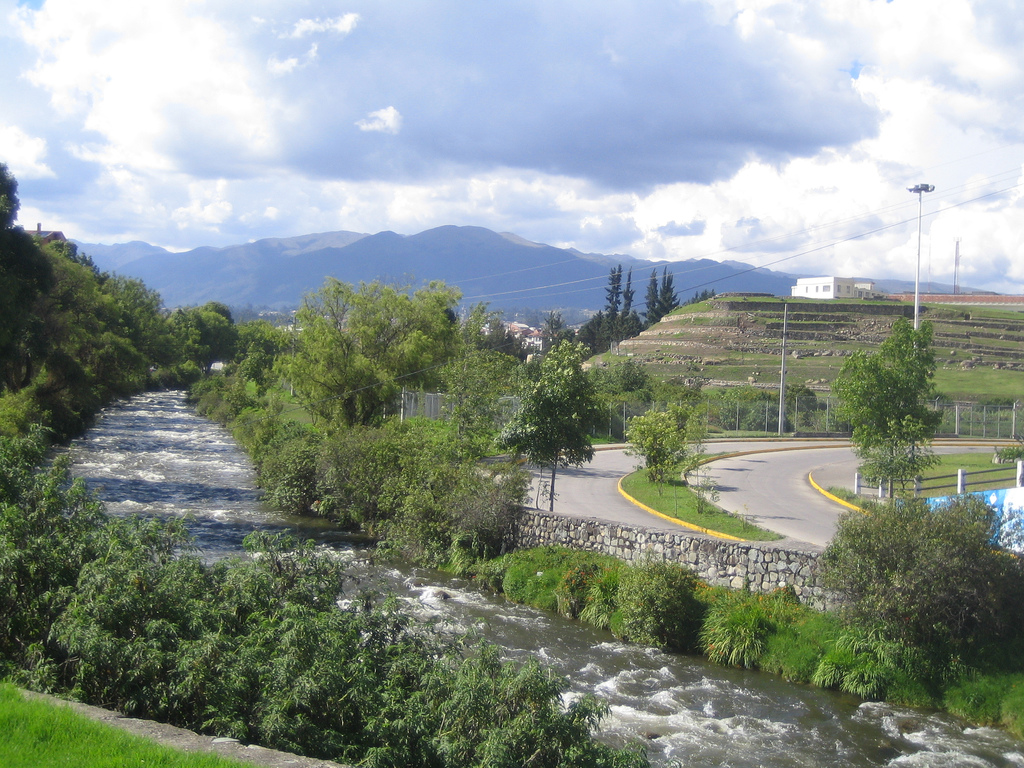
Tumebamba, also known as Tumipampa, was a significant urban center in the Inca Empire, serving as the northern capital under Emperor Huayna Capac. The site, now beneath the city of Cuenca in Ecuador, was originally inhabited by the Cañari people before its incorporation into the Inca Empire in the 15th century CE. Tumebamba featured urban and religious structures, including palaces and temples, and was heavily influenced by Cuzco's architectural style. The city's construction included the monumental task of transporting stones from Cuzco, demonstrating the Inca's organizational prowess. Tumebamba was largely destroyed during the civil war between Huáscar and Atahualpa in the early 16th century CE, but remnants of its grandeur are preserved in the archaeological sites of Pumapunku and Todos Santos. These sites provide insight into Inca urban planning and construction techniques.
Gallery
Explore photographs of ancient structures, artifacts, and archaeological excavations
Historical Timeline
Journey through time and discover key events in this site's history
Cañari inhabitation
1000 CE
Inca conquest
1471 CE
Huayna Capac's reign
1493 CE
Destruction in civil war
1530 CE
Archaeological Features
Unique architectural and cultural elements found at this historical site
Water Management Features
Religious and Ritual Structures
Agricultural and Land Use Features
Domestic and Habitation Structures
Environmental and Natural Features
Transportation and Communication Structures
Frequently Asked Questions
Plan Your Visit
Tours, travel arrangements, and practical information
More Sites in Ecuador
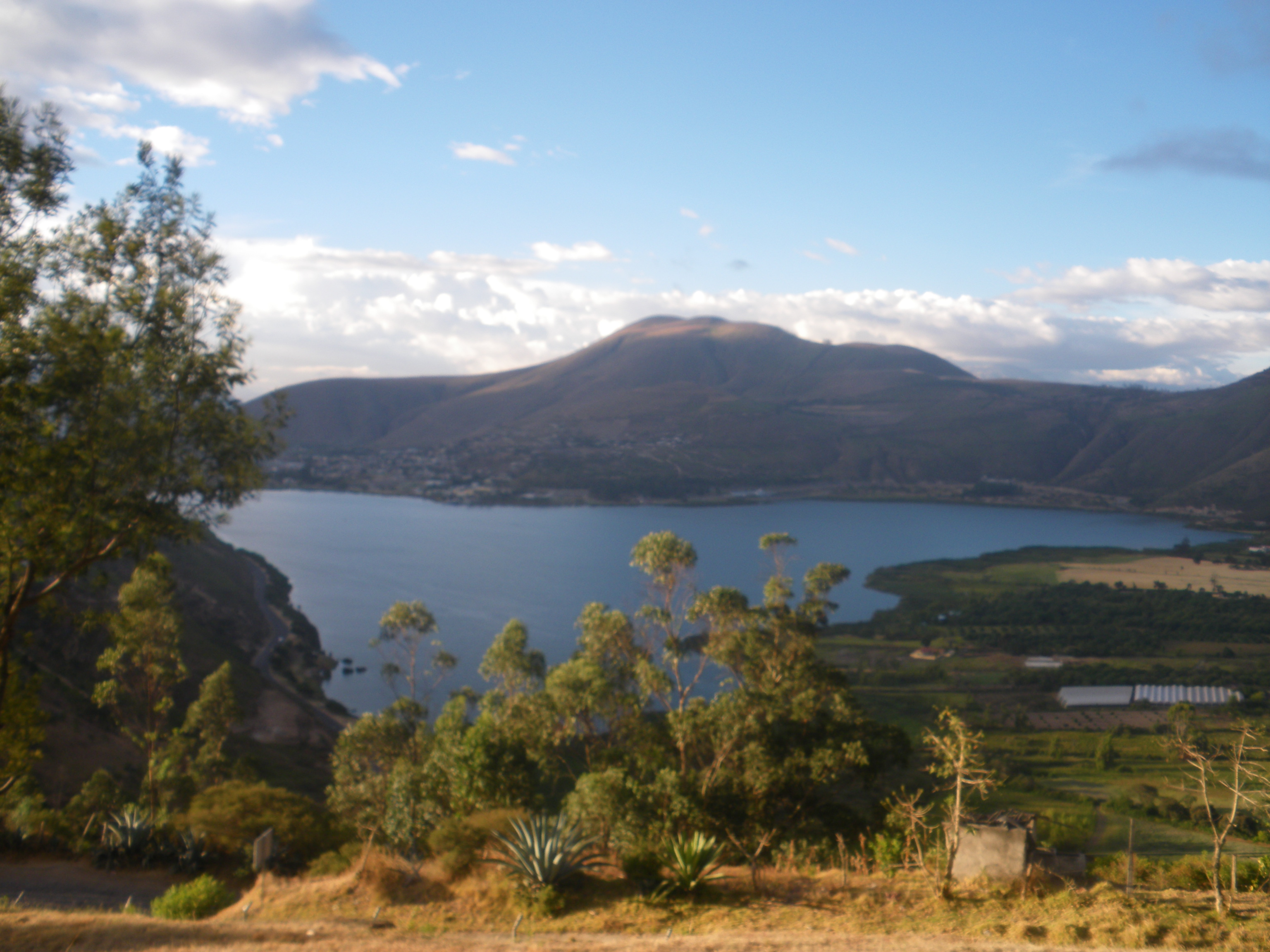
Inca-Caranqui
Inca ceremonial site with earthen mounds.
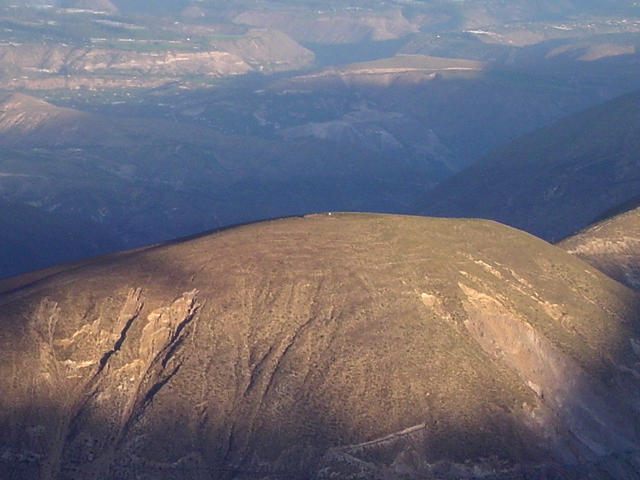
Catequilla
Pre-Columbian astronomical observatory on equator
Pambamarca Fortress Complex
Inca hilltop fortresses in northern Ecuador.
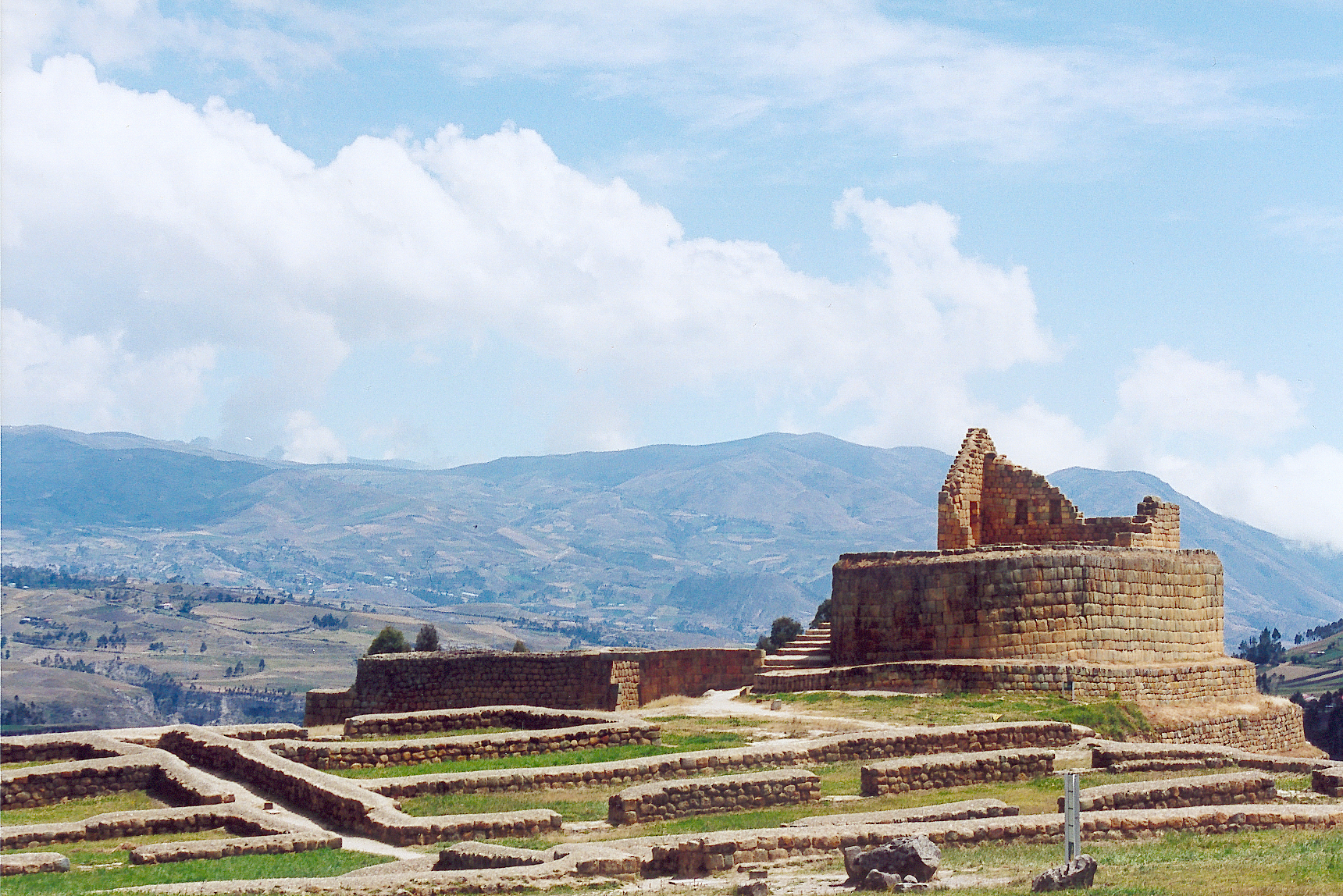
Ingapirca
Inca citadel in southern Ecuador
Cochasquí
Extensive pre-Columbian pyramids and burial mounds
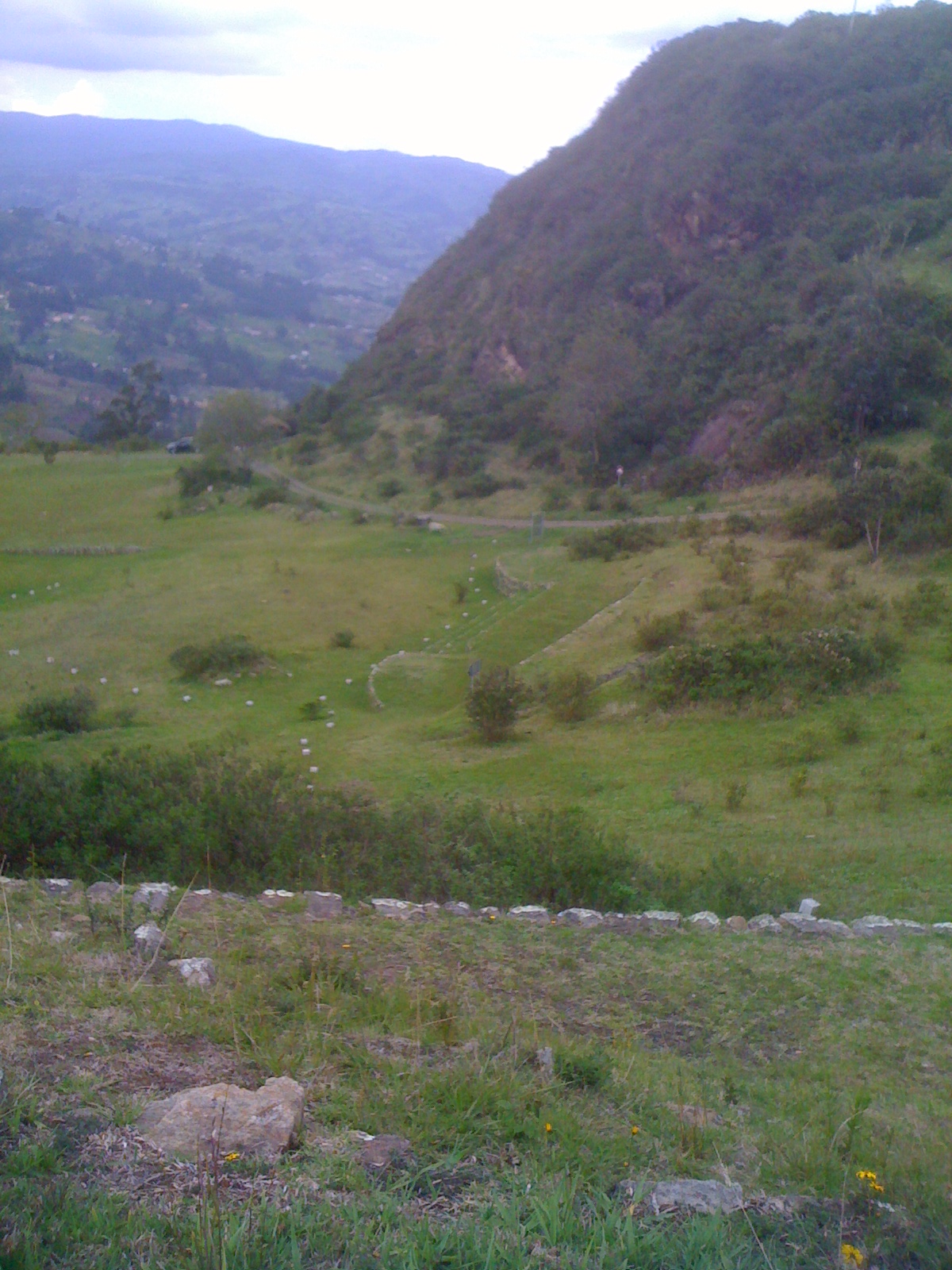
Cojitambo
Inca and pre-Inca hilltop archaeological site