Explore the Map
Inca-Caranqui
0.3219° N, -78.1217° E
About
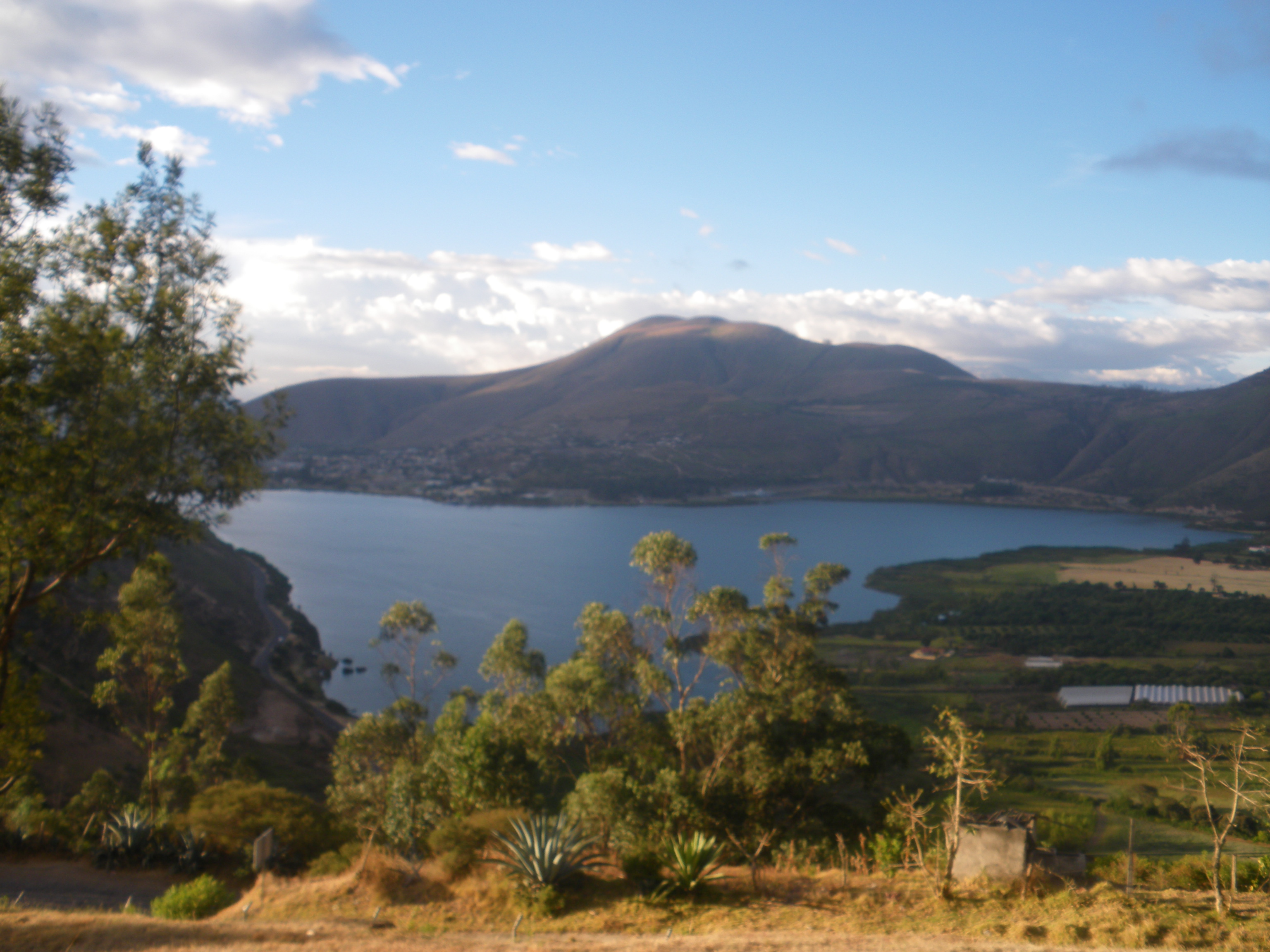
The Inca-Caranqui archaeological site, located near Ibarra, Ecuador, is a significant remnant of the Inca Empire's northernmost expansion. Before the Inca conquest, the area was home to the Caranqui chiefdoms, which featured numerous earthen mounds known as 'tolas,' used for elite residences and ceremonial purposes. The site, situated in a fertile valley, became an important Inca garrison town after their conquest, which was completed between the 1490s and 1520 CE under the leadership of Huayna Capac. Notable features of the site include the remains of a Temple of the Sun, a central plaza, and a large semi-subterranean pool used for rituals. The archaeological remains provide insights into the cultural and ceremonial practices of both the pre-Inca and Inca inhabitants.
Gallery
Explore photographs of ancient structures, artifacts, and archaeological excavations
Historical Timeline
Journey through time and discover key events in this site's history
Caranqui Cultural Development
1200 CE - 1500 CE
Inca Conquest Completion
1490s - 1520 CE
Inca Site Development
early 16th century CE
Archaeological Features
Unique architectural and cultural elements found at this historical site
Water Management Features
Public and Civic Structures
Burial and Funerary Structures
Religious and Ritual Structures
Environmental and Natural Features
Frequently Asked Questions
Plan Your Visit
Tours, travel arrangements, and practical information
More Sites in Ecuador
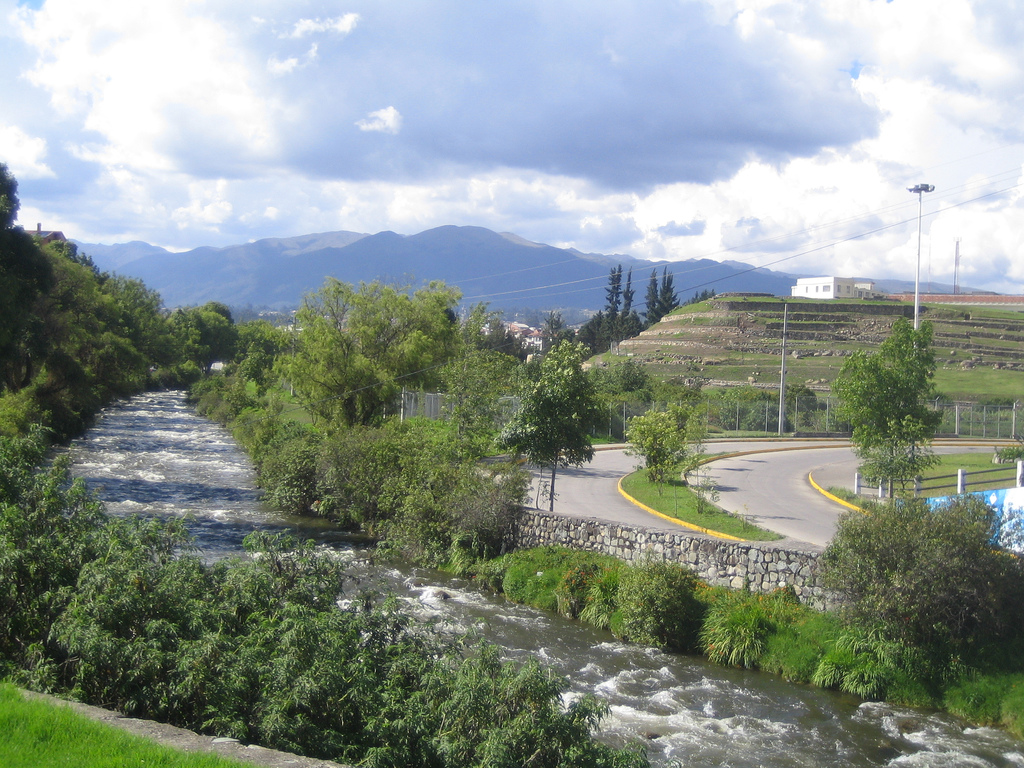
Tumebamba
Ruined Inca city, northern capital, monumental stones.
Cochasquí
Extensive pre-Columbian pyramids and burial mounds
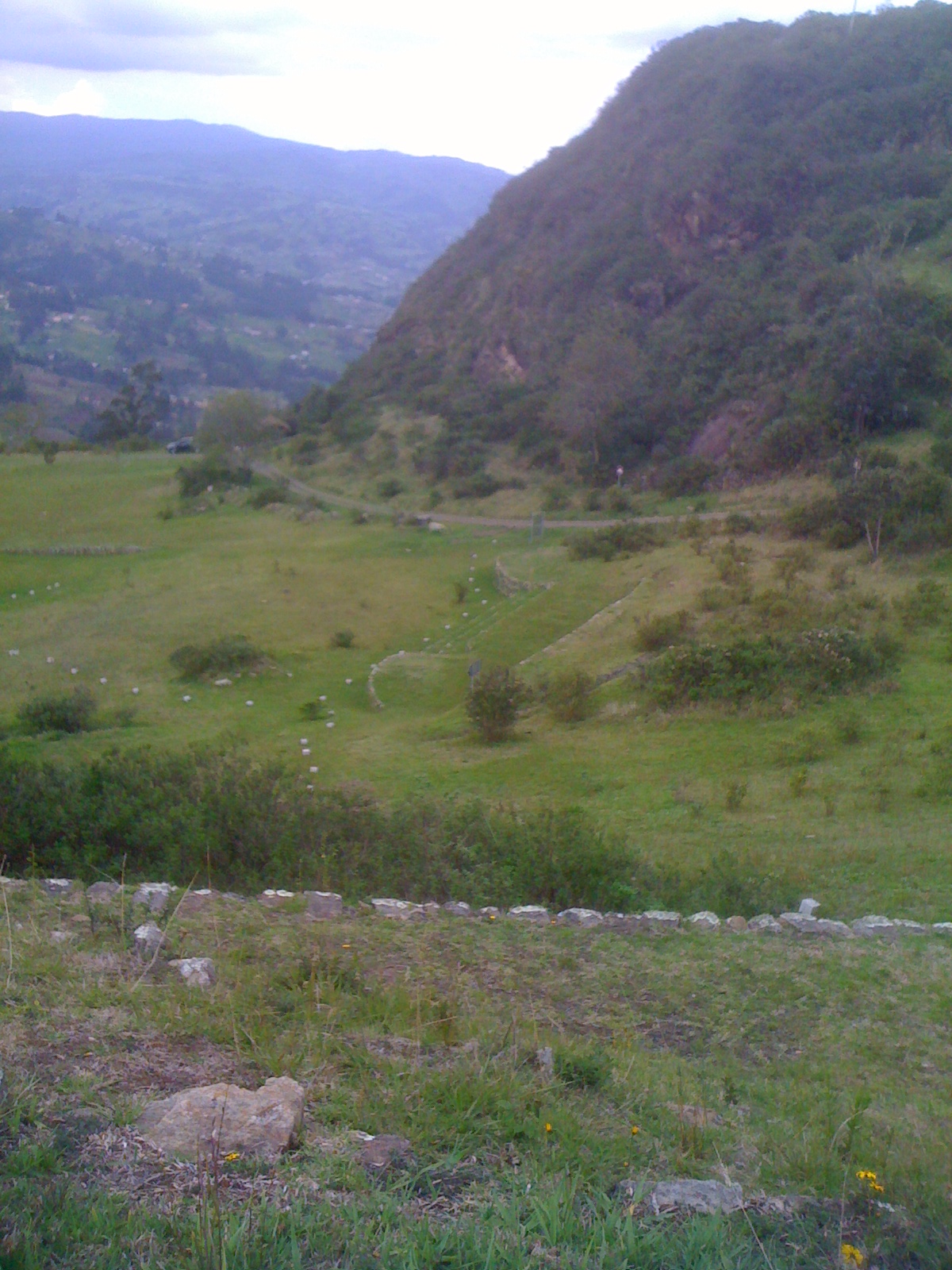
Cojitambo
Inca and pre-Inca hilltop archaeological site
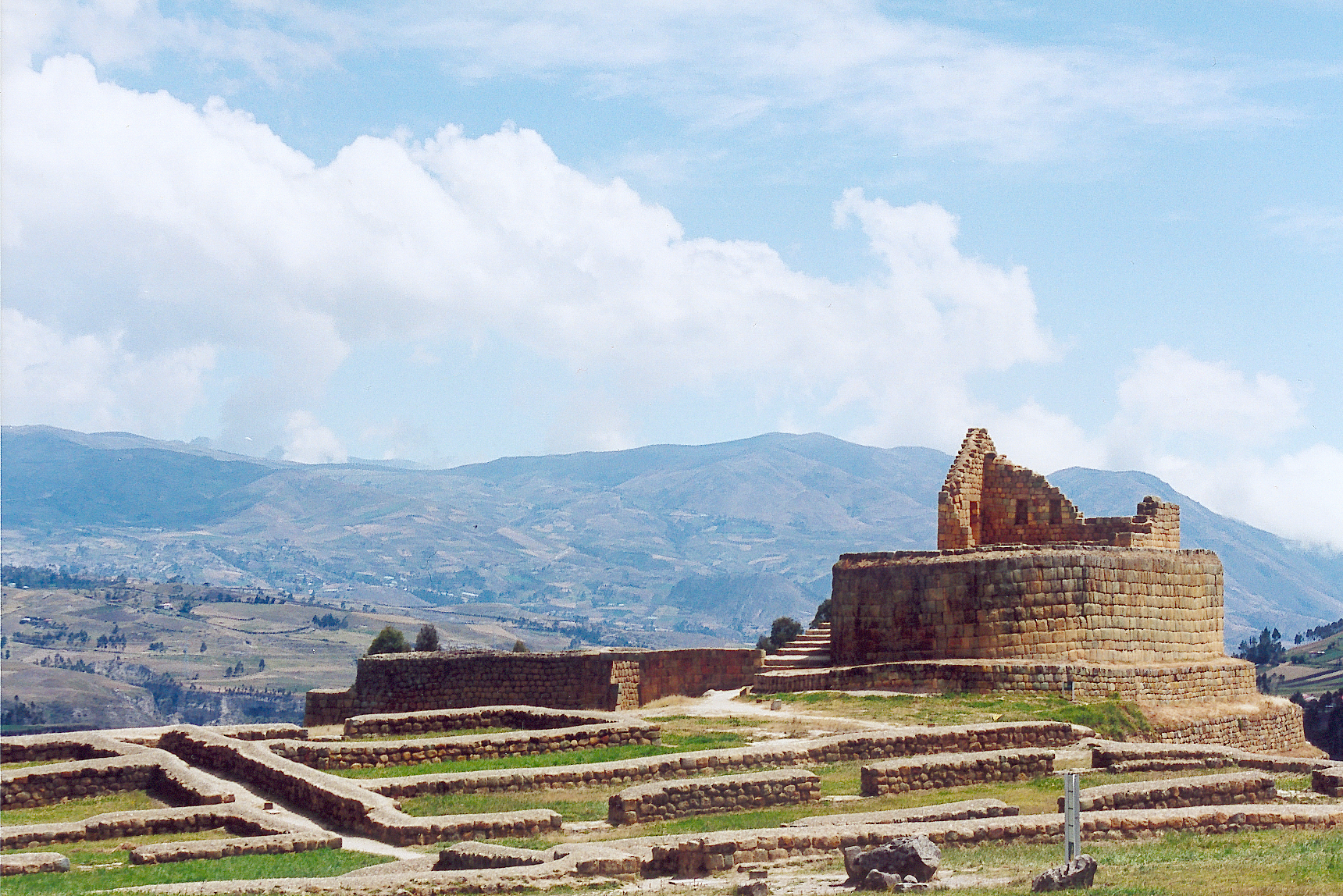
Ingapirca
Inca citadel in southern Ecuador
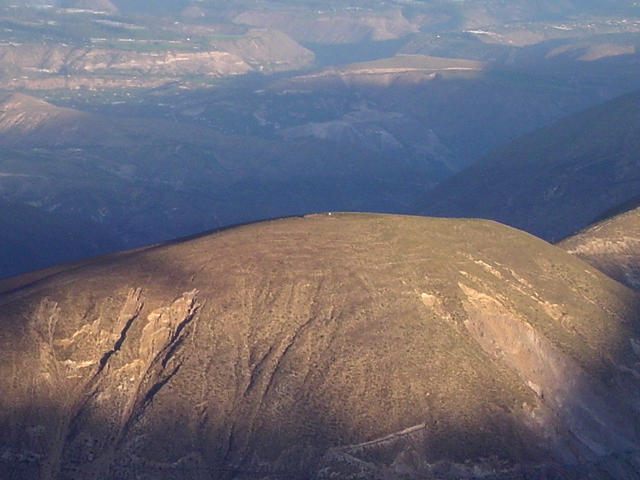
Catequilla
Pre-Columbian astronomical observatory on equator
Pambamarca Fortress Complex
Inca hilltop fortresses in northern Ecuador.