Explore the Map
Cojitambo
-2.7600° N, -78.8889° E
About
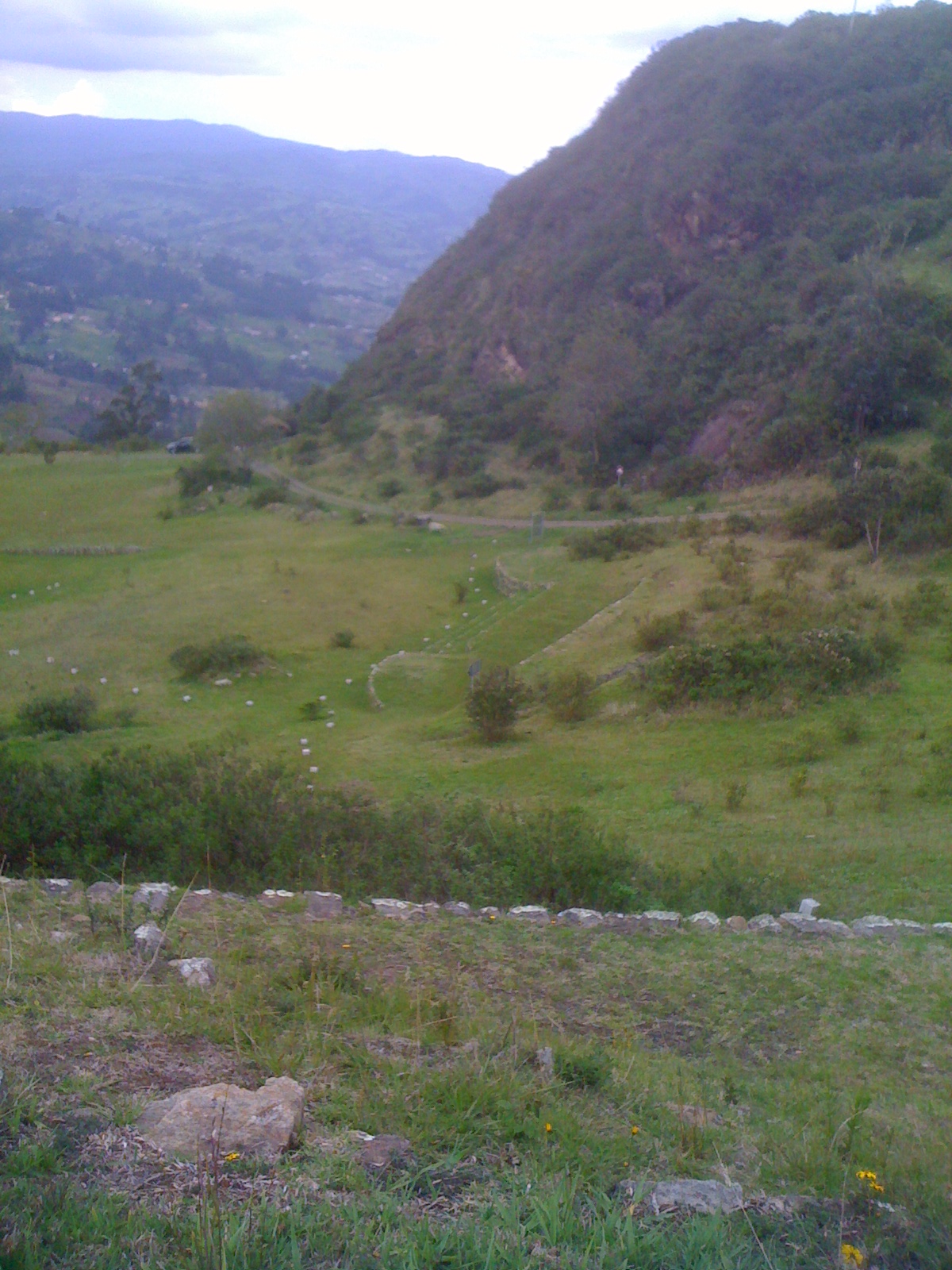
The Cojitambo archaeological site, located at an elevation of 3,020 meters near Azogues, Ecuador, presents a rich tapestry of pre-Inca and Inca history. Initially occupied by the Cañari people from 500 BCE, this site served both military and religious purposes. By the mid-15th century CE, the Incas, led by Pachacuti Inca Yupanqui, began their conquest of the region, integrating Cojitambo into their expanding empire. They constructed significant infrastructure, including part of the Inca royal road. The site features defensive and ceremonial structures indicative of its importance in both Cañari and Inca cultures. Additionally, it served as a quarry for andesite stone used in constructing the Inca's northern capital of Tomebamba. Cojitambo's archaeological significance lies in its role as a cultural and historical bridge between the Cañari and Inca civilizations.
Gallery
Explore photographs of ancient structures, artifacts, and archaeological excavations
Historical Timeline
Journey through time and discover key events in this site's history
Cañari occupation begins
500 BCE
Inca conquest and construction
1450 CE
Archaeological Features
Unique architectural and cultural elements found at this historical site
Defensive Structures
Industrial and Craft Structures
Religious and Ritual Structures
Transportation and Communication Structures
Frequently Asked Questions
Plan Your Visit
Tours, travel arrangements, and practical information


More Sites in Ecuador
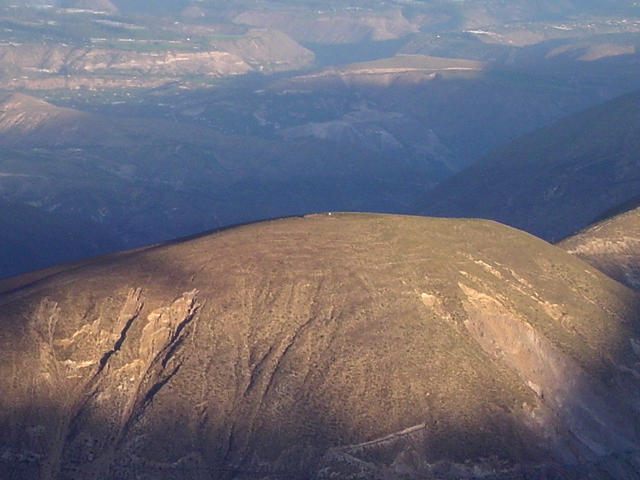
Catequilla
Pre-Columbian astronomical observatory on equator
Cochasquí
Extensive pre-Columbian pyramids and burial mounds
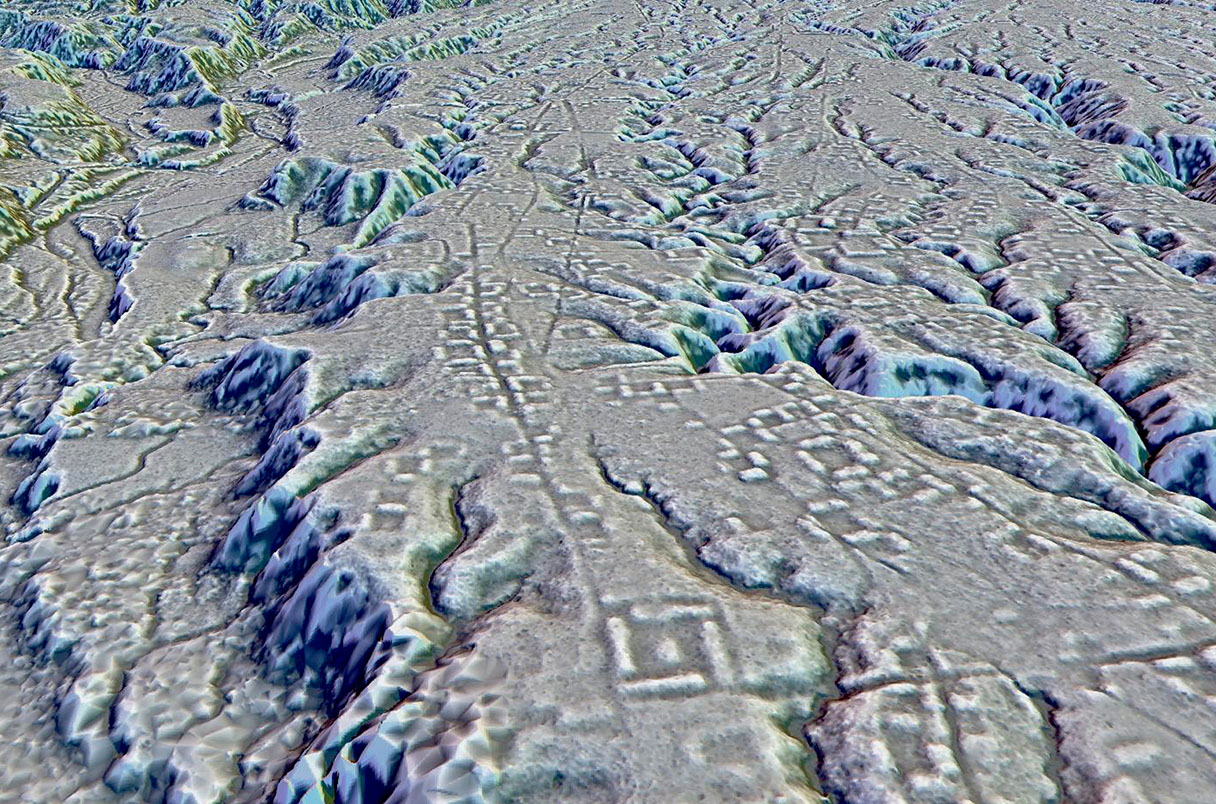
Upano Valley sites
Ancient Amazonian settlements with platforms and roads.
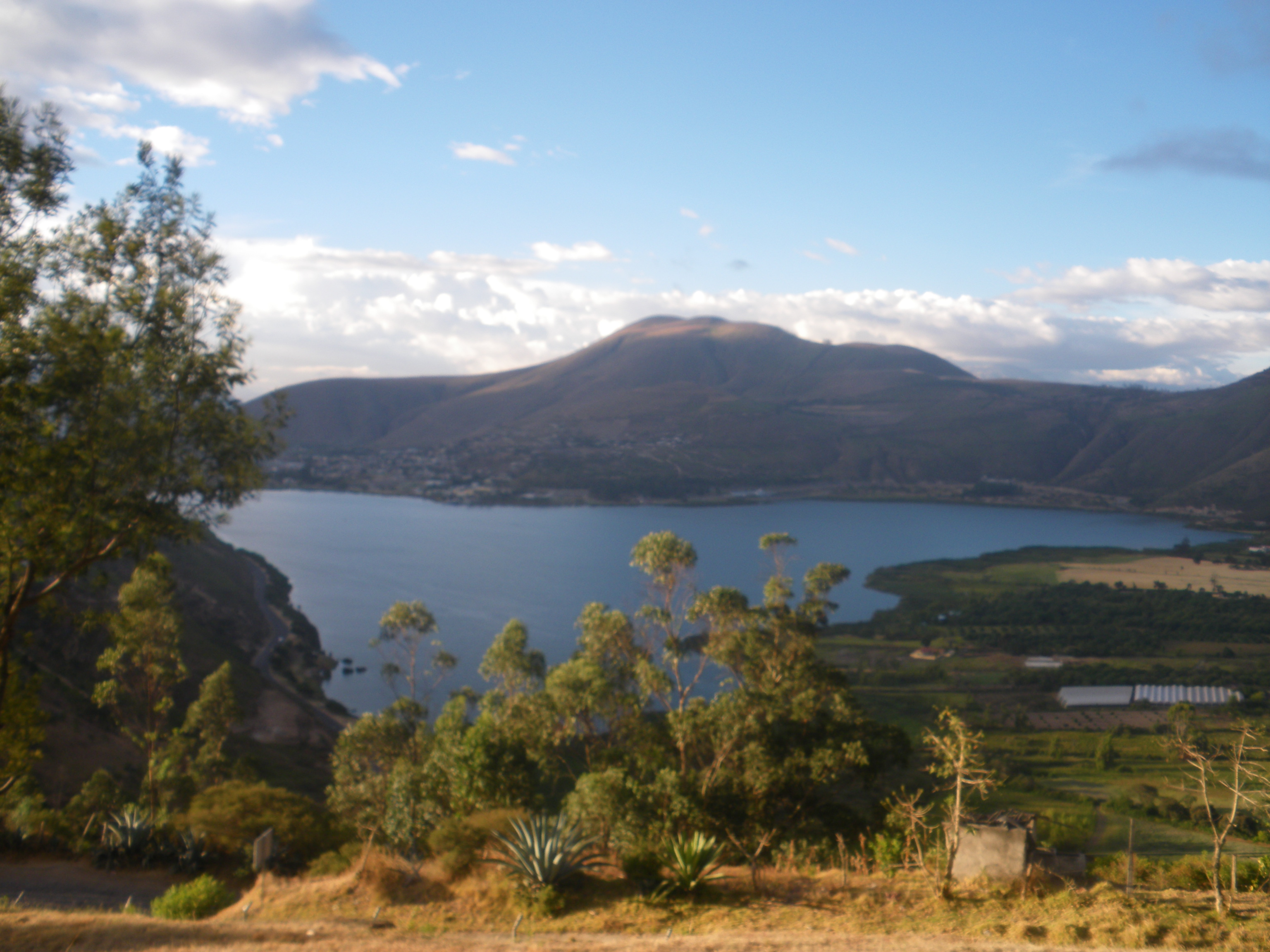
Inca-Caranqui
Inca ceremonial site with earthen mounds.
Pambamarca Fortress Complex
Inca hilltop fortresses in northern Ecuador.
Tumebamba
Ruined Inca city, northern capital, monumental stones.