Explore the Map
Antinoöpolis
27.8075° N, 30.8800° E
About
Antinoöpolis (also Antinoopolis, Antinoë, Antinopolis; Ancient Greek: Ἀντινόουπόλις; Coptic: ⲁⲛⲧⲓⲛⲱⲟⲩ Antinow; Arabic: انصنا, romanized: Ansinā, modern Arabic: الشيخ عبادة, modern Sheikh 'Ibada or Sheik Abāda) was a city founded at an older Egyptian village by the Roman emperor Hadrian to commemorate his deified young beloved, Antinoüs, on the east bank of the Nile, not far from the site in Upper Egypt where Antinoüs drowned in 130 AD. Antinoöpolis was a little to the south of the Egyptian village of Besa (Βῆσσα), named after the god and oracle of Bes. Antinoöpolis was built at the foot of the hill upon which Besa was seated. The city is located nearly opposite of Hermopolis Magna and was connected to Berenice Troglodytica by the Via Hadriana.
Historical Timeline
Journey through time and discover key events in this site's history
Foundation of Antinoöpolis
AD 130
Antinoeia instituted
Spring AD 131
Portico inscription
235 AD
Administrative reorganization under Diocletian
286 AD
Christian prominence and local scholars
4th century
Abandonment
10th century
Early modern travellers record ruins
1715
Widespread 19th-century destruction
19th century
Excavations and textile finds
1913–1914
Archaeological Features
Unique architectural and cultural elements found at this historical site
Water Management Features
Public and Civic Structures
Burial and Funerary Structures
Religious and Ritual Structures
Artistic and Decorative Features
Domestic and Habitation Structures
Environmental and Natural Features
Transportation and Communication Structures
Frequently Asked Questions
Plan Your Visit
Tours, travel arrangements, and practical information
More Sites in Egypt
Canopus, Egypt
Submerged ancient Egyptian coastal town ruins
Medinet Madi
Greco-Roman town with Middle Kingdom temple
Bubastis
Ancient Egyptian city with Bastet temple
Tarkhan (Egypt)
Ancient Egyptian necropolis with mastabas and tombs.
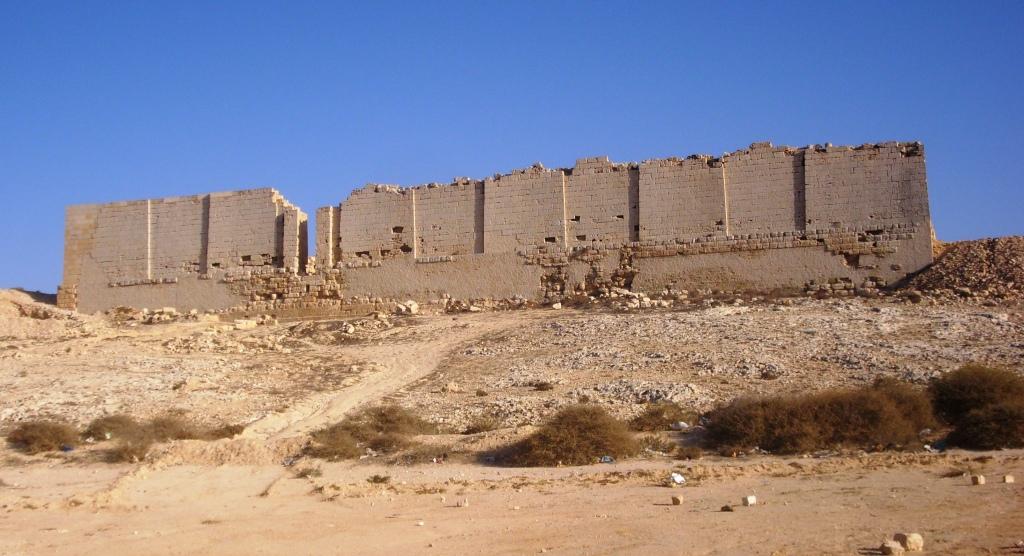
Taposiris Magna
Ancient city with temple and tombs
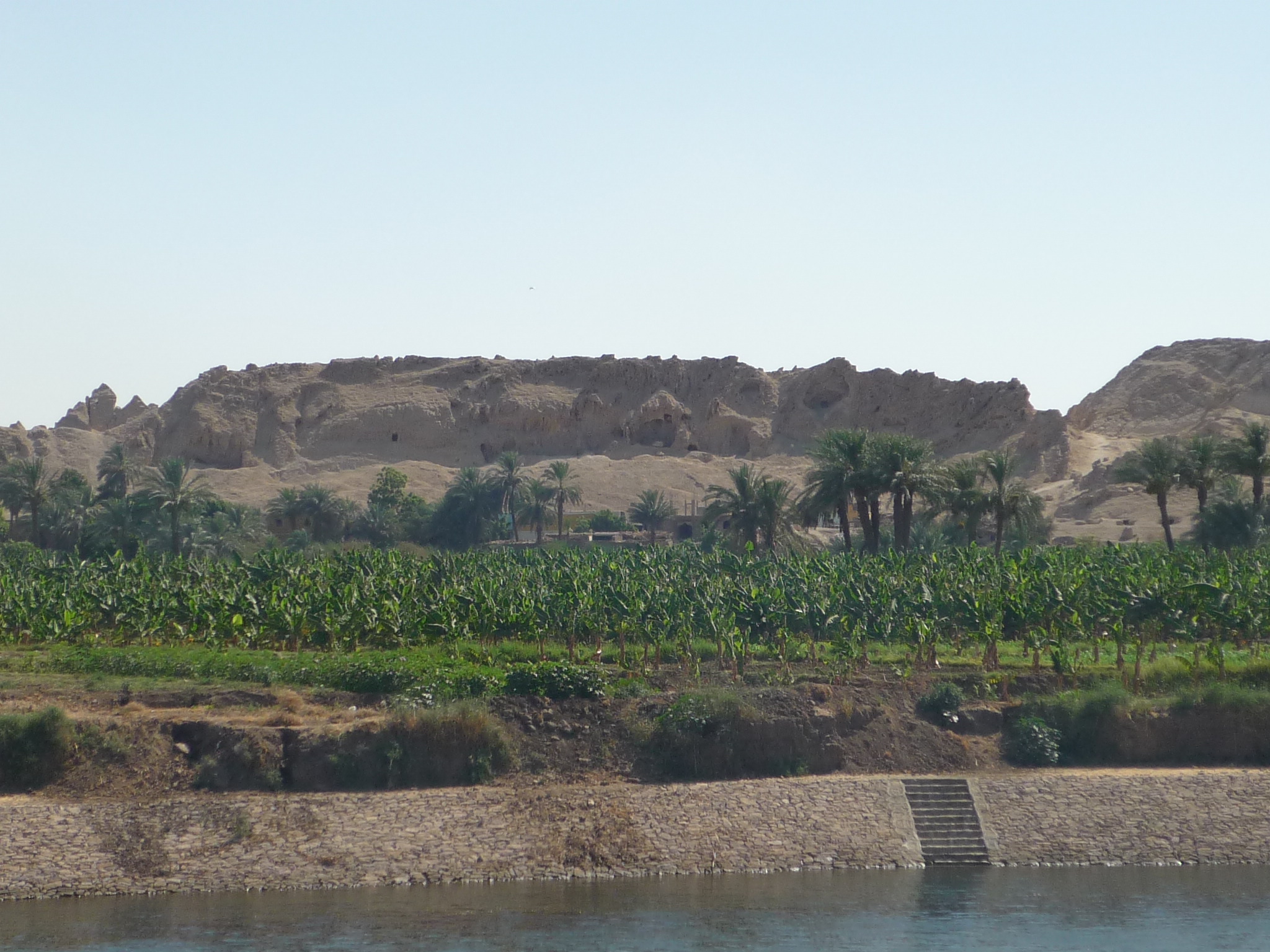
Gebelein
Archaeological site with mummies and temple ruins