Explore the Map
Magharet el Kantara
22.9822° N, 25.9864° E
About
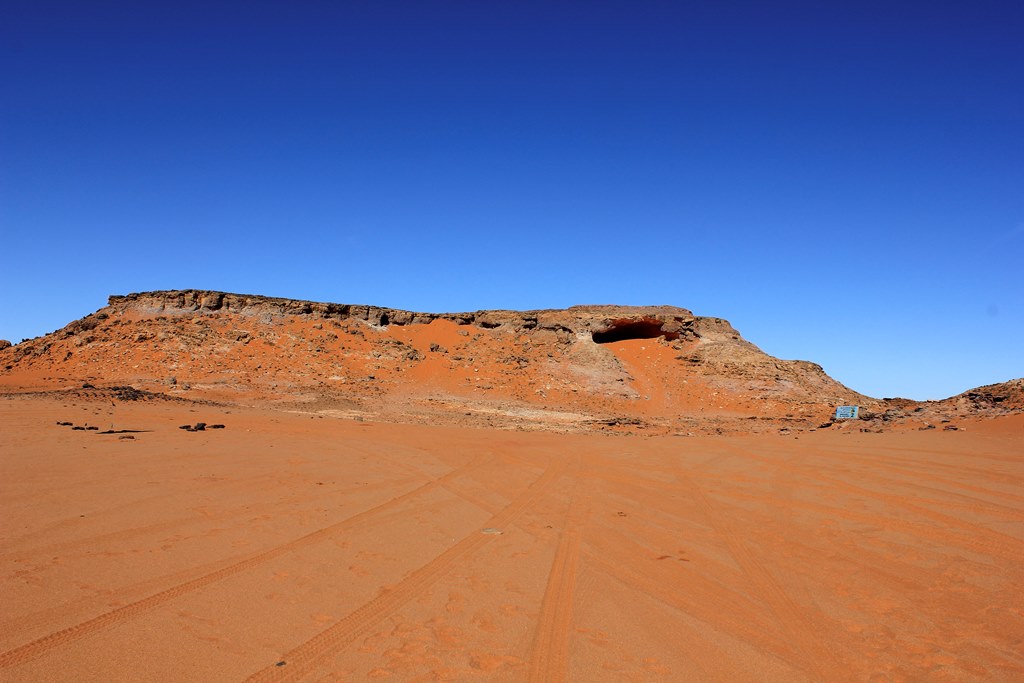
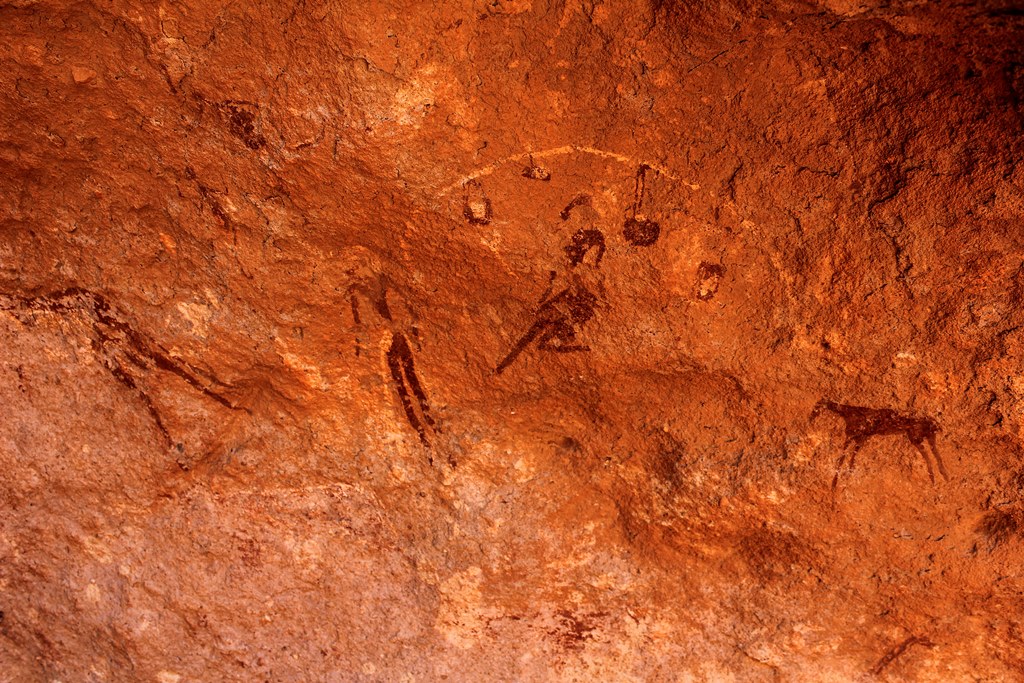
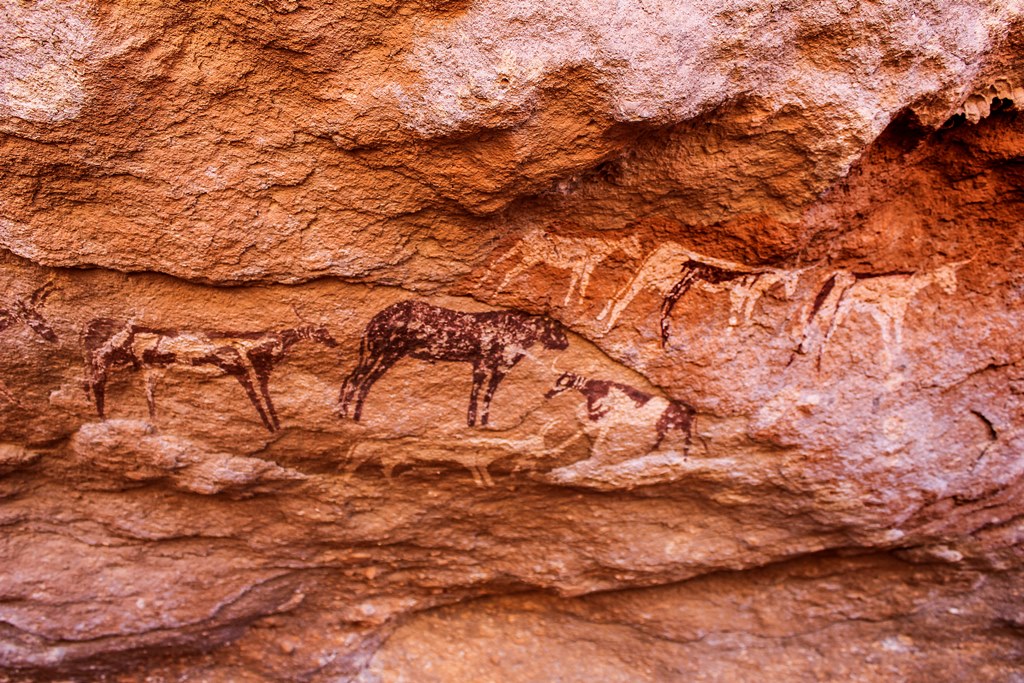
Magharet el Kantara, also known as Shaw's Cave, is a significant archaeological site located in the Gilf Kebir National Park, Egypt. Discovered in 1935 by explorers Bill Kennedy Shaw and Rupert Harding Newman, this rock art shelter is situated on the south-western slopes of Gilf Kebir. The cave measures 4 meters in height and 15 meters in width, with rock paintings located about half a meter above the ground. These paintings depict a herd of cattle and a farmstead, providing a rare example of cattle paintings in this region. The artwork dates back to the Neolithic period, reflecting the African humid period's favorable climatic conditions, which were substantially different from today's arid environment. The site's rock art and environmental context offer valuable insights into the prehistoric life and climate of the region.
Gallery
Explore photographs of ancient structures, artifacts, and archaeological excavations
Historical Timeline
Journey through time and discover key events in this site's history
Neolithic rock art
8000 BCE - 3000 BCE
Archaeological Features
Unique architectural and cultural elements found at this historical site
Artistic and Decorative Features
Environmental and Natural Features
Frequently Asked Questions
Plan Your Visit
Tours, travel arrangements, and practical information
More Sites in Egypt
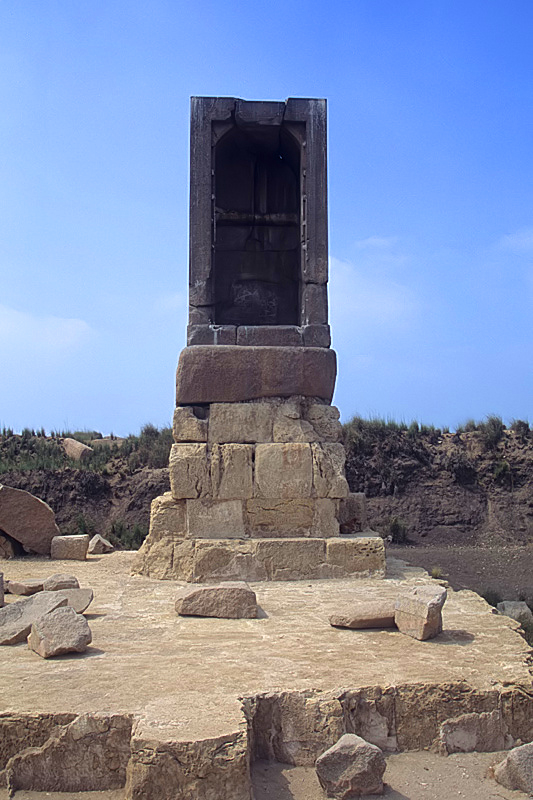
Mendes
Ancient city with significant religious structures.
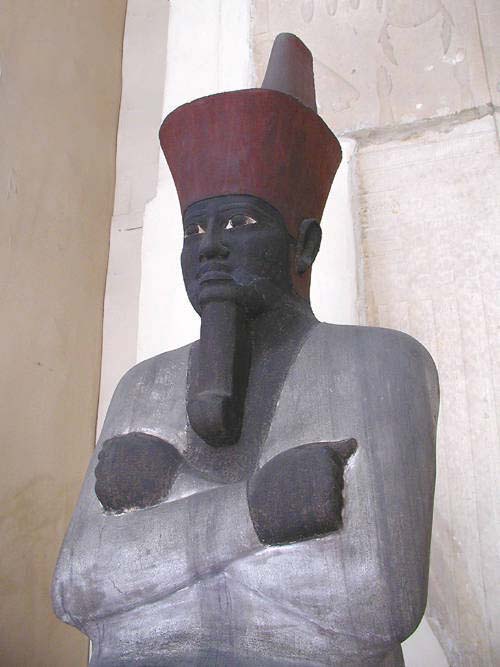
Thinis
Ancient Upper Egypt's undiscovered capital city.
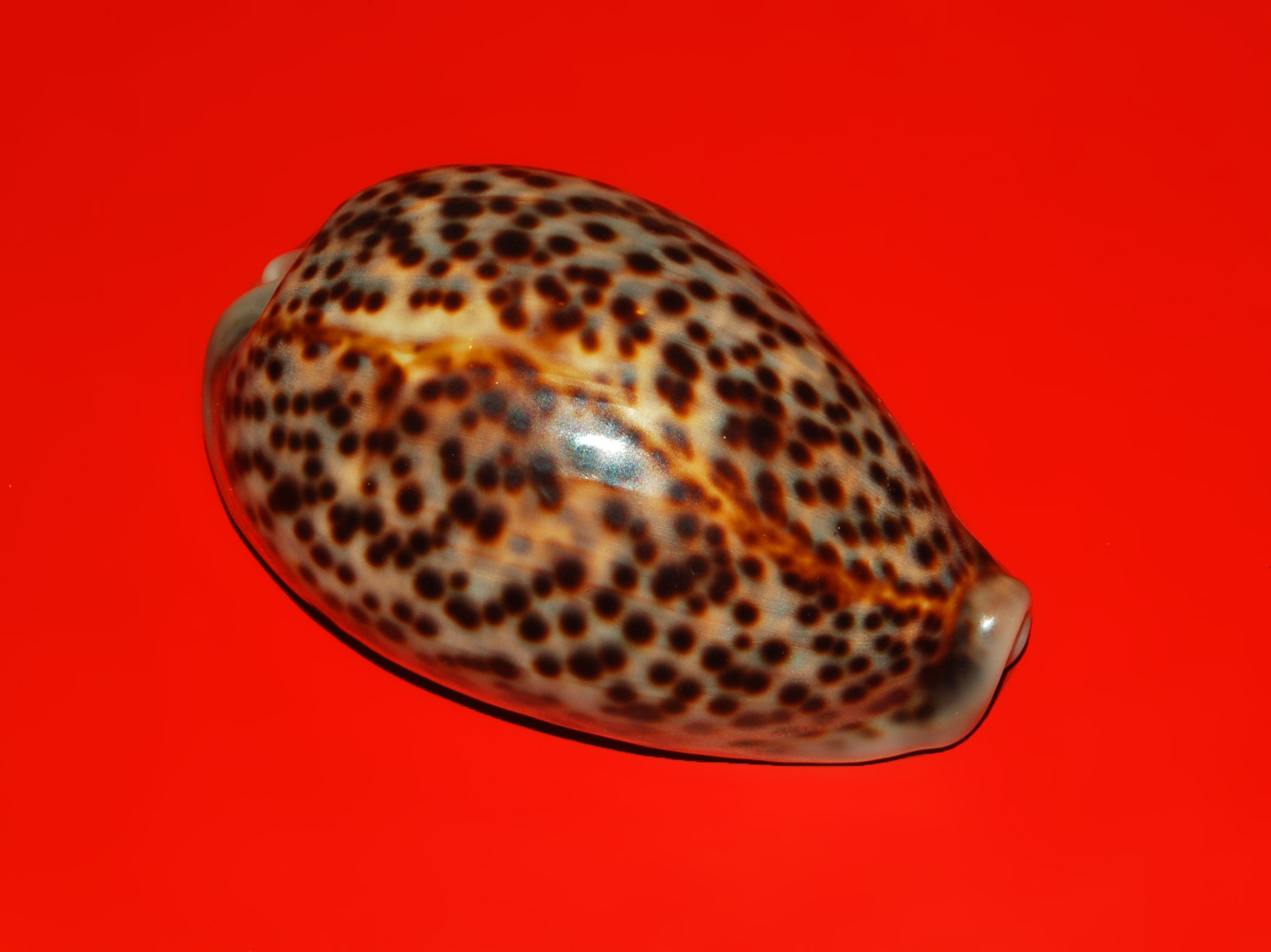
Gebel Ramlah
Neolithic cemeteries in Egypt's Western Desert
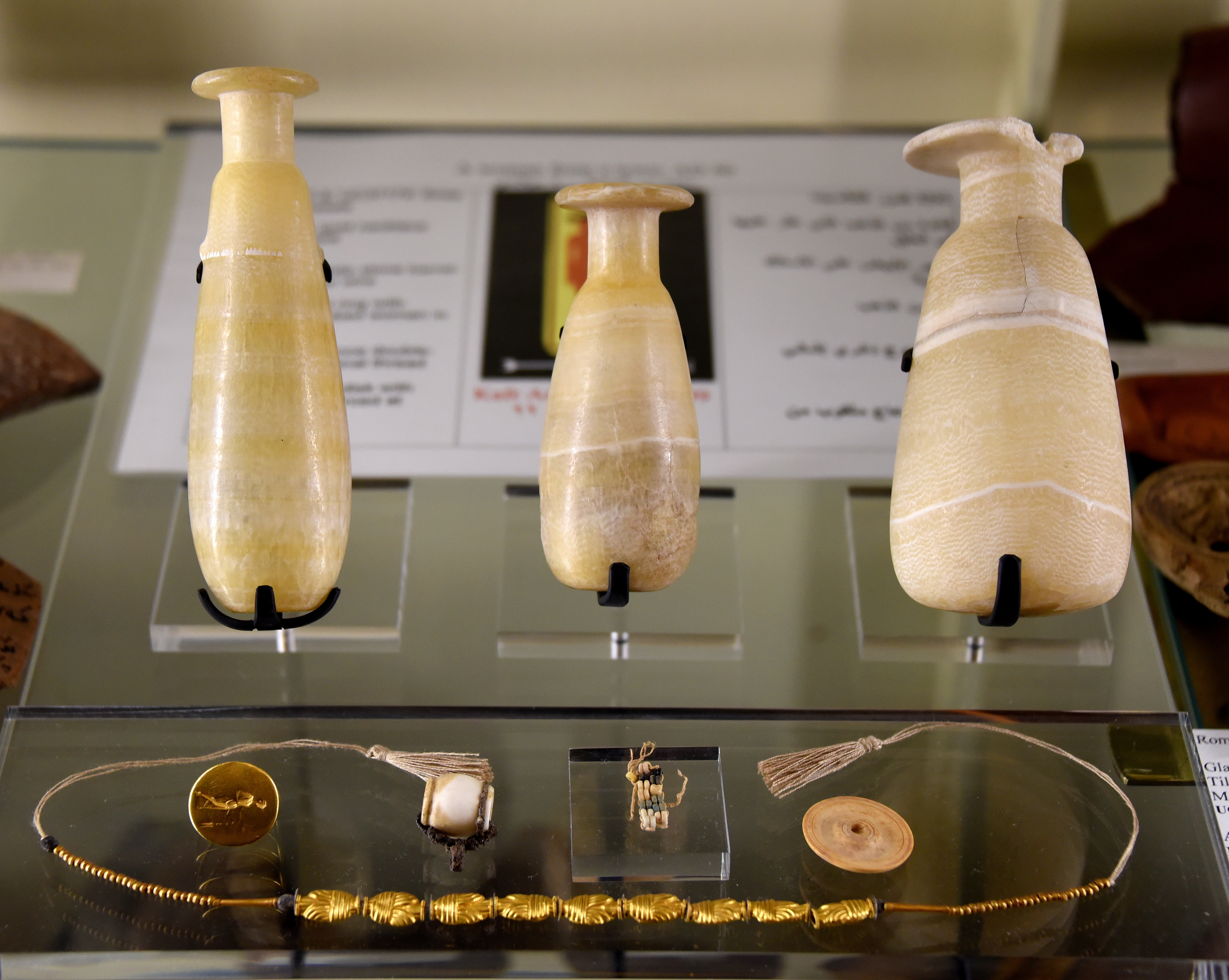
Tarkhan (Egypt)
Ancient Egyptian necropolis with mastabas and tombs.
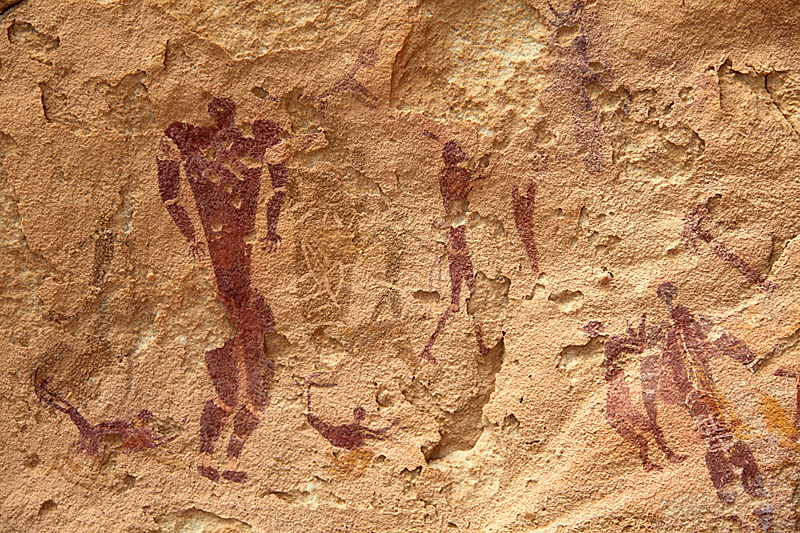
Cave of Swimmers
Neolithic cave with ancient rock art
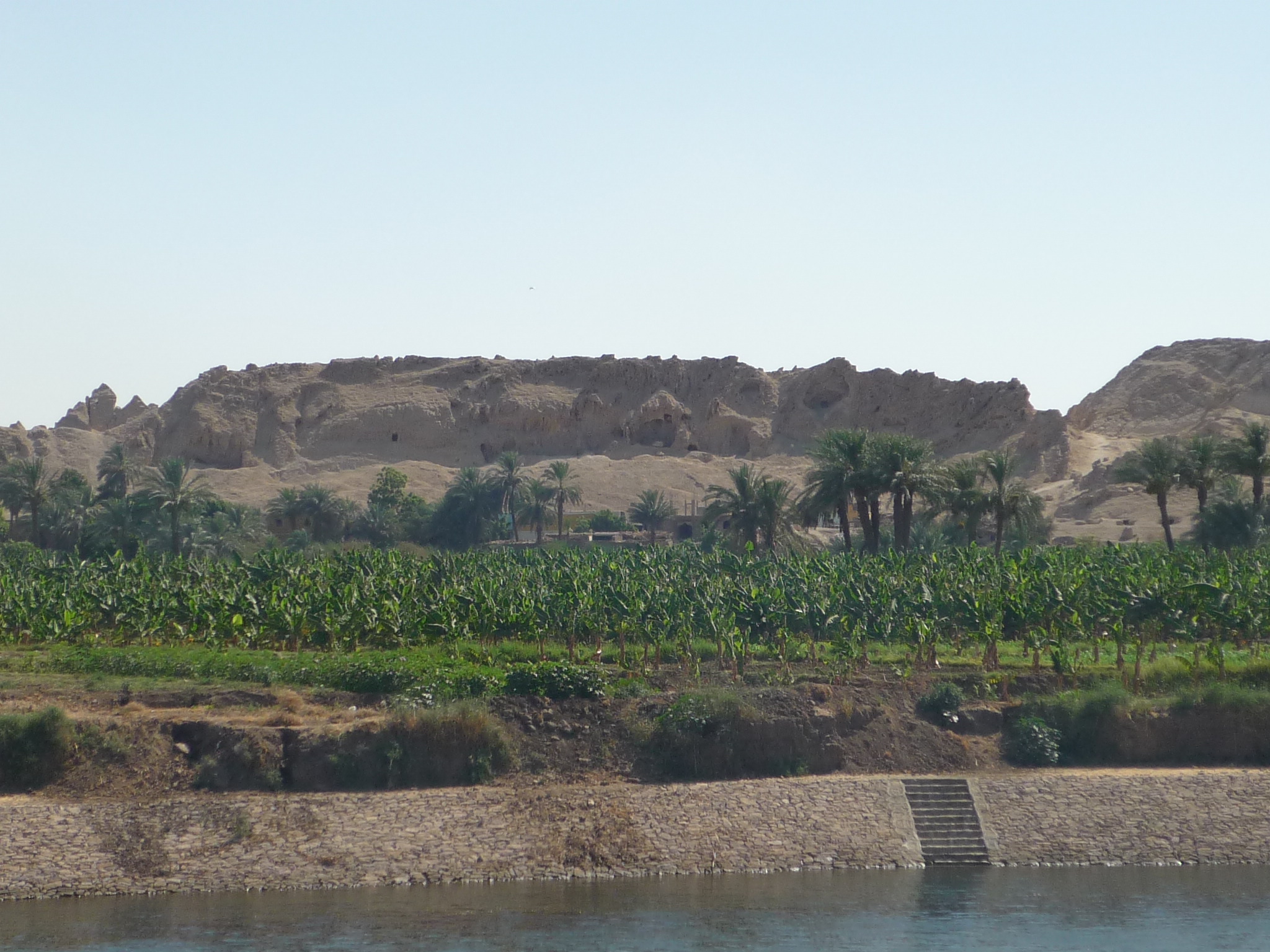
Gebelein
Archaeological site with mummies and temple ruins