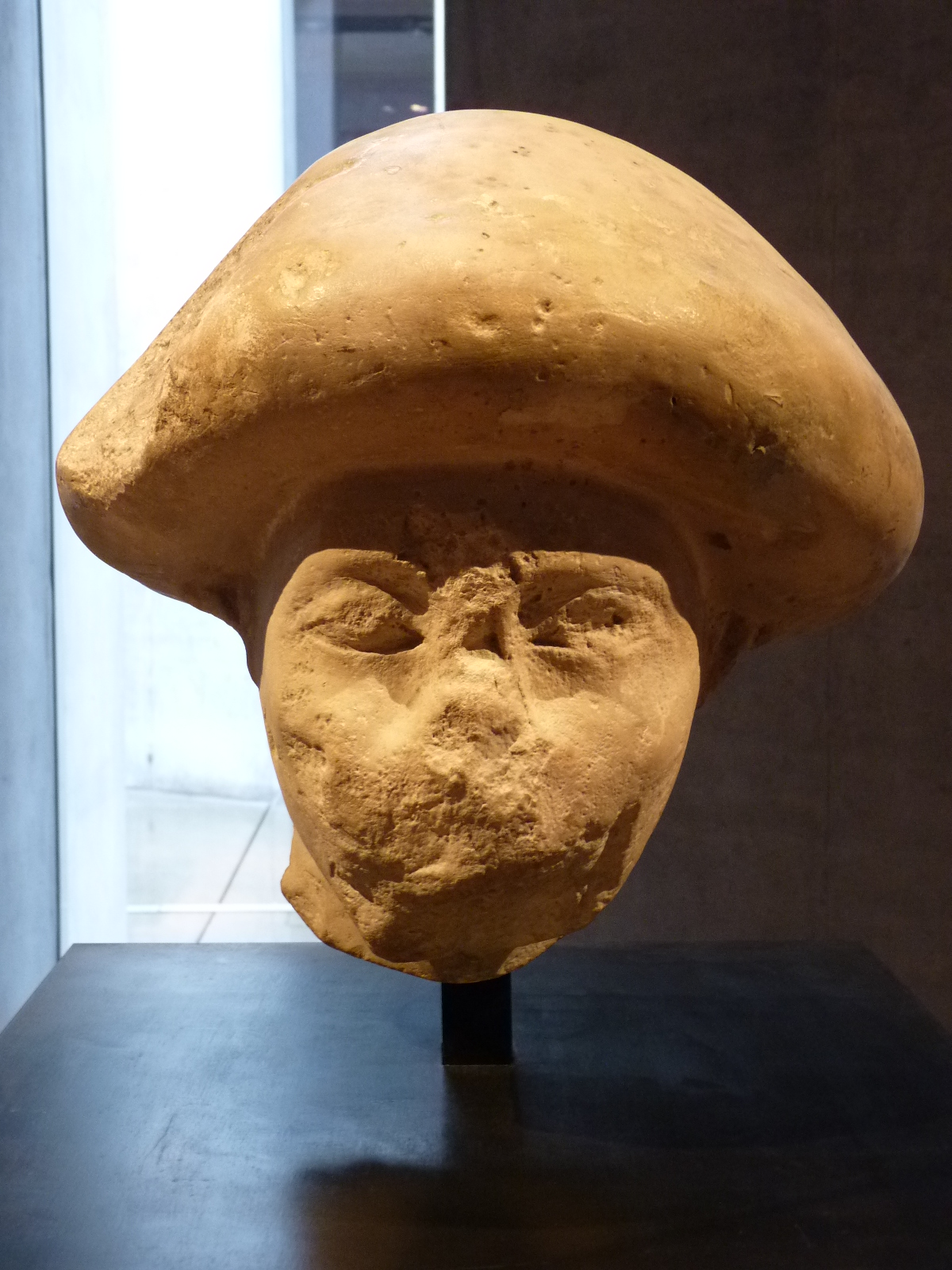
Explore the Map
Avaris
30.7874° N, 31.8214° E
About
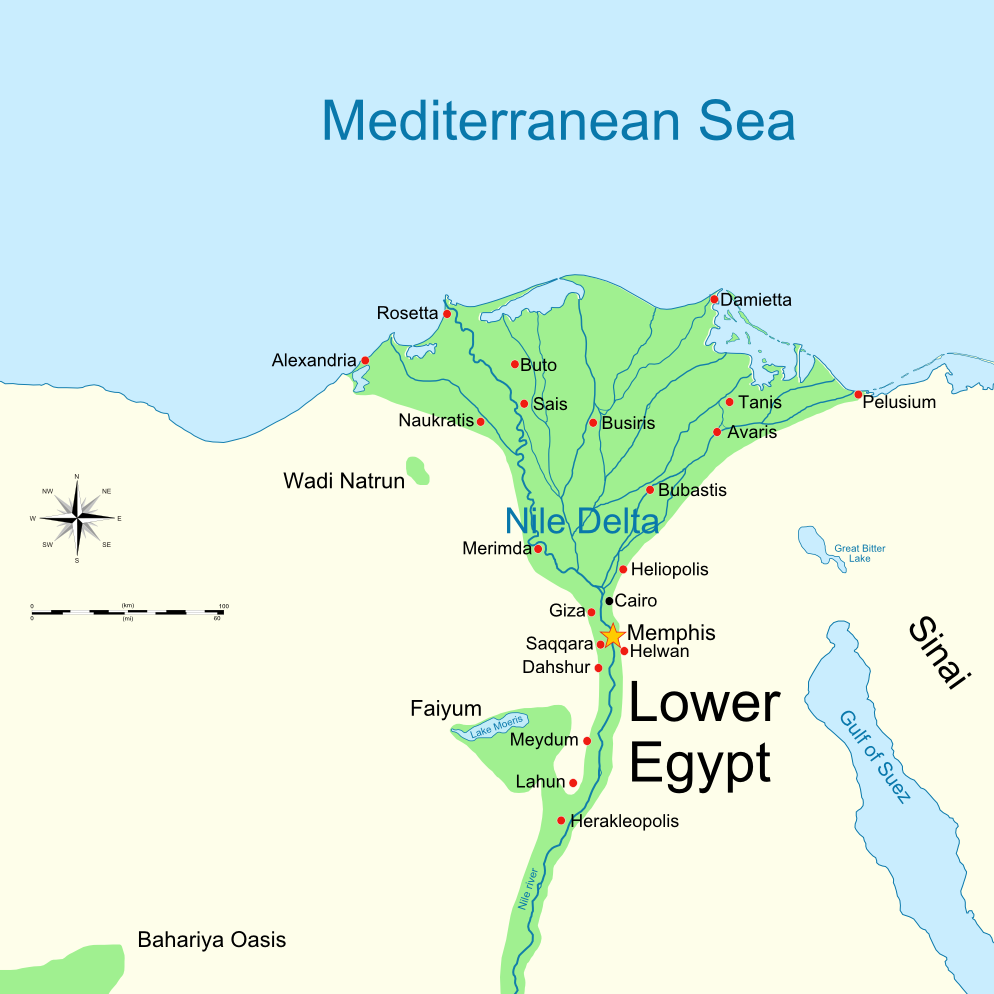
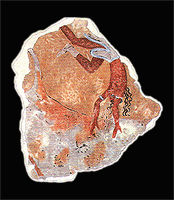
Avaris, an ancient city located at modern Tell el-Dab'a in the northeastern Nile Delta, served as the capital of the Hyksos during their rule in Egypt. Established around 1930 BCE by Amenemhat I, it grew significantly due to Canaanite immigration and became a thriving trade hub by the 18th century BCE. The city was characterized by its bustling harbor, extensive housing, and significant religious structures, including temples with Minoan frescoes. The Hyksos made Avaris their capital around 1650 BCE. Ahmose I captured the city around 1550 BCE, marking the end of Hyksos dominance. Avaris was eventually superseded by Pi-Ramesses, constructed by Ramesses II, leading to its abandonment in the 13th century BCE.
Gallery
Explore photographs of ancient structures, artifacts, and archaeological excavations
Historical Timeline
Journey through time and discover key events in this site's history
Foundation by Amenemhat I
circa 1930 BCE
Growth by Canaanite Immigration
circa 1830 BCE
Hyksos Establish Avaris as Capital
circa 1650 BCE
Avaris Captured by Ahmose I
circa 1550 BCE
Avaris Abandoned for Pi-Ramesses
circa 1279-1213 BCE
Archaeological Features
Unique architectural and cultural elements found at this historical site
Defensive Structures
Water Management Features
Public and Civic Structures
Burial and Funerary Structures
Religious and Ritual Structures
Artistic and Decorative Features
Domestic and Habitation Structures
Frequently Asked Questions
Plan Your Visit
Tours, travel arrangements, and practical information
More Sites in Egypt
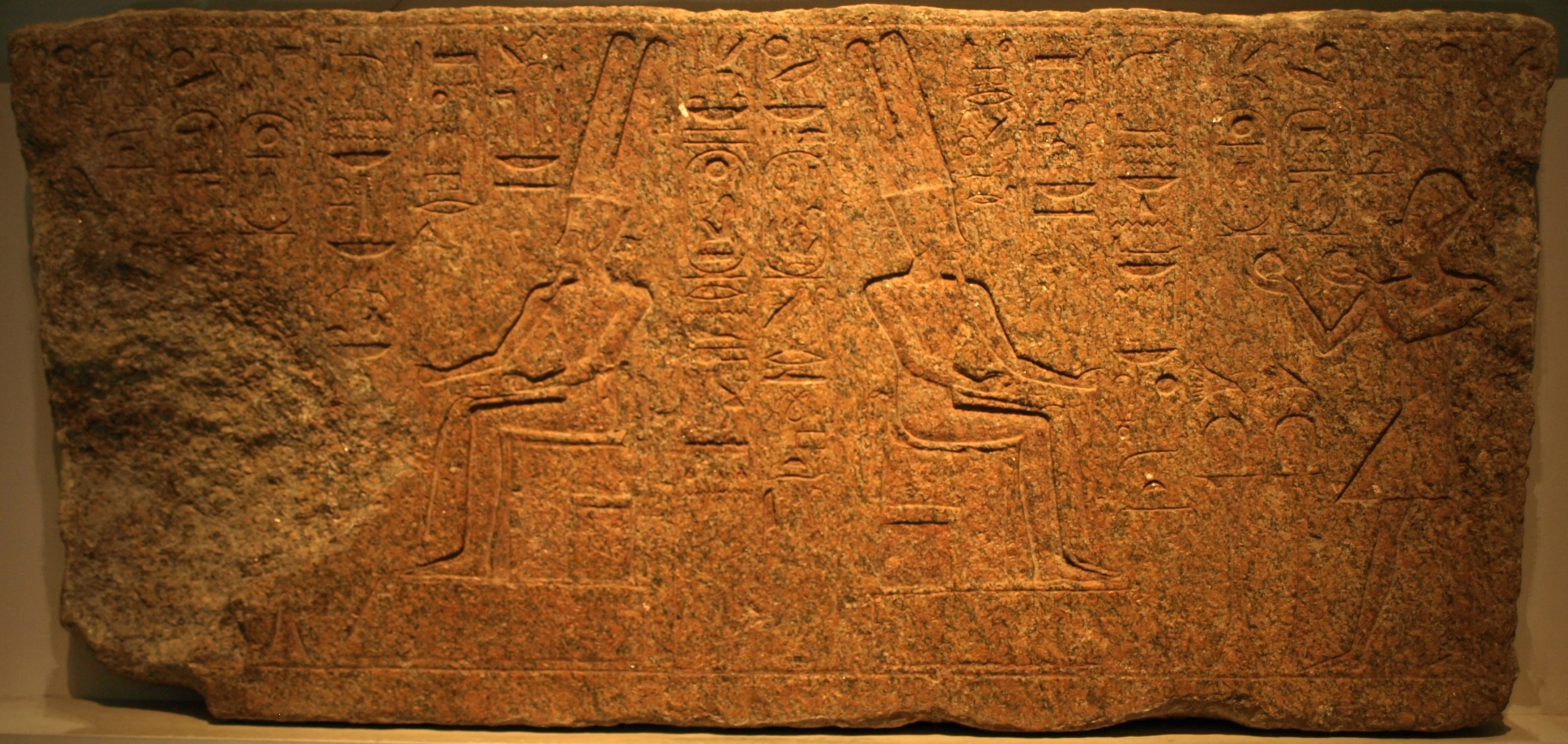
Bubastis
Ancient Egyptian city with Bastet temple
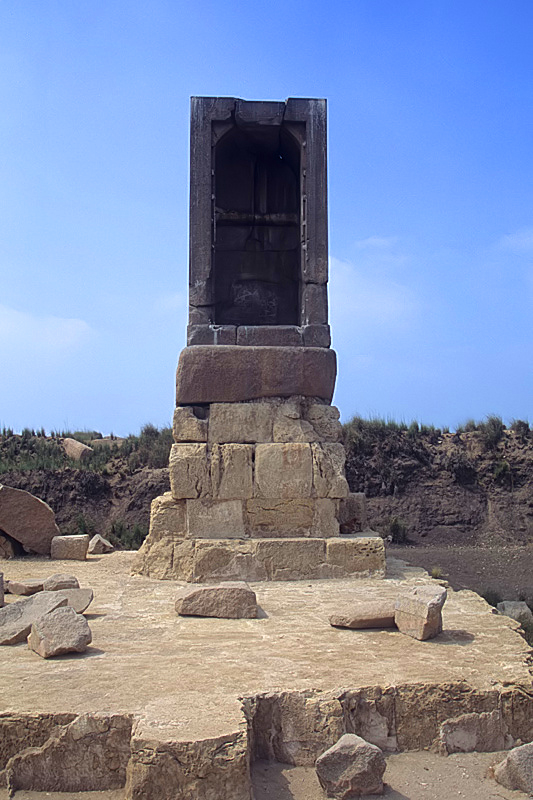
Mendes
Ancient city with significant religious structures.
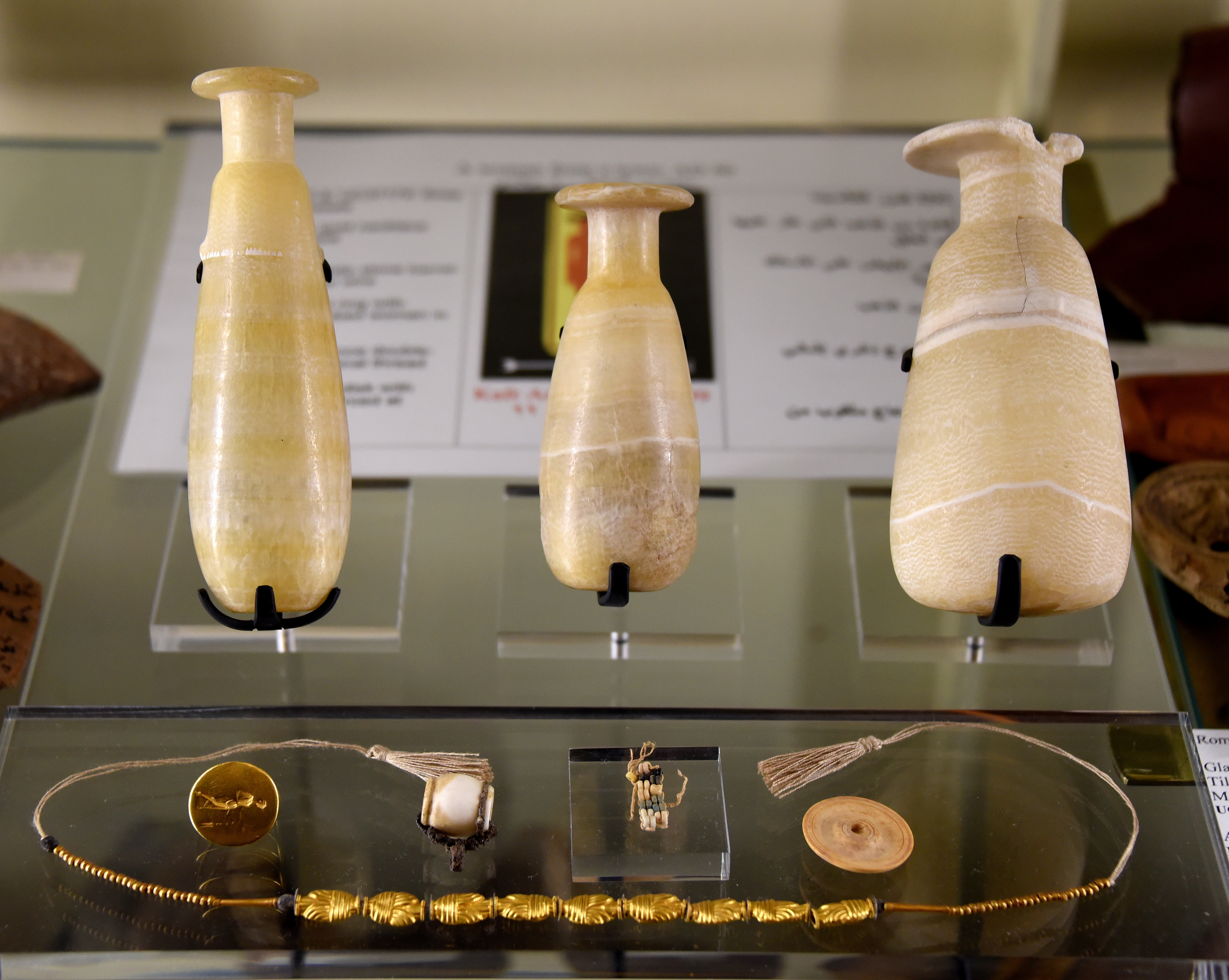
Tarkhan (Egypt)
Ancient Egyptian necropolis with mastabas and tombs.

Leontopolis (Heliopolis)
Ancient city with fortifications and a temple.
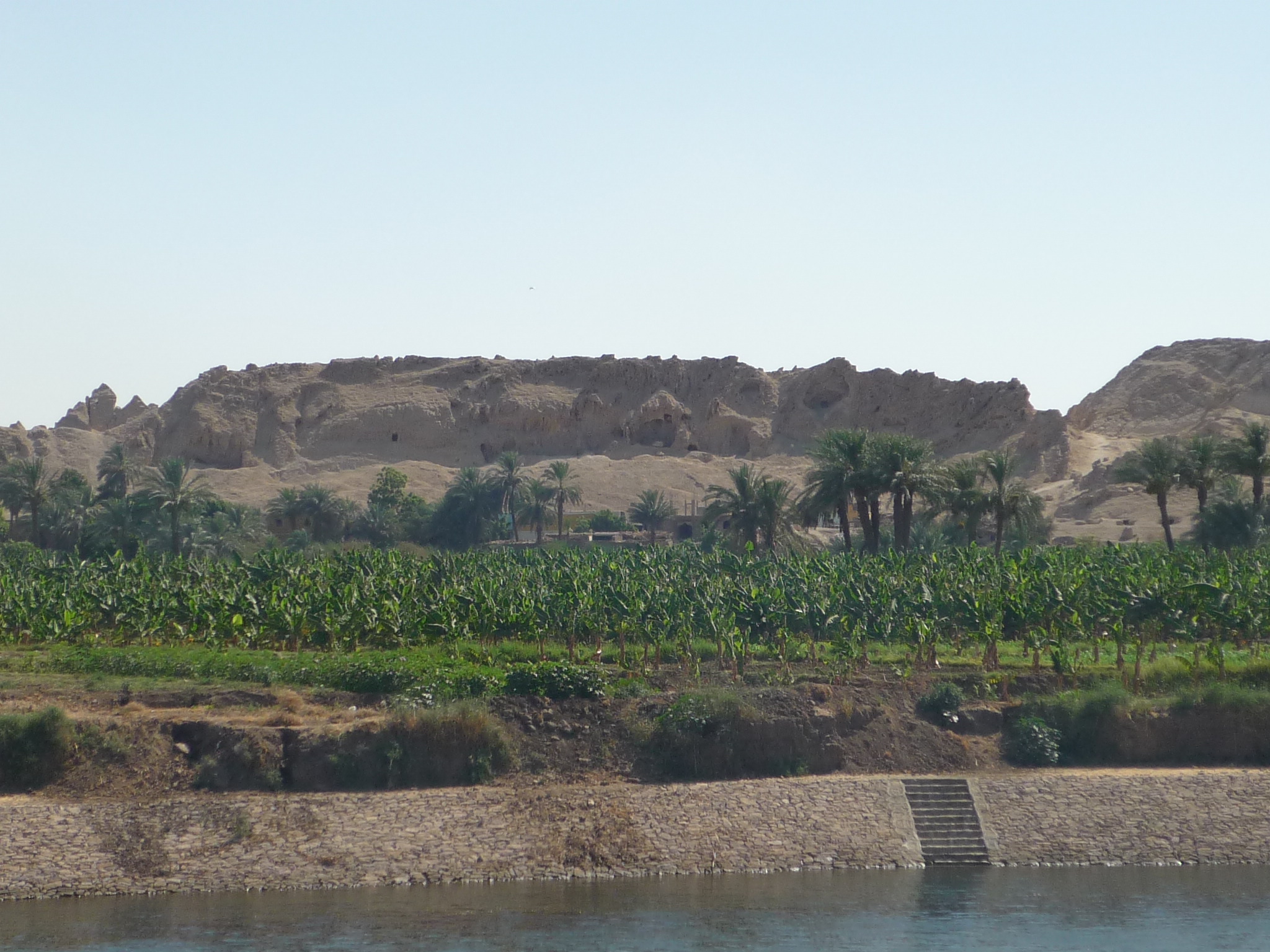
Gebelein
Archaeological site with mummies and temple ruins
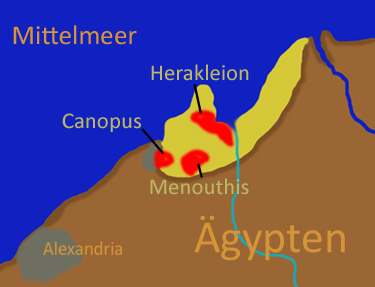
Canopus, Egypt
Submerged ancient Egyptian coastal town ruins