Explore the Map
Bir Kiseiba
22.6833° N, 29.9167° E
About
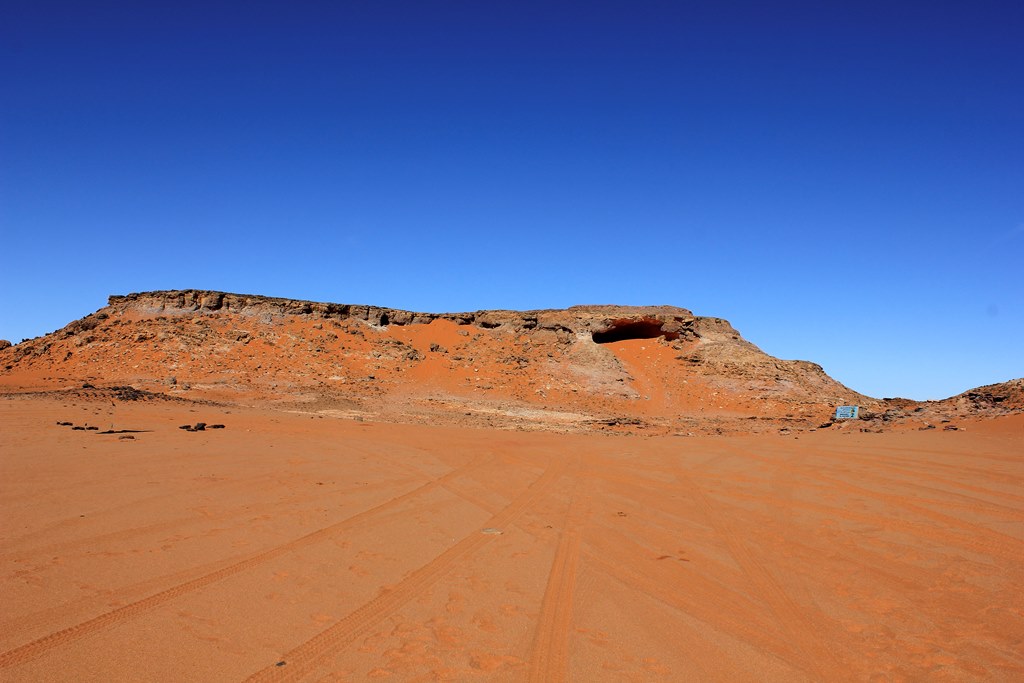
Bir Kiseiba is a significant Neolithic archaeological site located in Egypt's Lower Nubia, dating back to around 9800 BCE. The site provides crucial insights into early human settlement patterns, food production, and technological advancements. Notably, Bir Kiseiba, along with Nabta Playa, offers some of the earliest evidence of cattle domestication and pottery usage in Africa. The site comprises various features such as animal pens and butchering areas indicative of early animal husbandry practices. Pottery from the Late Neolithic period reveals connections to the Early Khartoum styles, emphasizing the site's role in cultural exchanges across regions. Despite controversies surrounding the domestication of cattle, the archaeological findings at Bir Kiseiba contribute significantly to understanding the Neolithic transition in the Sahara. The site underscores the complexity of human adaptation to changing climates during the Holocene.
Historical Timeline
Journey through time and discover key events in this site's history
Late Neolithic pottery phase
5100-4700 BCE
Earliest settlement phase
9800-8900 BCE
Archaeological Features
Unique architectural and cultural elements found at this historical site
Miscellaneous Features
Animal Husbandry Features
Food Production and Processing Features
Frequently Asked Questions
Plan Your Visit
Tours, travel arrangements, and practical information
More Sites in Egypt
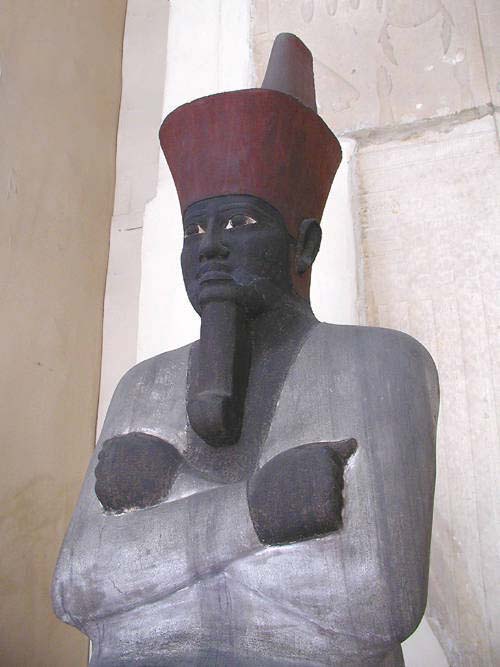
Thinis
Ancient Upper Egypt's undiscovered capital city.
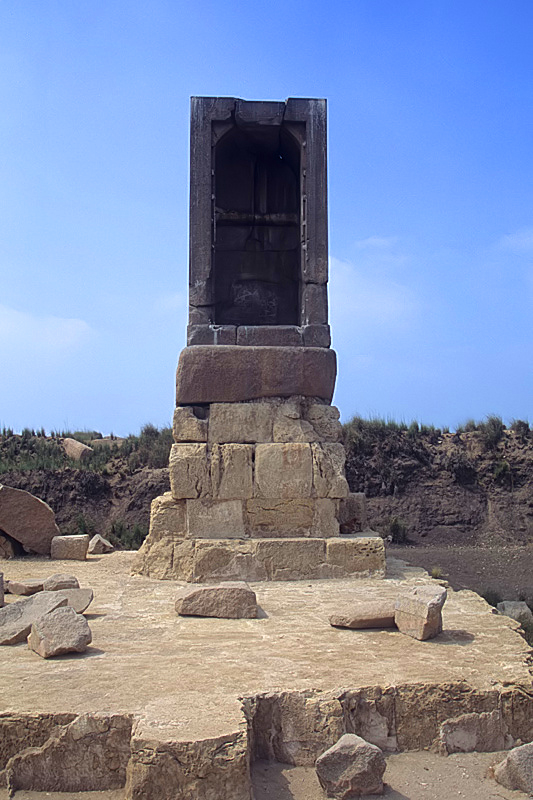
Mendes
Ancient city with significant religious structures.

Gebel Ramlah
Neolithic cemeteries in Egypt's Western Desert
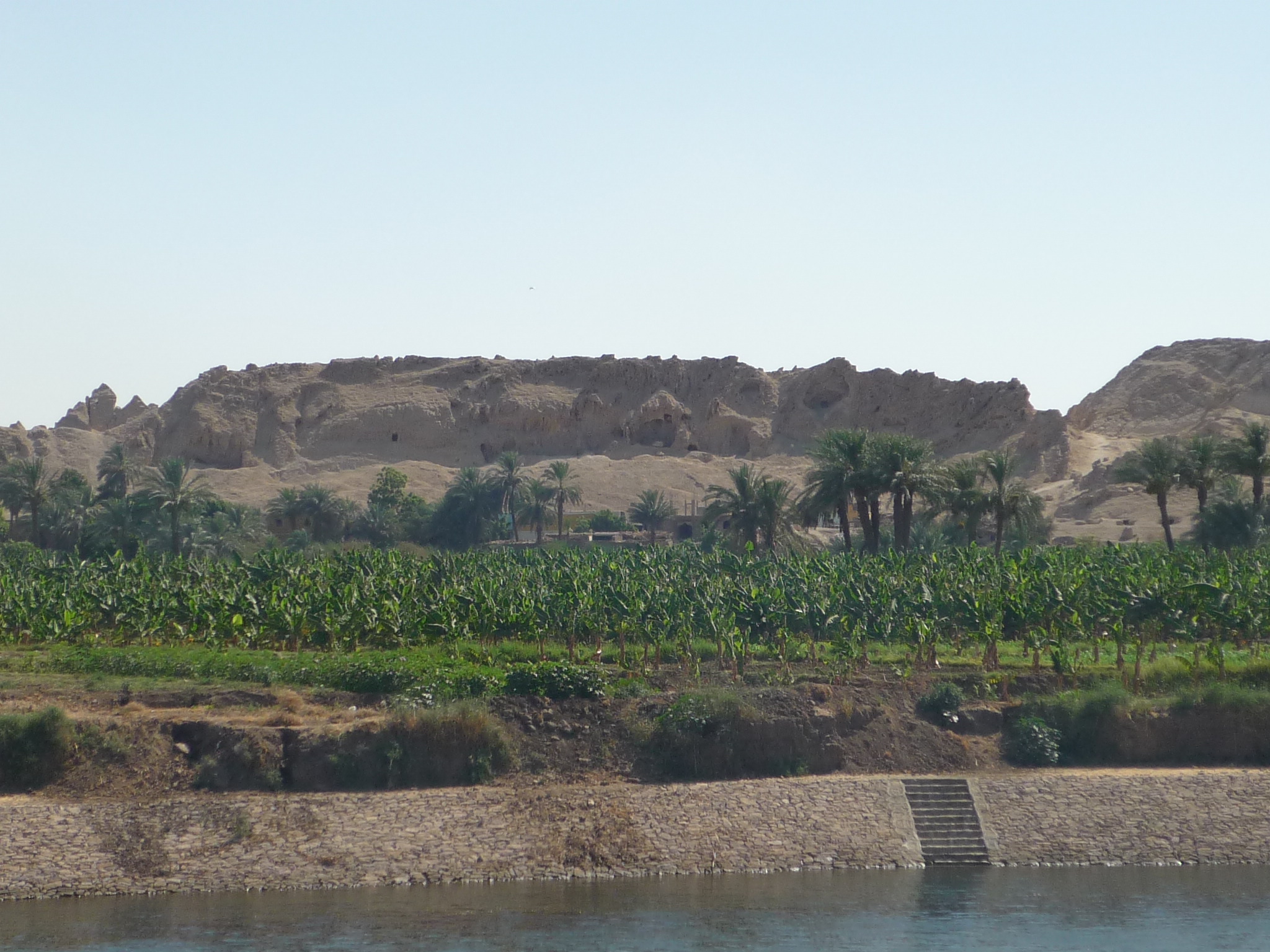
Gebelein
Archaeological site with mummies and temple ruins
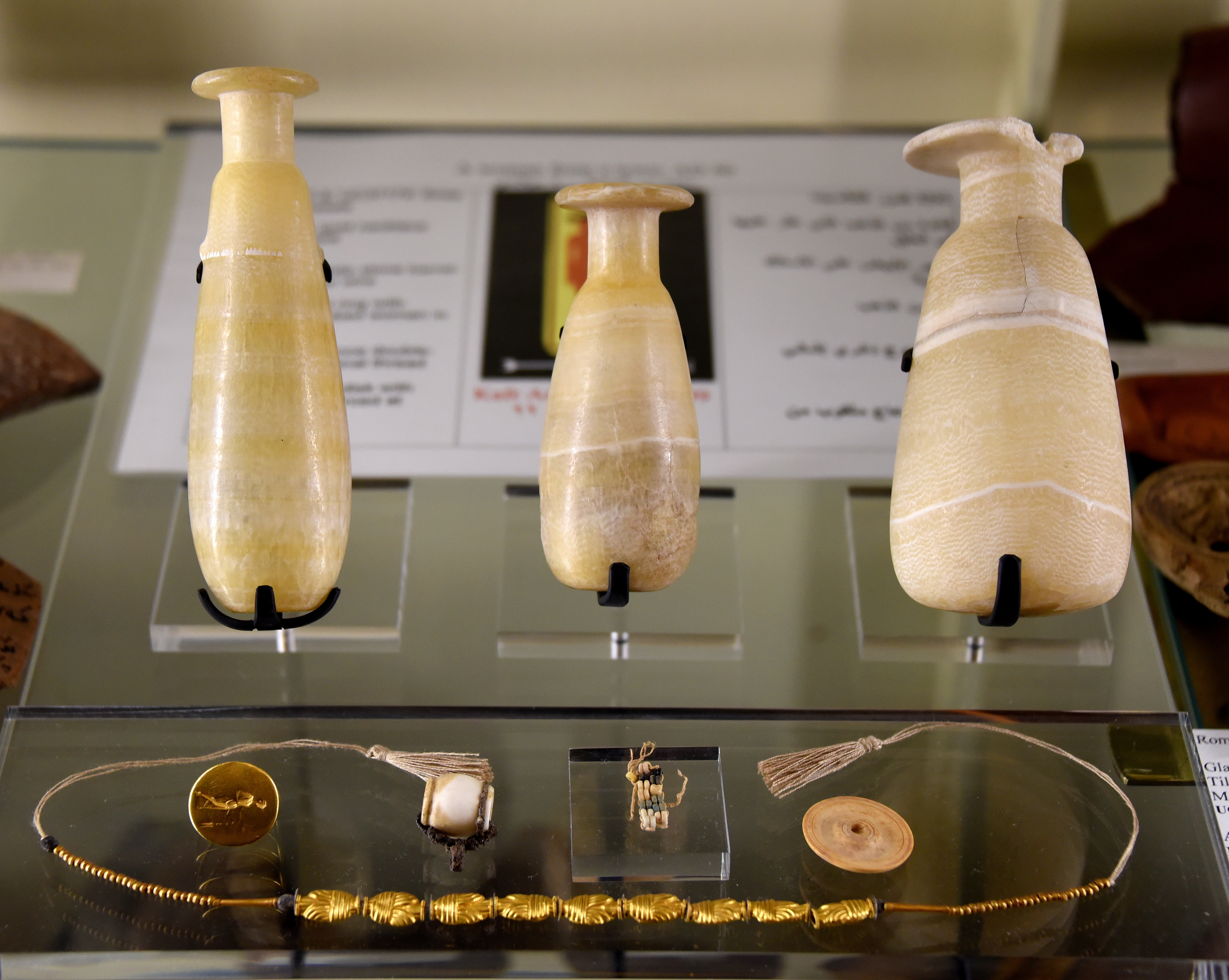
Tarkhan (Egypt)
Ancient Egyptian necropolis with mastabas and tombs.
Magharet el Kantara
Neolithic rock art cave in Egypt