Explore the Map
Contra Latopolis
25.2840° N, 32.5830° E
About
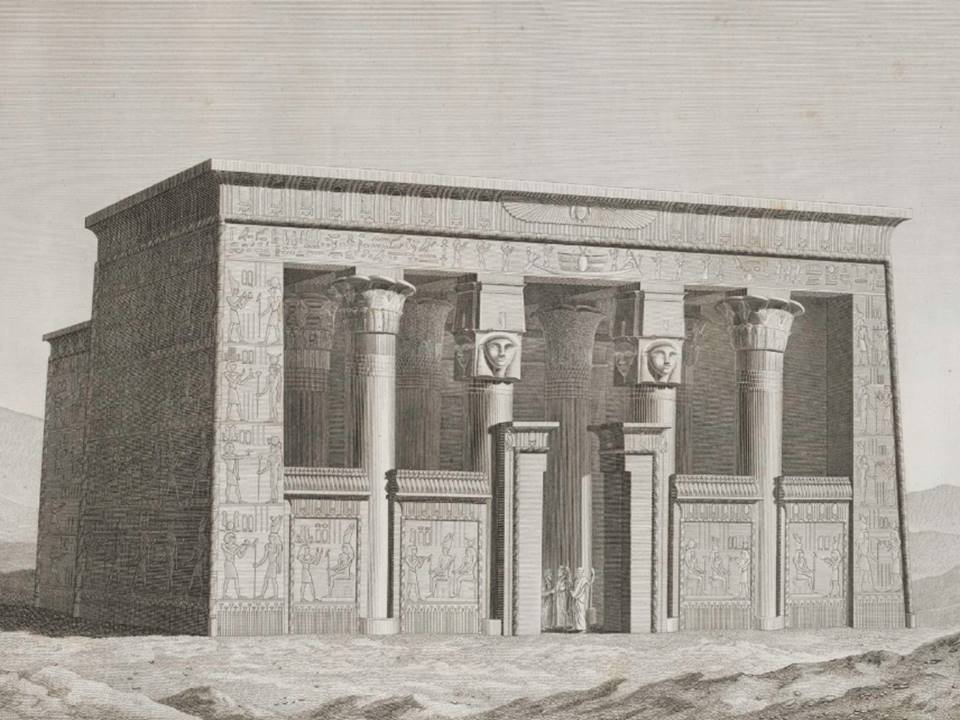
The archaeological site of Contra Latopolis is an ancient Egyptian temple dedicated to the goddess Isis, constructed during the Ptolemaic period under the reign of Cleopatra VII. Positioned on the opposite bank of the Nile from the city of Latopolis (modern-day Esne), the temple once featured a grand portico supported by two rows of four columns each, adorned with capitals depicting the goddess Hathor. Although much of the structure has not survived, the temple's massive portico remains a significant feature. The temple's walls were covered in hieroglyphic inscriptions, with the earliest names being those of Cleopatra III and her son Ptolemy Soter, and the latest inscriptions made during the reign of Emperor Commodus. This site reflects the architectural and religious practices of the Ptolemaic and Roman periods in Egypt.
Gallery
Explore photographs of ancient structures, artifacts, and archaeological excavations
Historical Timeline
Journey through time and discover key events in this site's history
Decorations Between Reigns
170 BCE - 116 BCE
Construction of Temple to Isis
51 BCE - 30 BCE
Final Writing of Commodus
180 CE - 192 CE
Archaeological Features
Unique architectural and cultural elements found at this historical site
Religious and Ritual Structures
Artistic and Decorative Features
Frequently Asked Questions
Plan Your Visit
Tours, travel arrangements, and practical information
More Sites in Egypt
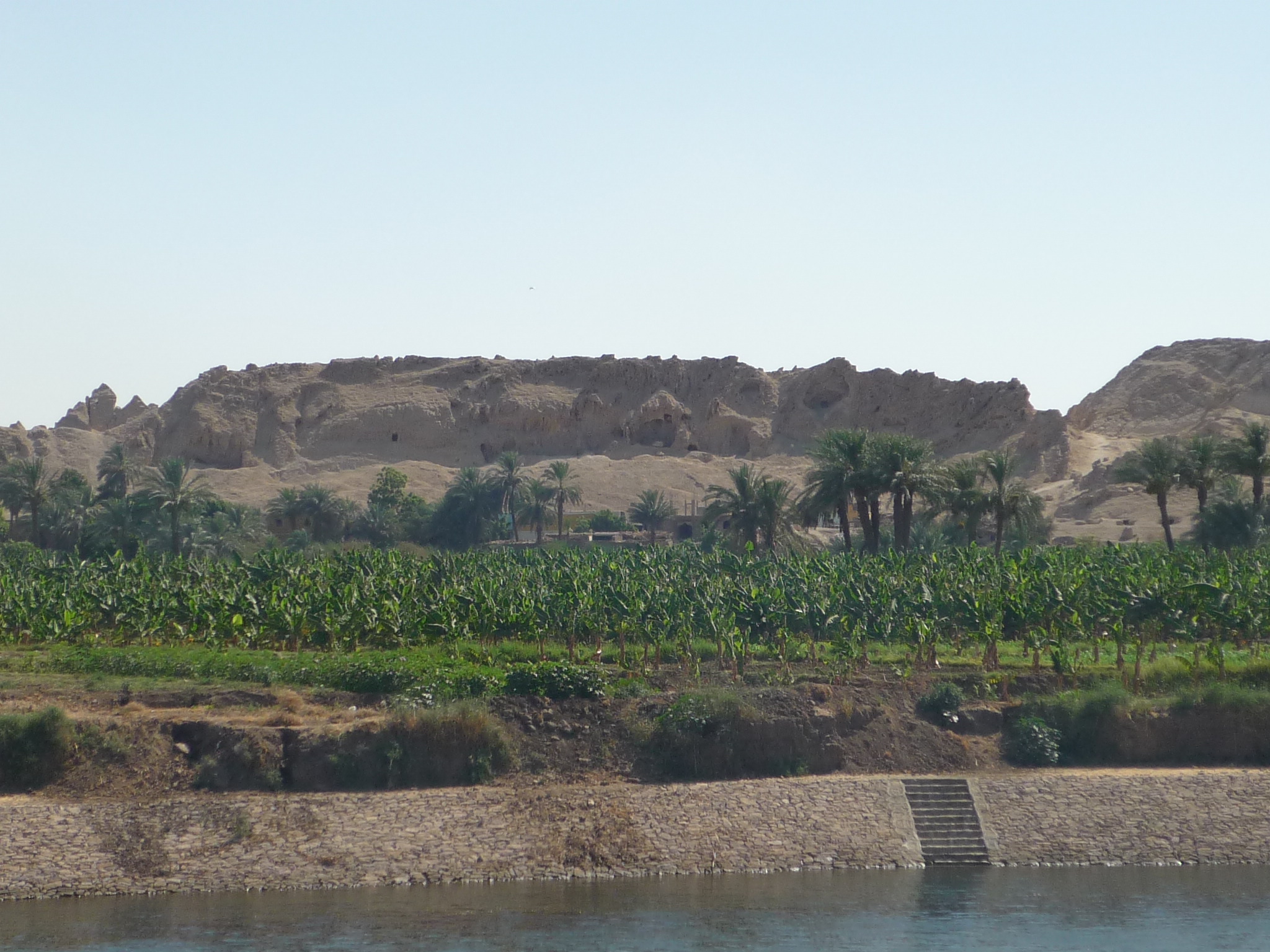
Gebelein
Archaeological site with mummies and temple ruins

Leontopolis (Heliopolis)
Ancient city with fortifications and a temple.
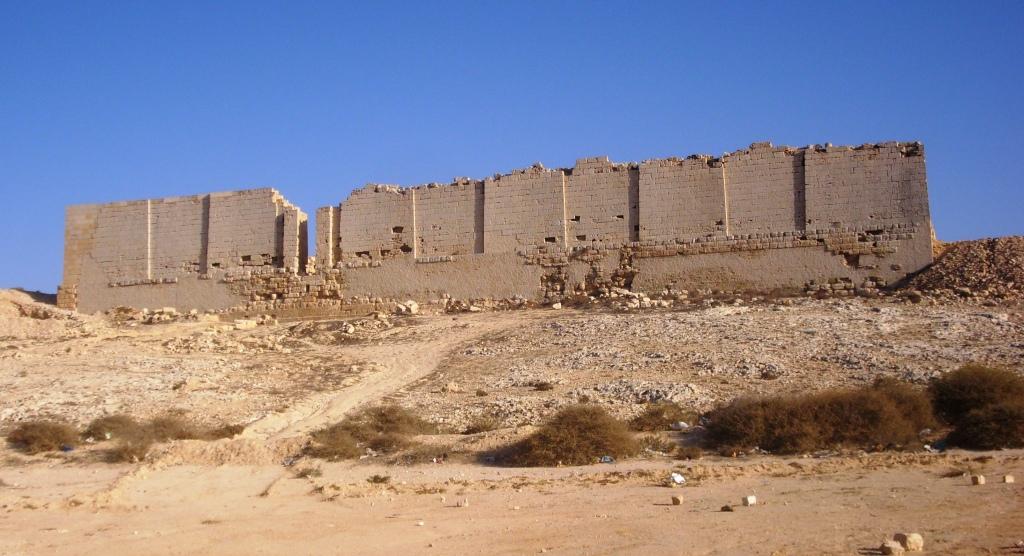
Taposiris Magna
Ancient city with temple and tombs
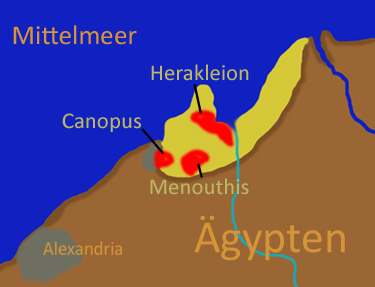
Canopus, Egypt
Submerged ancient Egyptian coastal town ruins
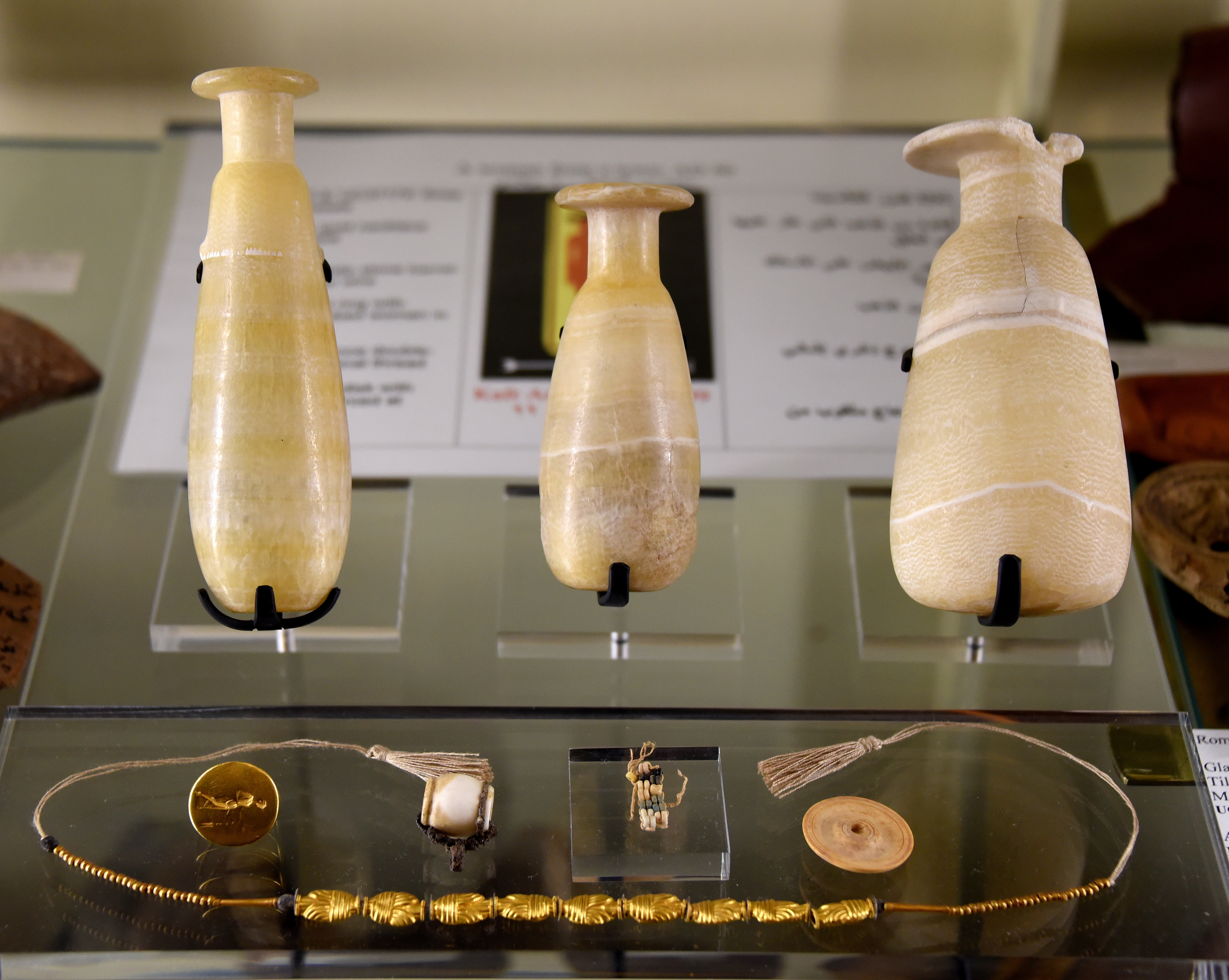
Tarkhan (Egypt)
Ancient Egyptian necropolis with mastabas and tombs.
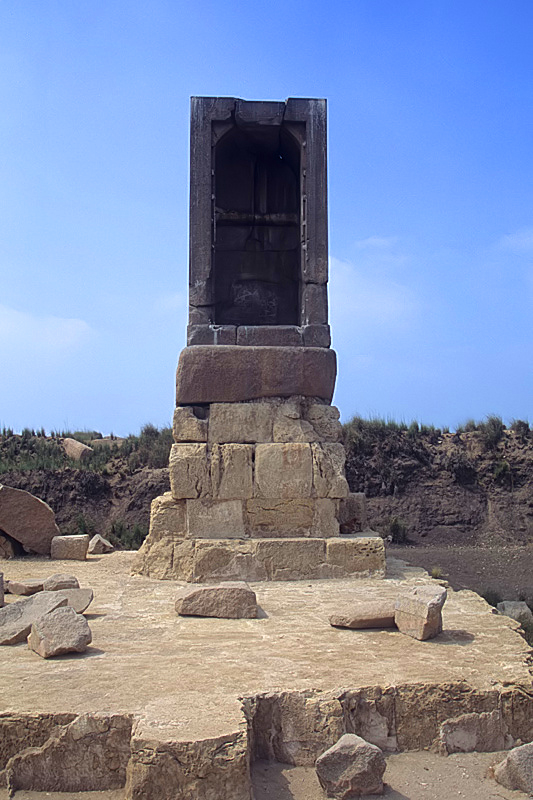
Mendes
Ancient city with significant religious structures.