Explore the Map
El-Tod
25.5831° N, 32.5336° E
About
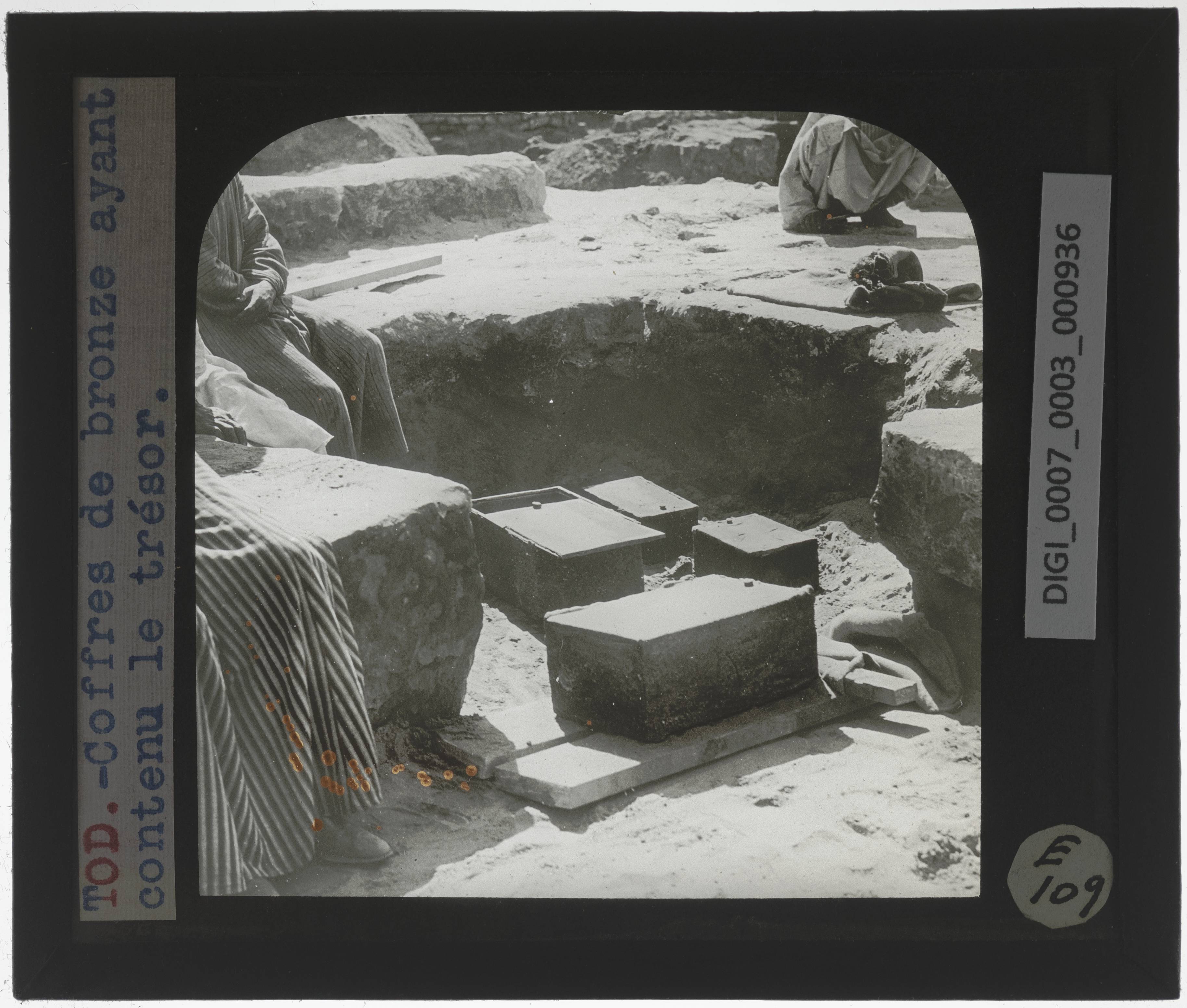
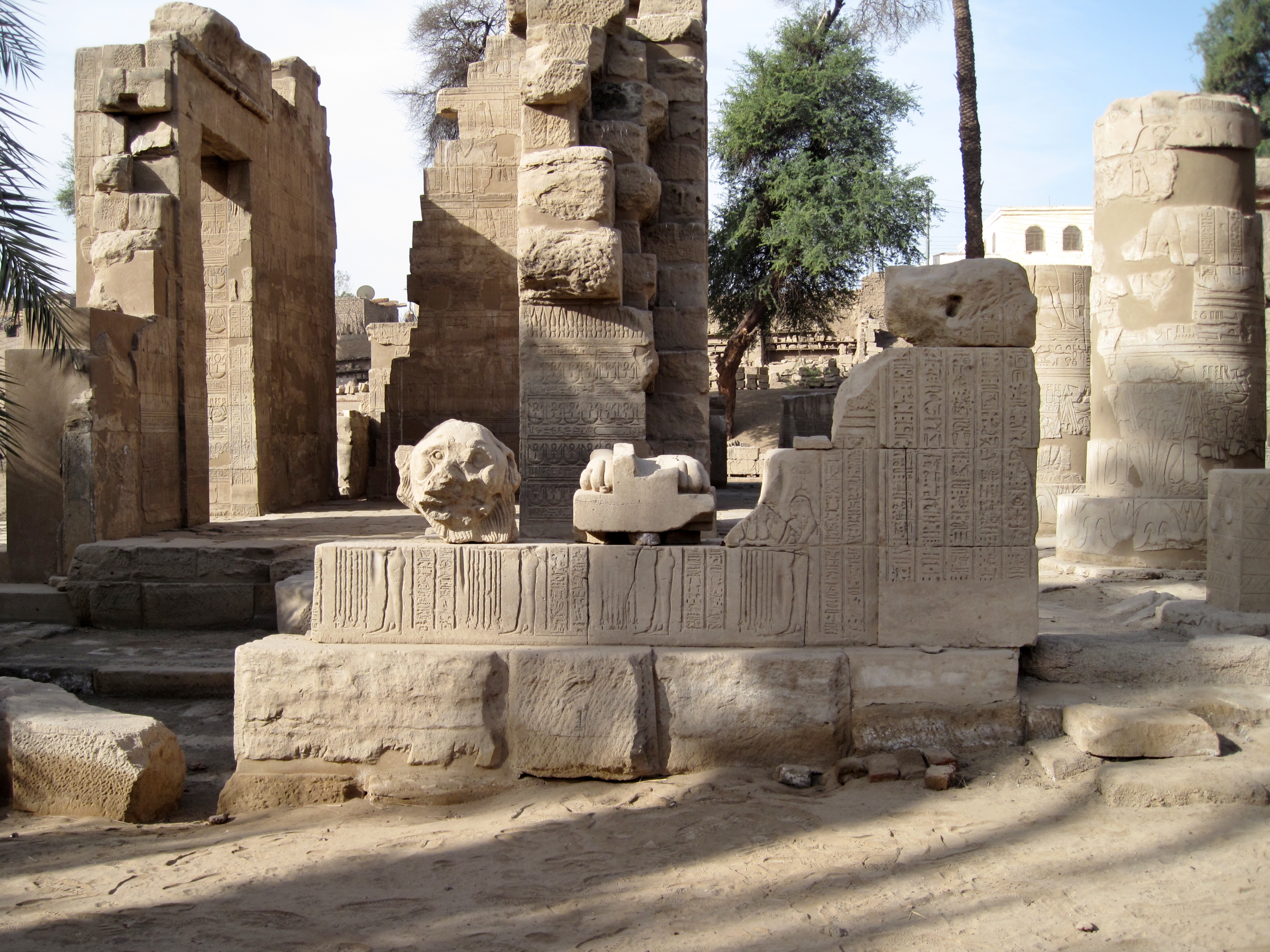
El-Tod, located southwest of Luxor, was an ancient Egyptian town notable for its temple dedicated to the god Montu. The site traces its history back to the Old Kingdom, with the earliest artifact being a granite pillar from the Fifth Dynasty's Pharaoh Userkaf, who also expanded the temple. The site saw significant construction during the Eleventh Dynasty under Mentuhotep II and III, and a complete temple rebuild under Senwosret I. The temple was further expanded in the Ptolemaic period under Ptolemy VIII. El-Tod is also renowned for the Tod Treasure, a collection of silver and lapis lazuli artifacts discovered in 1936, indicating extensive trade networks with other early civilizations. The treasure's origins hint at connections with regions like Knossos, Iran, and Anatolia.
Gallery
Explore photographs of ancient structures, artifacts, and archaeological excavations
Historical Timeline
Journey through time and discover key events in this site's history
Userkaf orders temple enlargement
c. 2490 BCE
Senwosret I rebuilds temple
c. 1971 BCE
Ptolemy VIII expands temple
c. 145-116 BCE
Mentuhotep II and III constructions
c. 2061-2010 BCE
Archaeological Features
Unique architectural and cultural elements found at this historical site
Miscellaneous Features
Religious and Ritual Structures
Domestic and Habitation Structures
Frequently Asked Questions
Plan Your Visit
Tours, travel arrangements, and practical information
![[Private]Valley of The Kings, Hatshepsut, Habu & Lunch](/_next/image?url=https%3A%2F%2Fmedia-cdn.tripadvisor.com%2Fmedia%2Fattractions-splice-spp-720x480%2F06%2Ff9%2Fd9%2F65.jpg&w=828&q=75)


More Sites in Egypt
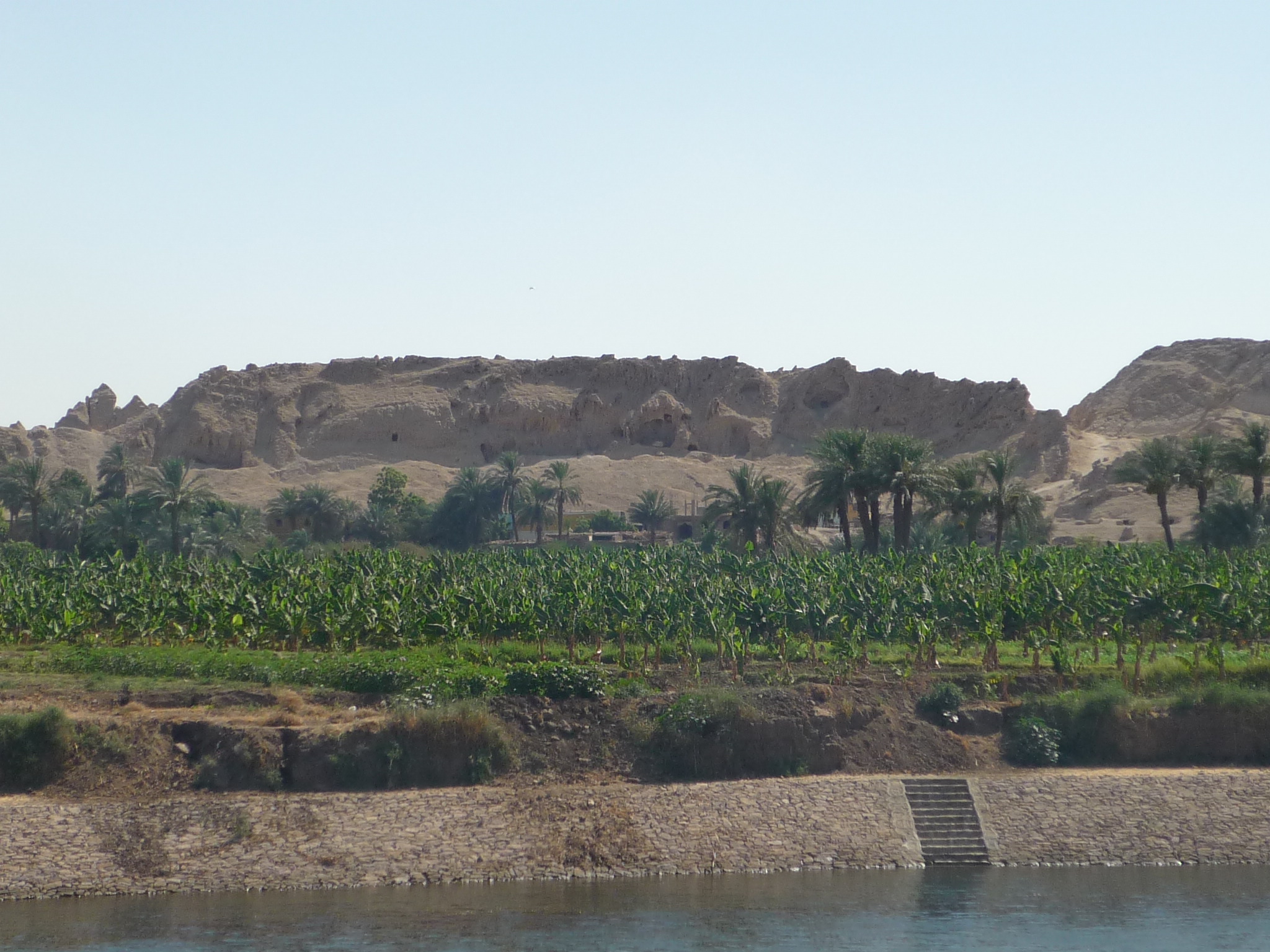
Gebelein
Archaeological site with mummies and temple ruins
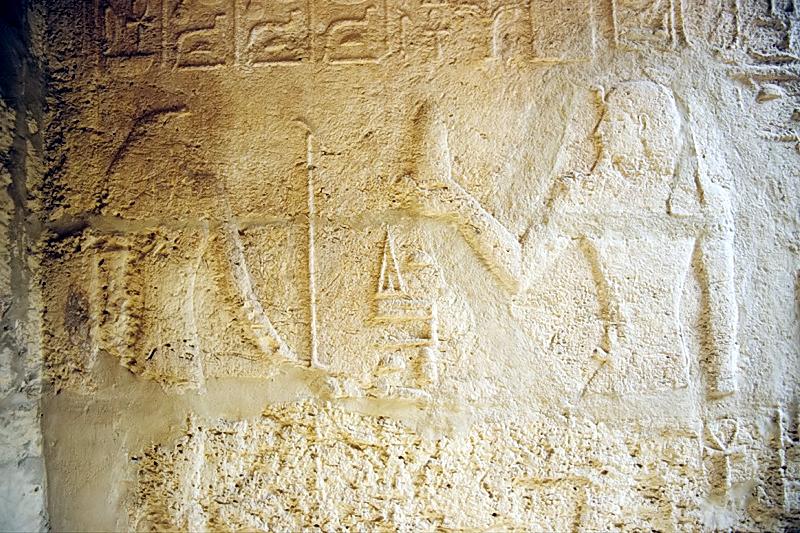
Medinet Madi
Greco-Roman town with Middle Kingdom temple

Leontopolis (Heliopolis)
Ancient city with fortifications and a temple.
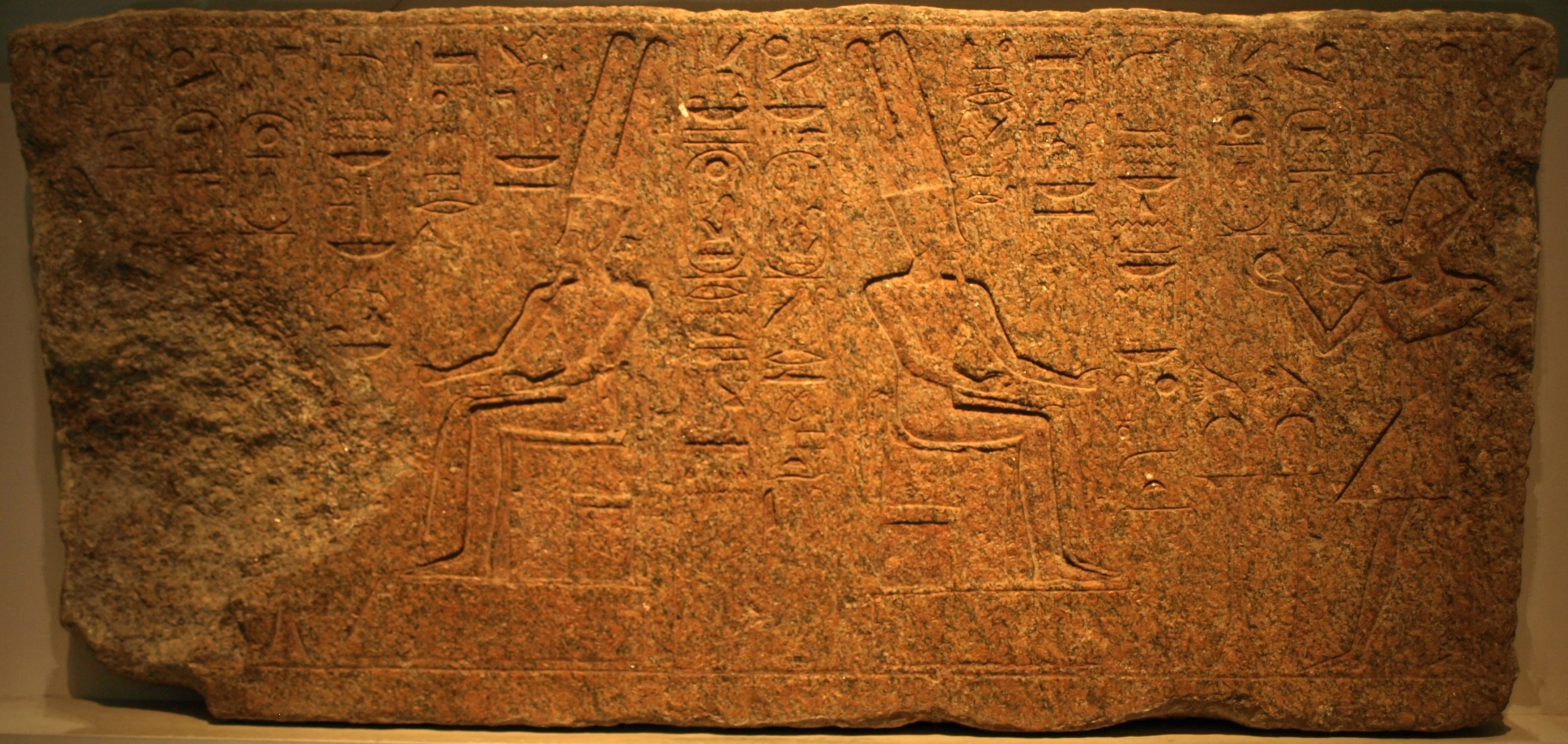
Bubastis
Ancient Egyptian city with Bastet temple
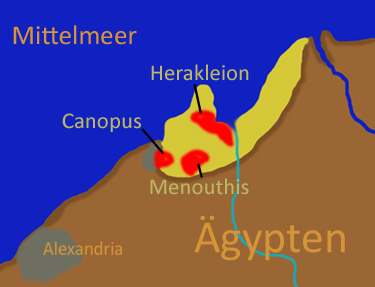
Canopus, Egypt
Submerged ancient Egyptian coastal town ruins
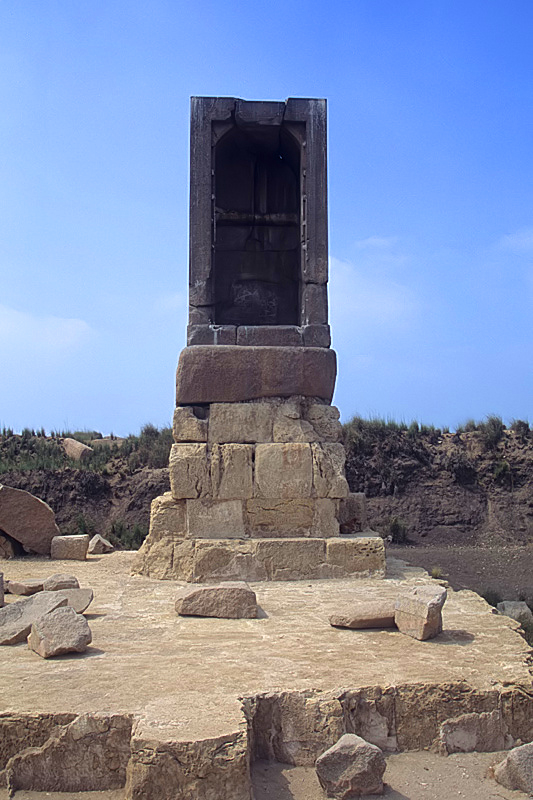
Mendes
Ancient city with significant religious structures.