Explore the Map
New Kalabsha
23.9608° N, 32.8672° E
About
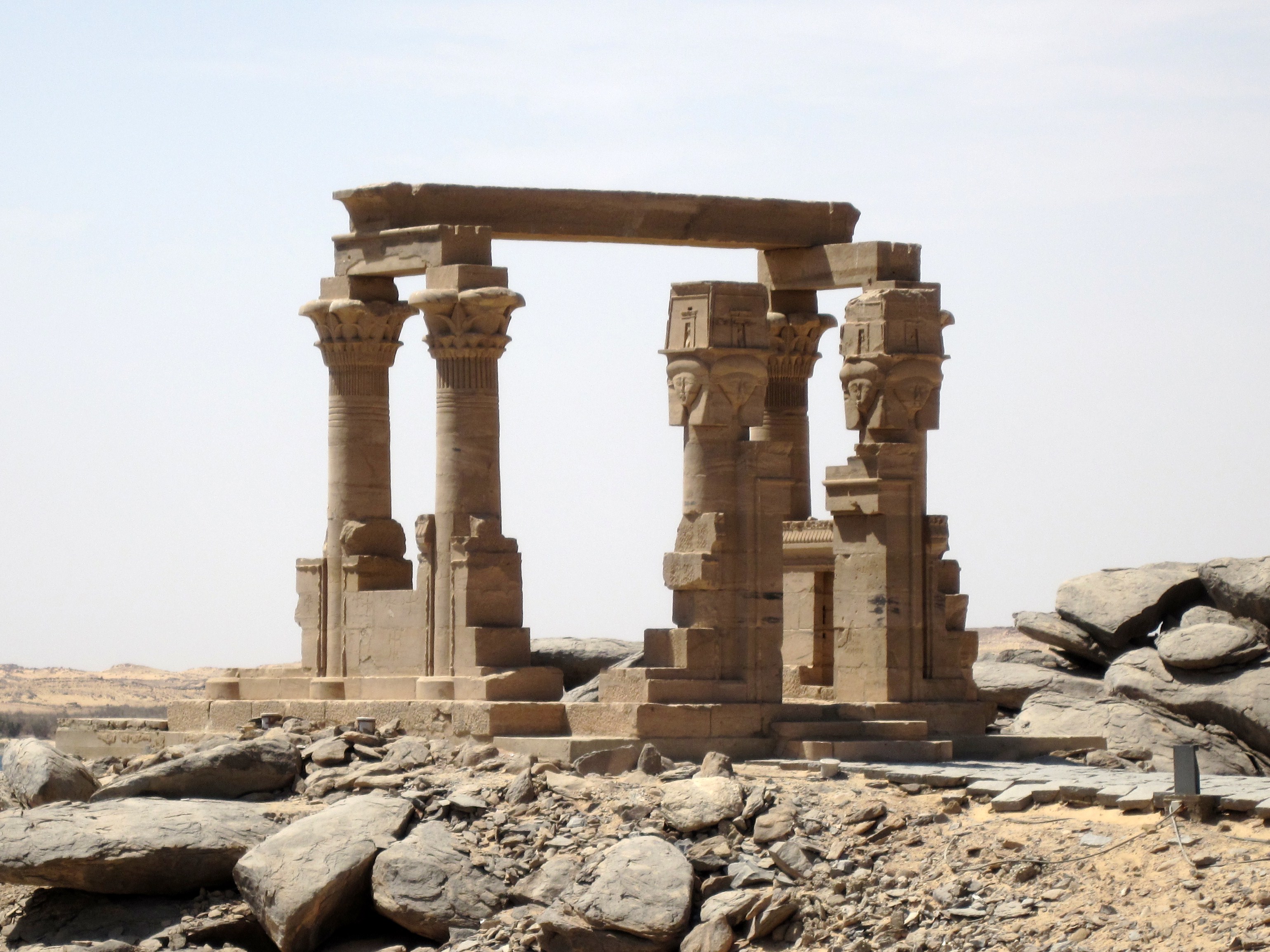
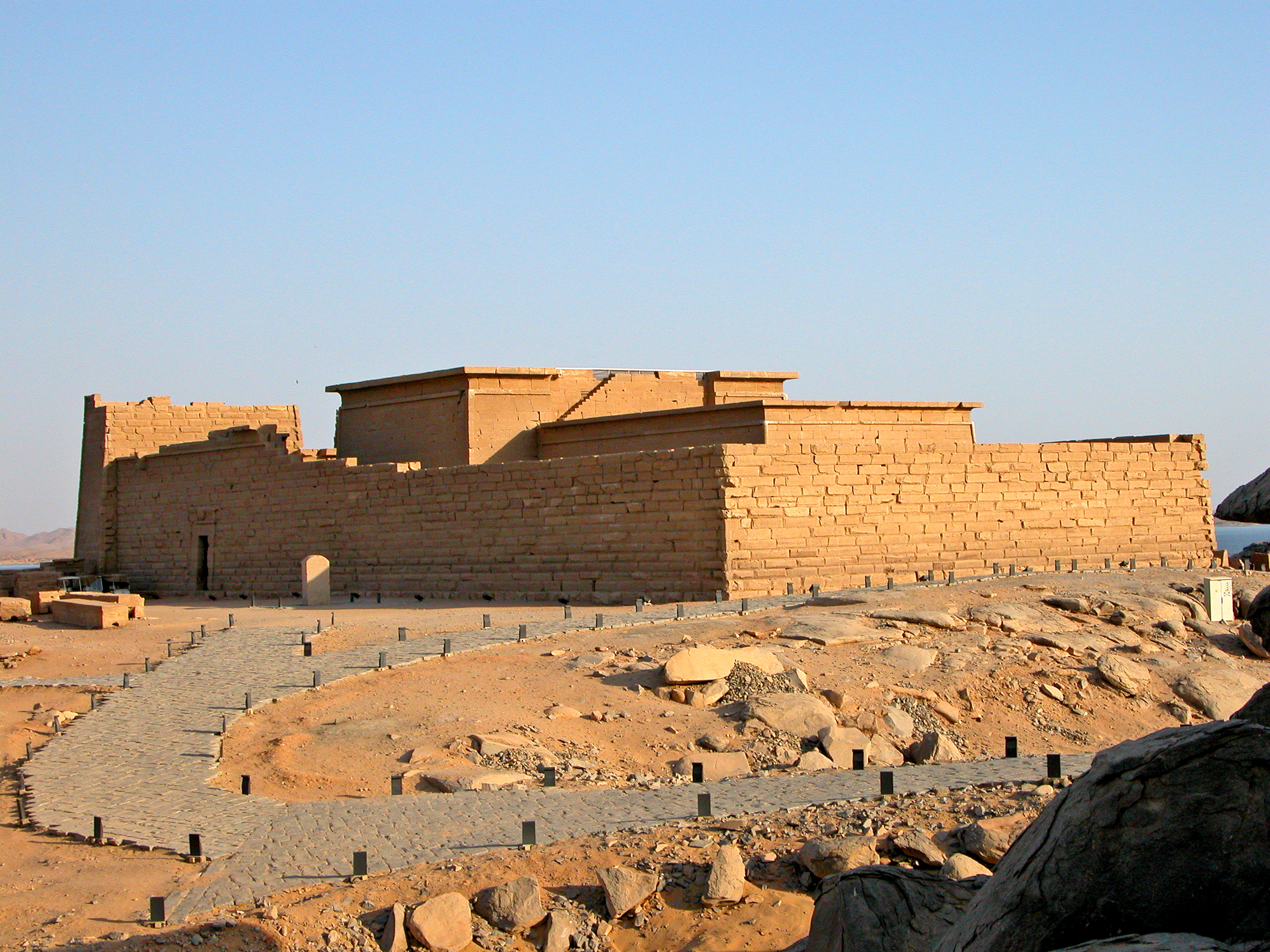
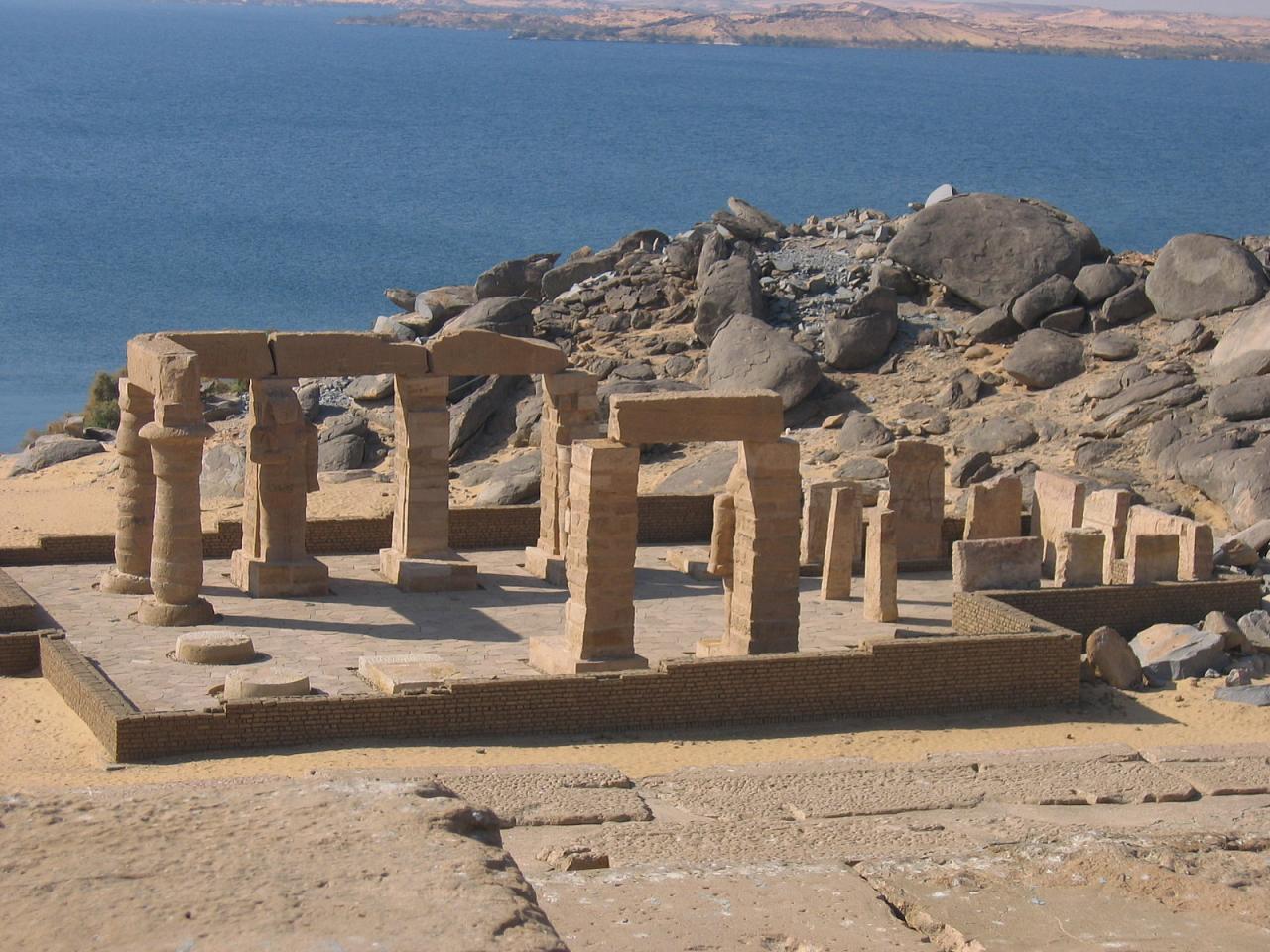
New Kalabsha, a promontory near Aswan, Egypt, is a significant archaeological site formed as part of the International Campaign to Save the Monuments of Nubia. It houses important ancient structures relocated from Old Kalabsha and other sites in Lower Nubia to prevent submersion by Lake Nasser, formed by the Aswan High Dam. The site features the Temple of Kalabsha, dedicated to the sun god Mandulis, and originally constructed by Emperor Augustus in the 1st century CE. Other significant structures include the temple of Gerf Hussein dedicated to Ramesses II, the rock-cut temple of Beit el-Wali, the Kiosk of Qertassi, and the statue of Dedwen. These relocations in the 20th century CE preserve the architectural and religious heritage of ancient Egyptian and Nubian cultures.
Gallery
Explore photographs of ancient structures, artifacts, and archaeological excavations
Historical Timeline
Journey through time and discover key events in this site's history
Kalabsha Temple construction
1st century CE
Beit el-Wali relocation
20th century CE
Gerf Hussein relocation
20th century CE
Dedwen statue relocation
20th century CE
Kiosk of Qertassi relocation
20th century CE
Kalabsha Temple relocation
1970 CE
Archaeological Features
Unique architectural and cultural elements found at this historical site
Religious and Ritual Structures
Frequently Asked Questions
Plan Your Visit
Tours, travel arrangements, and practical information
Recommended Tours

More Sites in Egypt
Medinet Madi
Greco-Roman town with Middle Kingdom temple
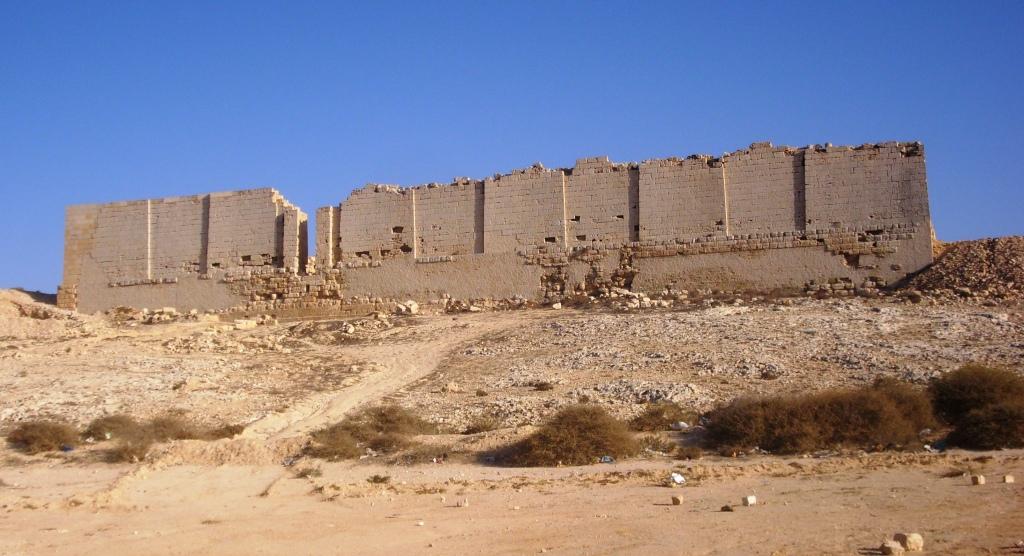
Taposiris Magna
Ancient city with temple and tombs
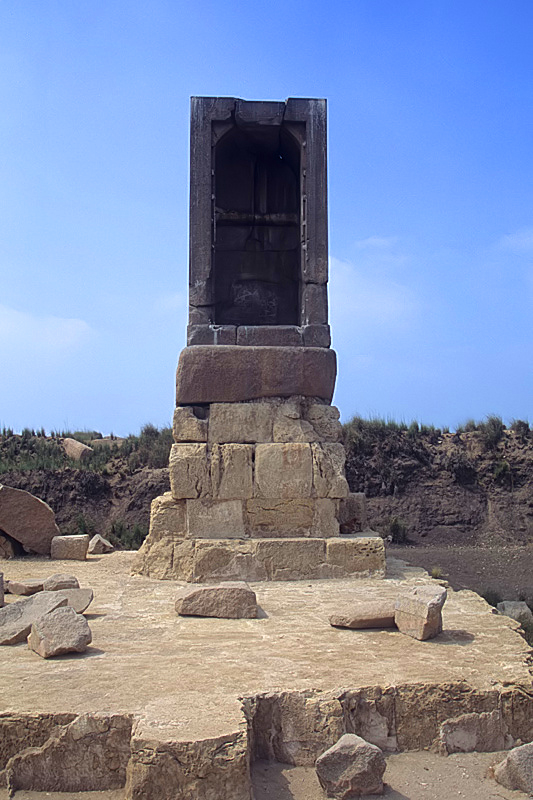
Mendes
Ancient city with significant religious structures.

Leontopolis (Heliopolis)
Ancient city with fortifications and a temple.
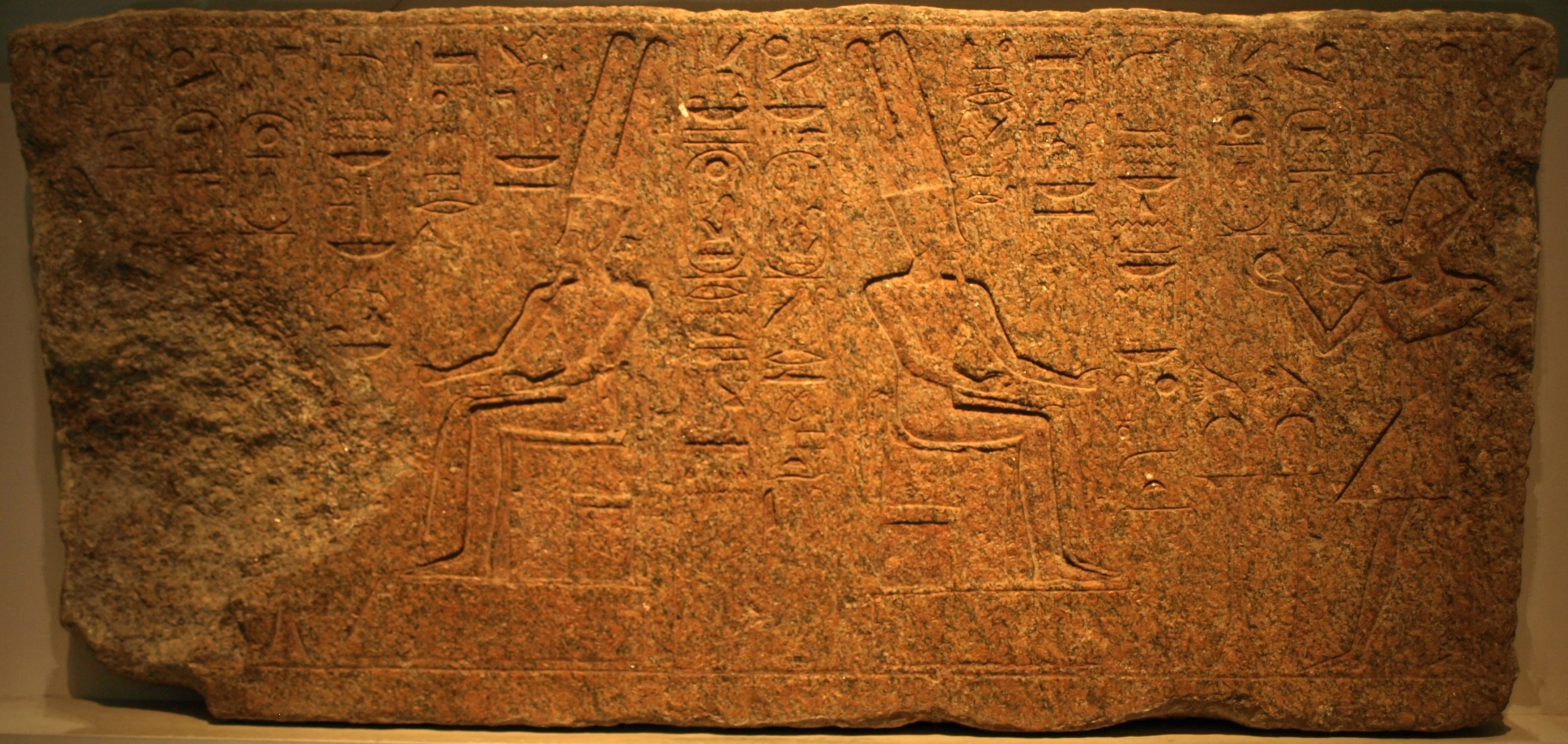
Bubastis
Ancient Egyptian city with Bastet temple
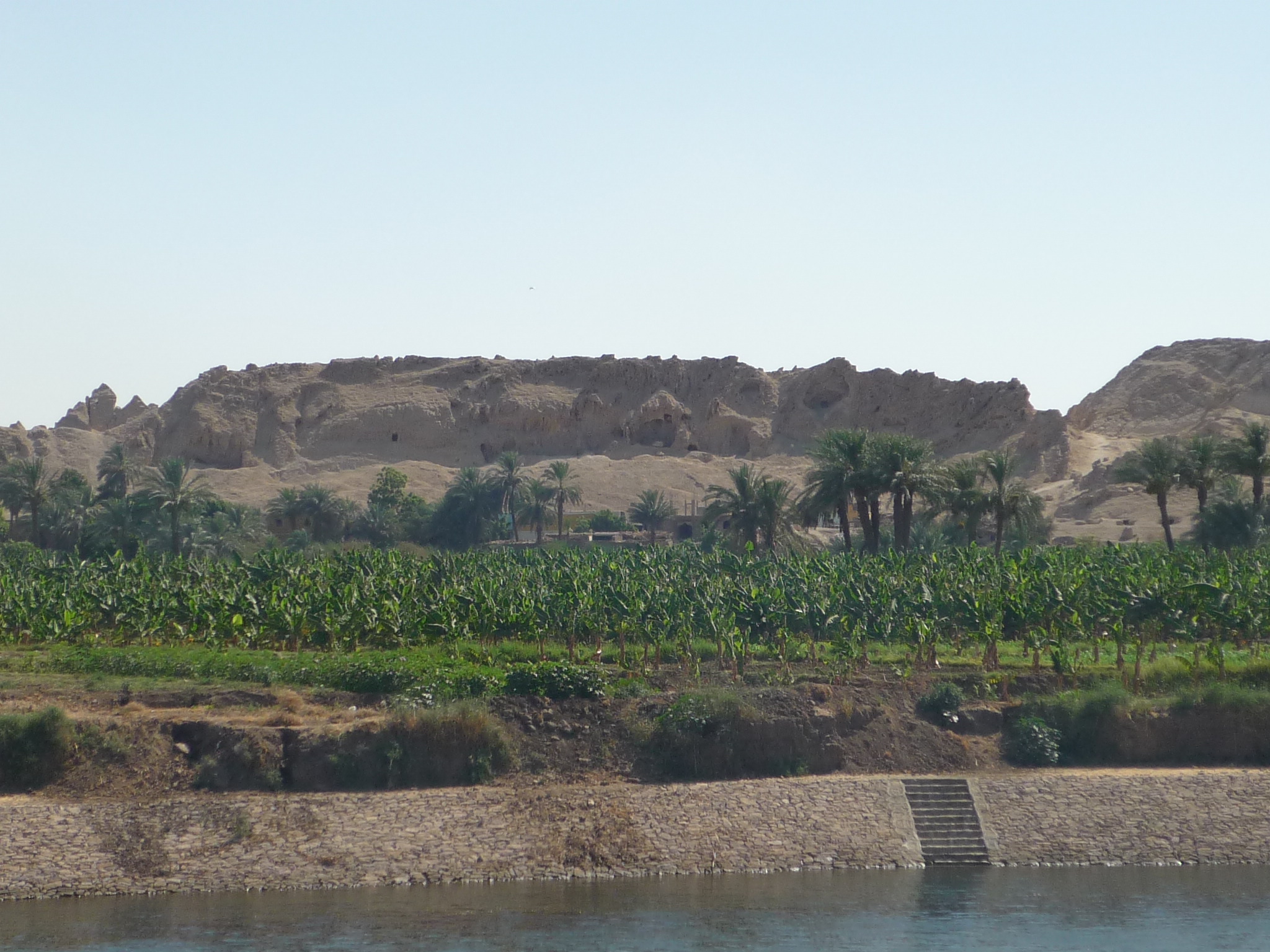
Gebelein
Archaeological site with mummies and temple ruins