Explore the Map
Cusae
27.4444° N, 30.8167° E
About
Cusae, an ancient city on the west bank of the Nile in Upper Egypt, was a significant urban center with historical and archaeological importance. As the capital of the 14th Nome of Upper Egypt, it hosted a cult center for the goddess Hathor. The nearby necropolis, Meir, was used during the Middle Kingdom to entomb local aristocrats, indicating the city's status and wealth. During the New Kingdom, Cusae stood as a strategic boundary between the northern Hyksos and the southern Theban kingdom. In Roman times, it became the site of a military settlement, Legio II Flavia Constantia. Additionally, Cusae played a role in early Christian history as a bishopric under the metropolitan see of Antinoë. The site's layered history offers insights into Egypt's political, religious, and social transformations over millennia.
Gallery
Explore photographs of ancient structures, artifacts, and archaeological excavations
Historical Timeline
Journey through time and discover key events in this site's history
Middle Kingdom necropolis use
2000 BCE
Boundary of Hyksos and Theban Kingdom
1550 BCE
Bishopric under Early Christian Church
300 CE
Settlement of Legio II Flavia Constantia
400 CE
Archaeological Features
Unique architectural and cultural elements found at this historical site
Burial and Funerary Structures
Religious and Ritual Structures
Domestic and Habitation Structures
Frequently Asked Questions
Plan Your Visit
Tours, travel arrangements, and practical information


More Sites in Egypt
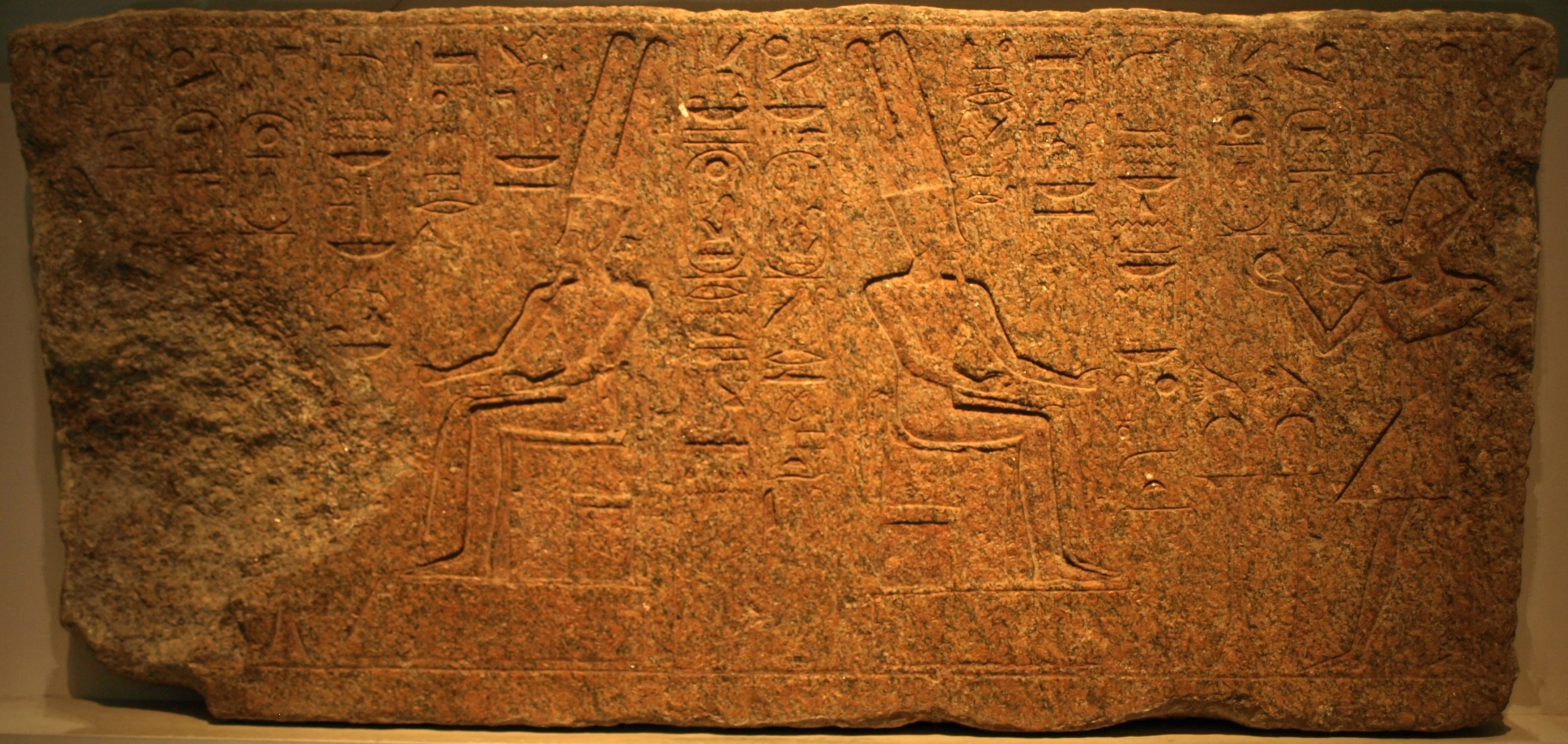
Bubastis
Ancient Egyptian city with Bastet temple

Leontopolis (Heliopolis)
Ancient city with fortifications and a temple.
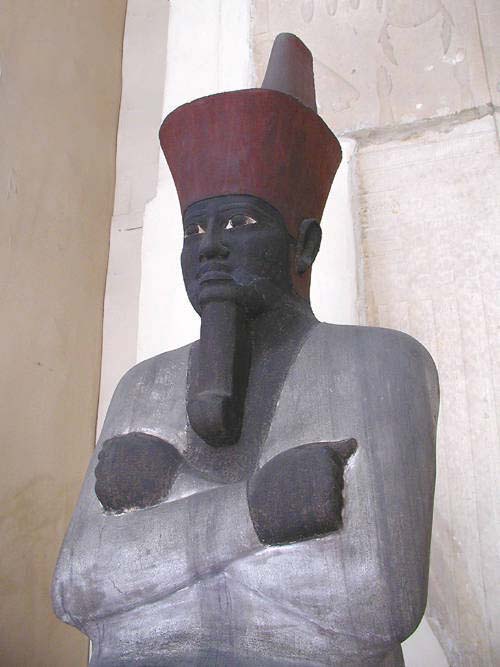
Thinis
Ancient Upper Egypt's undiscovered capital city.
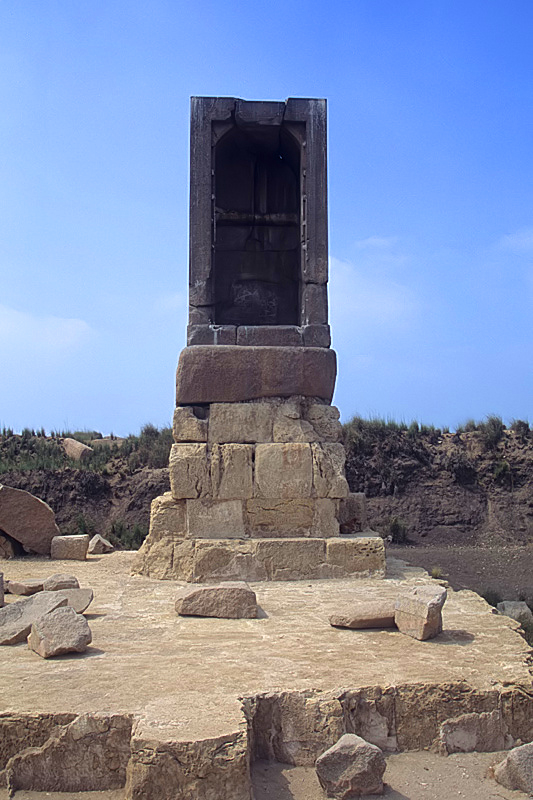
Mendes
Ancient city with significant religious structures.
Medinet Madi
Greco-Roman town with Middle Kingdom temple
Gebelein
Archaeological site with mummies and temple ruins