
Explore the Map
Dahshur
29.8064° N, 31.2081° E
About
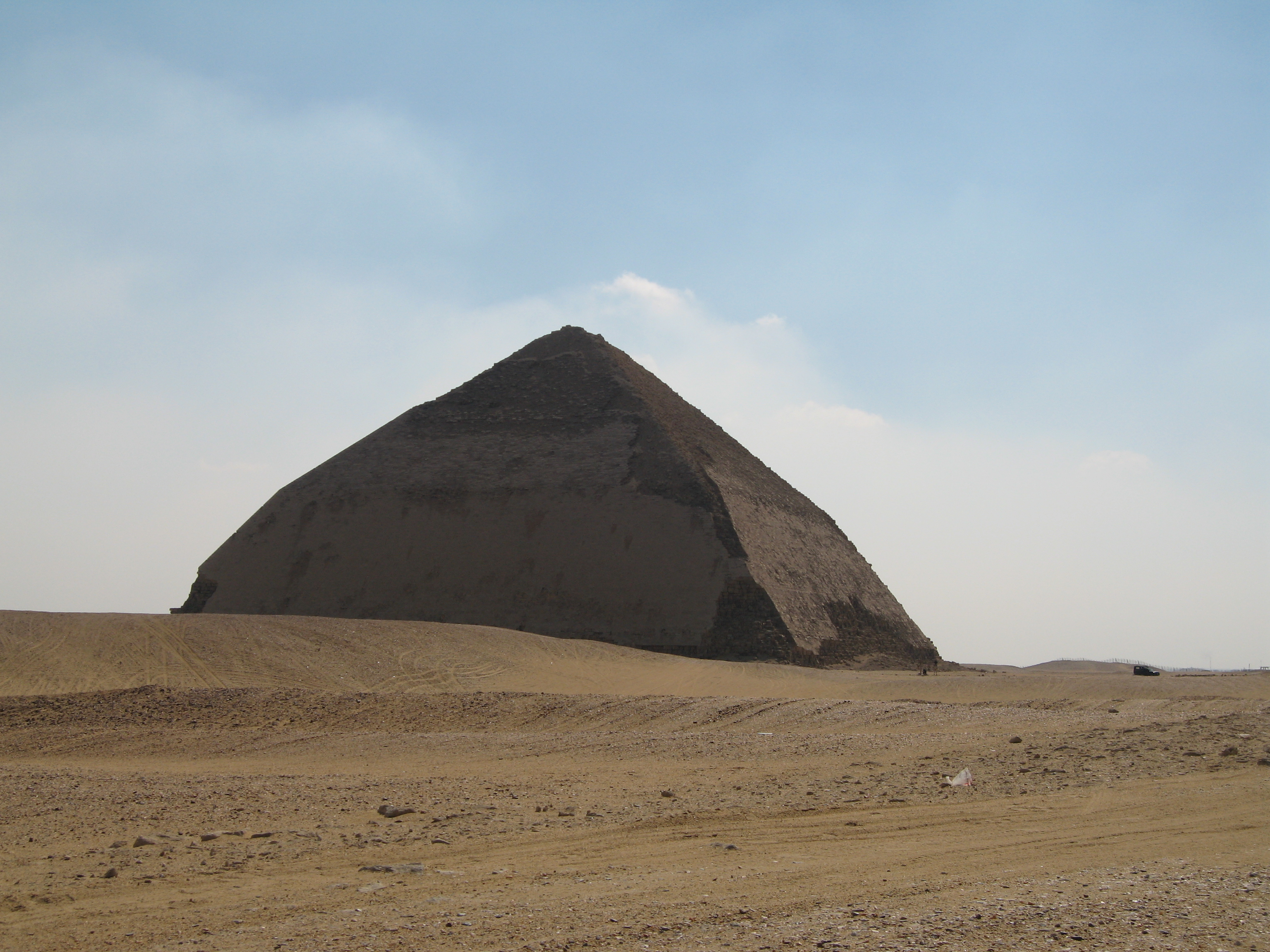
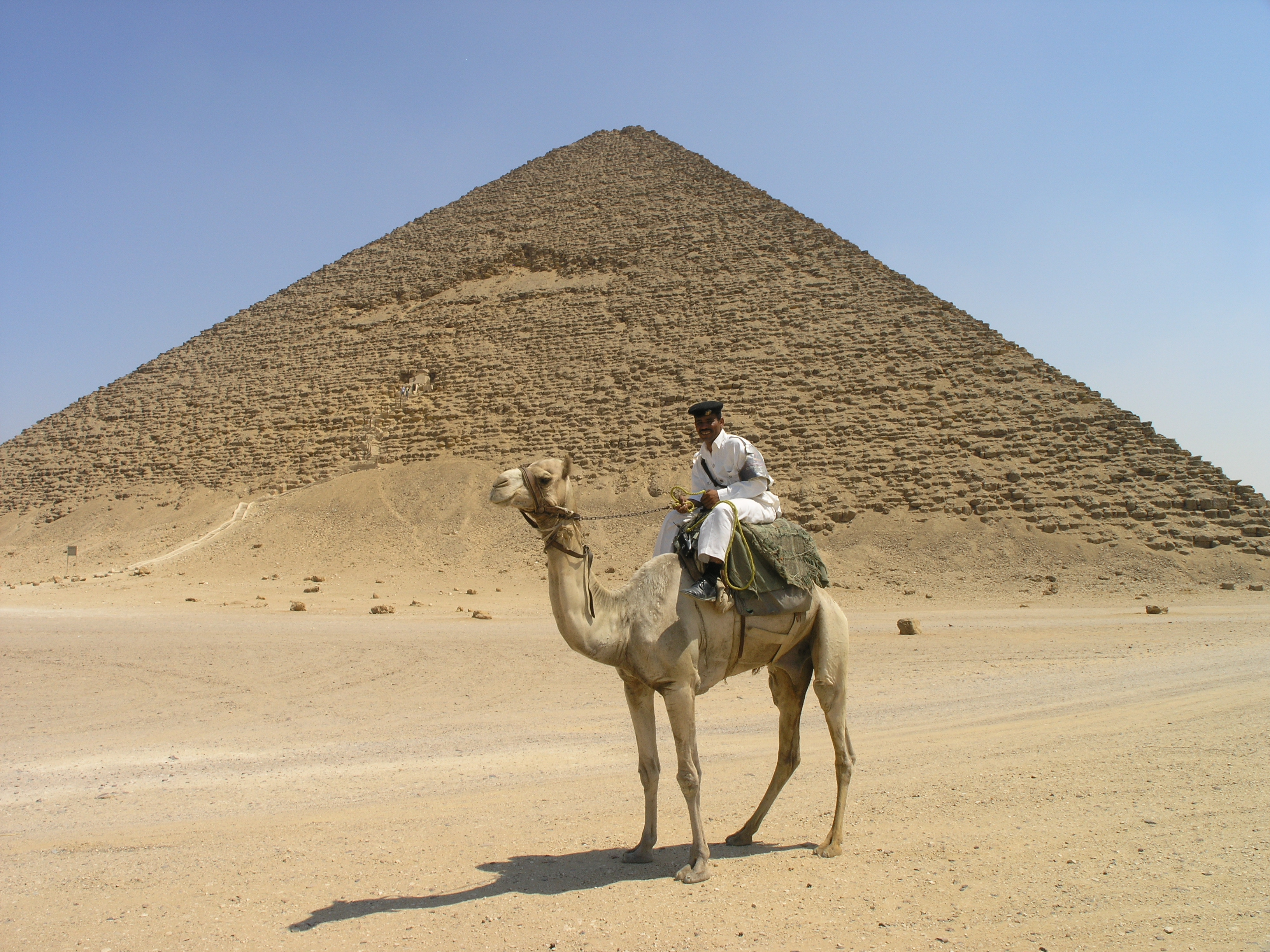
Dahshur is an archaeological site in Egypt known for its ancient pyramid complex and necropolis. It forms part of the pyramid fields of the ancient capital city of Memphis. The site is most famous for the Bent Pyramid and the Red Pyramid, both constructed during the reign of King Sneferu in the 27th century BCE. The Red Pyramid is considered the first successful attempt at a smooth-sided pyramid. Dahshur also includes the White Pyramid of King Amenemhat II and the pyramid of King Senusret III, which featured tombs and galleries for royal women. The site holds significant archaeological value as it showcases the evolution of pyramid construction techniques and provides insights into the burial practices of ancient Egypt.
Gallery
Explore photographs of ancient structures, artifacts, and archaeological excavations
Historical Timeline
Journey through time and discover key events in this site's history
Red Pyramid Completion
2613 BCE - 2589 BCE
Bent Pyramid Construction
2613 BCE - 2589 BCE
Great Pyramid of Giza Construction
2589 BCE - 2566 BCE
White Pyramid Construction
1929 BCE - 1895 BCE
Pyramid of Senusret III
1878 BCE - 1839 BCE
Archaeological Features
Unique architectural and cultural elements found at this historical site
Miscellaneous Features
Burial and Funerary Structures
Religious and Ritual Structures
Frequently Asked Questions
Plan Your Visit
Tours, travel arrangements, and practical information


More Sites in Egypt
Bubastis
Ancient Egyptian city with Bastet temple

Leontopolis (Heliopolis)
Ancient city with fortifications and a temple.
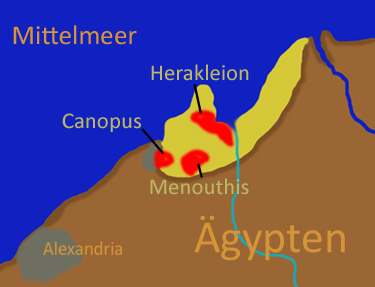
Canopus, Egypt
Submerged ancient Egyptian coastal town ruins
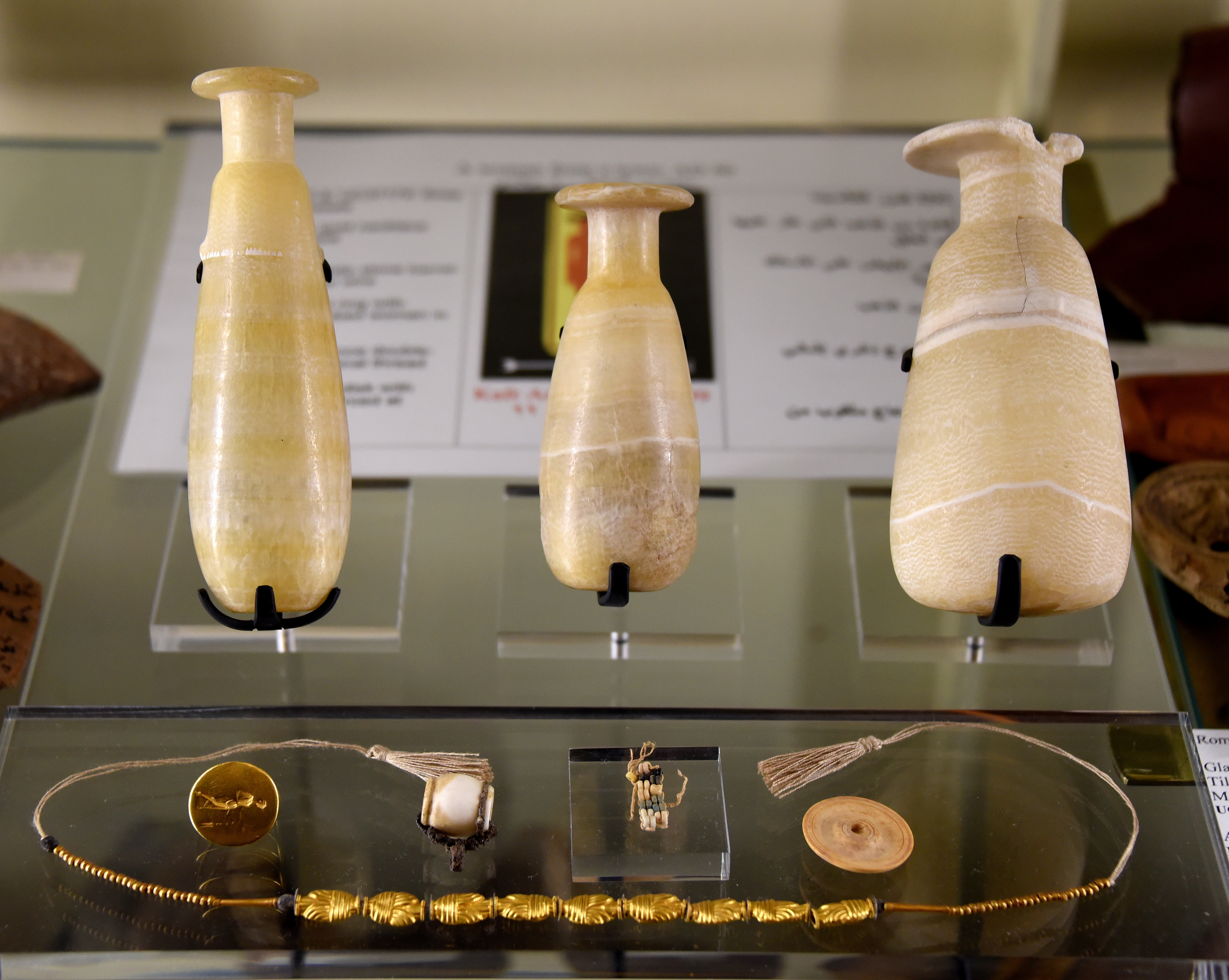
Tarkhan (Egypt)
Ancient Egyptian necropolis with mastabas and tombs.
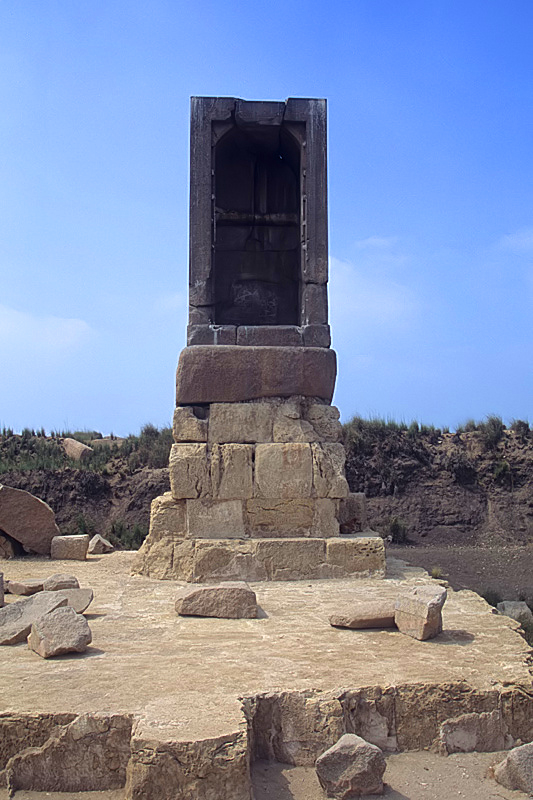
Mendes
Ancient city with significant religious structures.
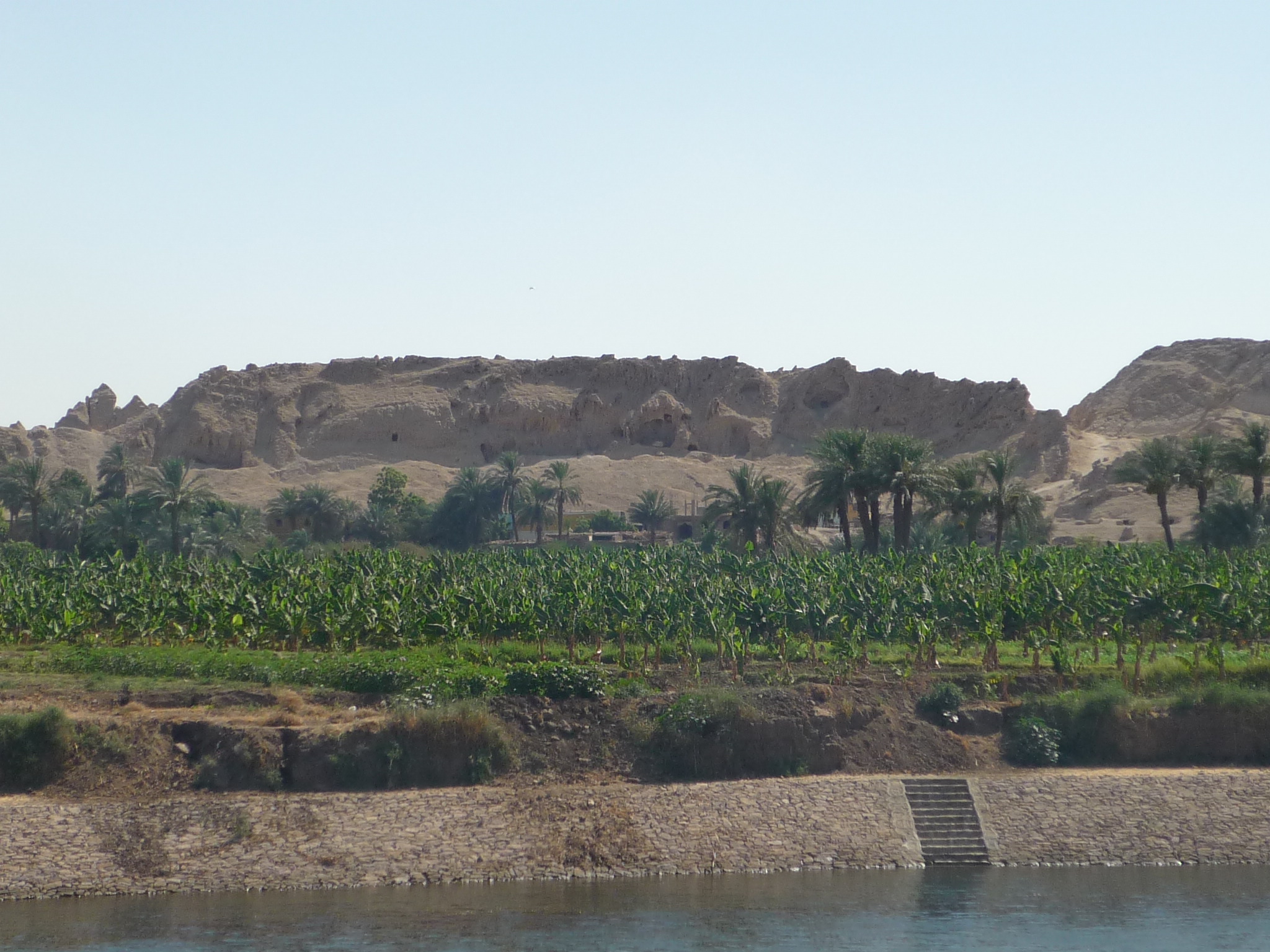
Gebelein
Archaeological site with mummies and temple ruins