
Explore the Map
Gebel Ramlah
22.7103° N, 30.5047° E
About
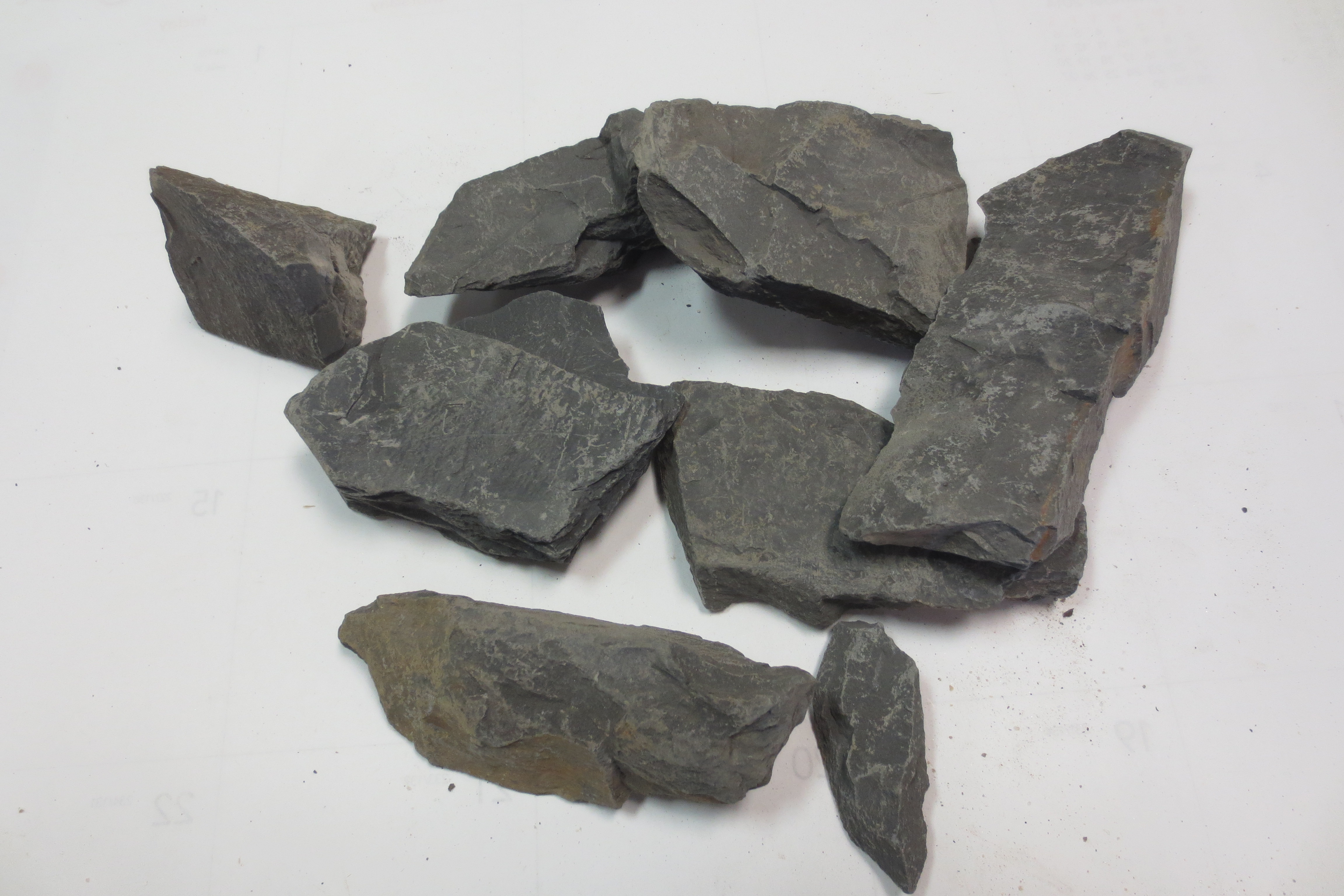
Gebel Ramlah is an archaeological site in Egypt's Western Desert known for its Neolithic cemeteries, including the world's earliest known infant cemetery. This site provides significant insight into the African Pastoral Neolithic period, with its cemeteries dating back to the Final Neolithic around the fifth millennium BCE. The site has yielded over 200 burials with diverse grave goods, indicating a complex socio-cultural structure with minimal social differentiation. The presence of mollusk shells and pottery suggests trade or mobility as far as the Red Sea and Nile River. The physical attributes of the remains indicate a unique blend of sub-Saharan and North African traits, suggesting Gebel Ramlah was a cultural crossroads. This site sheds light on early pastoral societies and their adaptations to climatic shifts during the Neolithic.
Gallery
Explore photographs of ancient structures, artifacts, and archaeological excavations
Historical Timeline
Journey through time and discover key events in this site's history
Early Neolithic Burials
6500 BCE
Middle Neolithic Climatic Shift
6050 BCE
Final Neolithic Cemeteries
4500 BCE
Archaeological Features
Unique architectural and cultural elements found at this historical site
Burial and Funerary Structures
Frequently Asked Questions
Plan Your Visit
Tours, travel arrangements, and practical information
More Sites in Egypt
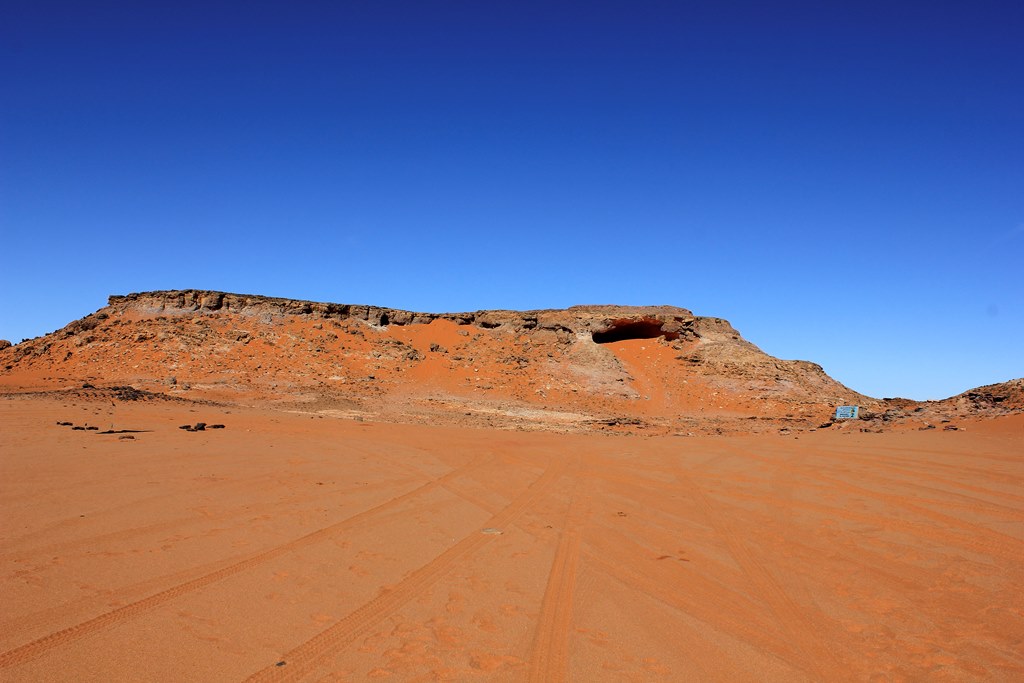
Magharet el Kantara
Neolithic rock art cave in Egypt
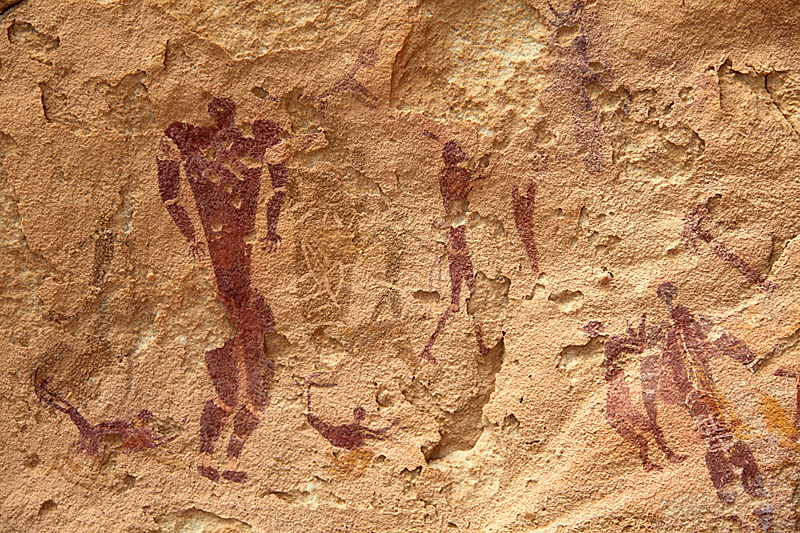
Cave of Swimmers
Neolithic cave with ancient rock art
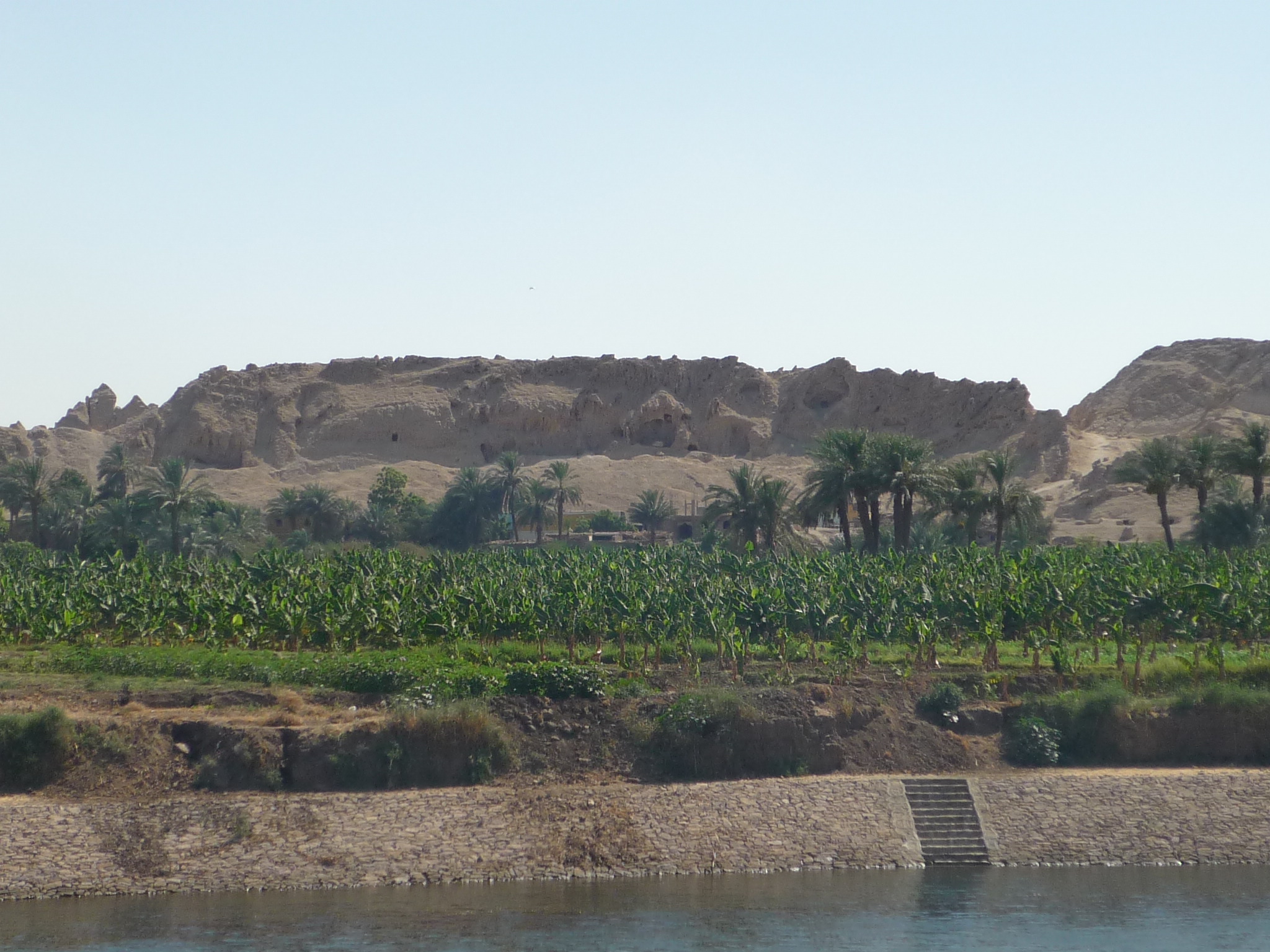
Gebelein
Archaeological site with mummies and temple ruins
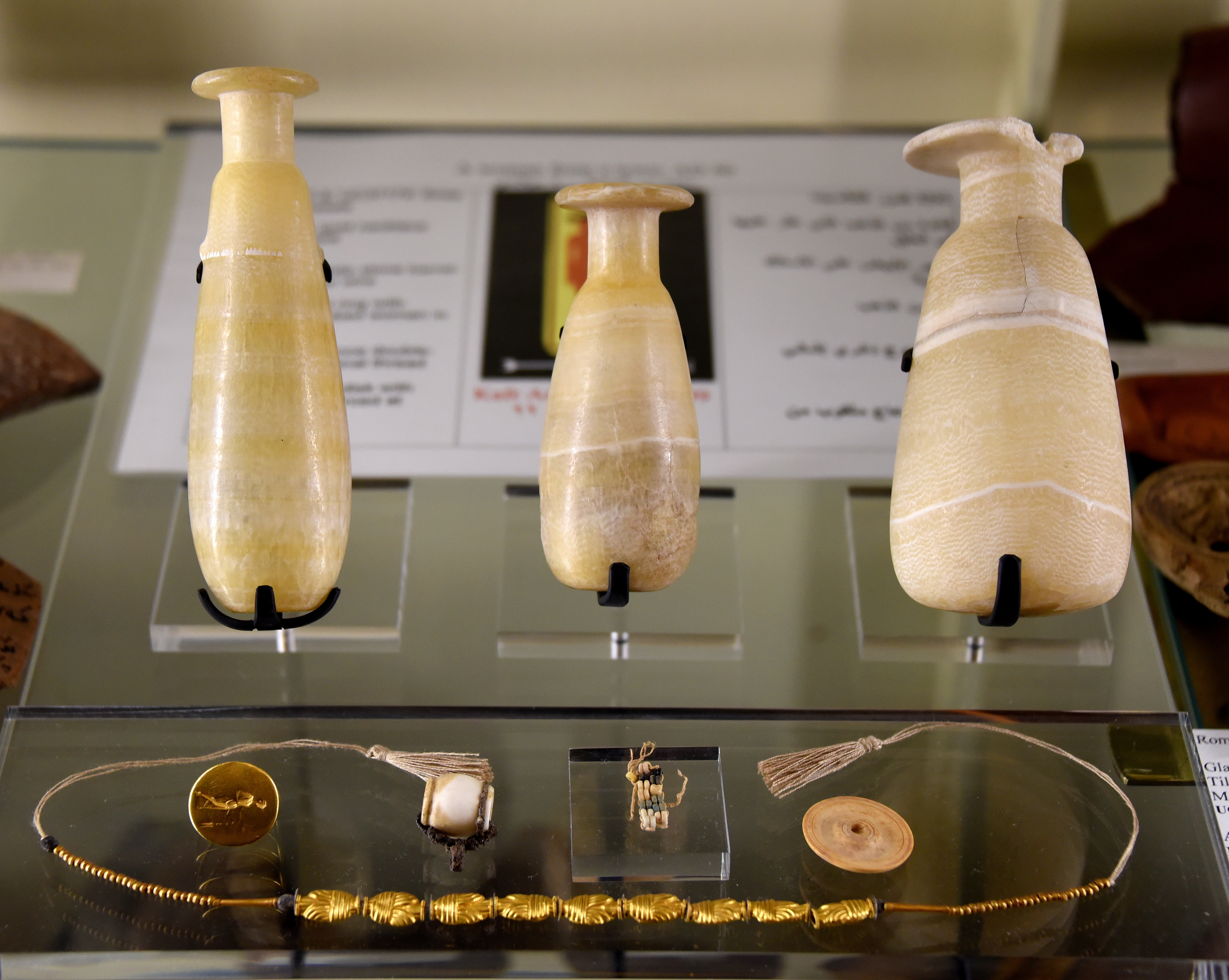
Tarkhan (Egypt)
Ancient Egyptian necropolis with mastabas and tombs.
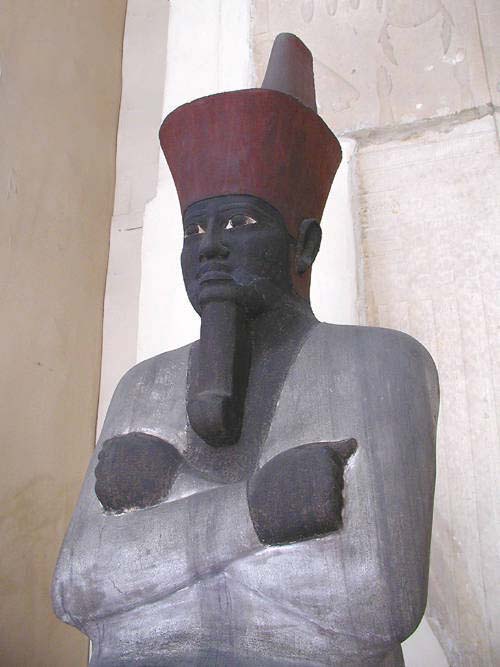
Thinis
Ancient Upper Egypt's undiscovered capital city.
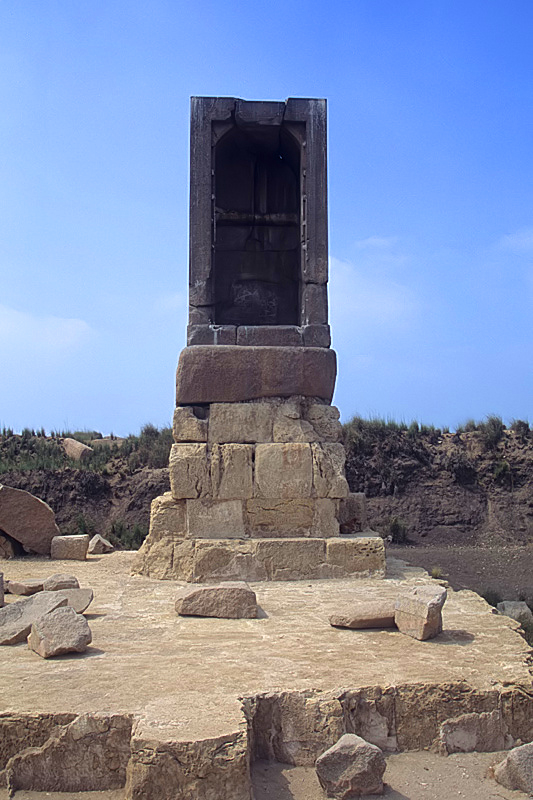
Mendes
Ancient city with significant religious structures.